
Reviewed · OMO VALLEY TOURS
Omo Valley 4days 3nights Cultural Tour
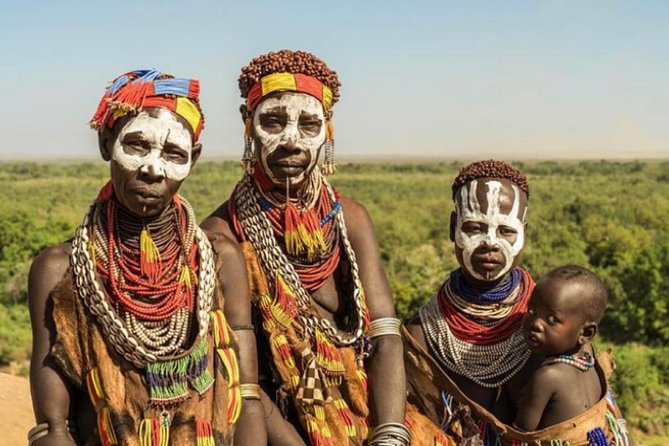
This is the kind of Ethiopia trip that feels different fast, because the Omo Valley cultures grew in relative isolation for a very long time. You’re not chasing monuments. You’re meeting people, seeing how they live now, and learning how body art, jewelry, and rituals connect to identity.
I like the tight, well-paced access built into the route, from Jinka out to the tribal areas and back, without wasting days on vague sightseeing. I also like the practical setup: a modern, air-conditioned Land Cruiser, entrance fees handled, and a guide who keeps things moving and makes the symbols easier to understand.
One thing to consider is that this is a culture trip, not a comfort-first safari. Some roads can be rough, and some practices you’ll see are highly personal, so you’ll want a respectful mindset and patience for the realities of remote travel.
Key things to know before you go
- Modern Land Cruiser travel with air-conditioning, which matters more than you think in hot, dusty regions
- Entrance fees included, so you’re not constantly asking what costs extra
- Time with multiple tribal groups, including Ari, Mursi, Hamer, and Karo
- Hamer Bull Jumping and dancing (Evangadi), a standout ritual moment in this part of the Omo
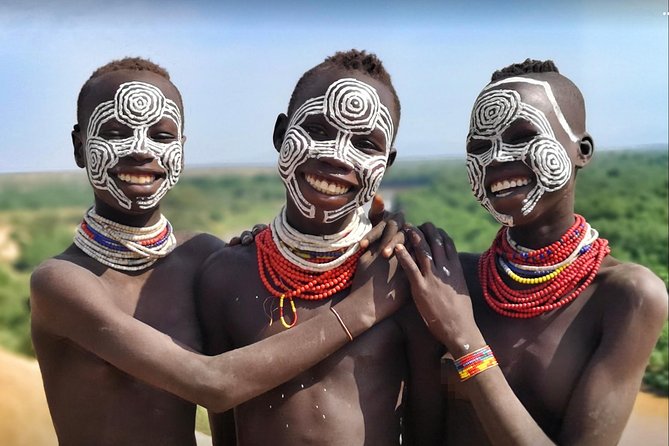
- Body painting and pigment designs, where clay and local vegetable-based colors are part of the art
- Photography and camera fees not included, so plan ahead if you care about taking lots of pictures
Omo Valley is about living culture, not a photo stop
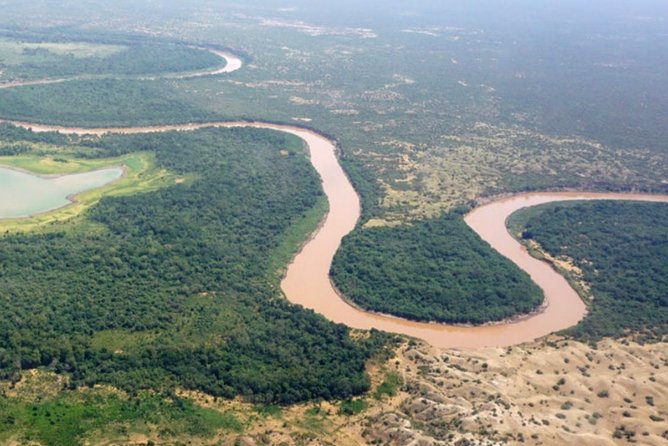
The Omo Valley is famous for distinctive tribal groups, and this tour leans hard into the human side of that reputation. You’ll meet communities including the Karo, the Mursi, and the Hamer, plus the Ari you meet as you start moving through the region. The goal is not just to look. The goal is to understand what certain marks and rituals mean day to day.
What I like about this approach is that the descriptions you’ll hear focus on symbolism and everyday identity, like how body art is created with clays and locally available vegetable pigments, and how the patterns can become a friendly competition between artists. That helps you avoid turning people into “tribal costumes” in your head. You’ll also learn that the styles vary a lot from group to group, so you get a real sense of diversity, not one single look.
That said, go in with the right expectations. You should expect physical proximity at times and direct questions around traditions. You’ll have a guide with you the whole time to manage the flow, but your attitude still matters.
Other journeys down to the lower Omo:
- 6 Days Omo Valley Tribes Tours From Addis Ababa
★ 5.0 · 33 reviews - 3 Days Omo Valley Tour
★ 5.0 · 24 reviews - Danakil Depression, Lalibela, Omo Valley and Simien Mountains
★ 5.0 · 23 reviews
Price and what you get for $1,307.70 per person
At $1,307.70 per person, this isn’t a budget throw-together day trip. You’re paying for remote travel, guides, and access to the places you’ll actually visit, not just transportation.
Here’s what the price covers that you’ll feel on the ground:
- Local and professional guide fees, which matters because this region runs on connections and context
- A latest model air-conditioned Land Cruiser, which makes long drives more tolerable
- Entrance fees for all destinations, so your daily schedule stays simple
- Breakfast included for 3 mornings, helpful for energy on road-heavy days
What’s not included is also important for value:
- International or domestic flight fees (you handle flights separately)
- Photography and camera fees (these can affect your actual total cost if you plan to shoot a lot)
If you do the math, the tour price starts to make more sense because you’re buying time, local access, and logistics in one package. This is especially true if you want a private setup, because the tour is described as private, meaning only your group participates.
Getting started in Addis Ababa at 6:00 am, and how the driving works
The day begins in Addis Ababa with a 6:00 am start at Bole Airport. If you want a smooth morning, plan to be there early enough to handle Ethiopian airport rhythm without panic.
Once you’re moving, you’ll be in a Land Cruiser for the overland parts. In this part of Ethiopia, that’s not a luxury detail. Air-conditioning and a solid vehicle help you stay functional when you’re crossing long distances and heading toward lower-lying areas.
The tour also uses a mobile ticket, and it includes pickup (you’ll coordinate it around your start point). If you like clear routines, this setup is straightforward: meet early, get in the car, and follow the guide’s lead all the way through the program.
Day 1: Konso Cultural Centre, Ari pottery, and Enset skirts in Jinka

Your first day is about getting grounded in tribal culture right away. After flying to the region and checking in, you head to the Konso Cultural Centre, then you visit the Ari community area around Jinka.
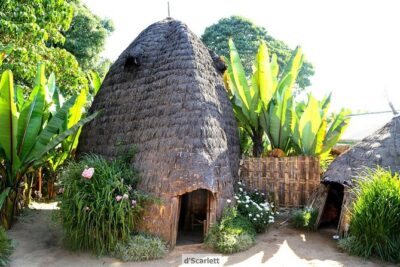
The Ari visit is where you’ll see some of the tour’s most practical cultural details. Ari women are described as being known for pottery and for wearing skirts made from banana trees called enset. You’ll also notice heavier use of jewelry and piercings, with beads wrapped around arms and around the waist for decoration.
What I like about this first contact is that it’s not just about body modifications. You’re seeing craft and daily expression, pottery and clothing materials, which helps you connect the visual side to real production.
A possible drawback: because you start early and then shift quickly into meetings, it can feel like sensory overload on day one. If you’re the type who needs time to adjust after travel, ask your guide how long each stop is expected to run so you can pace your photos and questions.
Overnight is in Jinka Resort, which sets you up for the next day’s longer drives.
More from Addis Ababa to consider
- Day Trip From Addis Ababa See Historical Monastery,Stunning Nature,Animals,Birds
★ 5.0 · 303 reviews - Hidden Treasures of Addis Ababa – Food, Culture and History Tour
★ 5.0 · 57 reviews - Northern Ethiopia Historic Route
★ 5.0 · 12 reviews - 5 Days Tour to World Heritage-listed Harrar, Dire Dawa and Awash NATIONAL PARK
★ 4.5 · 10 reviews
Day 2: Mago National Park to Mursi lip plates, then Turmi with Hamer Evangadi

Day two is a drive day with big cultural payoffs. You travel from Jinka toward the Mursi people via Mago National Park, then you head to Turmi for the Hamer visits in the afternoon.
The Mursi part is one of the most recognizable features of this region: women are known for geometrical lip plates placed in slots of their lips. This is one of those moments where the tour becomes more meaningful when your guide gives context around symbolism and how the practice fits into identity.
Then the schedule turns toward Turmi and the Hamer. The Hamer are especially associated here with bull jumping and dancing, a ceremony called Evangadi.
Here’s what makes this day more than “see a tribe, get back in the car”:
- You’re getting a park drive in the mix, which changes the rhythm and environment
- You’re seeing multiple groups with distinct visual language
- You’re ending with a ritual moment that feels concentrated and event-like
One consideration: Evangadi and bull jumping can be physically intense and emotionally intense too. You’ll want to keep your camera ready, but your attention even more so. Follow your guide’s cues on distance and timing, and try not to treat it like a show that exists for your entertainment.
Overnight is at Buska Lodge in Turmi.
Day 3: Dasenech Village, Karo chin piercings, and a rough-road morning

Day three starts early with a journey described as having rough roads to reach the Omo lowlands. The route moves across wide areas tied to Hamer territory before you reach Dasenech Village and then the neighboring Karo.
The Karo description is intense and specific: they are known for pierced lower chin areas, with nail and other sharp metal stuffed into the piercings. This is exactly the kind of practice where context matters. A good guide should help you understand what you’re seeing beyond shock value.
You’ll likely also notice that the tour’s cultural theme is consistent: body markings and modifications are not random. They’re part of how groups express identity, status, and belonging.
Practical reality: rough roads can make this day harder on energy and patience. Hydrate, take breaks when offered, and consider that the schedule can feel physically demanding even if it’s only a few hours at a time.
Overnight returns to Jinka Resort.
Day 4: Fly back to Addis Ababa after breakfast
Day four is mostly transition. After breakfast, you’re transferred to the airport and fly back to Addis Ababa.
This day is shorter on human encounters and longer on logistics, which is good because it gives you time to decompress after two intense days of cultural meetings and road travel.
If you like to keep souvenirs simple, this is also a good day to handle any last-minute shopping or paperwork back in Addis, because the main cultural blocks are already behind you.
Body paint, symbols, and why this tour helps you “see” more

One reason the Omo Valley story sticks with people is that art is everywhere, and it’s often made from what’s already around. The tour descriptions emphasize body painting using clay and vegetable pigment mixtures, with patterns traced on faces, chests, arms, and legs.
What you’ll want to notice, and what this tour’s guide approach helps with, is that these designs are described as being created for fun and aesthetics. Artists are “viging to outdo” each other, in a sense, which means you’re not just witnessing a static tradition. You’re seeing a living, social process.
Another key point is symbolism. The tour frames knowledge of symbol meanings as part of the experience, not just the visuals. That’s important for you because it turns quick observation into understanding. You may still feel surprised by what you see, but you’ll be less likely to reduce it to a novelty.
Go in curious, not judgmental. Ask your guide what a mark means. Pay attention to how different groups use color and placement. And remember that what looks unusual to you may be normal and meaningful to the people you meet.
Photography, camera fees, and how to stay respectful
Photography can be a highlight on an Omo Valley trip, but this tour comes with an important heads-up: photography and camera fees are not included.
So do two things before you pack:
- Budget a little extra if you plan to shoot a lot
- Use your guide to understand when photography is allowed, and where it might be restricted
Also, the best results usually come from respecting the flow of the moment. When a ritual like Evangadi is happening, you’ll want to focus on timing and distance more than trying to get the closest shot possible. Guides who are well connected, like the drivers and guides named in this tour’s guest feedback, tend to manage access and timing better than a random tourist would be able to.
A practical strategy: take fewer “burst” shots and more short sequences after your guide has explained what you’re looking at. That way your photos tell a story, not just a collection of faces and body markings.
Who this tour suits best, and who might prefer a different style
This tour is a strong match if you want:
- A cultural focus on Ari, Mursi, Hamer, and Karo communities
- A guided, private group experience (only your group participates)
- Active driving days with several key stops, not a slow museum-style pace
It’s also described as suitable for most travelers, and service animals are allowed. It’s near public transportation, which may help if you need to move around Addis before departure.
Who might not love it:
- If you want a high-comfort vacation with minimal road time, the rough-road day and early starts may feel like too much
- If you dislike any situation where you must think about etiquette and consent around intimate cultural practices, you may find this emotionally challenging
If you’re the type who enjoys meeting people through a local guide, and you like learning how traditions work, this is exactly your kind of trip.
Should you book this Omo Valley 4-day cultural tour?
I’d book it if you want an efficient route into the Omo Valley with real cultural access, clear logistics, and guides who can connect the visuals to meaning. The combination of Ari crafts and clothing materials, Mursi lip plates, Hamer Evangadi, and Karo chin piercings gives you a strong cross-section of what makes this region famous.
I’d pause before booking if photography costs could be a deal-breaker for your budget, or if you know you struggle with early starts and rough roads. Also, if your main goal is wildlife viewing, this tour is not positioned as a pure safari plan.
If you go in with respect, patience, and a curiosity mindset, you’ll come away with a trip that feels human and specific, not generic.
FAQ
How long is the Omo Valley 4 days 3 nights Cultural Tour?
It runs for 4 days (approx.) with 3 nights.
Where does the tour start and what time is the meeting?
The start is at Bole Airport in Addis Ababa, with a start time of 6:00 am.
Is pickup included?
Pickup is offered.
What is included in the price?
The tour includes a local guide and professional guide fee, a latest model air-conditioned Land Cruiser, entrance fees for all destinations, and breakfast for 3 days.
Are flights included?
No. International and domestic flight fees are not included.
Are entrance fees included?
Yes. Entrance fees for all destinations are included.
What about meals besides breakfast?
Breakfast is included for 3 days. Other meals are not listed as included.
Are photography and camera fees included?
No. Photography and camera fees are not included.
Is this tour private?
Yes. It is described as a private tour/activity, and only your group participates.
What is the cancellation policy?
Free cancellation is available if you cancel up to 24 hours in advance for a full refund. If you cancel less than 24 hours before the start time, the amount paid is not refunded.
Is this tour suitable for most travelers?
It is described as suitable for most travelers.
Are service animals allowed?
Yes, service animals are allowed.
More 4-Day Experiences in Addis Ababa
- Arba Minch, Dorze Tribe, Konso, and Awasa Private 4 Days Tour from Addis Ababa
★ 5.0 · 3 reviews - 4-Day Tour: Tigray Churches & Danakil Depression Adventure.
★ 5.0 · 11 reviews - 4 Days Trekking to Simien Mountain National Park
★ 5.0 · 7 reviews - Simien Mountains – 4 Days
★ 4.0 · 7 reviews
Newly reviewed in Addis Ababa
- Addis Ababa City Tour★ 4.5 · 3 reviews
- 2 days trek around Lalibela★ 5.0 · 3 reviews
- Day Trip Around Addis Ababa★ 5.0 · 3 reviews
- Full Day Addis Ababa City Tour with Hotel Pick Up And Drop Off★ 5.0 · 3 reviews
- Northern Ethiopia (Historic route)★ 5.0 · 3 reviews
- Addis Layover Tour of Mercato With Airport pick up & drop off★ 5.0 · 3 reviews
- Day Tours around Addis Abeba, Melka Kunture and Adadi Mariam★ 5.0 · 3 reviews
- Day Trip From Addis Ababa To Debre Ziet★ 5.0 · 3 reviews
Omo Valley Tours, compared.
6 Days Omo Valley Tribes Tours From Addis Ababa
Read our review →
Lalibela, Axum, Danakil and Omo Valley 8 DAYS
Read our review →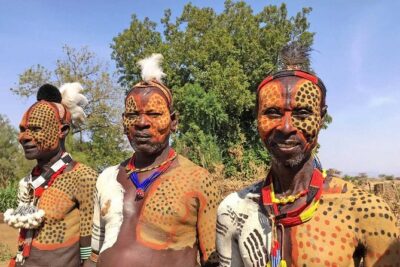
Danakil Depression, Lalibela, Omo Valley and Simien Mountains
Read our review →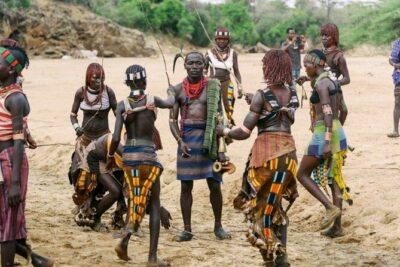


9 Days Tours To Danakil Depression, Simen MNP, Lalibela With Omo Valley Tribes
Read our review →Browse the lists this tour appears in