
Reviewed · HISTORICAL TOURS
Hidden Treasures of Addis Ababa – Food, Culture and History Tour
What makes Hidden Treasures of Addis Ababa interesting is the way it strings everyday city life together with major historical sites, all in one efficient day. I like that it includes both food culture and hilltop views, so your photos and your palate both get something to work with.
I like the Mercato Market stop, where the noise and motion are part of the lesson, including a recycling market where waste becomes useful again. I also like the Zoma Museum break, since you get a calmer permaculture setting plus time for lunch and an Ethiopian cooking and coffee experience.
One consideration: the day runs about 8 hours, and it moves between crowded market areas, churches, and viewpoints. If you dislike busy streets or you have limited mobility, you will want to plan for lots of walking and quick transitions.
Key highlights you will not want to skip
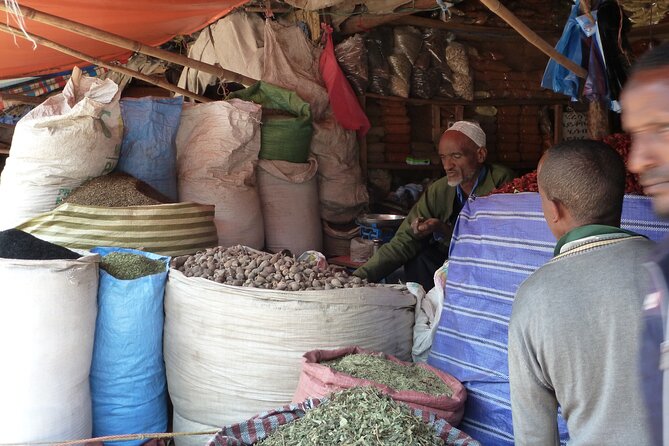
- Mercato’s scale and recycling market where you see goods, livestock, and how materials get reused
- Zoma Museum’s permaculture garden plus lunch and a hands-on Ethiopian food session
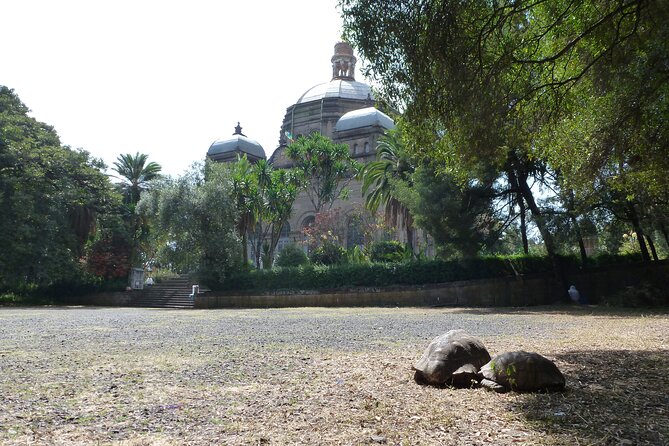
- Bata Mariam Church area and the Menelik II mausoleum with underground royal tombs and giant turtles
- National Museum of Ethiopia and Lucy (3.2 million years) for a clear, grounded look at human origins
- Mount Entoto for the founder’s palace site and a sunset skyline view from the entrance to Addis Ababa
- A capable local guide like Anteneh who can keep the day flexible and make it feel personal
Why this $75 day trip feels like a lot for your time

At $75 per person for roughly 8 hours, this tour works because it compresses several “big ticket” Addis Ababa experiences into one ride and one plan. You are not just touring buildings. You are sampling Ethiopian food culture, learning the city’s story from ancient origins to the capital’s founding, and ending with a sunset view.
The included setup matters too. Private transportation cuts down on stress, and you get snacks and bottled water so you are not hunting for basics between stops. Admissions are included for the main sights, which makes the day feel more predictable in cost.
The vibe is also practical. This is designed for different ages, and it is paced as a full day, not a quick walk-through. You will likely see a lot more than you would on your own, especially if you have limited time in Addis.
More from Addis Ababa to consider
- Ethiopian Culinary Tour – Market, Food, Coffee Ceremony & more
★ 5.0 · 65 reviews - Addis Ababa City Tours With Cocking Class of Ethiopian Food
★ 5.0 · 20 reviews - Ethiopia coffee cupping class/Ethiopian food injera making
★ 5.0 · 10 reviews
Mercato Market: the energy, the recycling market, and where to look
Mercato Market is the kind of place that changes your posture the moment you step in. It is crowded, loud, and intensely local, and that is the point. You get to see traditional trade like basketry and pottery, plus the moving parts of daily commerce that you will not learn from a quiet museum alone.
What I like is that you do not only get stuck in the common sightseeing version of a market. You also see the recycling market side, where different items get made from waste. It is a very real window into how people solve problems with what is available, not just a place to buy souvenirs.
Timing is important here. You have about 1 hour 30 minutes at Mercato, which is long enough to get your bearings but not so long that you feel stuck. If you want photos, keep your camera ready but expect to move. If you have a sensitive stomach or you get overwhelmed in crowds, I would treat Mercato like a sensory workout: take short breaks and hydrate when the day allows.
One extra detail from real-world experience that I think is worth aiming for is a viewpoint option. Some guests have been taken to a rooftop nearby for a better view, which helps you understand the market’s scale. If your guide offers something like that, it is a smart use of time, especially in a place as busy as this.
Zoma Museum: a permaculture pause plus lunch, cooking, and charcoal coffee
After Mercato, Zoma Museum feels like a reset button. The permaculture garden is not just decoration. It slows the day down and gives you something to look at besides people, goods, and traffic.
You have about 2 hours 30 minutes here, including lunch and the food experience. I like this structure because it stops the day from becoming only “seeing.” You taste, you learn, and you get a calmer setting before the more intense historical stops.
In the garden, you can see how urban agriculture can work in Ethiopia, including false banana trees, herbs, and the idea of small-scale farming inside the city. That matters because it connects food to place, not just to a recipe book.
Then the menu and the learning come. You get a chance to see how traditional Ethiopian food is prepared and you get to try it afterward. In similar situations in Addis, injera and other staples often show up in the cooking and tasting, and this tour is built around that kind of practical experience.
The coffee ceremony is a standout part of the Zoma segment. You watch coffee roasted and prepared, and incense gets burned on a traditional charcoal stove. If you have never seen this before, the smell is the first thing you notice, and the whole process becomes easier to understand once you see it step by step. This is one of those cultural moments where the details are the value, not just the drink.
Practical tip: give yourself permission to linger here. The garden is calmer than Mercato, so if you want to ask questions or take a breather, this is the place.
Bata Mariam Church and the Menelik II mausoleum: turtles, tombs, and royal memory
The next stop is where Addis Ababa’s story gets very tangible. The mausoleum of Menelik II sits in the old Bata Mariam Church compound. You may see spelling variations like Bahita Mariam, but the key point is the church complex and its royal tomb connections.
Expect a mix of symbols. The compound is described as inhabited by giant turtles, which sounds odd until you see how much atmosphere a place like this can create. Then you get the heavier part: underground tombs connected to Menelik II, the founder of Addis Ababa, along with tombs from other members of the former royal family. You are looking at memory made physical.
There is also mention of an original painting by Michelangelo in the same area. Even if art details are complicated to verify on the spot, it signals something important for your visit: you are seeing Ethiopian history through a site that has layers, not a single-note museum display.
You have about 1 hour here. That is enough time to walk the compound, understand what you are seeing, and not feel rushed through underground or church-adjacent spaces. If you like history but dislike long waits, this is a good stop length.
One consideration: church compounds can be visually and emotionally intense. Go steady, and keep your pace respectful. This is the part of the day where you benefit most from a guide who can connect the site to the bigger story of the city.
Something steadier after Addis Ababa:
- Full Day Tour of Addis Ababa with Hotel Pickup and Drop-off
★ 5.0 · 430 reviews - Taste of Ethiopia
★ 5.0 · 406 reviews - Day Trip From Addis Ababa See Historical Monastery,Stunning Nature,Animals,Birds
★ 5.0 · 303 reviews - Addis Ababa: Debre Libanos, Blue Nile Gorge, and Cave Tour
★ 4.5 · 256 reviews
The National Museum of Ethiopia: Lucy and the long view of human origins
At the National Museum of Ethiopia, you shift from royal history to human origins. The museum is presented as a place to learn about the evolution of mankind, with Ethiopian discoveries central to the story.
The big name you come for is Lucy, dated at about 3.2 million years. Even if you already know Lucy from books or documentaries, seeing this theme in a real museum space can make the timeline feel more concrete. The tour gives you a focused amount of time here, about 1 hour, which is useful. It helps you avoid the “too much museum” problem that can happen when you try to do everything alone.
What I like about this stop is the framing. It does not just throw facts at you. It places Ethiopia as a key setting for the story of human evolution, and it gives you a reason to see Lucy as part of a broader archaeological landscape.
If you are traveling with kids or with people who get tired in big museums, this 1-hour window is a practical sweet spot. You still get the point of the museum without feeling trapped inside for half a day.
Mount Entoto: the founder’s palace area and a real Addis sunset
Mount Entoto is the day’s final big reveal, and it is designed to pay off your earlier time in museums and markets. You go to the entrance area of Addis Ababa and explore the history tied to the founder.
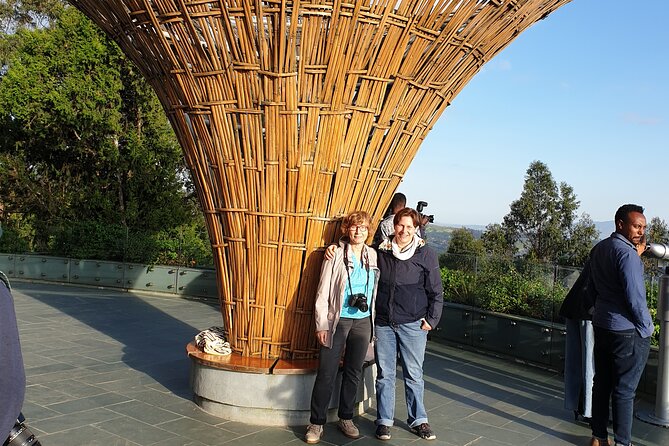
The tour focuses on the first palace of the founder of Addis Ababa and a museum displaying Ethiopian history. Then you get the payoff view: watching the skyline of Addis Ababa while the sun drops.
You have about 2 hours here, so it is not a 20-minute “quick photo and go” stop. That extra time matters, because viewpoints can change with light, and Addis skyline views are much more enjoyable when you can slowly adjust your eyes to distance and haze.
If you want photos that look like they belong to someone who knows the city, this is your moment. The sun makes the skyline look different in minutes, and a guide who understands timing helps you avoid arriving too early or lingering too late.
How transport and timing keep the day feeling smooth
This tour is built around private transportation, and in a city like Addis, that choice is not a luxury. It is a time saver and a stress reducer. With private transport, you do not spend your energy figuring out routes between markets, museums, and hilltop viewpoints. Your guide does that.
Pickup and dropoff are offered, and that is huge if you are staying somewhere central or if you have a specific place you want to start from. The day is about 8 hours, and the stops are sequenced so you gradually move from the city’s bustle to calmer cultural spaces, then finish with a scenic horizon.
One small detail that can make a big difference is flexibility. In real bookings, guides like Anteneh are described as professional, kind, and willing to adjust the schedule when needed. In one case, there was an illness situation but the day still happened and the guest met the guide multiple times for the experience. That kind of professionalism is exactly what you want when your time in Addis is limited.
If you are the type who likes structure, the plan gives you clear segments. If you prefer freedom, the private setup usually makes it easier to ask for small changes, like a viewpoint detour or a stop for an extra local bite, as long as it fits the overall time.
What is included, what is not, and how to plan for it
Included in the experience are private transportation, snacks, bottled water, and coffee and/or tea. Lunch is covered as part of the Zoma Museum stop. Admissions for the main sights are also included, which prevents surprise costs at the door.
What is not included is alcohol and souvenirs or personal expenses. That is pretty standard, but it helps you plan. If you want a juice stop or shopping time, you can usually work it in through the guide, but you should treat it as personal spending.
Also plan for your own energy. Even with transport, you will spend the day moving between areas that feel different. Markets can be crowded. Museums and church areas involve walking and short interior changes. Mount Entoto involves a viewpoint climb or at least sustained outdoor viewing.
If you have a sensitive stomach, eat the lunch offered and keep water with you. If you wear shoes that are comfortable for uneven surfaces, you will feel better by the time you reach the skyline.
Who should book this tour, and who might prefer something else
I think this is a smart choice if you have limited time in Addis Ababa, including a stopover day. The tour is designed to hit major highlights without requiring you to set up separate outings.
It is also a good fit if you care about food culture as much as museums. The cooking and tasting part, plus the coffee ceremony with incense and charcoal roasting, gives you a personal connection to the day that a pure sightseeing tour will not.
You should consider skipping or pairing it with a lighter day if you hate crowds or you need a very slow pace. Mercato is not gentle, and the full-day format means you should be ready for a long day of switching environments.
Should you book Hidden Treasures of Addis Ababa?
If you want one day that teaches you how Addis Ababa works, from its open-air market life to human origins at Lucy and the capital’s founding story at Menelik II and Mount Entoto, this tour is a strong bet. The value comes from the mix: included admissions, lunch and coffee culture, plus a private driver so you are not burning time on logistics.
Book it if:
- you want a full snapshot of Addis in one day
- you enjoy food experiences, especially coffee and cooking demonstrations
- you appreciate a guide who can make the day feel organized and personal
Skip it if:
- you need a slow, low-crowd schedule
- you only want one type of experience, like purely museums or purely scenic views
If you are deciding today, my advice is simple. This is the kind of tour that earns its price because it gives you more than landmarks. It gives you context, smells, tastes, and viewpoints that help Addis Ababa stick in your memory.
FAQ
How long is the Hidden Treasures of Addis Ababa tour?
It runs about 8 hours.
How much does the tour cost?
The price is $75.00 per person.
What is included in the price?
The tour includes private transportation, snacks, bottled water, and coffee and/or tea, plus admission tickets for the listed stops.
What does the itinerary cover?
You visit Mercato Market, Zoma Museum (including lunch and a coffee ceremony), the Mausoleum of Menelik II at the Bata Mariam Church compound, the National Museum of Ethiopia (Lucy), and Mount Entoto for history and a sunset view.
Do you get pickup and drop-off?
Yes, pickup is offered from your hotel or another place you prefer, and you are dropped back there after the tour.
What time does the tour start?
The pickup window is 8:30 AM to 9:30 AM, Monday through Sunday.
More Historical Tours in Addis Ababa
- Northern Ethiopia Historic Route
★ 5.0 · 12 reviews - 5 Days Tour to World Heritage-listed Harrar, Dire Dawa and Awash NATIONAL PARK
★ 4.5 · 10 reviews - DAY TRIP TO THE UNESCO HERITAGE SITE TIYA & Melka Kunture
★ 4.5 · 10 reviews - Historical tours – in five days, Addis Ababa, Axum, Laliebla and Gonder
★ 5.0 · 9 reviews
Newly reviewed in Addis Ababa
- Addis Ababa City Tour★ 4.5 · 3 reviews
- Full Day Addis Ababa City Tour with Hotel Pick Up And Drop Off★ 5.0 · 3 reviews
- 2 days trek around Lalibela★ 5.0 · 3 reviews
- Day Trip Around Addis Ababa★ 5.0 · 3 reviews
- Northern Ethiopia (Historic route)★ 5.0 · 3 reviews
- Day Tours around Addis Abeba, Melka Kunture and Adadi Mariam★ 5.0 · 3 reviews
- Addis Layover Tour of Mercato With Airport pick up & drop off★ 5.0 · 3 reviews
- Day Trip From Addis Ababa To Debre Ziet★ 5.0 · 3 reviews
Historical Tours, compared.
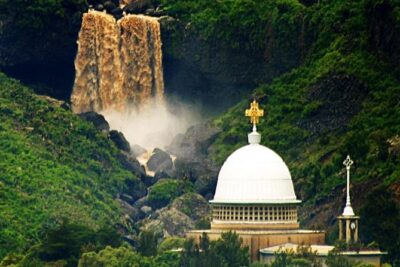
Day Trip From Addis Ababa See Historical Monastery,Stunning Nature,Animals,Birds
Read our review →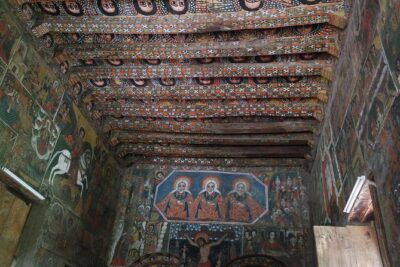
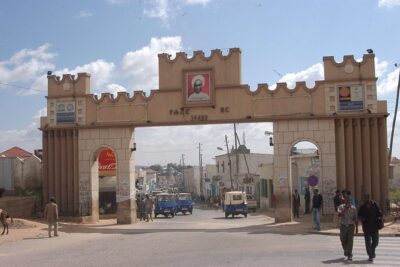
5 Days Tour to World Heritage-listed Harrar, Dire Dawa and Awash NATIONAL PARK
Read our review →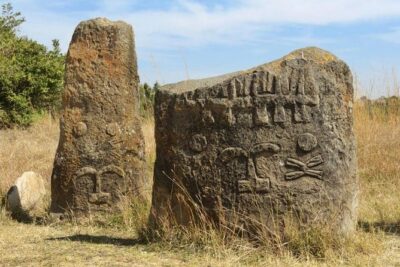
DAY TRIP TO THE UNESCO HERITAGE SITE TIYA & Melka Kunture
Read our review →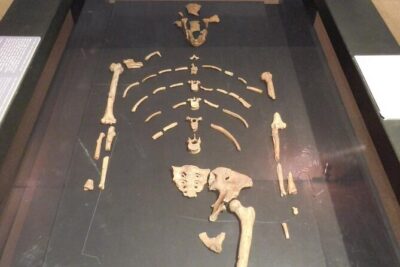
Experience a Cultural and Historical Journey through Addis Ababa
Read our review →
Historical tours – in five days, Addis Ababa, Axum, Laliebla and Gonder
Read our review →
city tour of Addis Ababa ( history ,culture , food and more)
Read our review →
5 days Exploring North Ethiopia’s Rich History and Culture
Read our review →Browse the lists this tour appears in