
Some Ethiopia tours feel like a checklist. This one feels like a story arc, from Addis Ababa’s historic core to the extreme geology of the Danakil Depression. I like the way it mixes religion, people, and nature instead of sending you from one photo stop to the next. You also get a small-group vibe, capped at 14, which helps the day feel human.
My other big plus is the practical, hands-on feel built around real experiences: the sunset stroll at Asale Salt Lake, the Dallol hikes, the Lalibela churches, and the chance to see how Omo Valley communities live. A possible drawback is pacing. Between domestic flights, long drives, and the Erta Ale trek, this is not a couch-to-café route. If you have a moderate fitness level, you’ll still want to be honest with yourself about heat, stairs, and early mornings.
Key highlights that make this itinerary work

- Gashaw-led care and strong local guiding: reviews consistently flag responsiveness before departure and professional support during the trip
- Danakil Depression geology, from Asale Salt Lake sunset to Dallol mineral “art”
- Erta Ale night trek with eruption-area walking (and the option to hire a camel)
- Lalibela’s rock-hewn churches, explored in multiple church groups plus a night at Tej Bet
- Omo Valley tribal visits across several regions, including Mursi and Hammar areas, plus Karo and Dasenech by the river
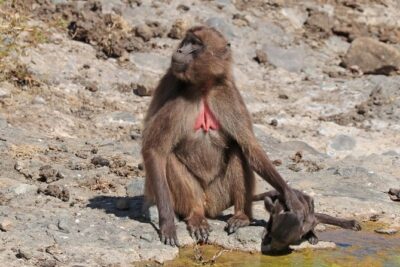
- Bale Mountains wildlife time and a search for Ethiopia’s endemic species
Addis Ababa day one: churches, Lucy, Entoto views, and Mercato reality
.jpg)
This first day gives you bearings fast. Addis Ababa is the country’s engine room, and the route starts with places that explain why Ethiopia feels different the moment you arrive.
You begin at Holy Trinity Cathedral, the Ethiopian Orthodox church that serves as a major resting place for important figures in Ethiopian history. The point here is not just architecture. It’s context: Ethiopian Orthodox Christianity is not a background detail, it’s part of everyday life, calendars, art, and community structure.
Next is the National Museum of Ethiopia, where the famous fossil Lucy is displayed. I like this stop because it anchors you in deep time. You’re not only traveling through modern Ethiopia, you’re landing on a region with a long human story. From there, you head to Entoto Natural Park, a high point around Addis with eucalyptus and juniper trees and big views over the city. It’s a good palate cleanser after museums.
Then comes the sensory overload of Mercato, billed as the largest open-air market in Africa. The value of this isn’t shopping. It’s watching Ethiopia at work, with locals running small businesses and eating, bargaining, trading, and moving through their day.
Practical note: Mercato can be intense. Go with a curious mindset, but keep your phone secure and your focus on people, not crowds.
Other journeys down to the lower Omo:
- 6 Days Omo Valley Tribes Tours From Addis Ababa
★ 5.0 · 33 reviews - 3 Days Omo Valley Tour
★ 5.0 · 24 reviews - 5 Days Omo Valley Tours
★ 5.0 · 15 reviews
Danakil Depression from Mekelle: colors, salt, and the lowest point on Earth
.jpg)
Day two is where the trip stops being “normal travel” and becomes true adventure. You land in Mekelle and start the drive as soon as you can. The Danakil Depression is described as being 120 meters below sea level. You feel the otherworldly aspect quickly, even before you get out of the vehicle, because the whole place behaves like a geology demo.
Your first major stop is the drive to Hamedilla, your camping site. Then you go to the Asale Salt Lake for sunset and a walking time around the salt flats. I love sunset here because light softens the harshness. It’s also the one moment when the setting becomes more “beautiful photo” than “survival checklist.”
What to consider: heat and comfort. This part of Ethiopia can be demanding. You should expect basic conditions in remote areas and plan to dress and pace for the environment. You’ll get more out of the day if you treat it like expedition travel, not a city sightseeing loop.
Dallol and Erta Ale: the most intense days of the whole trip
.jpg)
If Danakil is the stage, Dallol is the special effects. After the drive, you hike for about two hours through mineral formations in colors that look unreal. The formations come from a mix of minerals, mainly salt, potash, and sulfur. You’re walking on a place where the ground tells you about volcanic and salt processes, not just time.
Then the itinerary moves toward Erta Ale, one of the few active volcanoes known for accessible eruption-area walking. The route calls it the Gateway to Hell, and the “why” is simple: the climb is in an extreme environment at night, with long patience required. You trek for about 1.5 to 2.5 hours before reaching the area where you can walk deeper into the eruption zone, with time to see and understand what’s happening.
You can also hire a camel if you want, which can help if you’re managing energy on a long day.
What you should pack and plan for here
The trip descriptions don’t give a packing list, so I’d use common sense for remote Ethiopia: sun protection, layers for cold night air around volcanic areas, and footwear with real grip. Also, based on trip feedback, I’d bring a remote charger and a torch in case electricity is unreliable for a few hours at some points during the journey. That kind of redundancy saves stress.
And one more reality check: this is the part of the itinerary where weather matters. If conditions are poor, the tour may change dates or plans to keep things safe and workable.
Other descents into the Danakil:
- 12 Days SIMIEN MOUNTAIN-LALIBELA-DANAKIL-TIGRAY CHURCHES
★ 5.0 · 45 reviews - 3 Day Danakil Depression Ertale and Dallol Tours
★ 5.0 · 44 reviews - 5 DAYS Lalibela, Axum, Tigray churches and Danakil
★ 5.0 · 34 reviews - 2-Night 3-Day Danakil Depression Tour without Flights
★ 4.8 · 31 reviews
Afdera swim and the long drive to Lalibela: recovery plus culture
.jpg)
Day four acts like a reset button. After two hard days, you get the chance to swim in Afdera Salt Lake on the way back toward Mekelle. It’s a short slot on the calendar, and it’s the kind of activity that makes the previous days feel worth it.
Then you pivot from geology back to human history. The drive toward Lalibela is long, through the chained mountains of Tigray and Amhara regions. The point of this day is not speed. It’s the in-between Ethiopia: countryside life, lunch stops, photo breaks, and chances to talk with locals.
Depending on timing, you may also stop at a typical local market. Even without that, the drive helps you understand how people live beyond the iconic sites.
By late afternoon, you arrive in Lalibela and can enjoy sunset from your hotel. I like this because you get a soft landing into the next chapter instead of rushing straight into churches at jet lag speed.
Lalibela rock-hewn churches: more than one big sight
.jpg)
Lalibela is one of Ethiopia’s signature places, and this itinerary treats it like it deserves time. You explore the rock-hewn churches in organized groups, rather than zigzagging randomly. You start with the biggest monolithic church in the world, Bete Medhanialem, and then move through other churches excavated to symbolize Earthly Jerusalem.
The schedule also includes the Church of St. George, famous for its ark-like symbolism and for elaborately designed windows and doors with biblical and prayer story meanings. This stop tends to be a wow moment because the church is compact, but the details are the whole point.
In the later part of day six, you keep exploring more churches and surrounding attractions depending on your timing. Then you finish with a cultural break at a local Tej Bet honey wine brewing place. You taste tej, and you get Ethiopian music with the well-known shoulder-shaking dance moments.
If you’re worried this is too religious or too slow, don’t. This is one of the few cultural sites that feels physical. You are walking among carved spaces, seeing how engineering and faith meet in stone.
Flying to Jinka for Omo Valley: getting to the right starting point
.jpg)
Omo Valley is not near Addis, so this tour uses domestic flights to make the itinerary realistic. Day seven includes two flights, landing you in Jinka after changing planes in Addis Ababa.
You check in at the hotel, then you get a free afternoon. The itinerary suggests a calm walk in Jinka or a visit to the South Omo Research Center, a museum telling stories about tribes living by the Omo River Valley.
I like the museum option because it helps you frame what you’ll see next. It also gives you a buffer after flying, which matters when the following days are about long drives and face-to-face encounters.
Mago National Park, Mursi, Key Afer market, and Turmi Hammar bull-jumping
.jpg)
Day eight is a full cultural day. You start in Mago National Park, where you visit a typical Mursi village. The itinerary highlights Mursi women and the lip plate tradition, which is one of the most recognizable features associated with the group. The goal is to see routine life, not to treat people as “exhibit material.”
After Mursi time, you drive back for lunch in Jinka and then move on to Turmi. In Turmi, you visit the Hammar village area. The Hammar have the bull-jumping ceremony, a rite of passage performed by adult men, described in the itinerary as a sign that the jumper is fit to marry.
There’s an important timing variable here. The itinerary says the bull-jumping ceremony may happen while you’re there, and you could go and see it if it matches the calendar.
On top of that, day eight includes the possibility of a tribal market stop like Key Afer or alternatives depending on date, such as Dimeka or Kako. If a market is not running that day, you’ll improvise with another option so the day stays active.
How to get the most out of Omo Valley visits
You’ll enjoy this more if you treat these stops as relationship moments. Ask questions through your guide. Keep your expectations grounded. And if photos happen, do them with respect, not entitlement.
The best tours here are the ones that balance curiosity with boundaries, and the structured approach in this itinerary helps keep you out of chaos.
Korocho, Dasenech, and Konso terraces: Omo to Rift Valley transitions
.jpg)
Day nine shifts focus within Omo Valley. You drive to Korocho village to visit the Karro people. The itinerary notes body paints and photo opportunities, plus a chance to see life up close, including time in someone’s house.
In the afternoon, you head down to the Omo River to visit the Dasenech people. You cross by traditional wooden boat and then walk about 20 minutes to reach the nearest village. The itinerary specifically notes the Dasenech practice of circumcision of girls in every generation, plus agriculture and husbandry as core daily activities.
Day ten moves you out of Omo Valley and into the Konso Cultural Centre area. Konso is known for its terraces and for a dry-stone village building style that reflects generations of organization. You’ll visit a local village and see how the community is built and maintained, which is a different kind of “culture show” than dances and markets. It’s lived infrastructure.
Then you drive back toward Turmi and beyond, with an itinerary that indicates a possible market stop on the way and a long drive time toward Arba Minch. This is one of the reasons this tour feels packed. But it also keeps you from wasting days.
Bale Mountains: Ethiopia’s high-end wildlife day and night in one rhythm
After Omo and Konso, the itinerary transitions into the high country again, this time at Bale Mountains National Park. Day eleven starts early and includes a drive through the Rift Valley. There’s also a lunch stop in Shashemene, described as the living place for Jamaicans, giving you a useful cultural pause on the way.
Once in Bale, the itinerary focuses on endemic wildlife like mountain nyala, Menelik bushbuck, reedbuck, and other species. This is where the trip balances the earlier human-focused days with a strong nature component.
Day twelve takes you toward Harenna rain-forest and Tulu Dimtu. You walk and drive slowly, with hope of spotting the Ethiopian wolf and the giant molerat. You spend half a day in the park and then return to Hawasa. The afternoon ends at your resort with sunset overlooking Fiker-Haiq near the property.
Why Bale feels like a smart contrast
After Danakil and Omo, Bale offers something different: a chance to see Ethiopia’s ecosystems in cooler air and more traditional “wildlife safari” rhythm. It’s also a relief from constant checking of schedules and crowds. You’re allowed to move slower and watch animals rather than manage logistics.
Awassa fish market, Kuriftu Water Park, and a final cultural night in Addis
Day thirteen is a good finale because it ties together water, food, and city life. You start at the fish market at Awassa Lake, described as a human-fish-birds fight for survival. Fishermen spend the night on the other end of the lake, then bring catches for locals. You spend a couple of hours there, which is time enough to watch without turning it into an exhausting stop.
Then you drive to Kuriftu Water Park, have lunch at Kuriftu resorts, and spend time around the Kuriftu Lake. There’s an option to canoe, if that fits your energy level.
Finally, you head back to Addis Ababa for overnight and a farewell dinner at a cultural restaurant. Expect folk music and dance plus Ethiopian honey wine or beer, which is a fitting end to a trip that started with Ethiopian Orthodox history and ended with performance and social celebration.
Price and Logistics: is $3,410 actually good value?
At $3,410 per person for 13 days, this tour is not cheap on paper. But this itinerary includes travel days that would be expensive on your own: domestic flights, multiple remote-region drives, guided activities, and tickets for major sites and national park experiences.
Where the price starts to make sense is how it compresses distant regions into one route without making you plan every connection yourself. You also get pickup offered and a small-group cap of 14, which usually means fewer hassles than large bus tours.
The group discounts and mobile ticket add small practical savings, but the bigger value is the coordination. When Danakil, Lalibela, and Omo all appear in one trip, planning and local guiding become the hidden cost. This tour includes the human layer, and the guide names that show up in feedback, like Gashaw, David, and Solomon, point to consistent guiding and support.
Still, you should weigh your own comfort with intensity. If you hate early starts, hate long drives, or are sensitive to heat, the price will feel harder to justify. This is for people who want Ethiopia to be bigger than a postcard.
Should you book this Ethiopia mix?
Book it if you want a route that truly spans Ethiopia, not just a couple regions. You’ll like this if you care about Lalibela’s churches, you’re excited about Danakil geology, and you want real cultural contact in Omo Valley with guides who keep the day structured. If you appreciate small-group travel, the max 14 group size helps.
Skip it, or ask a lot of questions before paying, if you need a gentle pace. Erta Ale and Dallol mean hikes. Omo days mean long drives and close encounters where respect matters. And if you are booking for a weather-sensitive season, keep in mind that Danakil activities depend on conditions.
My final take: this tour is best for travelers who want to be challenged a little, guided well, and rewarded with variety that you cannot get from a single-country highlight circuit.
FAQ
How long is the tour?
The tour is listed as 13 days, approximately.
Where does the tour start?
It’s based in Addis Ababa, Ethiopia, with pickup offered.
What group size should I expect?
It has a maximum of 14 travelers.
Is this tour physically demanding?
It’s described as suitable for travelers with a moderate physical fitness level, with hiking involved in the Danakil region and trekking at Erta Ale.
Will there be flights?
Yes. The itinerary includes two flights from Lalibela to Jinka, with a plane change in Addis Ababa.
What kind of activities happen in Danakil?
You’ll visit areas such as Asale Salt Lake for sunset, do hikes around Dallol, and trek for access toward Erta Ale eruption areas.
Are there admissions included at major stops?
Admission tickets are included for several key sites, including Holy Trinity Cathedral and the National Museum of Ethiopia in Addis Ababa, and multiple sites in Lalibela, Danakil, and national park activities. Some markets and stops are listed as free.
What if the weather is poor?
The experience requires good weather. If it’s canceled due to poor weather, you’ll be offered a different date or a full refund.
Can I cancel for a full refund?
Yes, you can cancel up to 24 hours in advance for a full refund. If you cancel less than 24 hours before the experience starts, the amount paid is not refunded.
More Days Walking the Simiens
- 9 Days Tours To Danakil Depression, Simen MNP, Lalibela With Omo Valley Tribes
★ 5.0 · 11 reviews - Simien Mountains Trekking Adventure
★ 5.0 · 8 reviews - 3 Days Trekking Simien Mountains Tours
★ 5.0 · 6 reviews - Northern Ethiopia & Trekking Simien Mountains , 10 Days
★ 4.5 · 5 reviews
Newly reviewed in Addis Ababa
- Addis Ababa City Tour★ 4.5 · 3 reviews
- Full Day Addis Ababa City Tour with Hotel Pick Up And Drop Off★ 5.0 · 3 reviews
- 2 days trek around Lalibela★ 5.0 · 3 reviews
- Day Trip Around Addis Ababa★ 5.0 · 3 reviews
- Northern Ethiopia (Historic route)★ 5.0 · 3 reviews
- Addis Layover Tour of Mercato With Airport pick up & drop off★ 5.0 · 3 reviews
- Day Tours around Addis Abeba, Melka Kunture and Adadi Mariam★ 5.0 · 3 reviews
- Day Trip From Addis Ababa To Debre Ziet★ 5.0 · 3 reviews
Danakil Depression Tours, compared.
12 Days SIMIEN MOUNTAIN-LALIBELA-DANAKIL-TIGRAY CHURCHES
Read our review →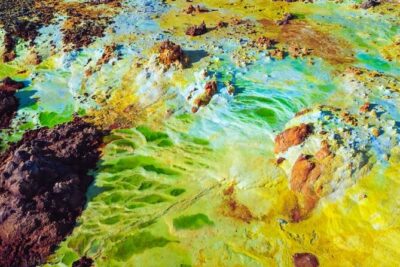
3 Day Danakil Depression Ertale and Dallol Tours
Read our review →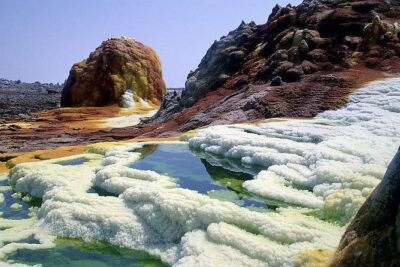
5 DAYS Lalibela, Axum, Tigray churches and Danakil
Read our review →3 Days Danakil Depression Tour from Semera City
Read our review →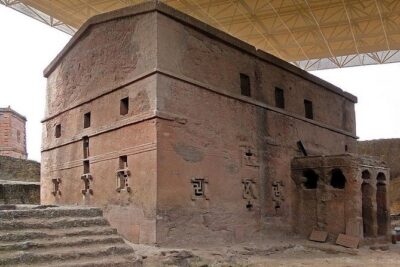
6 Days tour Package (Simien Mountains, Lalibela, and Danakil Depression)
Read our review →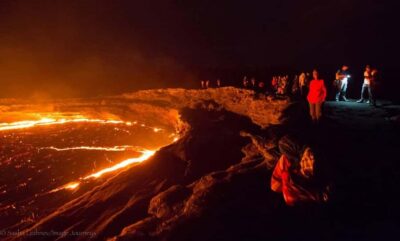
2-Night 3-Day Danakil Depression Tour without Flights
Read our review →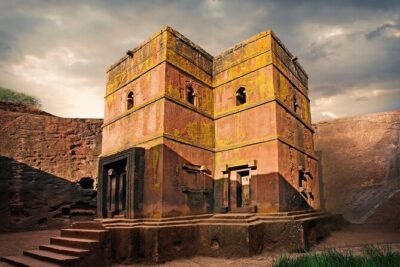
5 DAYS Axum, Lalibela, Tigray churches and Danakil
Read our review →Browse the lists this tour appears in