
Reviewed · MULTI-DAY ETHIOPIA TOURS
Arba Minch, Dorze Tribe, Konso, and Awasa Private 4 Days Tour from Addis Ababa
Southern Ethiopia is a sharp contrast to Addis Ababa, and that is what makes this 4-day private tour so interesting. You’ll move from ancient carved stelae at Tiya to living tribal cultures in Konso and the Dorze area, then wind down by Lake Awasa and the Abidjatta-Shalla lakes region.
I really like two things about this style of trip. First, it is a private loop with an air-conditioned Toyota minivan and an English-speaking guide, so you are not stuck waiting for other groups. Second, I love that you get the human side of Ethiopia too, not only viewpoints, including a real Ethiopian coffee ceremony and hands-on moments like watching fish come in at Awasa.
One consideration: the days are packed with driving and short visits, and some sights have admission fees that are not included, like Tiya and several wildlife and market stops. If you hate moving every day, you may find this rhythm tiring.
Why This 4-Day Loop Works So Well
- UNESCO in the same trip, two totally different flavors: Tiya’s carved grave stelae and Konso’s terrace villages.
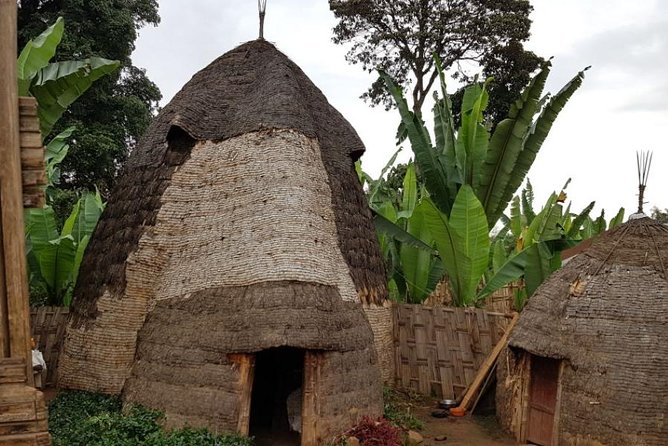
- Real cultural visits, not just photos: Dorze bamboo huts and Konso village life, plus interaction with local leadership.
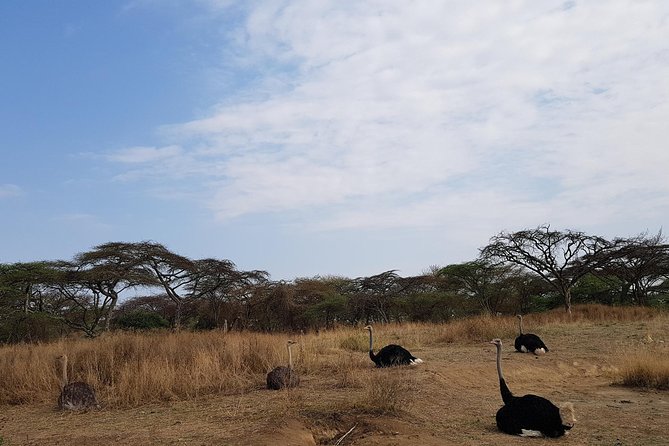
- A gentler wildlife day instead of a full trek: a walk in Abidjatta-Shalla National Park with chances to spot gazelles, warthogs, and ostriches.
- Awasa is built into the itinerary the right way: a sunset lakeside walk, then a fish market look at how locals eat and work.
- You get guide quality that matters: past groups praised English, safety, and a guide who adjusts to the day.
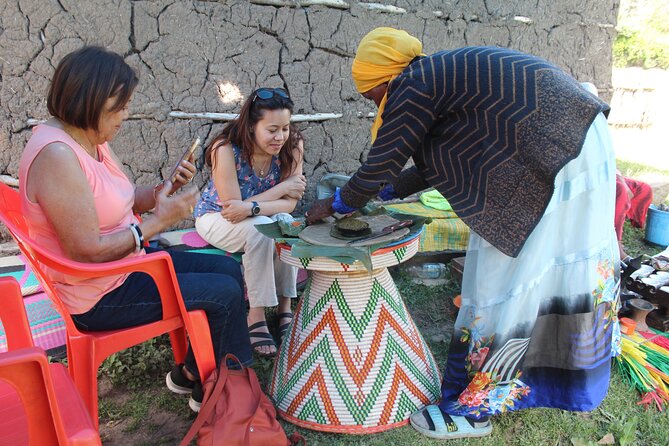
- Coffee is not an afterthought: it is scheduled, and it is part of the cultural flow.
Setting Off From Addis Ababa, With the Right Kind of Comfort
This is a private tour for your group, up to 6 people, with a professional English-speaking guide and a comfy Toyota minivan with air conditioning and seat belts. Pickup is offered, and the tour uses a mobile ticket, which usually means fewer hassles on arrival and transitions.
The big practical win here is mental bandwidth. Southern Ethiopia can feel like a blur when you’re figuring out local transport on your own. With a driver and guide handling routing, you can focus on what you actually came for: people, places, and those Rift Valley “wait, is that really a lake there?” moments.
It also matters that the tour includes bottled water and local snacks in the car. On long drive days, that small comfort keeps the trip feeling smoother instead of survival mode.
More Multi-Day Tours in Addis Ababa
- 6 Days Omo Valley Tribes Tours From Addis Ababa
★ 5.0 · 33 reviews - Danakil Depression and Lalibela 5 Days Tours
★ 5.0 · 28 reviews - 3 Days Omo Valley Tour
★ 5.0 · 24 reviews
Value and Price: What You’re Really Paying For
The price is $1,285 per group (up to 6), for about 4 days. That can sound high at first if you’re thinking per-person only. But you’re not booking a bus tour with strangers.
You’re paying for:
- Private transportation by air-conditioned minivan
- Guide services in English, plus local guides at key moments
- Included entry-related items where stated (coffee ceremony, and some fees/taxes overall)
- The time and logistics it takes to cover multiple remote cultural and natural sites
When you split the cost among 4 to 6 people, it becomes a lot more reasonable for what you get: a guided route that connects UNESCO heritage, tribal culture, and lakes without you managing every day’s transport.
Day 1 at Tiya and the Rift Valley Viewpoints Near Butajira
Your first day starts with Tiya World Heritage Site, the grave area famous for stelae. Expect around 40 stone markers decorated with carvings, erected in the 14th century AD. This is the kind of stop where you slow down, look closely, and realize Ethiopia has deep roots in stonework and meaning.
One practical note: admission for Tiya is not included, so budget for it if you’re trying to keep things tight.
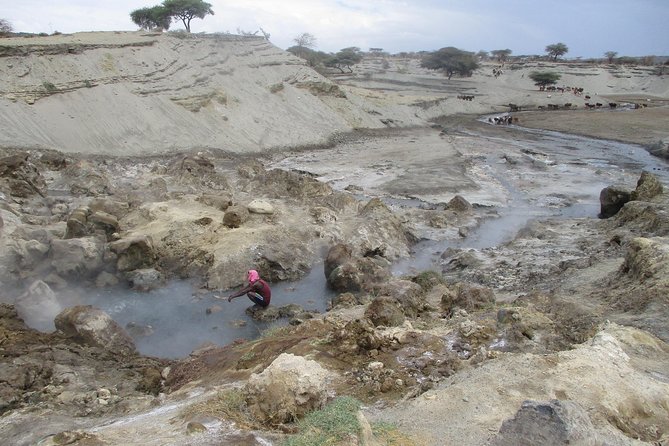
From there you head to Butajira, where you’ll also pass the circular Crater Lake Hare Sheitan, often called Devil’s Lake. Even when you are not going down to the water, the selected outlooks are worth it because the Ethiopian section of the Great East African Rift Valley is hard to ignore once the views open up. This is a good day for photos, yes, but also for just getting your bearings about how dramatically the land is shaped.
What to watch for: Day 1 is more about setting context than packing in wildlife. If you want instant “wow factor,” Butajira’s viewpoints usually deliver, but Tiya’s quieter power is different, and it gets better the more time you spend there.
Day 2 in Konso: Terrace Villages, Stone Fences, and a Living Community
Day 2 is all about Konso, and it’s one of the strongest cultural days on the route. You’ll drive from Arba Minch to Konso (or Karat-Konso) and visit villages known for colorful clothing, traditional masks and shields, and decorative feathers.
The UNESCO site here is the Konso Cultural Landscape, where terraced agriculture and village design create a distinctive pattern you can literally walk through. You’ll see architecturally inspiring villages fenced with huge stones and wooden ceremonial structures, plus the visual identity of hand-woven cotton costumes.
Here’s what makes this stop more than a quick walk-and-go:
- You don’t just see the terraces, you learn how the villages are organized
- You get cultural interpretation through a guide, not only a description board
- You meet local leadership
You’ll also meet the King of Konso, who governs the nine clans. Then there is time at the Konso Museum, which helps you connect what you saw in the villages to culture and history.
The admission tickets listed for Konso and museum time are free in this tour structure, which is a nice bonus for planning.
A small consideration: This day can feel like a lot of faces and movement in a short time. Pace yourself, and ask your guide what is most important for your interests, because Konso culture is complex and you will want a little focus so it lands, not just passes by.
Longer routes through Addis Ababa:
- 5 Days Omo Valley Tours
★ 5.0 · 15 reviews - Lalibela 3 Days/ 2 Nights Tour package
★ 5.0 · 13 reviews - 9 Days Tours To Danakil Depression, Simen MNP, Lalibela With Omo Valley Tribes
★ 5.0 · 11 reviews - 5 Days Tour to World Heritage-listed Harrar, Dire Dawa and Awash NATIONAL PARK
★ 4.5 · 10 reviews
Day 3: Dorze Bamboo Huts, Enset Bread, Shashamene’s Rastafarian Community, and Awasa Sunset
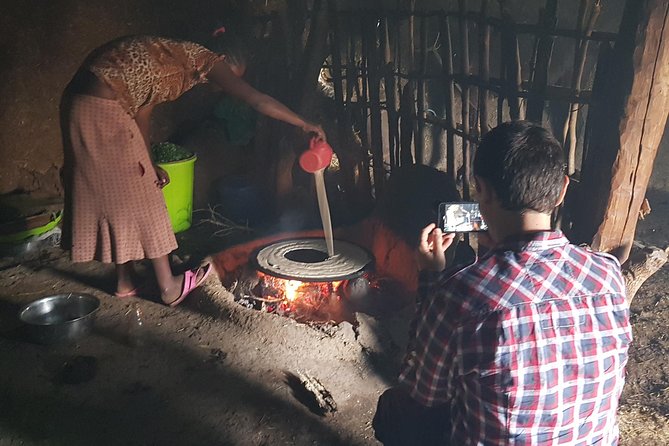
Day 3 starts with the Dorze Tribe area near Chencha. You’ll visit huge bamboo huts and learn how Dorze people prepare bread and porridge from the root of enset, often called false banana tree. If you’ve only heard of enset in passing, this is a chance to see how it supports everyday food and work.
The Dorze visit has admission not included, so again, plan for a small extra cost depending on what’s required that day.
Then the trip shifts north to Shashamene, with a stop that includes villages of the Alaba tribal area on the way. After lunch in Shashamene, you’ll learn about Rastafarianism by visiting the Jamaican Rastafarian community and their church.
This is one of those stops that can surprise people in a good way because it shows Ethiopia’s modern layers. It is not only ancient sites and tribal traditions. You also see how communities formed, how belief moved, and how culture expresses itself in a specific place.
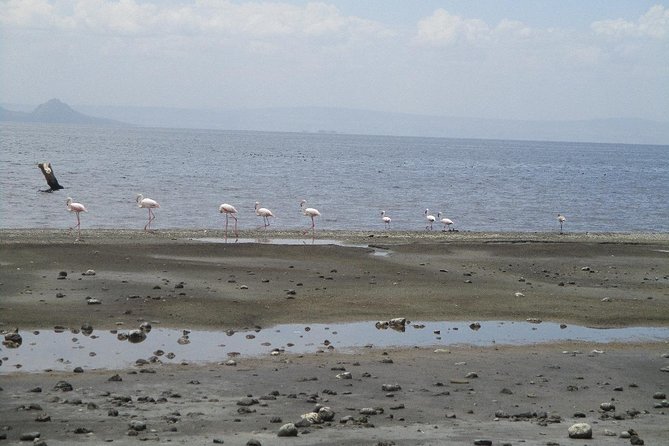
Finally, you reach Awasa for a lakeside evening. You’ll walk by the shores of Lake Awasa and catch the sunset, which is the best kind of ending to a busy day: simple, scenic, and slow enough to breathe.
Day 4: Awassa Fish Market, Abidjatta-Shalla Wildlife Walk, and the Lake Ziway Swimming Stop
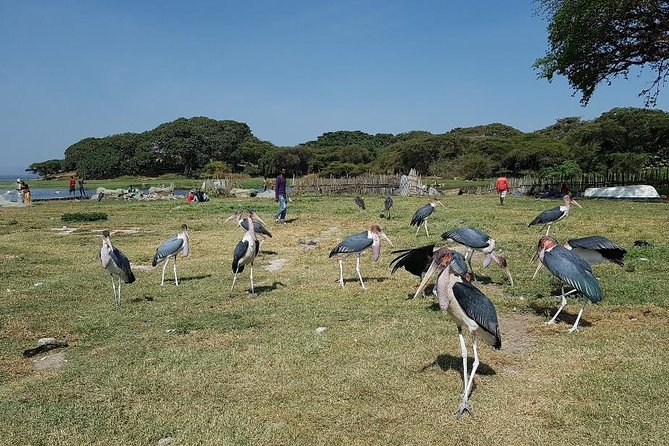
Day 4 begins at the Fish Market at Awassa Lake. This is practical travel in the best way, because it’s not staged. You’ll watch how locals collect fish by net, clean it by hand, and then enjoy their breakfast of fresh catch fish.
Admission here is not included, but even if you keep expectations simple, this stop gives you a real sense of how food reaches a table in this region.
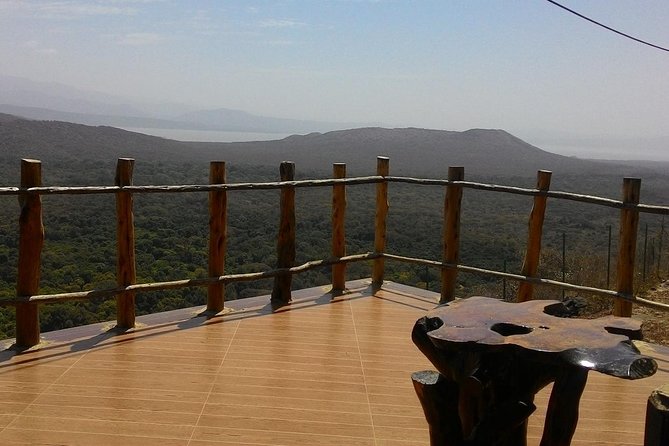
Next comes Abidjatta-Shalla National Park. You’ll take a gentle walking tour, designed for short, manageable time outside rather than a hard trek. You might see gazelles, warthogs, and ostriches. Then there’s a viewpoint where you can enjoy scenery over Lake Abijatta and Lake Shalla.
Admission is not included for this park walk, so factor that in if you’re tracking costs.
Then you go to Lake Ziway for lunch. This is a special point because the tour notes that Lake Ziway is the Rift Valley lake in Ethiopia free from bilharziasis and safe for swimming. If swimming is on your list, this is the stop that makes it realistic without guesswork.
On the way back to Addis Ababa, you’ll stop at Rift Valley Lake of Ziway again and also at one of the crater lakes of Bishoftu.
A real-life tip: Bring a light cover-up for changing if you plan to swim at Ziway. Even when the “safe to swim” point is clear, practical comfort helps you enjoy it instead of rushing it.
Coffee Ceremony: One Included Cultural Stop That Isn’t Just a Checkbox
One of the tour highlights is the Ethiopian coffee ceremony, and it is included. This is not listed as a quick tasting. It’s scheduled as part of the tour day flow, which usually means you can actually pay attention instead of being hurried.
In Ethiopia, coffee culture is social. I like that it breaks up the day’s driving and viewing with something you can experience slowly with your guide explaining what you’re seeing.
If you drink coffee, you’re in luck. If you don’t, it still helps to treat it as a cultural moment rather than a beverage stop.
Guide Quality, Safety, and the Human Touch
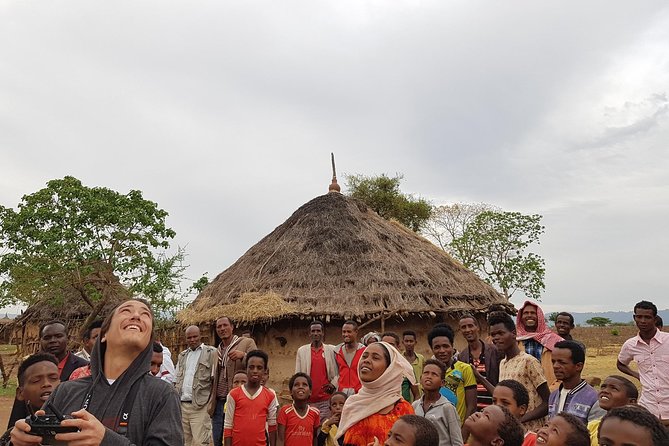
I can’t promise you will get a specific person, but the operator behind this experience has been praised for guide quality in previous trips. Names that came up include Muluken as a tour guide, with drivers like Belay and Fitsum praised for careful, safe driving and making people feel comfortable.
What I take from that is simple: the difference between an okay tour and a great one is often not the itinerary. It’s whether your guide can handle the day smoothly, explain what you’re seeing in real English, and keep you safe in traffic and transitions.
In this itinerary, the guide matters because you’re visiting places where context changes how you understand what you’re seeing, like Konso village structure and Dorze daily food preparation.
Packing and Practical Tips for Southern Ethiopia Weather and Visits
This tour includes a reminder that June, July, and August are rainy season. If you’re traveling in those months, plan for wet roads, muddy shoes, and weather that can change. Pack clothing you can layer and dry, and keep a small plastic bag for electronics.
There’s also a note about women expected to cover hairs when visiting Adadi Mariam Rock Church. That specific stop is not listed in the day-by-day section, but it is in the tour’s guidance. I’d take it seriously and bring a light scarf.
Finally, the tour notes you should have moderate physical fitness. That usually fits most visitors, but it does mean expect walking at markets and viewpoints, plus short park walking.
Where to Stay: Using the Tour’s Recommendations
Accommodations are not included, so you’ll book your own base. The guidance provided includes:
- Arba Minch: Paradise Lodge and Haile Resort
- Awasa: Lewi Resort and Haile Resort
I like having named options because southern Ethiopia lodging can vary in comfort and location. If you want fewer surprises, choose one of these and focus your energy on the tour itself.
Who This Tour Is Best For
This 4-day private tour is a great match if you:
- Want UNESCO sites plus living culture in a short time
- Prefer a private pace and an English-speaking guide
- Like photos, but also like learning how people live, eat, and organize communities
- Are open to a mix of ancient heritage and modern religious communities in Shashamene
It may be less ideal if you:
- Want only wildlife-heavy days
- Prefer long, slow stays in one place rather than multiple regions in four days
- Don’t want to budget extra for admission fees not included on several stops
Should You Book Arba Minch, Dorze, Konso, and Awasa? My Take
If you want a well-paced “southern Ethiopia highlights” trip that still feels personal, I think this one makes sense. The value is strongest when you’re traveling with a small group, because the private vehicle and guide time spread out the cost.
I’d book it if your main goal is to see how different parts of Ethiopia tell their stories, from Tiya’s carved stelae to Konso terraces, Dorze enset food traditions, Rastafarian church life in Shashamene, and the calm payoff of an Awasa sunset.
Skip or reconsider if you hate a tight schedule or you dislike paying extra for admission at multiple stops. Also, if you’re sensitive to rain season conditions, plan carefully in June to August.
FAQ
How long is the Arba Minch, Dorze, Konso, and Awasa private tour?
The tour is listed as approximately 4 days.
What is the price and group size?
It is $1,285 per group, with up to 6 people.
Do you get pickup and transportation with this tour?
Yes. Pickup is offered, and you travel in a private air-conditioned Toyota minivan with seat belts.
Is an English-speaking guide included?
Yes. The tour includes a professional informative English-speaking tour guide, along with local guides at key stops.
Is the Ethiopian coffee ceremony included?
Yes. The tour includes an Ethiopian coffee ceremony and coffee.
Which admissions are not included?
Admission is specifically noted as not included for Tiya, Dorze Village, Fish Market at Awassa Lake, and Abidjatta-Shalla National Park. Lake Ziway and Bishoftu crater lake stop includes admission.
Are meals and accommodations included?
No. Accommodations and meals are not included. Bottled water and local snacks are included in the car, and you’ll have lunch on tour days where noted (meals overall are not listed as included unless specifically stated).
FAQ
How should I handle rainy season?
The tour notes June, July, and August are rainy season. Come prepared with appropriate clothing for wet conditions.
Is the tour physically demanding?
The tour advises a moderate physical fitness level, since it includes walking portions at markets, viewpoints, and in the national park.
More 4-Day Experiences in Addis Ababa
- Omo Valley 4days 3nights Cultural Tour
★ 5.0 · 7 reviews - 4-Day Tour: Tigray Churches & Danakil Depression Adventure.
★ 5.0 · 11 reviews - 4 Days Trekking to Simien Mountain National Park
★ 5.0 · 7 reviews - Simien Mountains – 4 Days
★ 4.0 · 7 reviews
Newly reviewed in Addis Ababa
- Addis Ababa City Tour★ 4.5 · 3 reviews
- Full Day Addis Ababa City Tour with Hotel Pick Up And Drop Off★ 5.0 · 3 reviews
- 2 days trek around Lalibela★ 5.0 · 3 reviews
- Day Trip Around Addis Ababa★ 5.0 · 3 reviews
- Northern Ethiopia (Historic route)★ 5.0 · 3 reviews
- Day Tours around Addis Abeba, Melka Kunture and Adadi Mariam★ 5.0 · 3 reviews
- Addis Layover Tour of Mercato With Airport pick up & drop off★ 5.0 · 3 reviews
- Day Trip From Addis Ababa To Debre Ziet★ 5.0 · 3 reviews
Multi-Day Ethiopia Tours, compared.
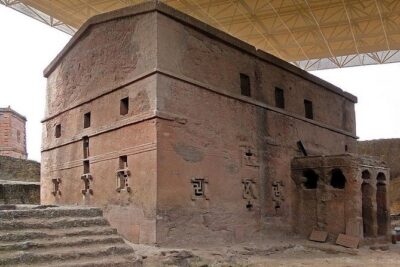
6 Days tour Package (Simien Mountains, Lalibela, and Danakil Depression)
Read our review →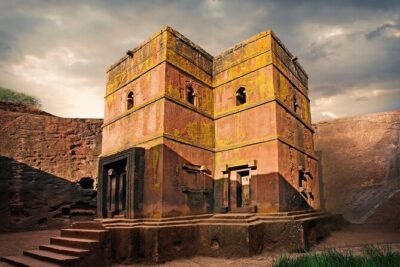
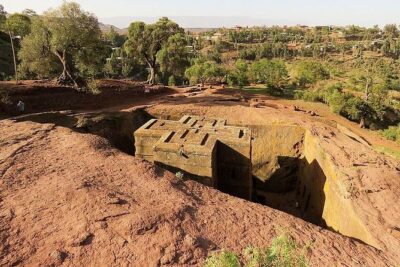

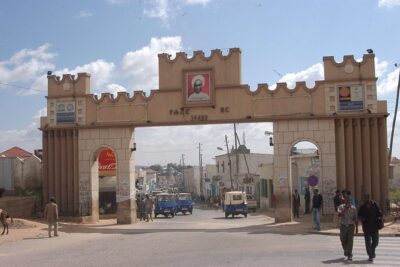
5 Days Tour to World Heritage-listed Harrar, Dire Dawa and Awash NATIONAL PARK
Read our review →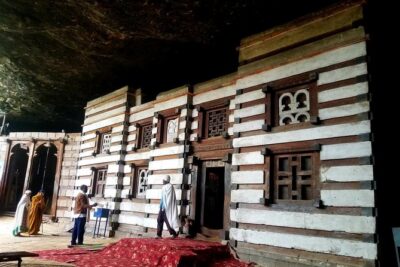
3 Days 2 nights Lalibela & Yemrehana Krestos seightseeeing tour
Read our review →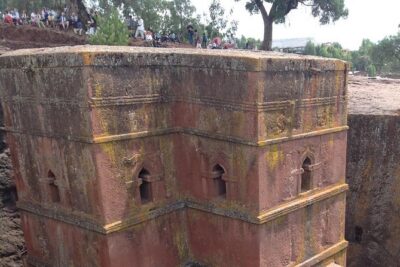
The Rock-Hewn Churches of Lalibela: 3 Days / 2 Nights
Read our review →
Trekking in Ethiopia’s Lalibela Wollo Highland 4 Days / 3 Nights
Read our review →Browse the lists this tour appears in