
Reviewed · OMO VALLEY TOURS
5 Days Omo Valley Tours
This 5-day Ethiopia route is interesting because it moves through the Southern region where daily life still ties closely to ethnic identity, farming, and community rituals. I like the way the plan focuses on meeting people in real villages rather than doing quick photo stops from a bus. I also like the small-group feel, capped at 15 people, so you can actually talk with your guide and ask questions.
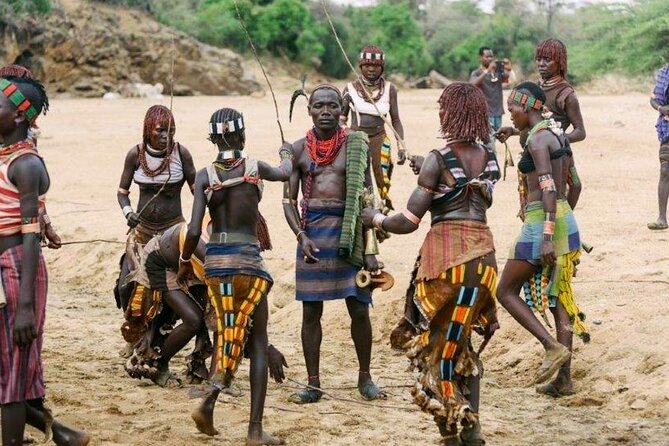
Two things I really like: the emphasis on cotton weaving and tribal crafts (Dorze) plus the chance to see body art and ceremonial life (Karo and Hamar). One possible drawback is that key moments like the Hamar bull jumping ceremony depend on timing, so you might not catch it on your exact day, and the domestic flights are not included in the $750 price.
Key highlights you should care about
- Up to 15 people, which usually means a calmer pace and less rushing at villages
- English-speaking guidance plus support from named staff such as Mickey, Abey, and Robel in past trips
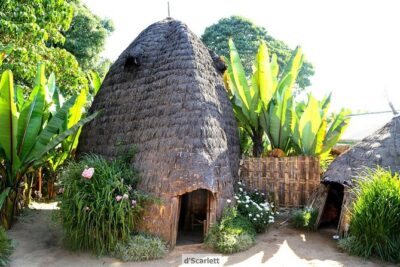
- Dorze cotton weaving and beehive-style houses on the Guge Mountain area
- UNESCO Konso village visit, including the Konso museum stop
- Omo River crossing by dugout canoe to reach Dassanech (Gelab) families
- Mursi women and lip plates at Mago National Park, one of Ethiopia’s best-known living traditions
Price and logistics for a 5-day Omo Valley plan
At $750 per person, this is not a budget-only tour, but it is built like a full service experience. What you are paying for is a package that includes an air-conditioned vehicle, an English-speaking guide, accommodation, and a lot of meals: breakfast 5 times, lunch 4 times, dinner 4 times. There are also entrance fees handled per the program, and government taxes.
The big “watch this” item is the domestic flight. The tour uses domestic flights between Addis Ababa and the South, but the domestic flight cost is not included in the base price. In practice, you should budget for those flights separately, and you can expect the operator to help manage the flow, especially because staff like Mickey have handled flight coordination on previous trips.
You also start with a concrete meeting point and timing: pickup starts at 9:00 am at Edna Mall (Cameroon St), Addis Ababa. That matters because Southern routes run on long driving days, and the schedule is tight enough that late starts can throw everything off.
More Multi-Day Tours in Addis Ababa
- 6 Days Omo Valley Tribes Tours From Addis Ababa
★ 5.0 · 33 reviews - Danakil Depression and Lalibela 5 Days Tours
★ 5.0 · 28 reviews - 3 Days Omo Valley Tour
★ 5.0 · 24 reviews
Day 1: Addis to Arba Minch, then the Dorze on Guge Mountain
Day 1 is a classic setup for this region: you leave Addis Ababa by domestic flight to Arba Minch, then settle in, and only then you start meeting communities. After you arrive in Arba Minch, you meet the driver and go to your accommodation. In the afternoon, the focus turns to the Dorze tribe, who live around the Guge Mountain area.
This is the part of the trip I’d put on your “slow down and look” list. You are not just seeing people standing in a dramatic setting. You are seeing beehive-shaped houses made from organic materials, and you’re watching or learning about cotton weaving techniques that Dorze are known for. It is one of the easiest places to understand that “culture” here is not a museum display. It is work, craft, and home life.
Your base for the night is at Paradise Lodge Turmi. That location choice is practical: by sleeping closer to Turmi, you avoid burning a whole extra day on back-and-forth driving.
Consideration: Day 1 often blends flight time, transfers, and afternoon village visits. You’ll want to keep your expectations realistic and plan to move with the day, not against it.
Day 2: Konso UNESCO village, the Konso museum, then on to Turmi
On Day 2 you drive toward Konso, a UNESCO World Heritage area known for settlement patterns and terraced hillsides. The schedule is built in two driving chunks: you cover about 90 km to Konso, then later continue another long push toward Turmi.
You visit the Konso village and also stop at the Konso museum. This museum stop is useful because it gives you a framework for what you are seeing in the village. Without that context, you might only notice the terraces and woven goods. With it, you’re better able to understand how the Konso community shapes land and daily life.
Then the trip keeps moving to Turmi, the region where the Hamar live nearby. Along the way, you stop for the Arbore tribe visit. That matters because it breaks up the long driving day with another cultural contact, instead of turning the day into nonstop road time.
You overnight at Buska Lodge. Based on past experiences, the lodging level here tends to be comfortable enough for what you need after a travel day, and the inclusion of accommodation means you are not constantly negotiating what to do after dark.
Practical note: Konso to Turmi involves significant time in the vehicle. If you get stiff from long drives, ask your guide what breaks to expect, and plan hydration like it is part of the itinerary.
Day 3: Karo face and body painting, coffee ceremonies, and Hamar market timing
Day 3 is where the tour becomes more about faces, rituals, and community rhythm. After breakfast you drive about 62 km west to meet the Karo (Kara) tribe, who are known for elaborate face and body painting.
You also get a traditional coffee ceremony with a Karo family in Korcho Village. I like this stop because it is not only visual. Coffee is social here, so you have a structured moment to slow down, talk, and watch rather than just take photos and keep moving.
Back in Turmi for lunch, the day opens up around market timing and village visits. You may have a chance to visit the Hamar tribal market on a specific schedule:
- Monday or Thursday around the Turmi area
- Saturday at Dimeka
Then in the late afternoon, around 5:30 pm, you visit a Hamar traditional village and enjoy a coffee ceremony in a traditional house. And yes, there is a possibility of seeing the Hamar bull jumping ceremony if it is available during your visit.
That last part is the real “fine print.” In a culture like this, ceremonies follow local timing, and access depends on what is happening that week. On some trips you catch it, on others you do not. The good news is that even without bull jumping, the Hamar village and market experience still give you a strong feel for the community.
Tip: If you want photos, bring patience more than gear. You will have better results when you slow down, ask your guide what is appropriate, and accept that people may not want to be treated like a backdrop.
Other journeys down to the lower Omo:
- Danakil Depression, Lalibela, Omo Valley and Simien Mountains
★ 5.0 · 23 reviews - 6 Days Lalibela, Omo Valley and Harar
★ 5.0 · 15 reviews - Private Omo Valley Tours From Addis Ababa
★ 5.0 · 12 reviews - 9 Days Tours To Danakil Depression, Simen MNP, Lalibela With Omo Valley Tribes
★ 5.0 · 11 reviews
Day 4: Omo River canoe crossing to Dassanech, then Jinka and Ari village
Day 4 is a long but rewarding day because it adds a physical change in scenery, and that helps you understand distance in this region. You drive about 75 km south to meet the Dassanech (Gelab) tribe near the Omo River.
The signature moment is crossing the river using a traditional dugout wooden canoe, then walking about 10 minutes to reach the village. This is one of the best ways to understand that “getting there” is part of the story. The village is not placed for easy access. You arrive through a local route.
In the village, you interact with people and visit a family house. This is where the experience feels most grounded. You are not just hearing about traditions. You are seeing homes, routines, and the way people manage daily life along the river.
After that, you return to Turmi for lunch and then continue about 130 km to Jinka. Along the way, the tour may include markets depending on the day. You might visit a market of the Hamar or Banna in towns like Demeka, Aldubba, or Keyafer on market days: Monday, Tuesday, Thursday, or Saturday.
Finally, you visit an Ari tribe village and head to your lodge in Jinka. That “two villages on one day” approach is common here, but it can feel full. Still, if you are the type of person who enjoys meeting multiple cultures on one trip, this day delivers.
Consideration: Day 4 is about travel time plus village time. You will get the best experience if you treat it like a marathon, not a sprint.
Day 5: Mago National Park and the Mursi lip plate tradition, then Addis and a welfare dinner
Day 5 focuses on one of the most recognizable traditions in the region: the Mursi in and around Mago National Park. After breakfast, you enter the park to visit Mursi villages.
The highlight is the tradition of lip plates worn by Mursi women. The origin of the practice is not clearly known, but what matters on this visit is how the Mursi themselves understand it: as a marker that helps them distinguish themselves from surrounding communities.
This is also where your guide’s role becomes practical. You need clear boundaries, respectful behavior, and help understanding what photography is and is not okay in the moment. A well-run guide keeps the interaction human and safe, not transactional.
In the afternoon you transfer to the airport and fly back to Addis Ababa. If your schedule allows, there can be final shopping at a souvenir shop. Then in the evening there is a welfare dinner at a traditional restaurant with folkloric dance.
What I like about the ending: you finish with something social and structured. After days of village visits and long drives, that kind of closing meal helps you decompress.
What makes the guides and pacing matter here
This tour is built for culture contact, but how it feels depends heavily on your guide and driver. Past trips highlight a few names repeatedly, including Mickey as tour manager, with Abey as a local guide on some departures and Robel mentioned as part of the crew. The consistent theme is not just “speaks English,” it is the extra care: being proactive, making sure the group knows what is happening next, and helping you navigate timing when ceremonies or markets depend on the week.
You also get good pre-trip communication. One helpful detail from prior experiences is that setup is handled with clear messaging by WhatsApp before the tour. That helps a lot when you are traveling to remote areas where questions pop up fast, like what to pack, when to be ready, and how to handle flight day nerves.
The group size cap also matters. At maximum 15 people, you avoid the worst version of cultural tourism, where you are constantly waiting your turn for a quick photo. You can ask questions, and the guide can manage time without steamrolling every stop.
Practical tips so your Omo Valley visit feels respectful and fun
Here is how I would prep if you want this tour to feel rewarding instead of chaotic.
Wear and bring basics for heat and dust. Southern Ethiopia travel involves long drives and outdoor village time. Lightweight clothing helps. Also plan for sun, even if the sky looks forgiving that morning.
Plan your photo mindset. These are living communities. Treat your camera like a tool, not a trophy. Follow your guide’s cues on when to take photos and when to put the camera away.
Budget your energy. The days mix flights, road time, and village visits. If you go in expecting everything to feel leisurely, you will get tired. If you go in expecting a full itinerary, you will enjoy the rhythm.
Use your guide for context. Ask questions about weaving, house shapes, markets, and coffee ceremonies. You will learn faster when you connect what you see to what the local people say it means.
Finally, keep your expectations flexible. You may see the Hamar bull jumping ceremony if it is available, but you should treat it as a bonus, not a guaranteed “must-see.”
Who this tour is best for, and who should think twice
This is a strong fit if you love human-scale travel. If you enjoy meeting people, watching crafts like Dorze cotton weaving, and you want to understand how different groups live across the same Southern region, you will likely feel satisfied.
It is also a decent fit for families only if your group can handle long driving days and early starts. One past family experience included very young kids, and the tour was still described as well organized and smooth. Still, you should think carefully about stroller use and nap timing because the schedule involves multiple transfers and village walks.
Who should think twice? If you prefer strictly comfortable, slow-paced trips with minimal uncertainty, this may feel too “live.” The tour’s strength is real access, and real access comes with timing changes, variable ceremony schedules, and long travel days.
Should you book 5 Days Omo Valley Tours?
If you are aiming for value and you want a compact plan that hits major cultural stops in the Omo Valley region, this is a solid choice. The price works best when you use what is included, like guide support, meals, and lodging, and when you budget separately for the domestic flight.
I would book if you are excited by craft and community life, not only by photos. I would hesitate if seeing a specific ceremony is your top priority, or if you dislike long road days.
If you do book, do one smart thing before departure: message your operator and confirm domestic flight arrangements for your dates, then pack like you are traveling for village days, not city days.
FAQ
Where does this tour start in Addis Ababa?
It starts at Edna Mall on Cameroon St in Addis Ababa. The tour also ends back at the meeting point.
What time does the tour start?
The start time is 9:00 am.
Is pickup included?
Yes, pickup is offered.
Is the domestic flight included in the $750 price?
No. Domestic flight is listed as not included.
What meals are included during the 5 days?
The tour includes breakfast (5), lunch (4), and dinner (4).
How many people can be on the tour?
This tour has a maximum of 15 travelers.
Can I cancel and get a full refund?
Yes. Free cancellation is available up to 24 hours in advance of the experience start time for a full refund.
More 5-Day Experiences in Addis Ababa
- 5 DAYS Lalibela, Axum, Tigray churches and Danakil
★ 5.0 · 34 reviews - 5 Days North Ethiopia Tours
★ 5.0 · 23 reviews - 5 DAYS Axum, Lalibela, Tigray churches and Danakil
★ 4.5 · 22 reviews - 5 Days Lalibela-Danakil Tour
★ 4.5 · 11 reviews
Longer Routes Through Addis Ababa
- Lalibela 3 Days/ 2 Nights Tour package
★ 5.0 · 13 reviews - 5 Days Tour to World Heritage-listed Harrar, Dire Dawa and Awash NATIONAL PARK
★ 4.5 · 10 reviews - 5 days Omo valley
★ 5.0 · 9 reviews - 5 Days Omo Valley Tribal Tours
★ 5.0 · 7 reviews
Newly reviewed in Addis Ababa
- Addis Ababa City Tour★ 4.5 · 3 reviews
- Full Day Addis Ababa City Tour with Hotel Pick Up And Drop Off★ 5.0 · 3 reviews
- 2 days trek around Lalibela★ 5.0 · 3 reviews
- Day Trip Around Addis Ababa★ 5.0 · 3 reviews
- Northern Ethiopia (Historic route)★ 5.0 · 3 reviews
- Addis Layover Tour of Mercato With Airport pick up & drop off★ 5.0 · 3 reviews
- Day Tours around Addis Abeba, Melka Kunture and Adadi Mariam★ 5.0 · 3 reviews
- Day Trip From Addis Ababa To Debre Ziet★ 5.0 · 3 reviews
Omo Valley Tours, compared.
6 Days Omo Valley Tribes Tours From Addis Ababa
Read our review →
Lalibela, Axum, Danakil and Omo Valley 8 DAYS
Read our review →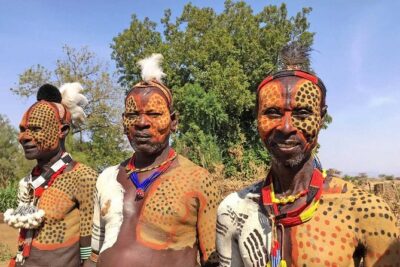
Danakil Depression, Lalibela, Omo Valley and Simien Mountains
Read our review →


9 Days Tours To Danakil Depression, Simen MNP, Lalibela With Omo Valley Tribes
Read our review →
5 Day Private tour to the Omo Valley Tribes and Adventure Tour
Read our review →Browse the lists this tour appears in