
Reviewed · OMO VALLEY TOURS
From Jinka: Omo Valley Tribe 3-Day Tour
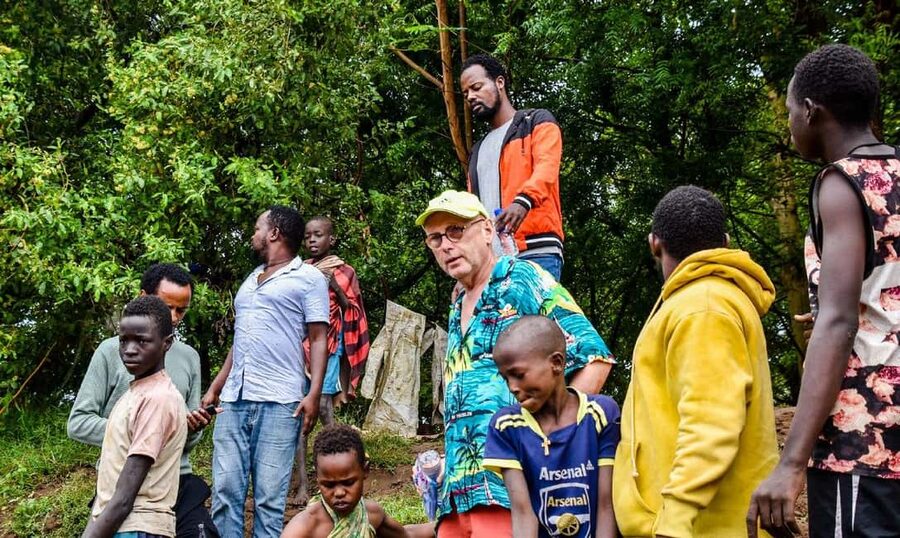
This tour is interesting because the Omo Valley is one of Ethiopia’s most visible culture crossroads, and you spend real time in villages where everyday life is the main event. Expect encounters like Mursi women with lip plates and Karo boys with ash-painted faces, plus a look at how people live, trade, and celebrate day to day.
I love two things here. First, I like the professional guide approach, because the explanations help you understand what you’re seeing instead of treating it as a photo stop. Second, I like the mix of culture and practical local life, especially the chance to shop at Omo Valley weekday markets.
One possible drawback to plan around: the tour is not suitable for people with insect allergies, since you’ll be spending time outdoors in rural areas.
Key Highlights That Matter
- UNESCO World Heritage setting: Mago and Omo Parks inside Omo National Park
- Direct cultural encounters: village visits where traditions are part of daily routines
- Weekday market shopping: buy goods while locals trade on schedule
- Photo and craft realism: a camera is encouraged, with optional video and photo fees not included
- Car with driver plus scout and entrance fees: fewer logistics headaches in a remote region
Entering the Omo Valley: What You’re Really Signing Up For
If you like your travel days to have purpose, this is a strong pick. You’re not just passing through Ethiopia’s southwest. Over three days from Jinka, you’ll meet indigenous Omo Valley tribes, see village routines up close, and then shift to the day-to-day economy at local weekday markets.
The Omo Valley experience works best when you approach it with patience. Village visits mean slow, human time. You’ll often be looking at small details, not just sweeping scenes. And the cultures here are not a theme park. They’re lived-in.
The tour also ties culture to a specific natural destination. You’ll visit Mago and Omo Parks in Omo National Park, which is registered as a UNESCO World Heritage Site. That matters because it turns the trip into more than just meetings. You also get to move through a landscape shaped by conservation and remote geography.
Other journeys down to the lower Omo:
- From Arba Minch: 4-Day Omo Valley Tribal Guided Tour
★ 5.0 · 5 reviews - Omo valley Tour: Discover unique 0 century 🕛 tribes culture
★ 5.0 · 4 reviews
How the 3 Days Typically Flow, Without the Guesswork
The tour is built around three main activities: village visits, weekday market time, and park time in the UNESCO Omo National Park area. The exact day-by-day timing can vary, but the structure stays the same: culture first, commerce and daily life next, then natural scenery in the parks.
What you can count on is a guided approach, with a professional guide and a car with driver. That combination is key in this part of Ethiopia. Distances can be long, and the route can be slow. A good guide also helps you understand what’s appropriate to photograph and how to ask when needed.
You’ll also have a hotel with breakfast included. That’s not a luxury promise, but it does help you reset your day. After hours on the road and standing outdoors for village interactions, you’ll want a real place to sleep and eat.
Village Visits: Meeting People, Not Collecting Souvenirs
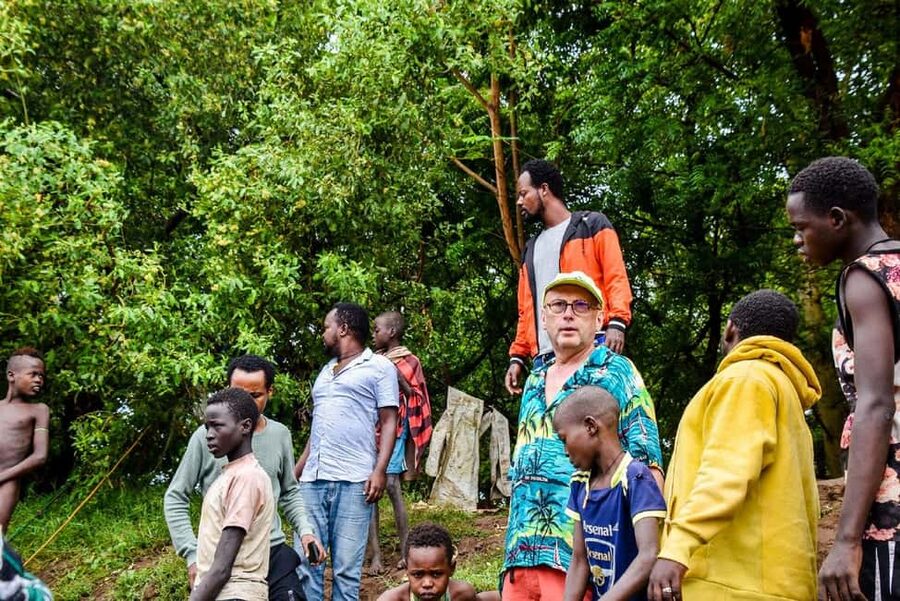
This is the core of the experience. The tour’s highlight list points clearly to friendly interactions in tribal villages across the Omo Valley. In practice, that means you’ll spend time in places where visitors are noticed, conversations can be unpredictable, and photos are not automatic.
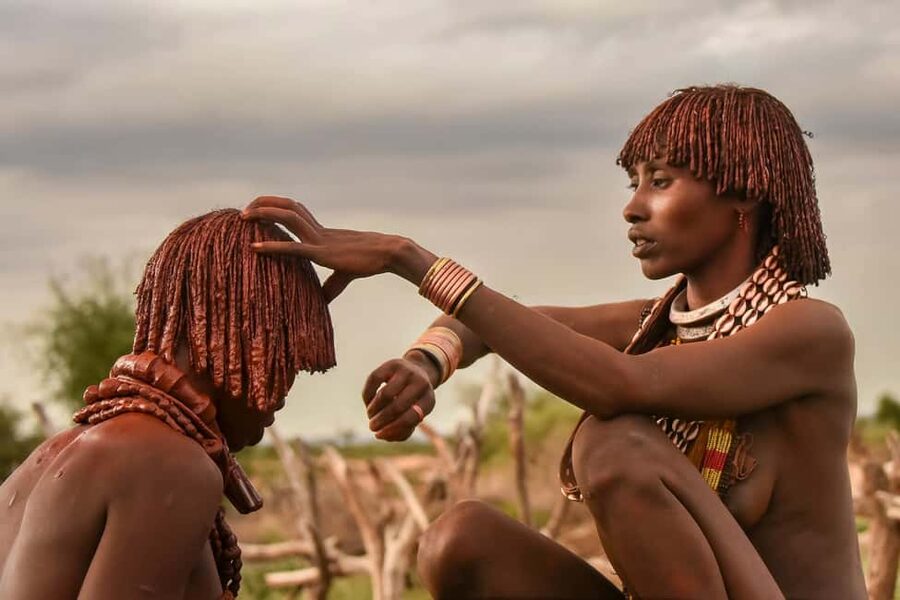
The tour information specifically calls out moments like lip plate-wearing Mursi women and young Karo boys with ash-painted faces. Those details matter because they set expectations. You’re not hunting generic “tribal style.” You’re seeing specific cultural practices that have meaning inside the community.
A few practical ways to make this work well for you:
- Bring a camera ready, but keep it respectful. If someone doesn’t want a photo, you move on.
- Pack cash, since you may want to buy small items at markets or through village interactions. The tour lists cash as what to bring.
- Add binoculars if you enjoy observation. They’re on the recommended list, and you’ll appreciate them when viewing from roadside stops or open areas.
One more reality check. This tour is not listed as suitable for people without experience. That doesn’t mean it’s dangerous, it means the trip expects you to be comfortable with field conditions, long travel, and cultural settings that do not work like a city tour.
Weekday Markets: Shopping Where Trading Is the Schedule
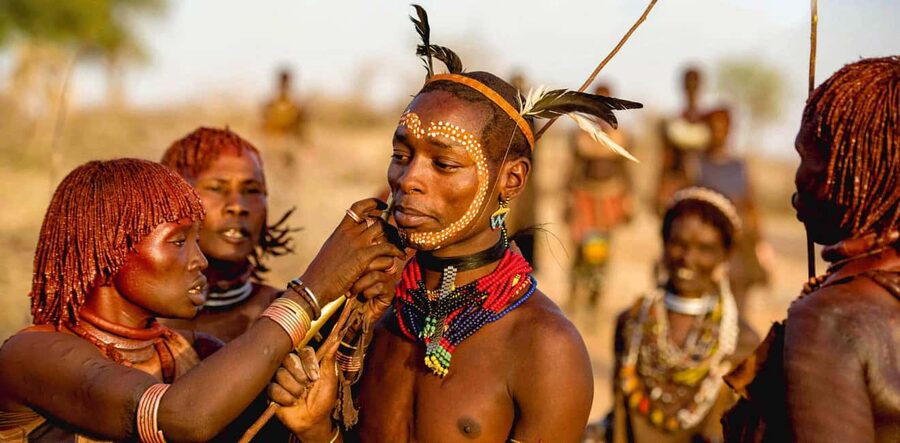
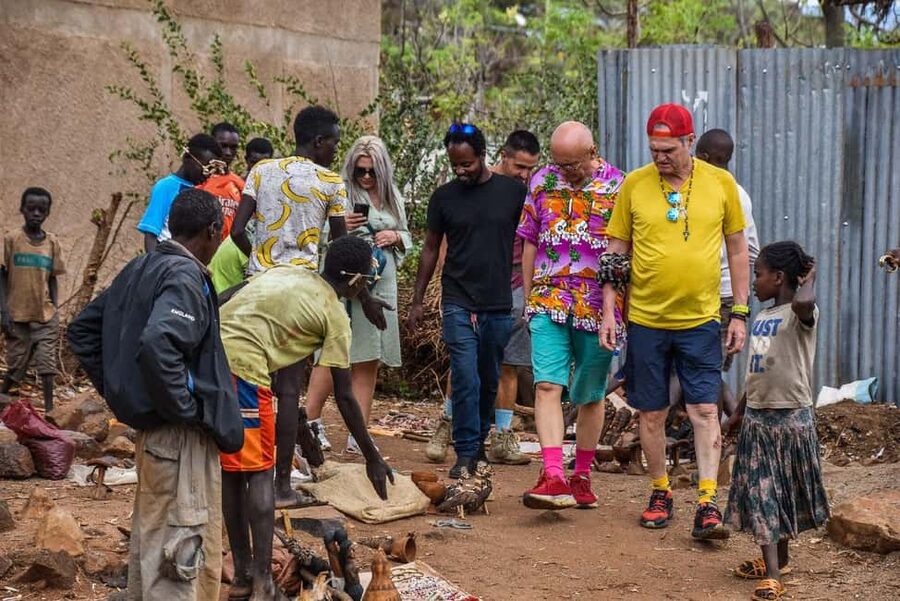
The trip includes shopping in the local markets of the Omo Valley on weekday markets. That detail might look minor, but it’s often the difference between a staged cultural experience and one that feels like daily life.
Markets are where you see what people need and what they value today. You might find handmade items, local goods, and the kind of everyday trade that doesn’t happen at festivals. Since the tour includes market time, you’re not forced to hunt for shopping later on your own.
I like weekday market stops because they feel grounded. Festivals can be intense and short. Markets are continuous. You also tend to get more chances to interact, ask questions, and browse without the pressure of a scheduled ceremony.
A note on spending: lunch and dinner are not included, and video and photograph fees are not included. That doesn’t stop you from buying small things, but it does mean you should budget with flexibility and bring enough cash to handle everyday needs.
The UNESCO Factor: Mago and Omo Parks in Omo National Park
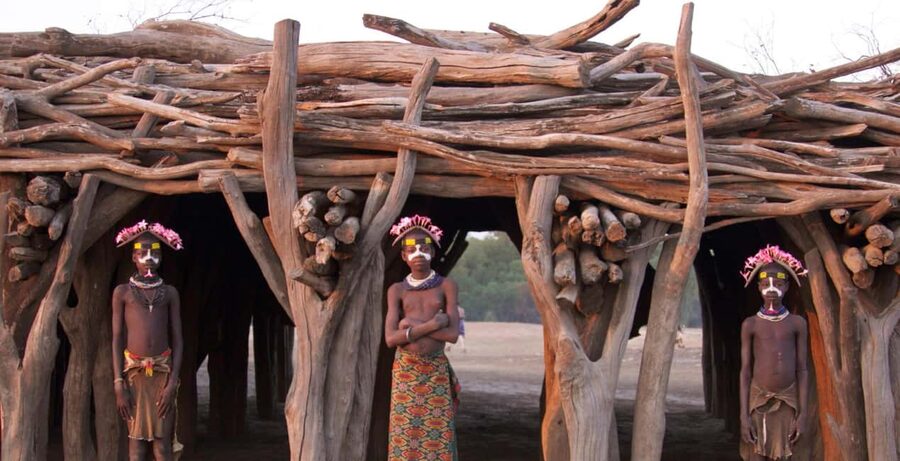
The tour includes Mago and Omo Parks as part of Omo National Park, which is listed as a UNESCO heritage site. That UNESCO label is more than a sticker. It’s a sign that the area has globally significant natural value and a reason for protection.
In practical terms for you, park time gives you breathing room after village visits. It also changes the pace. Instead of people-to-people interactions, you shift to observation of the wider region: vegetation, weather, and the sense of remoteness that defines southwestern Ethiopia.
Even if you’re mainly there for culture, park visits help your overall trip feel complete. They prevent the itinerary from turning into one long string of encounters. It also gives you a chance to slow down, take photos for the right reasons, and enjoy the physical scale of the area.
Because the tour includes entrance and scout fees, you can expect the park segment to be handled through the local system, not as an improvised roadside stop.
Comfort, Food, and Daily Logistics You’ll Want to Plan For
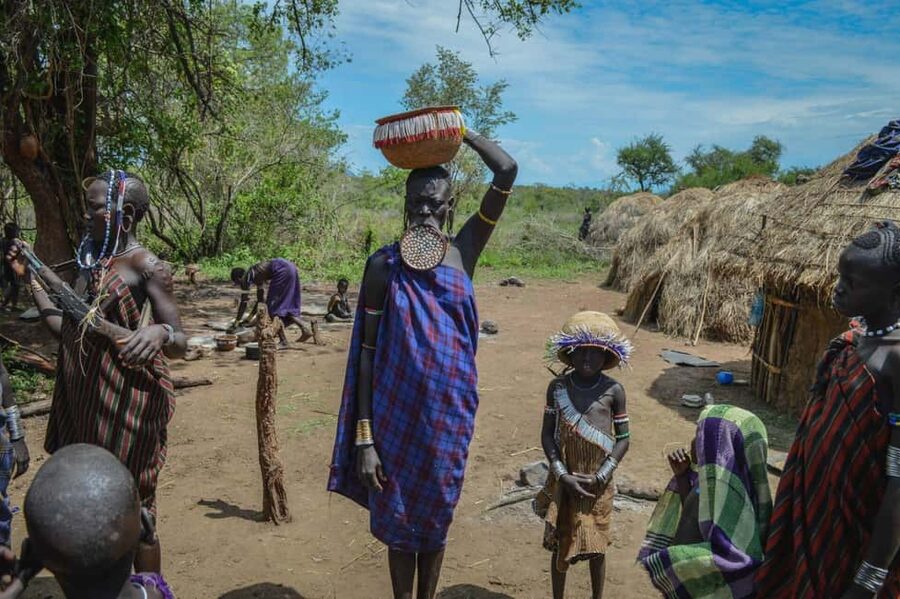
Here’s what you should expect day to day, based on what the tour includes and excludes.
Included:
- Hotel with breakfast
- Entrance and scout fees
- Professional guide
- Car with driver
Not included:
- Lunch and dinner
- Alcohol drinks
- Video and photograph fee
- Domestic flights
- Entrance fee to any cultural festival or ceremony
That list shapes how you pack and how you manage hunger. Breakfast is covered, but you’ll need to budget for meals later. In remote regions, meal options can be limited, so having a plan with your guide helps. If you’re the type who travels with snacks, this is a situation where that habit earns its keep.
Alcohol is also flagged as not allowed. That’s worth respecting. The tour lists alcohol and drugs as not allowed. So keep your mindset focused on the experience itself, not on party vibes.
What about clothes and field comfort? You don’t get specific clothing guidance in the details, but the best move is to dress for outdoor time and heat. Bring items that handle long days, dust, and changing conditions.
The $900 Price: What You Get, and Where It Can Feel Tight
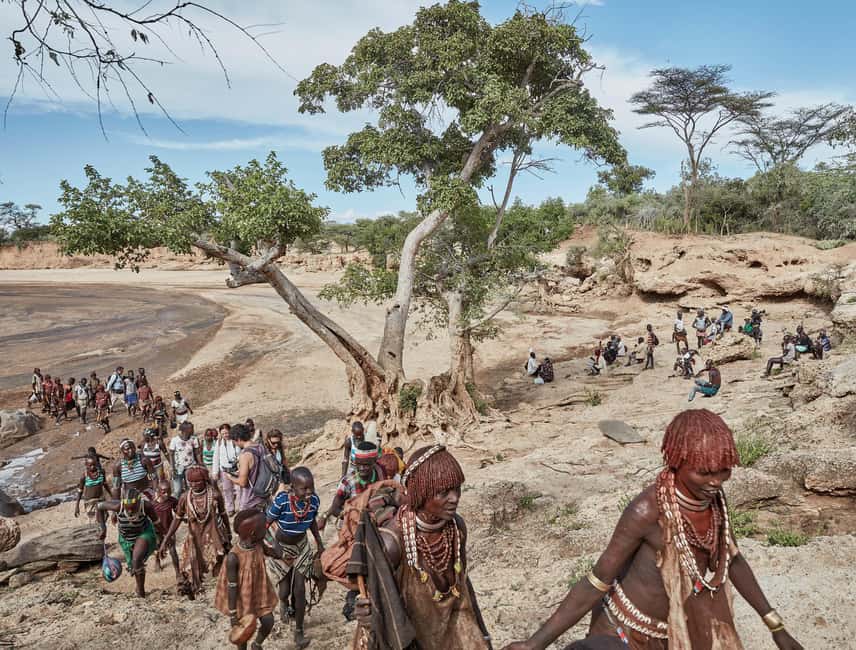
At $900 per person, this is not a budget trip. But it also isn’t just paying for views. You’re paying for access, guidance, and the costs that usually pile up in remote regions.
Here’s how the value math looks:
- You’re getting a car with driver and a professional guide, which removes a big chunk of logistics stress.
- The tour includes entrance and scout fees, which many travelers underestimate until they’re hit with them on the ground.
- You have hotel with breakfast included, which helps keep the trip sustainable.
What can make the total cost creep up:
- Lunch and dinner are not included.
- Video and photograph fees are not included.
- If you decide to attend any cultural festival or ceremony, entrance fees are not included.
- Domestic flights are not included, and you’ll need flight details provided to the operator.
If you want this to feel like a fair deal, plan to spend extra on food and any optional photo or festival elements. If you stick to the included core and budget for meals, the price feels more reasonable, because you’re not trying to DIY access.
Also, there’s a helpful option to keep flexibility: Reserve & Pay Later means you can book your spot and pay nothing today. That can lower decision pressure if your flights are still firming up.
Practical Prep: What to Bring (and What to Leave Out)
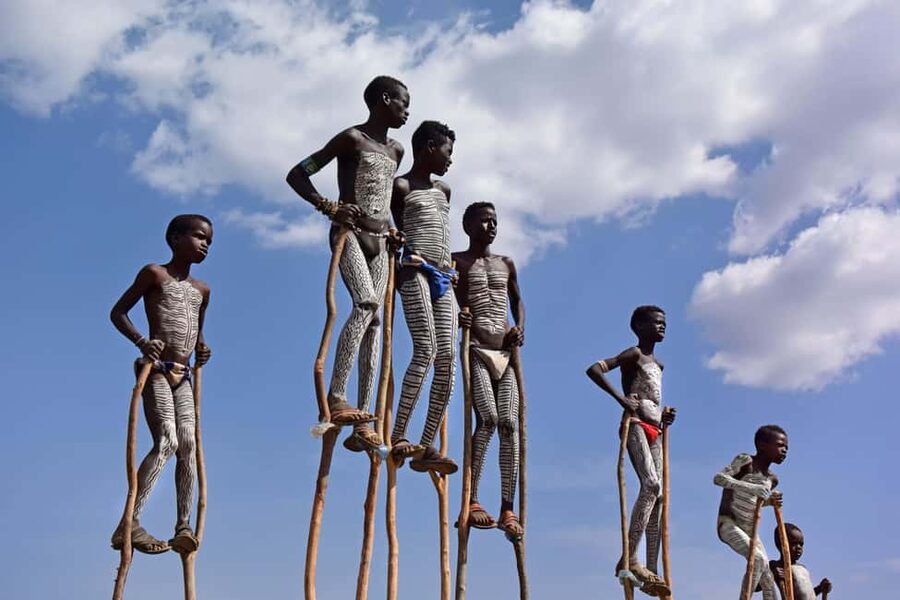
The tour gives clear packing targets, so use them.
Bring:
- Passport
- Camera
- Cash
- Binoculars
Also helpful in your mental checklist:
- Your guide will be managing the flow, but you are responsible for having documents and money ready when you need them.
- Your camera plans should include spare batteries if you’re shooting a lot of village interactions and park scenes.
Not allowed:
- Alcohol and drugs
And one more “know before you go” item that matters: please provide flight details. If you’re planning international travel, you’ll want your domestic timing pinned down so the transfer plan doesn’t turn into a scramble.
Who Should Book This Tour, and Who Should Skip It
This is a culture-and-nature trip that fits travelers who like direct experiences and can handle field conditions. The tour is not suitable for:
- Wheelchair users
- People without experience
- People with pre-existing medical conditions
- Babies under 1 year
- People with insect allergies
So who should go?
- You’re a good match if you feel comfortable spending long hours in rural settings.
- You enjoy photo opportunities, but you also care about learning and not just shooting.
- You want both people-to-people encounters and a UNESCO-linked park visit, not only one or the other.
If you’re traveling with limited tolerance for heat, insects, or unpredictable outdoor time, you may want to reconsider. The tour’s “not suitable” notes are there for a reason.
Booking With Aman Ethiopia Tour & Travel: What to Expect From the Provider
The experience provider listed is Aman Ethiopia Tour & Travel. A key theme from the kind of feedback this operator earns is strong organization and a feeling of personalization. In plain terms, the operator handles details like transportation and local timing so you can focus on the experience.
The tour information also lists languages supported: French, Italian, Spanish, Portuguese. If you’re traveling in one of those languages, that can make village conversations and guide explanations more satisfying.
The tour is rated 5 with multiple reviews, which is a good sign for consistent execution. Just remember that Omo Valley travel has natural variability. What matters most is having a guide who can explain what you’re seeing and keep the day moving safely.
Should You Book the Jinka Omo Valley Tribe 3-Day Tour?
Book it if you want a structured way to experience Omo Valley village life, shop local weekday markets, and still get UNESCO-linked park time. This is the kind of trip where paying for a professional guide and the access fees makes sense, because you’re not just “touring,” you’re navigating a remote cultural region.
Don’t book it if insect allergies, medical limits, or mobility needs are factors. The tour’s suitability notes are clear, and it’s better to match your trip to your health reality than to hope conditions will be forgiving.
If you’re excited by specific cultural details like Mursi lip plates and Karo ash-painted faces, and you want a guide who can help you understand the meaning behind what you’re seeing, this $900, three-day format can be a smart choice.
More 3-Day Experiences in Jinka
- 3 Day Danakil Depression Ertale and Dallol Tours
★ 5.0 · 44 reviews - 3 Days Dankile Depression group Tours
★ 5.0 · 40 reviews - 3 Days Danakil Depression Tour from Semera City
★ 4.7 · 34 reviews - 2-Night 3-Day Danakil Depression Tour without Flights
★ 4.8 · 31 reviews
Newly reviewed in Jinka
- Omo valley Tour: Discover unique 0 century 🕛 tribes culture★ 5.0 · 4 reviews
- From Arba Minch: 4-Day Omo Valley Tribal Guided Tour★ 5.0 · 5 reviews
Omo Valley Tours, compared.
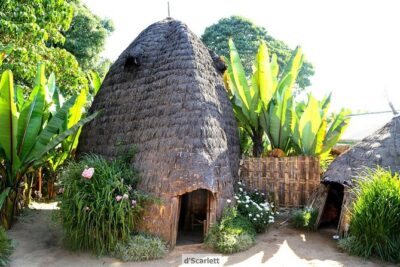
6 Days Omo Valley Tribes Tours From Addis Ababa
Read our review →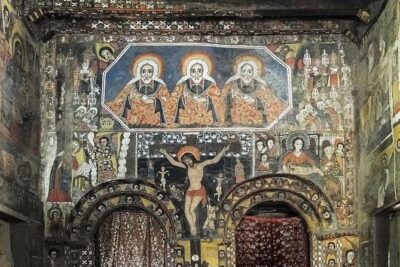
Lalibela, Axum, Danakil and Omo Valley 8 DAYS
Read our review →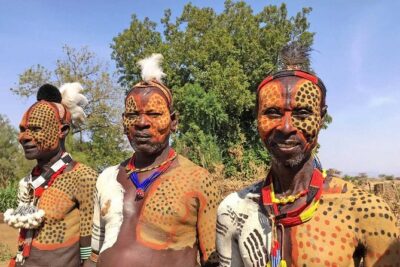
Danakil Depression, Lalibela, Omo Valley and Simien Mountains
Read our review →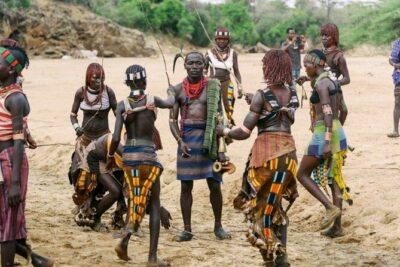


9 Days Tours To Danakil Depression, Simen MNP, Lalibela With Omo Valley Tribes
Read our review →Browse the lists this tour appears in