

Reviewed · OMO VALLEY TOURS
Omo valley Tour: Discover unique 0 century 🕛 tribes culture
Omo Valley tours are interesting because you are not just looking at culture from the roadside. You are meeting communities where traditions still shape daily life, from body art to weekly markets, and you do it while moving through some of Ethiopia’s wildest places.
I like the focus on real tribe visits with English-speaking guide Kali, not just quick photo stops. I also like how the trip is paced so you can actually watch key moments, like the Hamer bull-jumping ceremony on Day 1 and the Saturday Dimeka market on Day 2.
One consideration before you book: some cultural practices can feel intense if you are sensitive to ceremonies and body modification. This tour also notes it is not suitable for pregnant women, so it is worth thinking carefully about comfort and logistics.
Key highlights worth planning around
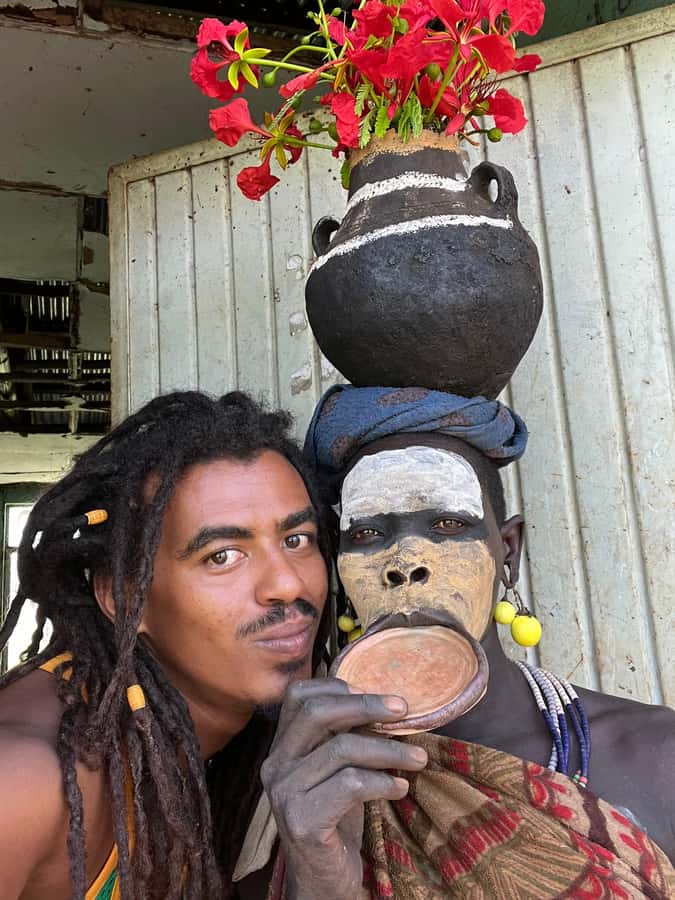
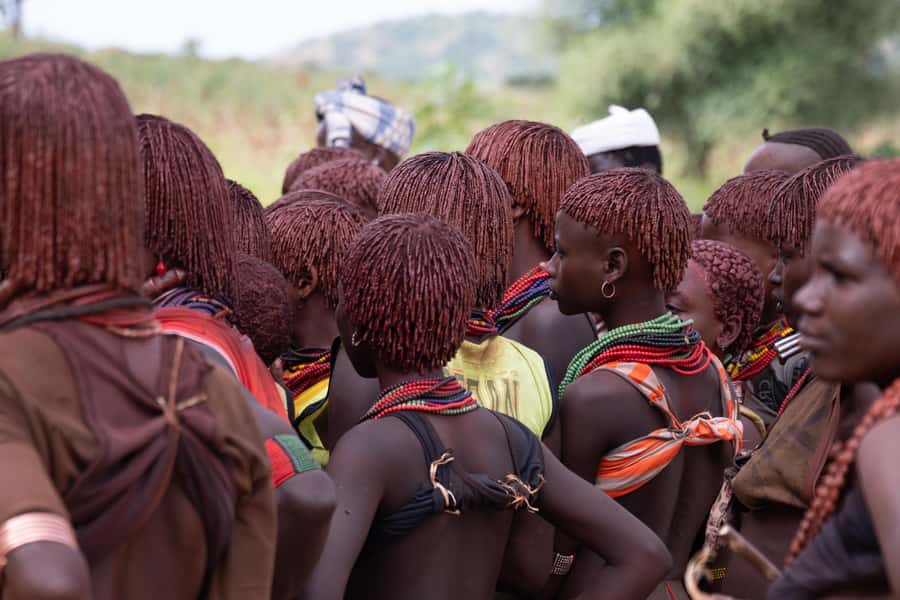
- Hamer bull-jumping and body scarring, plus clay hair styling within the Hamer area (overnight camping or an on-site lodge option).
- Karo agro-pastoral life and body painting, paired with a big market day in the Hamar region.
- Saturday Dimeka market time, with multiple tribes showing up to trade goods and crafts.
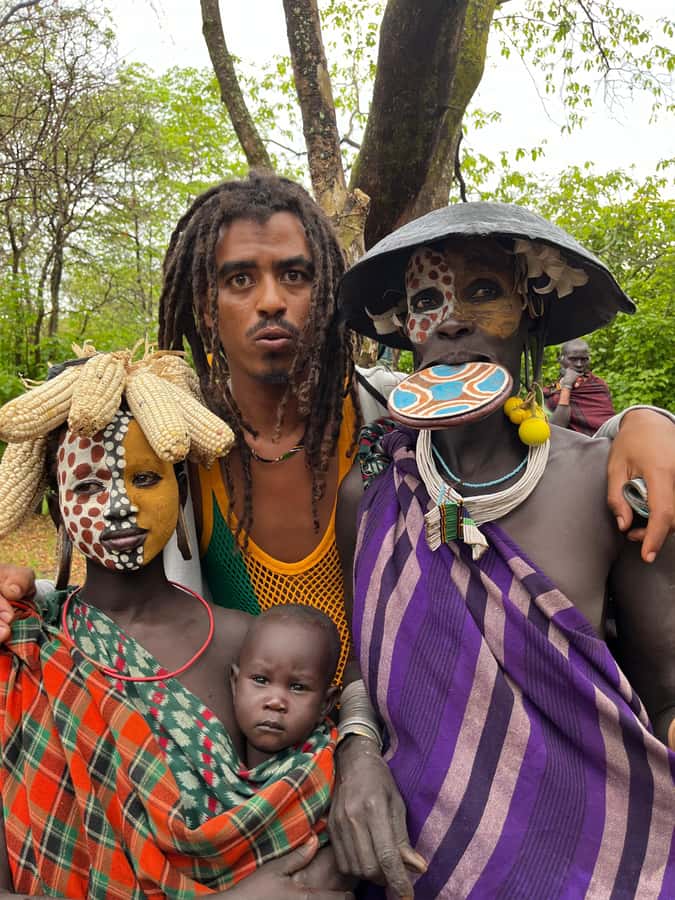
- Mursi villages in Mago National Park, known for lip and ear lobe plates.
- A strong guide vibe, with Kali’s approach described as smart, safety-minded, and environmentally aware.
- Parks and transfers are handled, including park entry fees, meals, and an Omo River boat crossing.
Omo Valley culture, markets, and parks, in plain terms
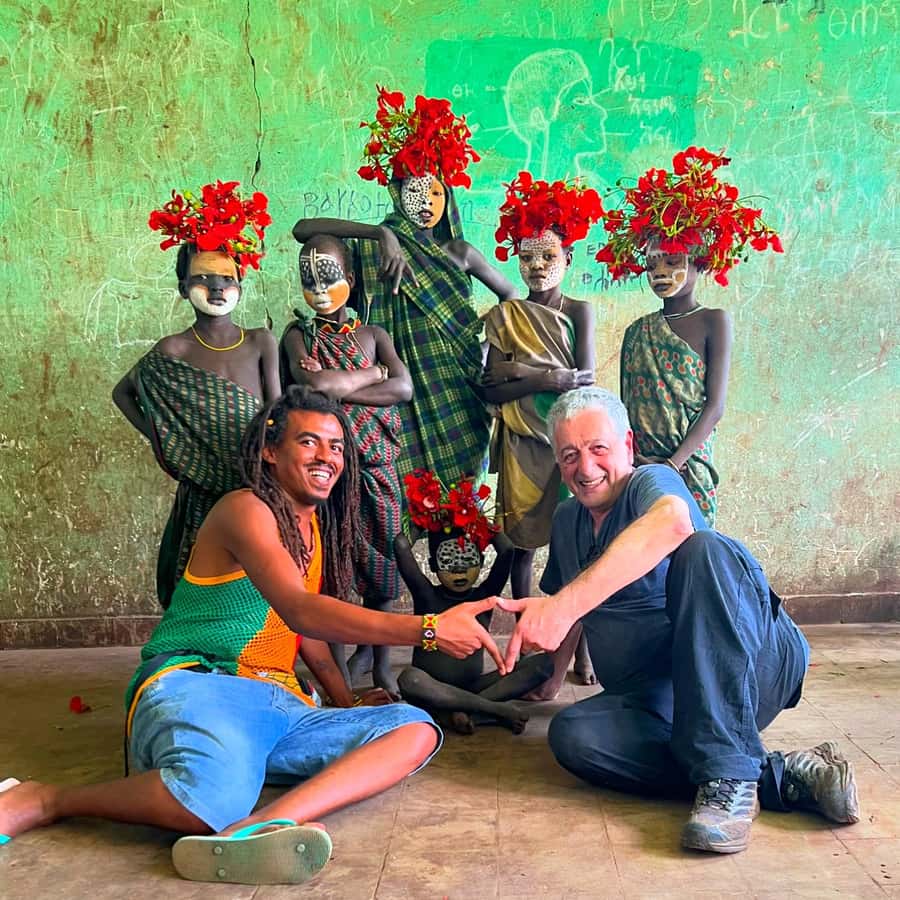
This itinerary is built around one idea: you should see Omo Valley life as it happens, not as a checklist. You will spend real time in the Hamar, Karo, and Mursi areas, and you will connect those visits to how people trade, move, and communicate through the weekly markets.
You will also travel with a structure that keeps things understandable. The tour is based out of the Jinka and Arbaminch area, and the plan flows logically: arrive into the region, visit the Hamar area first, then shift to the market and Karo, and finish with Mursi around Mago National Park before wrapping up in Jinka.
If you want Omo Valley in a way that feels more personal, this tour’s small-group and private options matter. The experience is designed to respond to your pace and needs, rather than treating everyone like the same stopwatch schedule.
Other journeys down to the lower Omo:
- From Jinka: Omo Valley Tribe 3-Day Tour
★ 5.0 · 9 reviews - From Arba Minch: 4-Day Omo Valley Tribal Guided Tour
★ 5.0 · 5 reviews
Price and value: what $500 per person really covers
At $500 per person, you are not just paying for driving and a driver. The cost is tied to a lot of the behind-the-scenes items that often get tacked on later on other trips.
Included items you can use to judge value:
- Local guides and scouts inside the parks
- Three meals a day
- Hotel and lodge stays, plus camping materials and camping fees
- Entry tickets for tribe villages and for major parks (Mago National Park, Nechsar National Park, and Omo National Park)
- Transfers that cover the heavy lifting: hotel pickup and drop-off, and Jinka airport pickup and drop-off
- An Omo River boat crossing
So yes, it is not a budget day trip. But it can feel like good value if you would otherwise have to arrange park fees, guides, meals, and the logistics of getting to tribal areas on your own.
What is not included is simpler: alcoholic drinks. If you care about keeping costs tight, that is one lever you control.
Day-by-day: Jinka to Hamer, then Karo and the Saturday Dimeka market
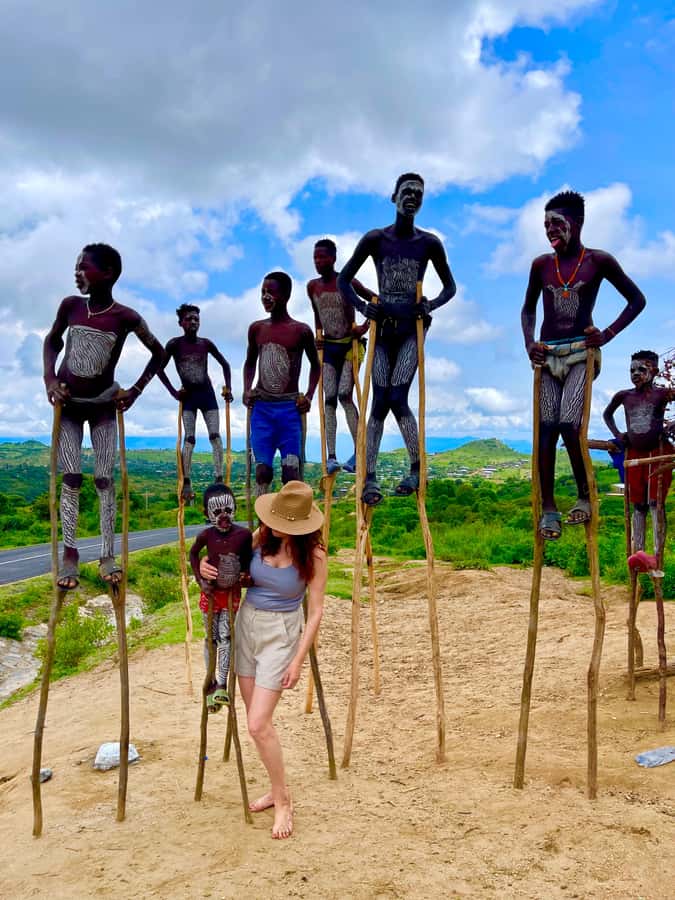
Day 1: Jinka to Hamer area, bull-jumping night, and clay-on-the-head details
The tour starts with pickup from Jinka airport, followed by a drive into the Hamar area. You will visit the Hamar people, a group known for visible body scarring done with traditional methods, and for using clay to shape hairstyles.
The standout moment here is the practice of bull-jumping. It is described as a ceremony young men must complete before marriage. If you are hoping for a cultural moment that is more than a dance for show, this is the kind of event that tends to make the day stick with you.
For sleeping, you have an on-the-ground option. The plan states you may overnight camping with the Hamer tribe or stay in an eco lodge inside the village. That choice affects comfort level and how early your day starts. If you are sensitive to rough camping conditions, ask ahead which overnight style applies to your dates and group type.
You also get an overnight reset so Day 2 does not feel like pure sprinting.
Day 2: Karo visit plus market day energy near Dimeka
After breakfast, you head out to the Karo. The Karo are described as agro-pastoralists, and they are known for body painting. This is a different visual and social world from the Hamar stop, even though the region and river life connect them.
On the way, you attend Saturday Dimeka market, described as the biggest Hamar market. This is not a casual craft stall stop. The market day is presented as the weekly gathering where multiple tribes come to buy and sell goods, along with crafts and cutlery items.
In the plan, you are told to expect more than five tribes showing up on this market day, including Hamar, Banna, Karo, Dassenech, and Tsemay.
That matters because markets are where you see culture through trade rhythms. People bargain, swap stories, and handle daily needs in a setting that changes by the day of the week. If you only do one market, do the one that lines up with Saturday in this itinerary.
You end the day back in Jinka for the overnight.
Day 3: Mursi villages in Mago National Park and the lip-plate look
On the final day, you go to a Mursi village in Mago National Park, around 66 km from Jinka. This is one of those stops people plan Omo Valley for.
The Mursi are renowned for large lip plates and ear lobe plates. You also learn about food patterns and practices tied to cattle. The plan specifically says Mursi men drink blood more than eating meat, and it describes the method: making a small hole with a traditional arrow tool, then stopping the blood flow using traditional medicine, with a note that the cow wound heals quickly.
The plan also says you can see breakfast from their own cow.
This is the part of the trip where I urge you to slow down and approach with respect. You are seeing practices that are meaningful to the community, not entertainment. Keep your questions simple, and let the guide translate and frame things.
The tour wraps up in Jinka, with options to drop you at regional airports for your flight back to Addis Ababa.
Mursi and the sensitive parts: how to stay respectful and comfortable
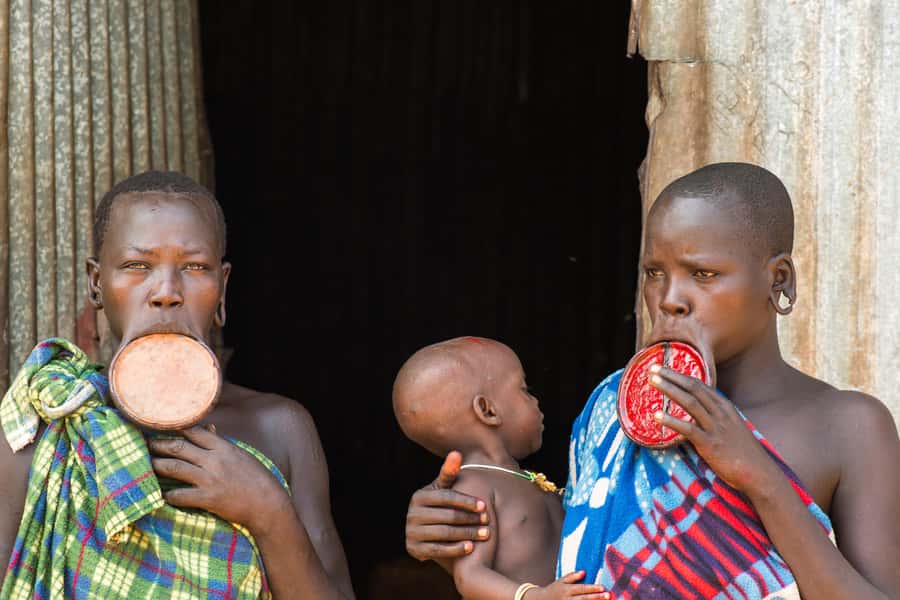
Some Omo Valley experiences focus on visible customs like lip plates and painted skin. Others focus on ceremonial steps or daily routines. This tour includes both, and the Mursi visit sits in the more sensitive category because of how closely it connects to cattle and blood consumption.
Here is how I recommend handling that, based on the tour’s framing:
- Treat the visit like a conversation, not a performance. Let your guide set the pace.
- Keep your camera use cautious. If you feel unsure, ask first through your guide.
- Mentally prepare for contrasts. The next photo you planned might not match the moment you are actually witnessing, and that is normal.
Also note the tour is not suitable for pregnant women, which is a direct safety or comfort boundary stated for this activity. If you have any medical concerns, check with the operator before assuming it will be a good fit.
The Saturday Dimeka market: why it is more than a photo stop
Markets in Omo Valley are often where the region feels most alive. In this itinerary, Saturday Dimeka market is planned as a major event, not a quick detour.
Expect:
- Trade in practical goods and crafts
- Multiple tribes gathering, including Hamar, Banna, Karo, Dassenech, and Tsemay
- A weekly rhythm that brings people together for buying, selling, and social contact
This is also one of the best places to understand how identities show up in daily wear, tools, and interaction. The market is where you can see what is valued enough to transport, and how people present themselves to others in the same region.
If you love photography, markets can be your best moments. But the same rule applies as always in face-to-face cultural travel: ask, watch body language, and accept if someone says no.
Kali, languages, and the trip-feel you should care about
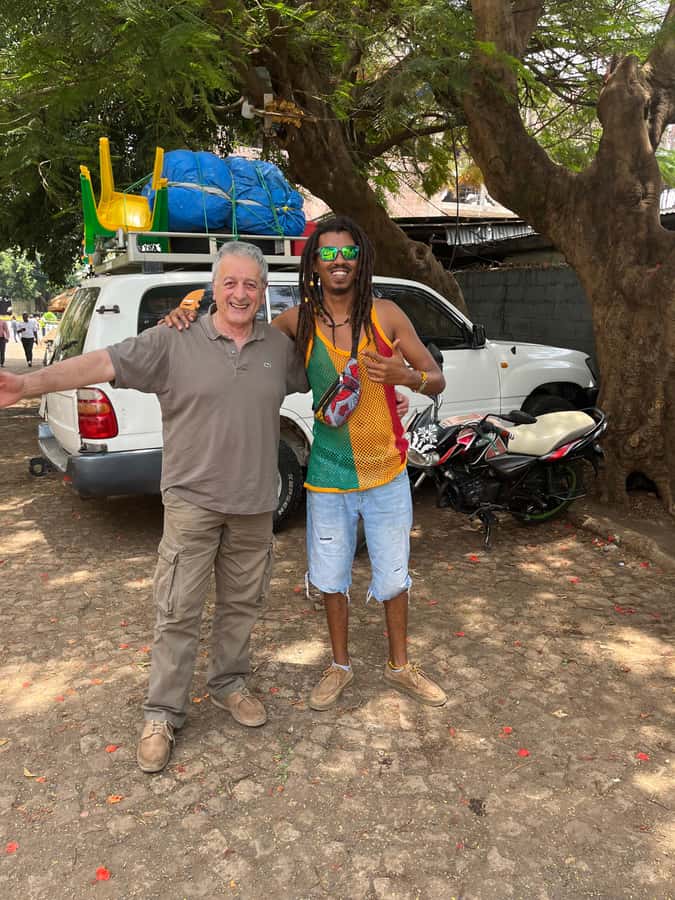
A huge part of whether an Omo Valley tour feels respectful and smooth is the guide. This tour is led by Kali, and the overall tone is described as intelligent, safety-minded, and environmentally conscious.
The standout guide traits you should expect to feel in practice:
- You get explanations that help you connect what you see to meaning
- The guide helps you adjust to individual needs and wishes
- There is an obvious concern for the environment and even animal welfare, which matters in a park-heavy itinerary
You also get broad language support. The tour offers a live guide in multiple languages, including English. It also lists languages such as Amharic, Arabic, Chinese, Dutch, French, Italian, Japanese, and Spanish.
From the same orbit of trip experiences, a driver named Elias is described as fun to be with. That kind of relaxed but competent driving matters in Ethiopia, where roads and distances can test patience.
If you are the type who panics when you do not know what is happening, this matters a lot.
Getting there: transfers, where the tour starts, and what movement looks like
This experience is positioned around the Ethiopia Oromia Region, focusing on Omo Valley areas. The itinerary you have here includes a specific flow, with the last day finishing in Jinka.
Where your trip begins depends on your arrival point:
- You can be picked up from Jinka airport
- You can also start with pickup arrangements from Addis Ababa (Bole International Airport) or from hotels in Addis Ababa
- Other airport pickup options listed include Arba Minch, Mekelle, and Semera
- On the last day, the drop-off can be to Jinka, Semera, Mekelle, or Arba Minch for flights back to Addis Ababa
You will drive between areas, and park days involve scouts plus park entry tickets. This tour also includes a boat crossing of the Omo River, which is the kind of detail that can make the difference between just seeing land and actually experiencing the river connection.
For practical planning, the tour duration is flexible in the offering: 2 to 7 days, with this article based on a clearly stated 2-night, 3-day plan.
What to bring, and what to plan around on the ground
The tour data keeps the packing list simple, but Omo Valley travel still rewards preparation.
Bring:
- Passport or ID card
Also plan for:
- Some cash, since the notes say you might need it if you do any small purchases
- Using the included unlimited mineral water, which helps keep you comfortable during long drives and market hours
- Remembering that alcoholic drinks are not included
If you have strong preferences on room style, decide early whether you want the camping option or an eco lodge option for the Hamer night. Both are part of the stated plan, and the difference is real.
Responsible travel promises, and how they connect to your day

This operator says they focus on ethical, ecological, and sustainable travel. The key points you can look for in how your day feels include:
- Fair wages for people involved
- A “leave only footprints” approach, meaning minimal harm and a lighter touch in sensitive places
- Use of scouts inside parks, which helps keep visitors within appropriate boundaries
You should take these as intentions, not guarantees. Still, when a guide is described as environmentally aware and animal-loving, that intention is more likely to show up in behavior, like respecting wildlife and not pushing boundaries for photos.
The practical benefit for you: you spend less time worrying about rules and more time understanding what is happening.
Should you book this Omo Valley tour?
If your goal is to see Hamer, Karo, and Mursi, with a real market day built in and park visits handled for you, this is an easy yes to consider. I would especially recommend it if you care about having an experienced guide who keeps you safe, explains what you are seeing, and keeps the experience grounded in respect.
I would think twice if:
- You are uncomfortable with intense cultural practices, including ceremonies and body modification
- You have a medical situation that affects mobility or comfort, since the tour specifically says it is not suitable for pregnant women
- You need maximum comfort and prefer to avoid camping-style nights
A simple decision rule: if you want structured access to multiple communities, with meals, guide help, park entries, and key logistics handled, book it. If you only want casual sightseeing, or if you are likely to feel overwhelmed by cultural intensity, choose a different style of travel.
FAQ
What tribes will I visit on this Omo Valley tour?
The plan includes visits to Hamar, Karo, and Mursi, and it also mentions a market day where multiple tribes come together, including Hamar, Banna, Karo, Dassenech, and Tsemay.
How long is the tour?
The offering is listed as 2 to 7 days. A 2-night, 3-day itinerary is provided with the tour starting in Jinka and finishing in Jinka.
What is included in the price?
Included items listed are hotel pickup and drop-off, Jinka airport pickup and drop-off, entry tickets to tribe villages, park entry tickets, local guides and scouts, three meals a day, unlimited mineral water, a boat to cross the Omo River, lodges and hotel, and camping materials plus camping fees.
What does the itinerary include on the first day?
Day 1 includes pickup from Jinka airport, a drive to visit the Hamar people, time at a bull-jumping related experience, and an overnight camping option with the Hamar tribe or an eco lodge inside the Hamar village area.
Is there a market day?
Yes. The plan includes a Saturday excursion to the Dimeka market, described as the biggest Hamar market, with several tribes arriving to buy and sell products.
Where will the tour finish?
The last day finishes in Jinka, and drop-off can be arranged to Jinka or other listed airports for your departure back to Addis Ababa.
What languages is the guide available in?
A live tour guide is listed for English and also other languages including Amharic, Arabic, Chinese, Dutch, French, Italian, Japanese, and Spanish.
Is the tour wheelchair accessible, and who is it not suitable for?
The activity is listed as wheelchair accessible. It is not suitable for pregnant women.
Newly reviewed in Jinka
- From Arba Minch: 4-Day Omo Valley Tribal Guided Tour★ 5.0 · 5 reviews
- From Jinka: Omo Valley Tribe 3-Day Tour★ 5.0 · 9 reviews
Omo Valley Tours, compared.
6 Days Omo Valley Tribes Tours From Addis Ababa
Read our review →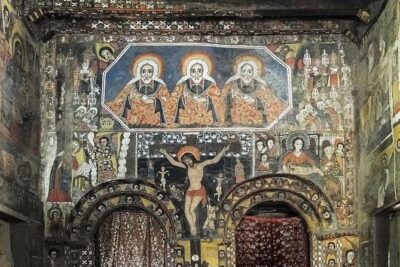
Lalibela, Axum, Danakil and Omo Valley 8 DAYS
Read our review →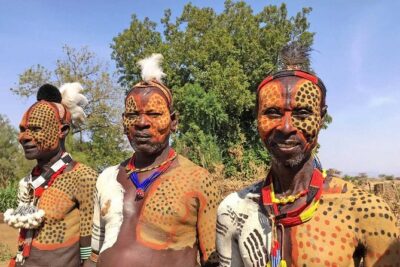
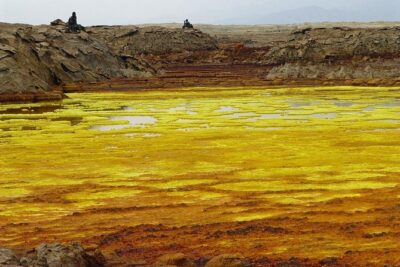
Danakil Depression, Lalibela, Omo Valley and Simien Mountains
Read our review →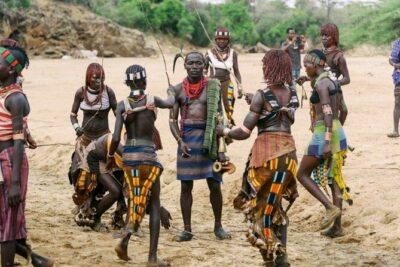

9 Days Tours To Danakil Depression, Simen MNP, Lalibela With Omo Valley Tribes
Read our review →Browse the lists this tour appears in