
What makes the Danakil Depression worth your time is the way it mixes life and violence in the same place. You get colors, heat, and salt work in a region where the ground is doing its own thing.
I like that the route includes salt harvesting scenes like Ahmed Ella and Lake Afdera, so you see how people actually live with this harsh environment. I also like that the trip is built around real geology, not just viewpoints.
One possible drawback: this is desert travel with overnight camping and a physically demanding crater-rim trek, so it is not a fit if you need easy comfort, or if you have altitude sickness issues.
Key things to know before you go
.jpg)
- Lake Afdera salt pans: Watch saline water pumped into salt pans for solar evaporation and harvesting.
- Erta Ale lava lake at night: Trek to the crater rim late afternoon, then camp while the lava lake glows.
- Dallol sulfur country: Explore vivid formations, sulfur springs, brine pools, and an oily lake in an extreme low and hot setting.
- Ragad salt mining with camels: See salt broken into blocks and loaded for camel caravans.
- Camping, meals, and logistics handled: Camping materials, meals, unlimited bottled water, and entrance fees are included.
Why the Danakil Depression Tour Feels Different Than a Typical Trip

Most places you visit feel like they were made for humans. The Danakil Depression does not. It feels like a working lab created by geology, with people adapting around it.
This is why I enjoy tours like this: they give you more than a quick photo stop. You move between salt flats, sulfur lakes, and an active volcano on a tight 3-day arc, with an English-speaking guide and professional drivers doing the heavy lifting. The result is a trip that feels both intense and organized.
Also, the day-to-day rhythm matters here. You are not just going from one scenic spot to the next. You are also learning how salt extraction works, why certain places are so active, and what it means to travel in a desert where heat and distance are real factors.
If you want a Danakil trip that treats the sights as part of one story, this one fits that goal.
Other descents into the Danakil:
- From Semera: Danakil Depression 3-Day Tour
★ 4.3 · 10 reviews - 3 Days Desert Adventure: Discover Danakil’s Hidden Wonders!
★ 4.7 · 5 reviews - From Semera: 3-Day Danakil Depression Tour
★ 5.0 · 3 reviews
Day 1 From Semera to Ahmed Ella and Salt Lake Asale
.jpg)
Day 1 starts with your transfer from Semera, meeting the team at the Aman Ethiopia Tours welcome paper. From there, you drive into Afar country, and the scenery shifts fast. Expect solidified lava, strange rock shapes, sand dunes, and palm-lined oases that show up like hints that life can still thrive here.
On the way, you stop at Ahmed Ella village. The town is home to over 500 residents, and you get a first-hand look at daily life for the Afar people. This is one of those moments that can change how you see the rest of the trip. Instead of thinking only about the dramatic ground, you remember there are communities living in it, and they are used to harsh weather and long routines.
Then you reach Salt Lake Asale in the late afternoon. The salt flat is vast and shimmering, and you get time to swim in a natural pool. You finish the day with a sunset reflected on the salt-covered ground, which turns the whole area into something close to a mirror.
Two practical notes for Day 1:
- Wear desert-appropriate clothing. You are in sun and dry air from the first day.
- Bring what you need for your swim and rinse. Water may be available during the tour, but you should still plan for personal comfort.
You end Day 1 with overnight camping at Ahmed Ella. That means your comfort is tied to what you bring and how you pace yourself in the heat.
Day 2 Ragad Salt Mining, Dallol’s Sulfur Colors, and the Erta Ale Crater Rim
.jpg)
Day 2 is where the trip goes full Danakil. It is also the longest-feeling day, because you are moving between two very different kinds of extreme terrain.
Ragad (Asebo), the traditional salt mining site
After breakfast, the day begins with a drive to Ragad (Asebo), a traditional salt mining area for the Afar people. This is not a museum stop. You observe the process of cutting salt out of the earth, breaking it into rectangular blocks, and loading those blocks onto camel caravans.
What I like about this part is how grounded it feels. You see the work behind the salt you will later see in huge pans. It turns the salt sights into something more meaningful, because you understand the labor and the routes.
Dallol: 125 meters below sea level and visibly active geology
Next comes Dallol, one of Ethiopia’s most surreal regions. It sits around 125 meters below sea level and is described as among the lowest and hottest inhabited places in the world. You do not just visit Dallol, you walk through a landscape shaped by volcanic activity.
You get time to explore vivid salt formations, sulfur springs, bubbling brine pools, and the famous oily lake. The combination of colors and chemical activity makes the area feel unreal, like the ground is running its own show.
A careful consideration: Dallol is intense. If you are sensitive to heat or strong odors, take it slow and pace yourself. The tour gives you guided time in the area, but you still need to manage your body.
After exploring, you return to Ahmed Ella for lunch, which helps reset your energy before the final push.
Erta Ale: trekking to the lava lake at dusk
Then you drive toward Erta Ale, Ethiopia’s most iconic volcano. Upon arrival, you trek to the crater rim in the late afternoon and spend the night there, camping while you witness the active lava lake.
The details are part of why this stop is special. Erta Ale is a shield volcano with a 30 km-wide base and about a 1 km² summit caldera. It is said to stand at 613 meters and is known for one of the world’s only permanent lava lakes, continuously active since the early 20th century.
You should expect this as both breathtaking and physically demanding. Even when the trek is short in distance, the combination of darkness, uneven ground, and desert conditions means you need steady footing and patience.
You overnight camp at Erta Ale.
Day 3 Lake Afdera Salt Pans, Then Back to Semera and Addis Ababa
.jpg)
Day 3 starts with breakfast and a drive from Erta Ale to Lake Afdera. This region matters because it connects the dots between the salt extraction you saw before and the scale you will see at the end.
Lake Afdera is a saline lake where water is pumped into nearby salt pans for solar evaporation. You get time to explore the area and observe the salt harvesting process, including the way the huge salt fields form from evaporation. It is the kind of sight that makes you appreciate the mechanics behind the beauty.
Afterward, you continue back toward Semera. There is lunch en route, and then you transfer to Semera Airport for your flight to Addis Ababa.
Because you end the tour the same way you started, it feels smoother than many border-adventure routes. You go in, you see, and you return without a stressful scramble at the end.
What You Really Get for the $399 Price
.jpg)
At $399 per person, this tour sits in the mid-range for a place as difficult and remote as the Danakil Depression. The key is what is included, and what is not.
Included value that matters:
- Camping materials with meals: This reduces the need to source gear in a hurry.
- Meals: Day 1 includes breakfast, lunch, dinner. Day 2 includes breakfast, lunch, dinner. Day 3 includes breakfast and lunch.
- Unlimited bottle of water all days: In desert country, hydration logistics can become a headache fast. Having unlimited bottled water helps.
- Car with professional drivers, plus an English speaking guide: Driving and guiding are not small tasks here.
- All entrance and scout fees: You do not have to keep checking what requires a payment.
The part to double-check:
- Domestic flights are listed as not included, yet the itinerary describes flying between Addis Ababa and Semera and back. Before you book, confirm exactly what your total price covers for those flights.
Where $399 can feel like a bargain:
- If you tried to arrange parts of this on your own, you would likely pay for scattered transport, multiple entry permissions, and a guide who can handle scouting and timing across long desert distances. Packing it into one package is a big time saver.
Where $399 might feel tight:
- If you do not handle heat well or you need frequent comfort breaks and you end up struggling through the camping days, the trip cost can feel like it was spent on something you could not fully enjoy.
The Logistics That Make or Break a Danakil Trip
.jpg)
This kind of route can feel overwhelming unless it is managed. Here, the structure helps.
You have:
- An English-speaking professional guide
- Professional drivers
- Entrance and scout fees handled
- Unlimited bottled water
- Meals on all three days, with camping materials included
That combination matters because it reduces the number of decisions you need to make mid-trip. In remote desert areas, every extra decision adds stress.
Also, the tour is explicitly set for a certain body and age range. It is not suitable for children under 10, people with altitude sickness, or people over 95. If any of those apply, this is not the tour to test yourself on.
And if you are thinking about electronics, remember video and photographing fees are not included. If you plan to shoot a lot, confirm the rules with your guide before you start heavy filming.
Packing for a Desert Where Comfort Becomes Safety
.jpg)
The tour says this is desert travel and to wear properly. That advice is not generic. In Danakil conditions, what you wear affects heat tolerance and blisters more than people expect.
I recommend you treat packing like a safety plan:
- Bring a passport, since you are asked to provide passport details.
- Wear sun-protective clothing that also allows airflow.
- Pack footwear with grip for uneven ground, especially near the crater rim.
- Bring any personal meds you need, since you are camping and moving daily.
Because you camp at Ahmed Ella and Erta Ale, also think about sleep comfort. Even if the guide provides camping materials, you still want to manage your own warmth and dryness at night.
Finally, hydration helps, and the tour includes unlimited bottled water. Still, you should expect that you will drink more than usual in the heat.
The Best Fit: Who Should Book, and Who Should Skip
.jpg)
This Danakil 3-day tour makes the most sense if you want:
- Active geology in a tight schedule
- A view of salt extraction that includes actual mining work and harvesting processes
- A memorable night experience at Erta Ale’s crater rim
- A guide-led plan with English support and drivers who know the route
You might want to skip or reconsider if:
- You dislike camping and basic facilities
- You struggle with demanding treks
- You are dealing with health constraints tied to altitude sickness (the tour lists this as not suitable)
- You are traveling with very young children, since it is not suitable under age 10
If you are a solo traveler, a couple, or friends comfortable with intense terrain, this can be a strong fit. If you need a slow, comfortable pace, you will likely feel stressed by the daily driving and the evening trek.
One more thing I appreciate: Aman Ethiopia Tour & Travel emphasizes careful handling of the trip experience. Past experiences with the company’s team show a focus on smooth communication and reassurance, which is what you want when the itinerary is far from easy.
Should You Book This 3-Day Danakil Depression Tour?
.jpg)
If your dream includes salt flats, Dallol’s volcanic color show, and the rare chance to see an active lava lake from the crater rim at night, then yes, this tour is a solid choice. It is structured, includes meals and water, and saves you the headache of piecing together permissions and logistics in a hard-to-reach area.
Just make your decision with one eye on reality. This is not a cushy holiday. It is desert travel with camping, heat, and a physical trek. If you prepare well and can handle basic conditions, you’ll come away with images and understanding that feel connected, not random.
If you confirm what your final all-in cost includes, especially around domestic flights, you can book with much more confidence.
FAQ
What does the tour include for meals and camping?
The tour includes camping materials with meals, plus Day 1 breakfast, lunch, and dinner; Day 2 breakfast, lunch, and dinner; and Day 3 breakfast and lunch.
Is water included?
Yes. The tour includes unlimited bottled water all days.
Where do I meet the tour team, and where does it end?
You meet the team at the Aman Ethiopia Tours welcome paper. The activity ends back at the meeting point.
What stops are part of the Danakil highlights?
The tour includes Lake Afdera, Dallol Sulphur Lake and colorful hot springs, Erta Ale with a crater rim visit and overnight camping, plus other key salt-related stops such as Ahmed Ella village, Salt Lake Asale, and Ragad (Asebo) salt mining.
Do I need a passport?
Yes. You need to bring your passport, and visitor detail information is required.
Who is this tour not suitable for?
It is not suitable for children under 10, people with altitude sickness, or people over 95 years.
More 3-Day Experiences in Semera
- 3 Day Danakil Depression Ertale and Dallol Tours
★ 5.0 · 44 reviews - 3 Days Dankile Depression group Tours
★ 5.0 · 40 reviews - 2-Night 3-Day Danakil Depression Tour without Flights
★ 4.8 · 31 reviews - Trekking at Bale Mountains 3 Days
★ 5.0 · 28 reviews
Newly reviewed in Semera
- From Semera: 3-Day Danakil Depression Tour★ 5.0 · 3 reviews
- 3 Days Desert Adventure: Discover Danakil’s Hidden Wonders!★ 4.7 · 5 reviews
- From Semera: Danakil Depression 3-Day Tour★ 4.3 · 10 reviews
Danakil Depression Tours, compared.
12 Days SIMIEN MOUNTAIN-LALIBELA-DANAKIL-TIGRAY CHURCHES
Read our review →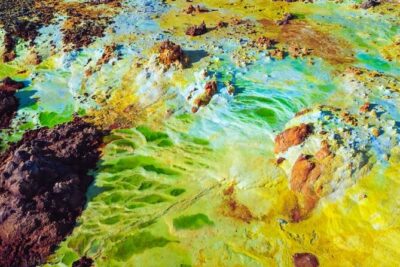
3 Day Danakil Depression Ertale and Dallol Tours
Read our review →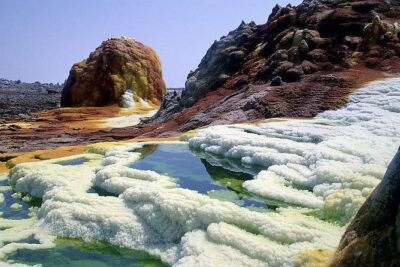
5 DAYS Lalibela, Axum, Tigray churches and Danakil
Read our review →
6 Days tour Package (Simien Mountains, Lalibela, and Danakil Depression)
Read our review →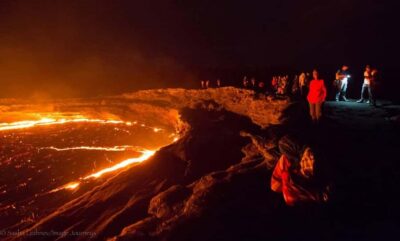
2-Night 3-Day Danakil Depression Tour without Flights
Read our review →
5 DAYS Axum, Lalibela, Tigray churches and Danakil
Read our review →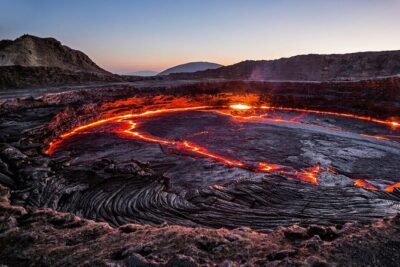
Browse the lists this tour appears in