
Omo Valley tribes can mean a lot of different trips, but this one is built to be time-efficient and route-focused. You start in Addis Ababa, then you move through southern Ethiopia with a mix of scenic stops and cultural villages, using domestic flights to cut long road days. In the past, guides and drivers from Ethio Backpacker Tours like Tsehaynew and Wonde have shown up in feedback for being friendly and making the route run smoothly.
I especially like how this plan stacks UNESCO sites and living cultures in a logical order. You hit Tiya, then you work your way toward Lake Chamo and the Dorze highland villages, before meeting the Konso and Hamer communities in the south. Second, I like the practical pacing: you get real village visits across several days, not one rushed parade of photo stops.
One thing to consider is that some past experiences with this operator raised questions about expectations around what you booked, especially if you paid a private-tour price. Before you go, I’d ask for written clarity on what your group size is and how your vehicle is arranged.
Key things to know before your Omo Valley week
- Domestic flights save you serious drive time, especially the run toward Arba Minch and later the return from Jinka to Addis.
- Lake Chamo includes the crocodile market area, and the local description matters, since it’s not a place for buying or selling.
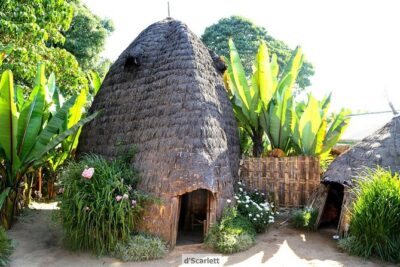
- Dorze beehive huts and Konso terracing are UNESCO-style highlights, not just quick roadside stops.
- Turmi puts you close to Hamer culture, with additional village viewing on the way in.
- Mago National Park leads into Mursi villages, with very distinctive adornment that’s best approached calmly and respectfully.
- Small group size (max 15) can make the day feel less chaotic than big bus tours.
Why this Omo Valley route feels tighter than a “full week” plan
If you’re thinking, I only have about a week, you’re not alone. This itinerary is designed around the reality that southern Ethiopia is far apart. The biggest smart move is using domestic flights to cut the long overland haul, so you’re spending more days actually meeting people and less time riding in a vehicle.
The second smart move is the way the cultural stops are clustered. Instead of bouncing back and forth, you move in a southward rhythm: Addis Ababa to UNESCO culture, down to the Arba Minch area, then into 4WD country for Konso, Turmi, the Jinka region, and finally Mago National Park. That flow matters, because it makes the trip feel connected, not like a checklist.
One more practical point, the route includes pickup from your Addis Ababa starting hotel. That sounds minor until you’ve seen how long it can take to coordinate rides in a big city like Addis. Starting the day organized helps you keep the momentum for the road ahead.
Other journeys down to the lower Omo:
- 6 Days Omo Valley Tribes Tours From Addis Ababa
★ 5.0 · 33 reviews - 3 Days Omo Valley Tour
★ 5.0 · 24 reviews - Danakil Depression, Lalibela, Omo Valley and Simien Mountains
★ 5.0 · 23 reviews
Day 1 in Addis Ababa: Entoto views, Lucy, and Merkato reality
Your day starts in Addis Ababa with pickup and a transfer to your hotel, then you’re back on the move. The route begins with a drive up to Mount Entoto for panoramic views. Even if you’ve only got a short window, that quick high viewpoint helps you understand the city’s layout and altitude.
After that, you head to the National Museum, where you can see Lucy, the famous fossil. This is one of those stops that people argue about, because some museums are more engaging than others. Still, the value here is straightforward: Lucy is a must-see, and the rest of your afternoon is structured so you don’t lose the day to waiting around.
Then you visit the Holy Trinity Cathedral, known for being built during World War II. It gives you a sense of how Ethiopia’s modern identity and older traditions sit side by side.
You wrap with Merkato, the big market known as one of the largest in East Africa. If you enjoy watching everyday life happen, you’ll likely have a good time here. If you hate crowds, treat it like a sensory workout: go with water, keep your phone secure, and be ready for constant movement.
Day 2: UNESCO Tiya to Arba Minch, the gateway to Lake Chamo country
Day two starts early with a drive toward southern Ethiopia, with a key stop at Tiya, a UNESCO World Heritage Site. What you’re looking at here are engraved standing stelae. Even if you don’t read every inscription detail, the bigger point is that you’re seeing a piece of Ethiopia’s ancient past set right in the landscape.
After Tiya, you stop for lunch in Welayta before continuing to Arba Minch for the night. This matters because Arba Minch is more than a hotel base. It’s a transition point from Addis-style city logistics into the rhythms of southern Ethiopia, where your next days include villages and lake excursions.
If you’re trying to manage energy, this is a good day to do it. You have a full drive, but you also have a meaningful landmark stop that helps the day feel more than just transportation.
Day 3: Lake Chamo crocodiles, Dorze beehive huts, and the road to Konso
This is one of the most memorable days, mainly because you get a different kind of interaction with the region. After breakfast, you take a boat trip on Lake Chamo.
The highlight is the crocodile market area. The local description provided for this stop is useful: it’s a place where crocodiles come out to rest. There’s no buying or selling, so treat it as a viewing spot, not a market experience in the usual sense. You may also see hippos and different kinds of birds, depending on the time and water conditions.
After the lake time, you head to the Dorze village in the Gughe Mountains area. Dorze houses are famous for their high up, beehive-shaped structures. The tour also frames them as recognized for their architectural style, which helps you understand why people point cameras here. It’s a visual way to connect with a community’s daily life, not just a cultural performance.
Then you drive back for lunch in Arba Minch and continue onward toward Konso. This is the start of the deeper cultural route days. The road time is part of it, but you’re building toward a full cultural day in Konso the next morning.
More from Addis Ababa to consider
- 6 Days Lalibela, Omo Valley and Harar
★ 5.0 · 15 reviews - 6-Day Omo Valley Cultural Private Tour
★ 5.0 · 6 reviews - 6 day Omo ValleyTours
★ 5.0 · 5 reviews - 6 days Omo valley cultural Tour
★ 5.0 · 3 reviews
Day 4: Konso terraces, coffee connections, and Hamer culture in Turmi
Day four leans heavily into Konso. After breakfast, you visit the Konso Cultural Centre and view Konso villages known for their terracing. The terraces are a practical adaptation to farming on slopes, and they also make the region look distinct from afar.
The tour route also notes that some of Ethiopia’s coffee connections come from this area. Even if coffee tasting is not the focus, it’s a reminder that these communities aren’t only visited for aesthetics. People live here year-round and produce real goods.
You then continue to the Bana village. One of the most specific details you’ll hear is about how men dress their hair with colorful clay caps decorated with feathers. That kind of detail is exactly what you want on a cultural visit, because it gives you something concrete to look for, rather than vague statements about tradition.
Finally, you head to Turmi, where the Hamer people live. Turmi is where the trip’s cultural energy ramps up. This is the region where you’re more likely to see village living and cultural presentation as part of daily life. If you’re the kind of visitor who wants to understand what you’re seeing, this day gives you the foundation before you move on.
Day 5: Omorate and the Dassanech people near Lake Turkana
On day five, you start with an excursion to Omorate to visit the Dassanech, described as the people of the Delta. They live on the northern shore of Lake Turkana, so geographically you’re shifting again, now toward the Turkana region.
The tour frames this visit as an opportunity to see how life looks in a different ecological zone from the earlier lake and mountain areas. This is where you get a better sense of how diverse southern Ethiopia is, not just culturally but also in terms of how people adapt to their environment.
After the Omorate excursion, you drive back to Turmi for lunch. Then the day continues with a drive onward to Jinka for the night. That end-of-day move is important. It sets you up for the Mago National Park day, which is where the final cultural focus lands.
Day 6: Mago National Park Mursi villages, then fly back to Addis
The final full day is structured around Mago National Park and a visit to Mursi villages. The Mursi are described as an ethnic group known for distinctive practices, including the very visible adornment associated with extended lower lips and ear lobes.
You’ll also see the housing style described as low huts made of straw leaves. That detail matters because it keeps you grounded in everyday living. People are not just costumes on a road trip. The tour’s approach helps you see the physical setting around the cultural markers.
After the village visits, you drive back for lunch in Jinka, and then you’re taken to Jinka Airport to fly back to Addis Ababa. Once you land, your driver picks you up from Bole Airport and transfers you to your hotel.
It’s a clean finish. You don’t end the trip with another long drive day, which means you can actually enjoy your last evening without feeling totally finished.
Transport, timing, and group size, what it means in real life
This trip uses an air-conditioned vehicle and includes an English-speaking guide. That’s not a luxury detail. It affects your experience directly, because you’ll be traveling long enough that comfortable rides help you stay engaged with the stops rather than mentally counting down.
The plan also uses 4WD for the cultural route sections. That matters because parts of southern Ethiopia involve rougher roads, and 4WD is a sign the itinerary expects real driving conditions, not just smooth highways.
Group size is capped at 15 travelers, which typically means you’ll have enough space to move at village stops without feeling like you’re in a long line behind ten other camera traps. It won’t be silent, but it’s easier to manage.
Pickup and starting time are also clearly handled, with pickup arranged from Harmony Hotel in Addis Ababa at 8:00 am. Start times like this are a big deal in a trip like this. When days are long, starting earlier means you get more daylight for visibility and fewer rushed stops.
Price and value, what $1,100 covers and what you should still plan for
At $1,100 per person for about six days, this is not a budget trip. But it’s also not only about tourist pennies and souvenir math. You’re paying for a package that includes:
- Accommodation
- Domestic flight ticket(s)
- All fees and taxes
- An English-speaking guide
- Air-conditioned vehicle
- A structured route that uses multiple regions rather than one single area
The biggest value driver is the domestic flight use. Flights save time, and time is what you need to fit Addis, UNESCO stops, lake areas, and multiple tribe regions into one week. The second value driver is coverage: you’re not just seeing one place. You’re moving through several cultural zones that would take a lot longer without flights and a planned route.
What’s not included is meals. That’s the part you need to budget for on your own. Also, since meals are not included, I’d plan flexibility. Some days include long road hours, and you’ll appreciate having your own snacks or a simple plan for water and quick bites, so you don’t feel stuck mid-drive.
Getting photos without turning people into props
Omo Valley cultural visits can be powerful. They can also be awkward if everyone treats the villages like a photo studio.
Here’s what I recommend for this specific kind of route. First, be calm and respectful in the moment. The tour focuses on very visible cultural practices, including what’s worn and how communities live, so it’s best to ask permission before photographing closely and to follow your guide’s lead.
Second, spend more time looking at the everyday setting. Huts, terracing, and market spaces tell you just as much as any single cultural marker. If you take the time to notice the practical details, you’ll get more meaning and fewer awkward interactions.
And third, remember that a cultural visit is a conversation, even if it’s a silent one. A little patience and kindness go a long way, especially when you’re arriving as a group.
Potential bumps to watch for, especially around private versus shared expectations
The overall experience can go very well, and feedback highlights that the operation aims to keep things safe and on plan, with specific praise for driver Wonde’s role in that process. Some guides like Gashaw and Tsehaynew also came up with positive notes about being welcoming and knowledgeable.
Still, there’s a caution flag you should take seriously: some complaints have claimed mismatch between what was paid for and what was delivered, especially around private tour pricing versus a shared tour reality. I can’t verify the details, but I can tell you this kind of misunderstanding is easy to prevent.
Before you pay the final balance, ask for written clarity on:
- whether your price is for a private vehicle or shared arrangement
- your exact group size expectations
- what refund terms apply if your arrangement changes
That one step reduces stress and protects your budget.
Should you book this Omo Valley tribes trip?
Book it if you want a structured, time-smart route that actually connects Addis Ababa, UNESCO sites, lake areas, and multiple southern cultural regions in about a week. The combination of Tiya, Lake Chamo, Dorze village architecture, Konso terracing, Turmi and Hamer culture, Dassanech near Omorate, and Mago National Park with Mursi villages creates a full cultural arc that’s hard to replicate on your own.
Skip it, or at least pause and clarify before booking, if you’re very sensitive to private-versus-shared expectations or if you prefer a slower, more flexible itinerary with fewer driving days. Also, since meals are not included, make sure you’re okay budgeting day by day.
If you do book, go with patience, follow your guide closely, and treat each stop as a place where people live, not a set you’re touring.
FAQ
What is included in the tour price?
The tour includes an air-conditioned vehicle, all fees and taxes, an English-speaking guide, accommodation, and a domestic flight ticket.
Are meals included?
No. Meals are not included in the tour price.
What is the meeting point and start time in Addis Ababa?
The tour starts at Harmony Hotel (Harmony Hotel XQWP+FFR, 104 Namibia St, Addis Ababa) with a start time of 8:00 am.
Is pickup offered?
Yes, pickup is offered, and there is also an airport transfer after the return flight from Jinka to Addis Ababa.
How many travelers are in a group?
This tour has a maximum group size of 15 travelers.
Is free cancellation available?
Yes. You can cancel for a full refund up to 24 hours before the experience start time. If you cancel less than 24 hours before, you won’t receive a refund.
Newly reviewed in Addis Ababa
- Addis Ababa City Tour★ 4.5 · 3 reviews
- Full Day Addis Ababa City Tour with Hotel Pick Up And Drop Off★ 5.0 · 3 reviews
- 2 days trek around Lalibela★ 5.0 · 3 reviews
- Day Trip Around Addis Ababa★ 5.0 · 3 reviews
- Northern Ethiopia (Historic route)★ 5.0 · 3 reviews
- Addis Layover Tour of Mercato With Airport pick up & drop off★ 5.0 · 3 reviews
- Day Tours around Addis Abeba, Melka Kunture and Adadi Mariam★ 5.0 · 3 reviews
- Day Trip From Addis Ababa To Debre Ziet★ 5.0 · 3 reviews
Omo Valley Tours, compared.
6 Days Omo Valley Tribes Tours From Addis Ababa
Read our review →
Lalibela, Axum, Danakil and Omo Valley 8 DAYS
Read our review →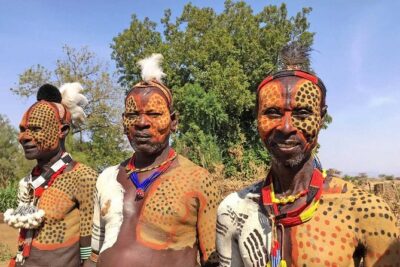
Danakil Depression, Lalibela, Omo Valley and Simien Mountains
Read our review →


9 Days Tours To Danakil Depression, Simen MNP, Lalibela With Omo Valley Tribes
Read our review →Browse the lists this tour appears in