
Reviewed · OMO VALLEY TOURS
6 days Omo valley cultural Tour
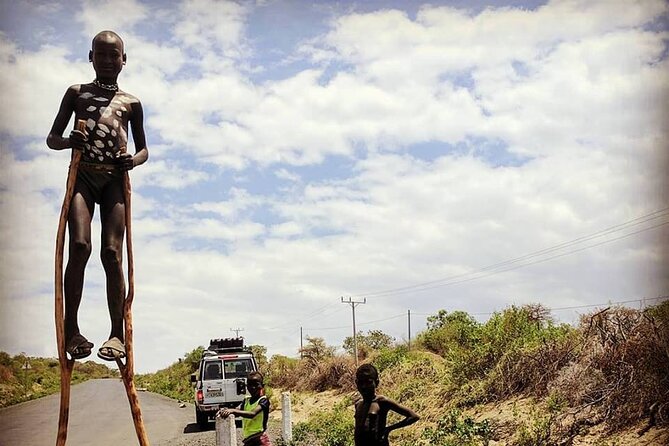
If you want a trip that feels like it is happening in real time, this 6-day Omo Valley cultural tour is built for that. You spend your days with local communities in Ethiopia’s south, moving between places like Dorze, Konso, Jinka, Mago National Park, Turmi, and the Lower Omo groups.
I love the small group size (max 8) because it makes it easier to ask questions and keep the day flowing at a human pace. I also like that the tour is local-led, with an English-speaking guide and a route that focuses on remote, less-frequented stops in the Omo region.
One thing to consider is the pace and travel days. You should have moderate physical fitness, expect long road stretches, and plan for cultural sites and ceremonies that depend on timing and day-of schedules.
Key highlights you will actually feel on the ground

- Max 8 travelers, which helps the guide tailor what you do and when you move
- Local-led tribal visits across several Omo Valley communities, not just one stop
- Konso’s UNESCO stone wall villages and communal terraces system you can see with your own eyes
- Mursi settlement visit in Mago National Park area, including earlobe and lower lip body adornment traditions
- Market-day timing in the Turmi area, with mention of Thursday Key Afer and Saturday Dimeke
- A farewell night in Addis Ababa with cultural dinner, buffet, and local drinks
Planning your Omo Valley days, with a 7:30 am start

This tour is built as an in-the-field circuit. It starts at 7:30 am and runs about 6 days, using an air-conditioned vehicle and an English-speaking guide. Pickup is offered, and you will be dealing with a lot of moving around, which is normal for southern Ethiopia.
I like that the operator keeps the group small, and that there are group discounts. It usually means you spend less time waiting and more time at the communities where your questions matter. The tour is also designed around the Omo region only, so you are not wasting days doing long detours.
A practical note: the experience is listed as needing good weather. If conditions are bad, you may be offered a different date or a refund, so do not plan to lock other tight connections right after your Ethiopia south days.
More Multi-Day Tours in Addis Ababa
- 6 Days Omo Valley Tribes Tours From Addis Ababa
★ 5.0 · 33 reviews - Danakil Depression and Lalibela 5 Days Tours
★ 5.0 · 28 reviews - 3 Days Omo Valley Tour
★ 5.0 · 24 reviews
Dorze Village near Chencha: weaving, enset gardens, and a bee-hive shaped home
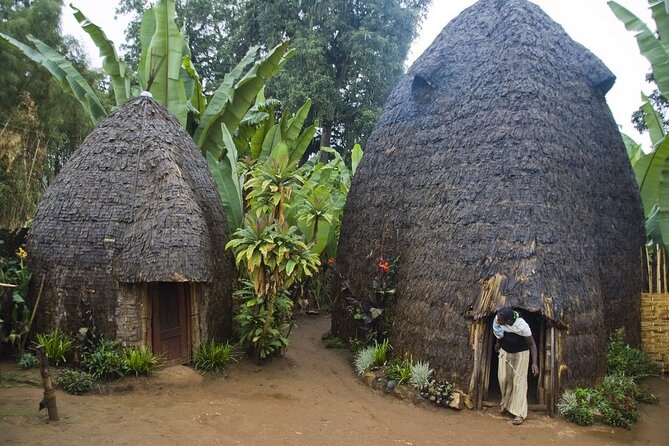
Day 1 heads uphill about an hour toward Chencha, then to the Dorze. This community is part of the larger Omotic language group in southern Ethiopia. Historically they were warriors, and today many focus on farming and weaving as a livelihood.
What I would prioritize when you’re there is the weaving side. The Dorze name is linked to some of the best woven cotton cloth in the area, and the houses are not just walls. Each Dorze bamboo house includes a small garden around enset (a false banana plantation), plus beds of spices and cabbage, and even tobacco, since the Dorze are described as passionate smokers.
Expect to see the Dorze’s distinctive architecture too. The main house can reach up to about twelve meters, shaped like a beehive, and it has an aristocratic nose feature that functions as a reception space.
This is a strong first day because it sets the tone. You are not starting with a museum stop. You are starting with living work: fiber, gardens, and daily life you can watch up close.
Konso Cultural Centre: stone wall villages and communal terraces you can trace

On Day 2 you visit the Konso Cultural Centre, part of a UNESCO World Heritage listing. Konso is famous for its stone wall villages, and for a communal approach to sustainable farming using terracing.
The thing I like here is that the story is physical. The stone walls and the terraces show how communities organize work together, and that makes it easier to understand why people value the land and why it shapes village life.
Expect about a half-day block at Konso. The cultural centre format also tends to be easier for photographers and for first-time visitors because there is usually a clearer flow and way to ask questions. Still, be ready for a place that feels busy even when it is not a city.
If you are sensitive to heat or sun, bring a hat. You will be outdoors more than you expect, because terraces and stone villages are not view-from-a-car spots.
Jinka and the Ari Village: enset skirts, food prep, and pottery skills
Later on Day 2 you move toward Jinka and visit the Ari Village. The Ari are described as the most populous group in the middle Omo Valley, and the day focuses on food preparation and daily life.
One of the standout details is clothing and craft. Women wear skirts made from enset, and the Ari are also described as pottery experts. If you like learning how everyday objects are made and used, this is the stop where you can spot those skills quickly.
You also have a practical advantage here. Visits like this often work well for travelers who want cultural insight but do not want every moment to be tied to a ceremony. Food preparation is a reliable way to understand local rhythms.
Do keep in mind that this kind of visit can move at a community pace. If your travel style is all checklists and strict timing, you may need to loosen the schedule in your head.
Other journeys down to the lower Omo:
- Danakil Depression, Lalibela, Omo Valley and Simien Mountains
★ 5.0 · 23 reviews - 5 Days Omo Valley Tours
★ 5.0 · 15 reviews - 6 Days Lalibela, Omo Valley and Harar
★ 5.0 · 15 reviews - Private Omo Valley Tours From Addis Ababa
★ 5.0 · 12 reviews
Mago National Park and the Mursi: straw leaf homes and lip traditions

Day 3 starts with the Mago National Park area and a visit to the Mursi settlement. This is an ethnic group described as unusual within Ethiopia’s mix of communities.
The first impression is housing. Dwellings are made from straw leaves and are described as quite low. The second impression is body adornment traditions. The women are known for expanded lower lips and decorated earlobes, and the description specifies terracotta as part of the traditional setup.
I think the value of this stop is how it expands your understanding of identity and custom beyond what you might expect to see in a one-day cultural show. You are seeing a way of life and how physical traditions connect to social meaning.
A careful note: body ornamentation is a sensitive topic in many cultures. If you take photos, ask first and follow local guidance on where to stand and what not to photograph. It keeps the experience respectful for you and for the people who are sharing their home with you.
Turmi markets and Hammer culture: Thursday Key Afer and Saturday Dimeke
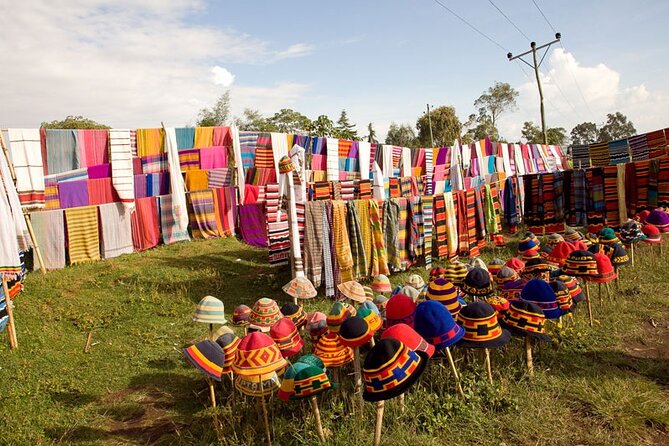
In the afternoon on Day 3, you drive to Turmi, home of the Hammer people. The tour also notes connections in culture and proximity, including similarities with the Banna tribe and shared traditions with the Kara tribe.
Here you will focus on how people live and how identity shows up in daily expression. Women’s hairstyles and necklaces are described as meaningful, not random decoration.
One practical highlight is the market timing. The market days listed for the area are Thursday, Key Afer, and Saturday, Dimeke. If your day lines up, you get more energy and more of the everyday economy than you get during village-only visits.
This is also where I recommend you slow down and watch without turning it into a performance. Markets are social spaces. You will get better conversations if you stay patient, keep your tone calm, and let the guide translate what you want to ask.
Karo tribe visit and the possible Jumping of the Bulls Hamer wedding
Day 4 is where the tour leans into ceremonies and body art, with a Karo tribe excursion and a second block in Turmi.
For the Karo experience, you should expect a guided village visit with traditions like body painting and beadwork. The description also suggests you may get chances to take part in local activities like farming or fishing, plus a traditional meal. Photography may be possible, but it is framed around respecting local etiquette.
Then the day shifts to Hammer culture again in Turmi. You visit one Hammer village to learn about housing, music, coffee, and more. The big ceremony possibility is the Jumping of the Bulls traditional Hamer wedding ceremony, and it is explicitly conditional, meaning you attend if it is happening.
I like this structure because it gives you options. If the ceremony is on, you get a rare snapshot. If it is not, you still learn through crafts, daily routines, and community life.
If you are traveling with a camera, bring it, but keep it ready. Some moments are meant for sharing, not for spectacle. Let the guide set the pace so you do not interrupt.
Kara ceremonies, headdresses, scarification, and the Jinka museum stop
Day 5 begins with the Kara people of the Lower Omo River region. The description emphasizes ceremonial self-expression through elaborate headdresses, body scarification, and body painting. It also notes that this group is small, described as fewer than a thousand people, which makes visits feel extra personal.
After Kara, the drive continues to Jinka. On the way you visit Dimeka Market if it is the market day, which is Saturday in the provided schedule.
In Jinka, you visit the ethnological museum. This matters because after days focused on villages and ceremonies, the museum can help you get your bearings on who the people are across southern Ethiopia and how nationalities are grouped and discussed.
This mix is good planning. You get raw, on-the-ground experience, then you get enough context to connect the dots later. It can also help if you want to understand what you saw without turning every detail into a question mark.
Addis Ababa farewell night: dinner, buffet, and local drinks
Day 6 brings you back to Addis Ababa. The tour includes shopping time, then an evening farewell party with cultural dinner, a traditional special buffet, and local drinks.
This last day is not just about comfort. It is about closing the trip with something social and sensory, especially after several days where you might have eaten mostly simple village meals. If you are a foodie, take this chance to slow down and taste a few Ethiopian flavors at one sitting.
After the farewell party, you are transferred to the airport for international departure. Plan your energy level like you would for any final-night event: you will probably be tired, but it is a good tired.
Price and value of $1,250: what you get for your money in the Omo
At $1,250 per person, the value here depends on what you compare it to. In Ethiopia’s south, a tour like this is not just transportation. You are paying for local-led access to specific ethnic communities and for a schedule that strings together several destinations with an English-speaking guide.
The included package is practical. You get air-conditioned vehicle use, pickup, an English speaking guide, all fees and taxes, and breakfast for 6 days. Dinner is included too, and the tour also includes admission tickets on multiple stops, while some other stops are marked as free in the schedule you’re following.
You also get mobile tickets and group discounts. The max 8 travelers detail matters because it often reduces wasted time and makes communication easier when you need clarification.
What you should budget separately is personal expense, since that is explicitly not included. Also, remember that in this region, last-minute changes can happen due to conditions and timing, so keep some flexibility in what you book after the tour.
Should you book this Omo Valley cultural tour?
Book it if you want an Omo Valley trip that stays focused on communities, with a small group, English guidance, and a route that hits multiple ethnic groups across different days. It is a good fit if you enjoy practical learning, market energy, and understanding how traditions show up in housing, craft, food, and ceremony.
Skip it or rethink your expectations if you dislike long road days or you need a very fixed schedule that never changes. Also be honest with yourself about comfort and etiquette. This tour centers on human traditions that deserve patience, permission, and respect, especially around body adornment and ceremonial events.
If you do book, I suggest packing a calm mindset, keeping your camera use thoughtful, and letting your guide set the pace. The best parts of this tour come from slowing down enough to see the work behind what you’re photographing.
FAQ
How long is the 6 days Omo Valley cultural tour?
It runs for about 6 days.
What time does the tour start?
The start time is 7:30 am.
What is the maximum group size?
The tour has a maximum of 8 travelers.
Is pickup offered?
Yes, pickup is offered.
What meals are included?
Dinner is included, and breakfast is included for 6 days.
Are fees and admission tickets included?
All fees and taxes are included, and admission tickets are included for multiple listed stops, while some other entries are marked as free.
Is there an English-speaking guide?
Yes, the tour includes an English speaking guide.
Can I cancel for a full refund?
You can cancel up to 24 hours in advance for a full refund. If it is canceled due to poor weather, you will be offered a different date or a full refund.
More Historical Tours in Addis Ababa
- Day Trip From Addis Ababa See Historical Monastery,Stunning Nature,Animals,Birds
★ 5.0 · 303 reviews - Hidden Treasures of Addis Ababa – Food, Culture and History Tour
★ 5.0 · 57 reviews - Northern Ethiopia Historic Route
★ 5.0 · 12 reviews - DAY TRIP TO THE UNESCO HERITAGE SITE TIYA & Melka Kunture
★ 4.5 · 10 reviews
Longer Routes Through Addis Ababa
- Lalibela 3 Days/ 2 Nights Tour package
★ 5.0 · 13 reviews - 9 Days Tours To Danakil Depression, Simen MNP, Lalibela With Omo Valley Tribes
★ 5.0 · 11 reviews - 5 Days Tour to World Heritage-listed Harrar, Dire Dawa and Awash NATIONAL PARK
★ 4.5 · 10 reviews - 5 days Omo valley
★ 5.0 · 9 reviews
Newly reviewed in Addis Ababa
- Addis Ababa City Tour★ 4.5 · 3 reviews
- Full Day Addis Ababa City Tour with Hotel Pick Up And Drop Off★ 5.0 · 3 reviews
- 2 days trek around Lalibela★ 5.0 · 3 reviews
- Day Trip Around Addis Ababa★ 5.0 · 3 reviews
- Northern Ethiopia (Historic route)★ 5.0 · 3 reviews
- Addis Layover Tour of Mercato With Airport pick up & drop off★ 5.0 · 3 reviews
- Day Tours around Addis Abeba, Melka Kunture and Adadi Mariam★ 5.0 · 3 reviews
- Day Trip From Addis Ababa To Debre Ziet★ 5.0 · 3 reviews
Omo Valley Tours, compared.
6 Days Omo Valley Tribes Tours From Addis Ababa
Read our review →
Lalibela, Axum, Danakil and Omo Valley 8 DAYS
Read our review →
Danakil Depression, Lalibela, Omo Valley and Simien Mountains
Read our review →


9 Days Tours To Danakil Depression, Simen MNP, Lalibela With Omo Valley Tribes
Read our review →Browse the lists this tour appears in