
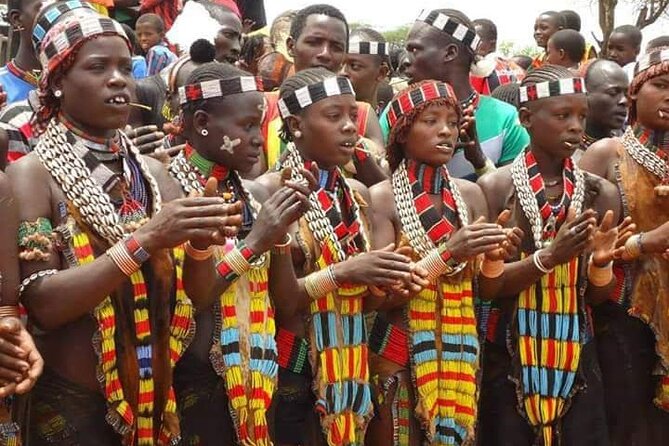
Reviewed · OMO VALLEY TOURS
6 day Omo ValleyTours
The Omo River Valley is the kind of trip that changes how you look at culture. In a small region of southern Ethiopia, you meet dozens of distinct ethno-linguistic groups, each with their own clothing, body art, and social traditions. It’s a place where daily life still looks close to what ancestors practiced for generations.
What I like most is the mix of face-to-face village time and real-world context, not just photo stops. I also like that the group stays small, with a maximum of 15 travelers, and that service is built around a guide who can handle the details for you. One thing to consider, though, is the travel day reality: you are doing long drives, plus a dugout canoe crossing and border-area procedures, so this is not a sit-back-and-sleep tour.
Key highlights worth planning for
- Small group pace (max 15), so you’re not lost in a crowd
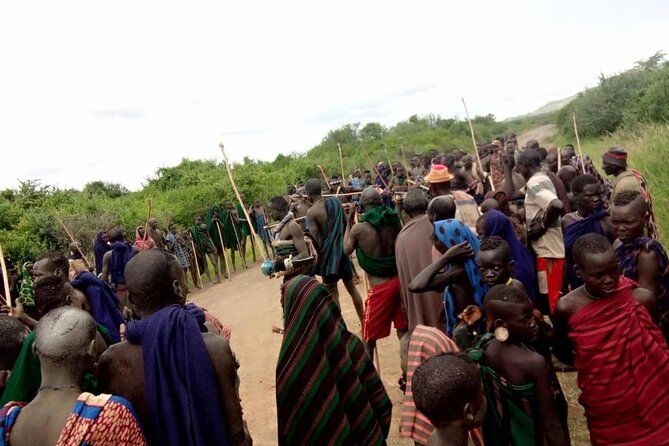
- Market-day flexibility (Mon, Tue, Thu, Sat) for Hamar and other village stops
- Hamar village evening in Turmi, with optional Bull Jumping and Evangadi dancing
- Kara body and face painting by the Omo River, including the chance to get painted
- Dassanech near the Kenya border, including an immigration post stop and a dugout canoe crossing
- Arba Minch Chamo Lake time for crocodiles, a fish market, and a boat outing
Why the Omo Valley tribes still feel different
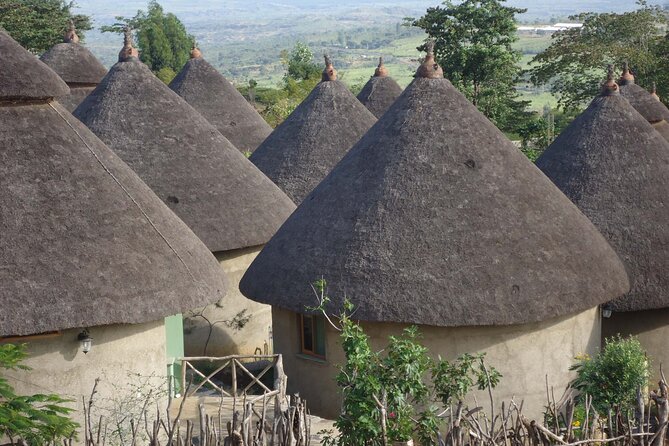
The Omo Valley packs major cultural variety into a tight geography. You’re not seeing one tribe and calling it a day. Instead, you’re moving between groups like the Hamar, Kara, Dassanech, Mursi, Dorze, and Konso area communities, each with their own look and customs that are easy to spot in person once you’re there.
This is also a region under pressure from the outside world. That means a trip like this is not just about spectacle. It’s about seeing people in a place where tradition and change are both present, sometimes side by side. If you like travel that makes you think, this region can do that fast.
Other journeys down to the lower Omo:
- 6 Days Omo Valley Tribes Tours From Addis Ababa
★ 5.0 · 33 reviews - 3 Days Omo Valley Tour
★ 5.0 · 24 reviews - Danakil Depression, Lalibela, Omo Valley and Simien Mountains
★ 5.0 · 23 reviews
Meeting up and moving south: Addis, Jinka, and long drives
Your tour is based out of Addis Ababa, and the start meeting point is Bole Addis Ababa International Airport with a 9:00 am start time. Pickup is offered, and you’ll use a mobile ticket.
Day 1 begins with a welcome at Jinka (Baco) Airport. Domestic flights are not listed as included, so you should plan to get yourself to Jinka (Baco) before the tour begins there. Once you’re with the vehicle and guide, the day-to-day rhythm is road travel with frequent tribal stops and set meal breaks.
The upside of this logistics style is simple: you get to reach remote villages and border-area regions without you negotiating anything. The downside is equally real: you will spend serious hours in transit. Build in patience, bring layers, and plan to stay present once you reach each village.
Turmi markets and Hamar village evenings
Turmi is the start point for your first tribal immersion. The drive from Jinka to Turmi is about 130 km, roughly 2 hours. When you arrive, you’re in Hamar territory, with villages nearby and daily life that is still organized around community patterns.
If it’s a market day, you may visit markets in places like Jinka, Kako, Keyafer, Alduba, or Turmi town. Market days are Monday, Tuesday, Thursday, and Saturday. This matters because it changes what you see. Markets can mean more people, more trading, and more chances to observe how groups interact beyond a single village.
In the late afternoon, you’ll visit a Hamar tribal village for an authentic immersion experience. You may also have optional ceremony opportunities. Specifically, you might see the Bull Jumping Ceremony of the Hamar or the Evangadi Dancing Ceremony. Whether you get those depends on timing and availability.
Where this stop shines for you is the evening tone. Markets are busy in a daytime way, but village time late in the day often feels more conversational, like you’re seeing community life settle.
Kara by the Omo River and the chance to get painted
Day 2 keeps the focus in Turmi but shifts you west about 65 km (around 1 hour) to meet the Kara (Karo) people along the Omo River. The Kara are described as the smallest ethnic group in the Omo Valley, and they’re known for elaborate body and face paintings.
This day is one of the more hands-on cultural moments. You may be able to get your face or body painted in the Kara way of beautification. That’s not for everyone. If you like direct, active participation, it can be a memorable souvenir that is cultural, not commercial. If you prefer to observe only, you can still enjoy the artistry and explain what you are seeing through conversation.
You’ll return to Turmi for lunch, and again, if it’s a market day, you may have additional market time in the area. You can also have the optional Hamar ceremony chances again, if timing allows.
For practical planning, think about your comfort. Body paint is a commitment, not a quick dab. I’d treat it like a day where you plan to keep your look fresh and not worry about perfect photos.
More from Addis Ababa to consider
- 6 Days Lalibela, Omo Valley and Harar
★ 5.0 · 15 reviews - 6-Day Omo Valley Cultural Private Tour
★ 5.0 · 6 reviews - 6 Days Visiting Omo Valley Tribes
★ 4.0 · 4 reviews - 6 days Omo valley cultural Tour
★ 5.0 · 3 reviews
Dassanech near Kenya: immigration post and the dugout canoe
Day 3 moves you toward the border region. You depart around 8:30 am for a drive of about 72 km, roughly 1 hour, to Omo Rate town to experience the Dassanech tribe. Omo Rate is described as the last town near the Kenyan border, so this is where the trip starts feeling more like a working frontier route than a museum-style outing.
Before heading to the village, you go to an immigration post. After that, you cross the Omo River by a dugout canoe, then you walk about 10 minutes to reach the village.
That canoe crossing is the kind of moment that makes the trip feel real. It’s not a scenic extra. It’s how people actually travel in the area, and it helps you understand why the village is where it is.
Afterward, you head back toward Turmi for lunch, and you may have market time again if the day lines up. There is also an optional Bull Jumping Ceremony opportunity mentioned for this stretch.
Finally, you continue to Jinka for the night at Eco-Omo Lodge (in the new building rooms, as stated). This overnight change is useful because it gives you a different base, and it reduces the feeling that every day is one endless road push.
Mago National Park crossing and Mursi lip plates
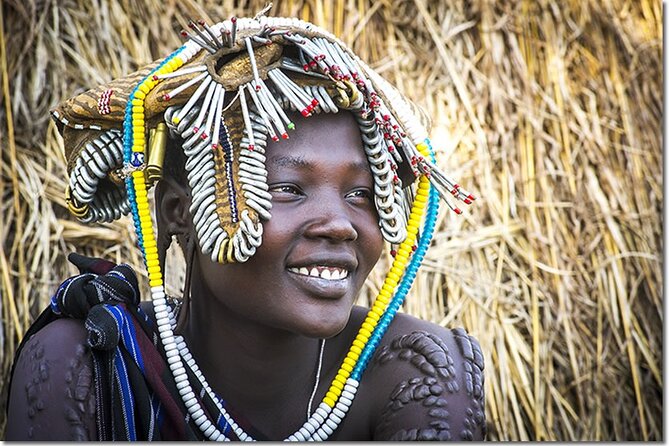
On Day 4, you drive about 50 km, including crossing Mago National Park, to visit the Mursi. This is one of the most distinctive visual stops in the entire region. Mursi women are known for lip plates, and seeing that tradition in context is more powerful than seeing it in a single staged photo.
The big benefit here is that you’re not just viewing artifacts. You’re meeting people and learning what a tradition means within daily life. That kind of understanding only happens when you slow down enough to ask questions and listen.
After interacting with the Mursi, you return to Jinka and then drive about 150 km to Konso to visit a Konso village.
This day balances cultural intensity with a lot of movement. If you’re prone to getting travel-sore, I’d treat this as a day to keep your energy for the village time and not try to squeeze extras.
You overnight at Kanta Lodge Konso.
Konso village time, Dorze weaving, and kocho from enset
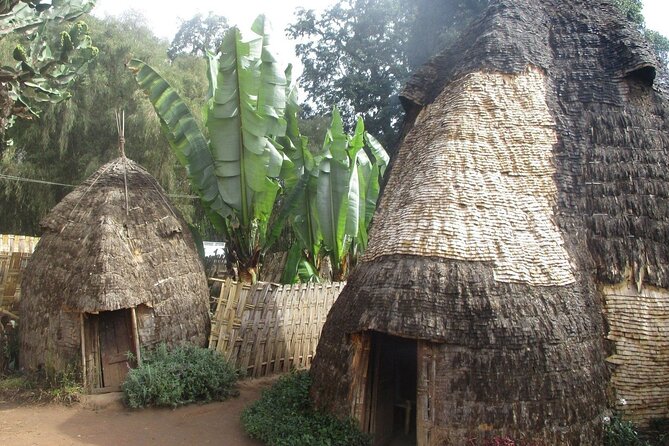
Day 5 is a shift from Konso area to highland life. You continue on a 130 km drive to visit the Dorze people living on Guge Mountain at an altitude of 2400 m.
Dorze life is known for handicrafts, especially weaving and pottery. This is the kind of stop that helps you understand the practical side of culture. Handicrafts here are not just items to buy. They’re part of how people make daily life, work, and identity.
A highlight is the preparation of kocho, a local food made from the false banana plant (Enset). Food moments like this can be underrated because they feel small, but they often give you the best sense of what people value and how they live.
After lunch, you head to Arba Minch Airport for an afternoon flight onward to Addis Ababa, as stated in the plan. One thing to keep in mind for your planning: domestic flights are not included, and flight timing can affect the exact day shape, so stay flexible and confirm the final transfer details with your operator.
Arba Minch chamo lake: crocodiles, fish market, and boat time
Day 6 continues in the Arba Minch area. You’ll be picked up at your hotel around 8:00 am and taken to Chamo Lake to see crocodiles and a fish market. Then you’ll hang around by boat for a few hours.
After that, you drive back to Arba Minch for walking time to see the city, then you take your plan toward Addis after lunch at 1:30 pm with transfer to Arba Minch airport.
Even if crocodiles are not your thing, this is still a strong day because it’s not only culture. It’s daily commerce and wildlife, both presented in the same travel corridor. The fish market and boat time can be a great contrast after several days of village visits.
Price and what is really included in the $899
At $899 per person, this is not a cheap trip, but it also isn’t priced like a luxury package with lots of extras you might not need. Here’s what’s included, in plain terms:
- Air-conditioned vehicle
- Local guide
- Accommodation (specific lodges are used in Turmi, Jinka, and Konso)
- Entrance fees as per program
- Government taxes
- Airport/Departure Tax
- Meals: Breakfast (5), Lunch (6), Dinner (5)
What stands out is that your daily food is handled, and the guide plus entrance fees are included. That reduces the number of daily decisions you have to make and keeps your focus where it should be, on the places and conversations.
What is not included: drinks and domestic flight. Since the tour begins with a welcome at Jinka (Baco) Airport, you should budget for getting yourself to that starting point. If you’re booking airfare yourself, factor in how your arrival time lines up with the tour start.
Also, the group maximum is 15 travelers. That’s part of why the service model matters. Smaller groups can mean you spend more time asking questions and less time waiting for people to catch up.
Service quality: why this tour is praised
The strongest theme from the operator side is professional, communicative guiding. Multiple accounts mention Mickey as a key person, and one includes guide Abey. The common thread is that the guide handled comfort and questions in a real way, including customized planning when schedules or time were tight.
In tours like this, “professional” means you don’t lose hours to confusion. It means the pace stays workable, you get to the right places at the right time, and you can relax enough to enjoy the experience rather than manage logistics.
If English support matters to you, you’ll be glad to know that at least one highlight calls out strong English from Mickey. I’d still confirm your exact guide assignment before you go, but it’s a positive signal.
How to get the most out of cultural visits (and stay respectful)
You’ll see body art, ceremonies, and traditions that are visually striking. The temptation is to treat it like a performance. I’d avoid that.
Instead, focus on behavior that works anywhere:
- Ask before photographing or filming, and accept a no without debate.
- Let the guide explain the basics first, then ask simple questions based on what you see.
- If ceremonies like the Bull Jumping or Evangadi dancing are optional, decide based on whether you can watch calmly and respectfully, not based on whether it looks good on camera.
Also remember, some moments are active, like markets and canoe crossings. Keep your attention on safety and flow, not only on getting the perfect shot.
Finally, if you choose a day like Kara face or body painting, treat it as participation. Don’t treat it as a costume.
Who this trip suits, and who might reconsider
This tour fits you if you want:
- Culture-focused days with village visits across multiple groups
- Some optional ceremony time, depending on timing
- A guide who handles logistics and helps you connect with what you’re seeing
- A balanced mix of people, food traditions, and a final nature and market day at Chamo Lake
It might be less ideal if you:
- Want minimal driving and a slower schedule
- Don’t handle border-area procedures well, since you’ll stop at an immigration post near the Kenya border
- Prefer not to do hands-on moments like potential body painting
Should you book this 6-day Omo Valley package?
I’d book it if your priority is real contact with Omo Valley cultures, with enough structure that you can enjoy the day instead of wrestling logistics. The value is strong because the package includes transport, lodging, guide support, entrance fees, taxes, and most meals. That combination matters a lot on a trip where time and distance are both real.
I’d hesitate only if you cannot align domestic travel to the Jinka (Baco) start, or if you know you get cranky with long road days. For many people, the solution is simple: plan your arrival times carefully and keep your expectations realistic about driving.
If you want a trip where culture is the main course, not a garnish, this one makes a lot of sense.
FAQ
How long is the Omo Valley tour?
It’s approximately 6 days.
How much does the tour cost?
The price is $899.00 per person.
Where do you meet for the tour, and what time does it start?
The meeting point is Bole Addis Ababa International Airport in Addis Ababa, Ethiopia, and the start time is 9:00 am.
Is pickup offered?
Yes, pickup is offered.
Is there a mobile ticket?
Yes, a mobile ticket is included.
What is the maximum group size?
The tour has a maximum of 15 travelers.
Is a domestic flight included?
No, domestic flight is not included.
What meals are included?
Breakfast is included 5 times, lunch is included 6 times, and dinner is included 5 times.
Are entrance fees included?
Yes, entrance fee as per program is included.
What optional ceremonies can be included?
The Bull Jumping Ceremony of the Hamar and the Evangadi Dancing Ceremony are mentioned as optional.
What is the cancellation policy?
You can cancel for free up to 24 hours in advance for a full refund.
Newly reviewed in Addis Ababa
- Addis Ababa City Tour★ 4.5 · 3 reviews
- Full Day Addis Ababa City Tour with Hotel Pick Up And Drop Off★ 5.0 · 3 reviews
- 2 days trek around Lalibela★ 5.0 · 3 reviews
- Day Trip Around Addis Ababa★ 5.0 · 3 reviews
- Northern Ethiopia (Historic route)★ 5.0 · 3 reviews
- Addis Layover Tour of Mercato With Airport pick up & drop off★ 5.0 · 3 reviews
- Day Tours around Addis Abeba, Melka Kunture and Adadi Mariam★ 5.0 · 3 reviews
- Day Trip From Addis Ababa To Debre Ziet★ 5.0 · 3 reviews
Omo Valley Tours, compared.
6 Days Omo Valley Tribes Tours From Addis Ababa
Read our review →
Lalibela, Axum, Danakil and Omo Valley 8 DAYS
Read our review →
Danakil Depression, Lalibela, Omo Valley and Simien Mountains
Read our review →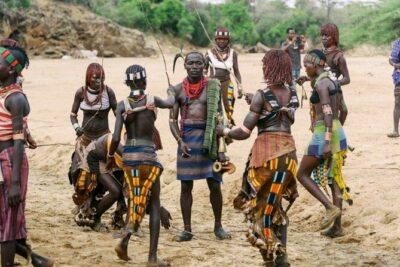

9 Days Tours To Danakil Depression, Simen MNP, Lalibela With Omo Valley Tribes
Read our review →Browse the lists this tour appears in