
Reviewed · OMO VALLEY TOURS
5 days Omo valley
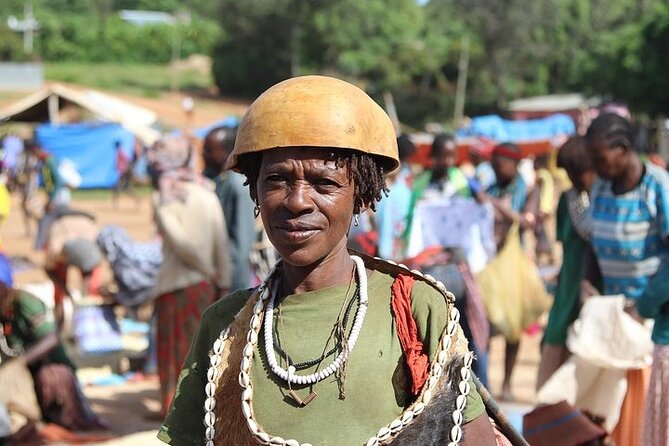
The Omo Valley is one of those places where culture does not sit behind glass. You meet people who use color, clay, and body paint as everyday identity, then you watch bold outfits and ornaments turn people into a walking gallery.
What I like most is how the itinerary moves tribe to tribe, so you are not stuck on one single community for days. I also like that you get built-in variety, including a boat safari on Lake Chamo and village market days tied to the calendar.
One thing to consider: some stops involve practices like skin scarification, and you should be ready for strong visuals and to handle photos with care and respect.
Quick highlights before you choose
- Small group size (max 13): more time for questions, less rushing.
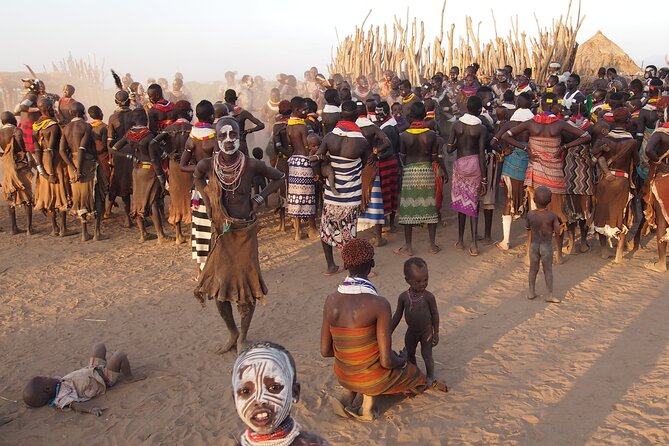
- Village visits across multiple tribes: Dorze, Konso, Karo, Nyangatom, Hamer, Dassenech, Mursi, Ari.
- Lake Chamo boat safari: a rare “break” from driving and walking.
- Markets on Keyafer and Dimeka: you travel for the day’s rhythm, not just a checklist.
- Admissions included for village visits and markets: less hassle, more time on people and place.
- English-speaker driver guide plus a professional guide: you are not left guessing.
Entering a world of color, clay, and daily ceremony
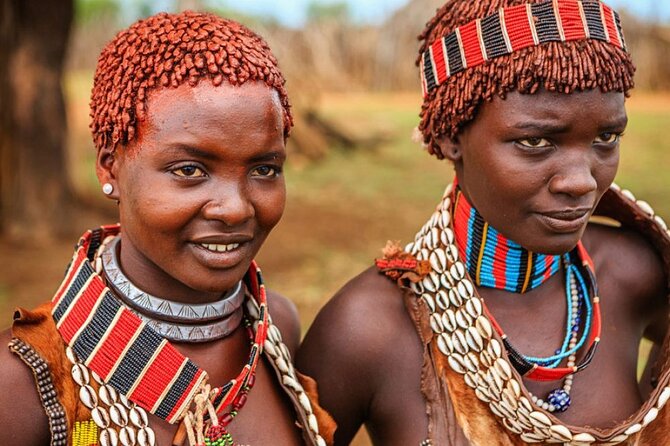
This tour is built around a simple idea: the Omo Valley people express identity through what they wear and how they apply color. The region’s environment is described as full of wild trees, exotic flowers, and lush vegetation, and that matters because it connects to the materials and the palette used in everyday body decoration.
You will notice the contrasts fast. Think rich earth-reds from clay soil, bright yellows, startling whites, and makeup that looks dramatic even before you understand the reasons behind it. The big point is this is not only performance for visitors. It is also a social language, a way of signaling pride, belonging, and decisions about outfits that feel motivated by joy, not approval.
I also like that the tour sets you up to see different styles. Some tribes emphasize head decorations and flamboyant accessories, while others are known for distinct physical marks and ornamental choices. That variety helps you avoid the common mistake of treating “tribal culture” like one thing.
More Multi-Day Tours in Addis Ababa
- 6 Days Omo Valley Tribes Tours From Addis Ababa
★ 5.0 · 33 reviews - Danakil Depression and Lalibela 5 Days Tours
★ 5.0 · 28 reviews - 3 Days Omo Valley Tour
★ 5.0 · 24 reviews
Price and logistics: what $830 buys you, and what to double-check
At $830 per person, the value comes from the package structure. The tour includes private transportation, air-conditioned vehicle, hotel accommodation for 4 nights, an English speaker driver guide, plus a professional guide. It also includes all fees and taxes and lists admission for the major village visits and markets.
That is important for you because the Omo Valley region is not a place where you want to haggle for every small ticket and transfer while you are tired. With a set itinerary and admissions handled, you spend less time managing the logistics and more time paying attention.
What I would double-check before you book is what is covered under airfare. The day-by-day plan includes flying to Arbaminch on Day 1, but the inclusions list does not clearly state flights. Ask your operator directly whether the flight segment is included in your quote, and whether any international flights are separate.
Also, the tour offers pickup and mentions group discounts. That usually means better pricing if you travel with the operator’s group rather than going fully private, but the exact discount rules are not listed here. If you have flexibility on dates, it can be worth asking what departures have the best group deal.
Day 1: Arbaminch and the Dorze village in the mountains
Day 1 starts with the transfer from Addis Ababa direction to Arbaminch, and then a cultural safari focused on the Dorze village. The plan has you exploring an authentic Dorze settlement in the mountains overlooking Arbaminch.
For you, the key benefit here is the orientation. The Omo Valley tour is about people, but it also helps to get your bearings in the region. Mountain villages tend to slow the day down in a good way, and the viewpoint concept, overlooking Arbaminch, gives context for why these communities developed where they did.
A practical consideration: mountain areas often mean changeable comfort, from warm sun to cooler air depending on time of day. You will do better with layers than with one single outfit.
Day 2: Lake Chamo boat safari, then Turmi with Konso villages and market days
Day 2 has a nice rhythm. You do a boat safari on Lake Chamo, then you drive to Turmi. After that, you visit a local Konso village and you plug into market time at Keyafer (Thursdays) and Dimeka (Saturdays), depending on which day your departure lands on.
The boat safari is not just a break. It changes your pace and gives you a chance to reset before the more intense cultural stops. Even without wildlife promises spelled out in the itinerary, being on the water helps you avoid the feeling that the whole trip is one long series of drives and entry fees.
The Konso stop matters because it shows a different side of the region’s culture beyond body decoration. And the markets matter because they are where people sell, trade, snack, gossip, negotiate, and move through the day like it is normal life. That is the kind of “real” you can feel even if you do not speak the language.
One caution for you in markets: expect the pace to be social, not cinematic. If you want photos, ask first and keep your interaction respectful and short so you do not block someone’s work.
Other journeys down to the lower Omo:
- Danakil Depression, Lalibela, Omo Valley and Simien Mountains
★ 5.0 · 23 reviews - 5 Days Omo Valley Tours
★ 5.0 · 15 reviews - 6 Days Lalibela, Omo Valley and Harar
★ 5.0 · 15 reviews - Private Omo Valley Tours From Addis Ababa
★ 5.0 · 12 reviews
Day 3: Karo for scarification and ornament, then Nyangatom and Hamer
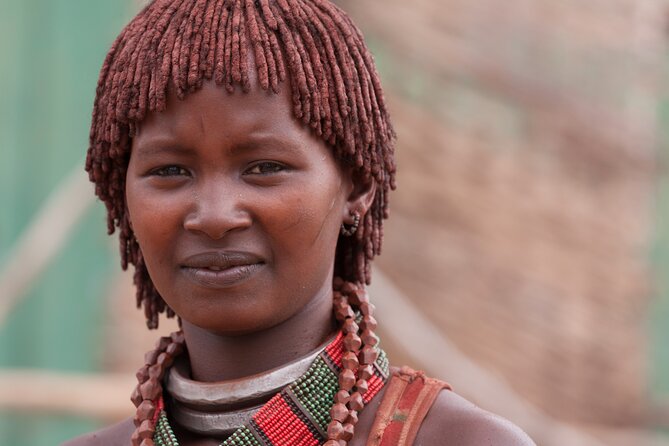
Day 3 is where the tour turns intense in a visual way. You drive to Karo village, which the plan notes is known for skin scarification and ornamental decorations. Then you go to Nyangatom village, and in the afternoon you visit the Hamer tribe village.
This is the day that can hit hardest, so I will be clear about expectations. Practices like scarification are not just “a photo spot.” They are part of cultural meaning, and the visuals can be difficult if you are not mentally prepared. If you want the experience to stay respectful and comfortable, come with patience, not curiosity that turns into staring.
A good trick is to ask your guide what kind of interaction is appropriate before you get close. The tour includes a professional guide and an English speaker driver guide, so you should use them to set the tone. You do not need to be overly formal. You just need to be aware that this is someone’s life, not a museum exhibit.
From a value standpoint, this day covers multiple communities in one route. That reduces travel time between distant areas, and it keeps the trip from feeling like you missed the main cultural contrast points.
Day 4: Omorate by the Omo River, Dassenech, Jinka, Ari, and the museum stop
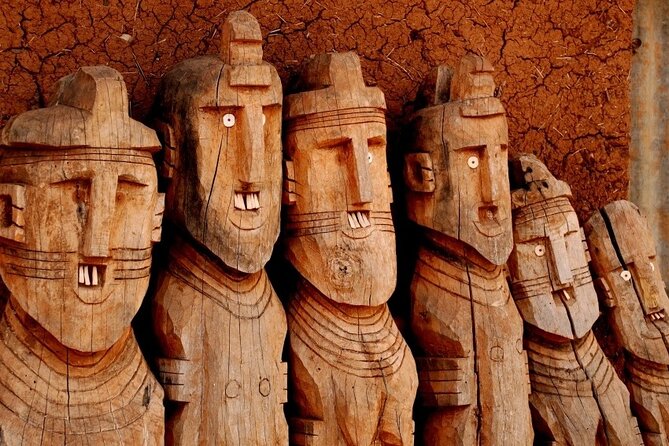
Day 4 starts with the Dassenech tribe village visit in Omorate, near the Omo River. Then you return to Turmi, drive onward to Jinka, and visit the Ari tribe village and the South Omo Ethnography Museum.
The river location is useful for you because it helps explain how environment shapes daily life. When you are by the Omo River, you can better understand why communities cluster where they do and how movement, farming, and social life tie to water.
The museum stop is a smart addition because it gives you a chance to connect what you saw in the field to more organized cultural context. I like having at least one place in a program where you can pause and think without constant travel.
You also have another market component on Day 4. The plan repeats the idea of Keyafer (Thursdays) and Dimeka (Saturdays). That means your market experience may land here instead of Day 2 depending on your calendar.
Two practical notes for this kind of day:
- Wear shoes you can trust for uneven ground.
- Keep your plans flexible in the late afternoon. Driving days can run long, and the tour format is about people and access, not strict timetable fantasy.
Where is Day 5, and how should you plan for it?
The provided schedule covers Days 1 through 4 in detail, and it lists the trip as 5 days (approx.). That means Day 5 details are not spelled out here, so you should ask your operator what the final day includes for your specific departure.
In practice, for a tour based out of Addis Ababa, the last day often becomes a return transfer or a transition day. Confirm timing and overnight plans, especially if you have a flight connection out of Addis Ababa afterward.
Group size, guides, and why this format matters
This tour is set for a maximum of 13 travelers, which I think is the sweet spot for this kind of cultural travel. You get the social energy of a group, but you are not stuck in a huge crowd that breaks conversations into quick hellos.
The tour also includes English speaker driver guide and a professional guide. That pairing matters. The driver handles roads and timing, while the guide can manage interpretation, etiquette, and the flow of entry into villages.
I have seen this operator described as having genuinely passionate guides in other parts of Ethiopia, with names like Henok for Addis Ababa city knowledge, and Yenew for professional organization. I also saw Gabriel praised for well-run longer journeys. That history gives you a clue about what they aim for: explanation that feels practical, not scripted.
Village encounters and photography: do it right, or skip the photo
The Omo Valley tour is about direct contact. That means you should treat your camera as a tool that needs permission, not a right.
Here is what I recommend, based on what this itinerary includes:
- On days tied to scarification and close ornament displays, ask before photographing.
- If people do not want cameras, do not try to win the argument. Focus on conversation and respect.
- Dress in a way that is modest and comfortable. The tour visits villages and markets, so you will likely be walking and spending time outdoors.
A small humorous reality check: in places like this, you will often learn faster by watching and listening than by chasing the perfect shot. The best photos usually come after you have built a minute of trust.
Markets at Keyafer and Dimeka: more than shopping stops
The itinerary calls out markets at Keyafer (Thursdays) and Dimeka (Saturdays). That detail is gold because it tells you the trip is not only about visiting villages on a random day. It is timed to match when markets actually run.
For you, that makes the experience more authentic. Markets show relationships, trade, and daily life in motion. You might see a mix of materials being sold, local food items, and goods that tie into clothing and adornment.
And because these markets happen on specific weekdays, your departure date influences how the day feels. If you can choose dates, try to align your travel with the market day that fits your schedule and stamina.
Hotels and air-conditioned comfort: why it matters in the south
The tour includes hotel accommodation for 4 nights and uses an air-conditioned vehicle. That sounds basic, but it becomes a quality-of-life issue when your days mix early starts, walking, and long drives.
You will appreciate having a predictable place to sleep, especially after days like Day 3, where you stack Karo, Nyangatom, and Hamer. After that kind of day, a cool room and reliable beds help you keep your patience for the next village visit.
The exact hotel standard is not specified here, so treat “hotel included” as a promise of accommodation, not a guarantee of luxury. If you care about room comfort, ask what hotel category is used for your dates.
Who this tour suits best
This 5-day Omo Valley experience is best for you if:
- You want a focused cultural tour that covers multiple tribes rather than one area.
- You enjoy guided interpretation and want an English speaker to help you understand context.
- You like variety in the day, from boat safari time to markets and village visits.
It may not fit you if you want a slow, restful trip with lots of downtime. The itinerary is packed with driving and multiple community visits. If you like to move at a relaxed pace, you might feel the schedule tightly packed.
It also suits people who are comfortable with strong cultural sights and who value respectful interaction. If you are worried about emotional discomfort from scarification practices or intense visual displays, do not just go in with nerves. Talk with your guide and decide how you want to participate.
Should you book this Omo Valley tour?
If you want a guided, structured way to experience the Omo Valley’s most talked-about cultural areas, I think this is a strong candidate. The value comes from what is included: private transport, air-conditioned driving, four nights of lodging, English guidance, and admissions to villages and markets. That reduces the everyday friction that can ruin a cultural trip.
I would book it if you are excited by people, not just scenery, and if you can handle strong cultural visuals with respect. I would hesitate only if you dislike fast pacing, or if you strongly prefer that every aspect of the schedule be fully spelled out, including what happens on the final day.
Bottom line: if you are ready for an active cultural itinerary with real interaction points, this tour can deliver exactly what it promises.
FAQ
What is the duration and group size for the Omo Valley tour?
The tour runs for 5 days (approx.) and has a maximum of 13 travelers.
What is included in the price?
The listed inclusions are private transportation, air-conditioned vehicle, hotel accommodation (4 nights), an English speaker driver guide, a professional guide, and admissions/entry fees for Dorze, Konso, Kara/Karo, Nyangatom, Mursi, Hamer, Dassenech, Ari villages, plus Keyafer and Dimeka markets. It also includes all fees and taxes.
Do you offer pickup?
Yes, the trip indicates pickup offered.
Is there a boat safari on this itinerary?
Yes. The schedule includes a boat safari on Lake Chamo on Day 2.
Which markets are visited, and on what days?
The itinerary notes markets at Keyafer (Thursdays) and Dimeka (Saturdays). Those market stops are built into the route on the days they match your departure schedule.
What happens if the weather is poor or you need to cancel?
The experience requires good weather. If it is canceled due to poor weather, you will be offered a different date or a full refund. Cancellation is free up to 24 hours in advance for a full refund.
More 5-Day Experiences in Addis Ababa
- 5 DAYS Lalibela, Axum, Tigray churches and Danakil
★ 5.0 · 34 reviews - 5 Days North Ethiopia Tours
★ 5.0 · 23 reviews - 5 DAYS Axum, Lalibela, Tigray churches and Danakil
★ 4.5 · 22 reviews - 5 Days Lalibela-Danakil Tour
★ 4.5 · 11 reviews
Longer Routes Through Addis Ababa
- Lalibela 3 Days/ 2 Nights Tour package
★ 5.0 · 13 reviews - 9 Days Tours To Danakil Depression, Simen MNP, Lalibela With Omo Valley Tribes
★ 5.0 · 11 reviews - 5 Days Tour to World Heritage-listed Harrar, Dire Dawa and Awash NATIONAL PARK
★ 4.5 · 10 reviews - 5 Days Omo Valley Tribal Tours
★ 5.0 · 7 reviews
Newly reviewed in Addis Ababa
- Addis Ababa City Tour★ 4.5 · 3 reviews
- Full Day Addis Ababa City Tour with Hotel Pick Up And Drop Off★ 5.0 · 3 reviews
- 2 days trek around Lalibela★ 5.0 · 3 reviews
- Day Trip Around Addis Ababa★ 5.0 · 3 reviews
- Northern Ethiopia (Historic route)★ 5.0 · 3 reviews
- Addis Layover Tour of Mercato With Airport pick up & drop off★ 5.0 · 3 reviews
- Day Tours around Addis Abeba, Melka Kunture and Adadi Mariam★ 5.0 · 3 reviews
- Day Trip From Addis Ababa To Debre Ziet★ 5.0 · 3 reviews
Omo Valley Tours, compared.
6 Days Omo Valley Tribes Tours From Addis Ababa
Read our review →
Lalibela, Axum, Danakil and Omo Valley 8 DAYS
Read our review →
Danakil Depression, Lalibela, Omo Valley and Simien Mountains
Read our review →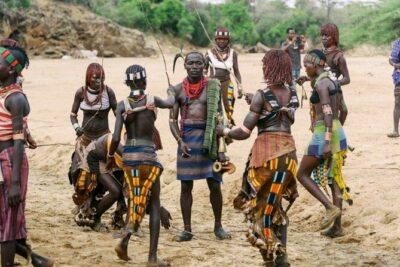


9 Days Tours To Danakil Depression, Simen MNP, Lalibela With Omo Valley Tribes
Read our review →Browse the lists this tour appears in