
Two things make this 5-day Omo Valley trip so compelling: the range of tribes you visit, and the fact that it is tightly organized with a guide like Sisay who gets high marks for English, professionalism, and flexibility. You get specific cultural highlights, including Mursi lip-plating, Karo body and face painting, and Hamer bulls-jumping ceremonies, plus a Dorze stop for tall beehive-style houses and cotton weaving. The route is also designed to reduce guesswork, with flights between regions, boat time on Lake Chamo, and admission tickets folded into the plan.
One consideration before you commit: this is not a sit-and-watch-easy kind of trip. You should plan for a moderate fitness level and long driving days, and some ceremonies or timing may depend on what is happening when you arrive (like the note about seeing Hamer bulls jumping if it is occurring).
Key Highlights You Should Care About
- Sisay-led days with strong English and a reputation for adapting to what you care about
- Lake Chamo boat ride plus visits tied to cultural sites and tribe communities
- Multi-tribe route across Dorze, Konso, Mursi, Ari, Hamer, Dasenech (Galeb), and Karo
- Adventure with structure: flights, road travel, and local crossings built into the schedule
- Small group feel with a maximum of 15 travelers
- End-of-trip culture in Addis Ababa, including Merkato shopping and coffee at TOMOCA
Why This Omo Valley 5-Day Route Works So Well
Omo Valley is famous for culture, but good trips make that culture easier to experience without turning it into a chaotic checklist. This plan strings together the key regions in a way that keeps your days moving, while still giving you actual time with each community.
I also like that you are not just ticking boxes at the Omo Valley Tribes gate. You go deeper across the circuit: Dorze in the Gughe Mountains for weaving, Konso for terracing and totems, Mago National Park for the Mursi, then Ari and Hamer around Jinka and Turmi. The payoff is that you see variety in how people live and how communities express identity, from body decoration to house styles to ceremonies.
The other practical win is pacing through travel logistics. You fly from Addis Ababa to Arba Minch, then later you fly back from the Jinka airport area to Addis Ababa. That reduces the amount of backtracking you would otherwise do. You still get plenty of road time, but the overall structure is built to fit a 5-day window.
More Multi-Day Tours in Addis Ababa
- 6 Days Omo Valley Tribes Tours From Addis Ababa
★ 5.0 · 33 reviews - Danakil Depression and Lalibela 5 Days Tours
★ 5.0 · 28 reviews - 3 Days Omo Valley Tour
★ 5.0 · 24 reviews
Day 1: Arba Minch, Dorze Beehive Houses, and Cotton Weaving
Your first day starts with a flight from Addis Ababa to Arba Minch. After landing, you drive to the hotel for check-in, then you eat lunch at the hotel. This is a good way to settle your body clock before you head out into the Gughe Mountains.
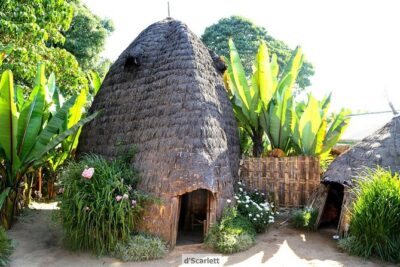
Then comes the Dorze visit. Dorze people are known for tall, beehive-like houses and fine cotton weaving. That combination matters because it is not just a photo opportunity. When communities make things with their hands, you get a better sense of daily life than you would from a quick roadside stop. Even if you only catch pieces of the craft, it frames the trip as living culture, not a stage show.
Back to Arba Minch for overnight, and the day stays manageable. You do not have a long series of transfers yet, just the flight, the drive, and the mountain outing. The one drawback is obvious: it is a travel day plus a cultural day. If you are sensitive to fatigue, you will want to keep your pace calm and hydrate early.
What to look for on this day:
- Dorze beehive-style homes and how the houses shape life in the mountains
- Cotton weaving as a craft, not just a souvenir theme
- The transition from city travel into Omo Valley rhythm
Day 2: Lake Chamo Boat Time, Konso Totems, and Jinka Arrival
Day 2 is where the trip starts to feel like a moving cross-section of southern Ethiopia.
In the morning, you take a boat trip on Lake Chamo. The schedule includes time at the crocodile market and visits to hippo pods. Even if you are not thrilled by animals close-up, it is still a memorable way to see how people interact with their environment.
After the boat time, you drive to Jinka via Konso. At Konso, you visit the Konso Cultural Centre and meet the Konso people, who are known for totems erected in honor of the dead and for intricate agricultural terracing techniques. That focus on both belief systems (totems) and practical farming (terracing) is a strong combo. It also helps you compare how communities manage land and memory across the Omo Valley region.
Then you continue to Jinka for the night. This is a day with more moving parts than Day 1, but it also gives you variety. One moment you are on the water, the next you are in a cultural site, then you are back on the road.
A couple of practical tips for enjoying this day:
- Wear footwear that works for uneven ground around sites
- Bring something for sun and bugs, since you are outdoors in open areas
- Keep expectations flexible after boat and driving, because timing can shift
Day 3: Mago National Park for Mursi, Ari Lifestyle, and Hamer Jumping of the Bulls
Day 3 begins with a drive to Mago National Park to visit the Mursi tribe. The tour description calls out the Mursi’s lower lip-plating. This is the kind of identifier that draws most people to the region, but the best way to experience it is to treat it as part of a larger cultural setting, not the only topic.
After Mursi, you return to Jinka and drive to Ari. The Ari people are described as hardworking, and you will discover their unique lifestyle through traditional house and agriculture. Again, this is valuable because it shifts you from a single body-art highlight to everyday survival skills, the routines that keep a community going.
Next, you head to Turmi for the homes of the Hamer tribes. The schedule includes Hamer traditional night dancing of Evangadi and the jumping of the Bulls ceremony, listed as a traditional wedding event. Importantly, the plan says you will visit it on the same day if there is one. That is a key reality check. You are traveling on a human schedule, so the best approach is to be ready for an option if timing does not align perfectly.
This day is probably the most intense in terms of cultural density. You go from Mago to Jinka to Ari and then to Turmi, and you still pack in major Hamer events if they are happening.
How to make Day 3 work for you:
- Keep your questions respectful and brief, since community time is still community time
- Expect a long day, and plan snacks and water around it
- Do not treat ceremonies like guaranteed “tickets,” treat them like part of local life
Other journeys down to the lower Omo:
- Danakil Depression, Lalibela, Omo Valley and Simien Mountains
★ 5.0 · 23 reviews - 5 Days Omo Valley Tours
★ 5.0 · 15 reviews - 6 Days Lalibela, Omo Valley and Harar
★ 5.0 · 15 reviews - Private Omo Valley Tours From Addis Ababa
★ 5.0 · 12 reviews
Day 4: Dasenech (Galeb) Omo River Crossing, Karo Face Painting, and More Hamer Time
Day 4 is designed around the Omo River itself and then pairs that with two more standout cultural stops.
In the morning, you drive to Omorate and cross the Omo River by local boat to visit the Dasenech tribe, also known as the Galeb tribe. This is one of those moments that changes the feel of the day. A river crossing is not just a transport detail. It gives you a different vantage point on the geography and on how communities relate to the river.
Then you return to Turmi for lunch. After lunch, you drive to the Karo tribe. The tour description notes that the Karo are the smallest group in the Omo Valley and live along the east banks of the Omo River. It also highlights that they excel specifically in body and face painting. For anyone who cares about how appearance, identity, and tradition tie together, this is a major stop on the itinerary.
After Karo, you drive back to Turmi and visit the Hamer again. This time, the focus is on how people live in family arrangements: related families living in a circle with their cattle. Then you get planned time with the Hamer tribes and head back to the hotel.
This day’s strength is that it adds layering. You do not just see one flash-bang moment. You see a river crossing, then you see painting practices, then you see a more “inside daily life” view with the family-cattle setup.
The only drawback is comfort. Between the boat crossing, driving, and repeated village visits, you will likely feel it in your legs and back. Stick to what works for you, pace yourself, and save your energy for what matters most.
Day 5: From Turmi to Addis Ababa, Dimeka Market, Merkato Shopping, and Coffee at TOMOCA
Day 5 is the flip side of Omo Valley. You move from tribe visits into markets and a city evening.
You drive from Turmi to the Jank area to catch your flight to Addis Ababa. En route, you stop at a local market in Dimeka. Then you continue driving to the Jinka airport area. In the afternoon, you fly into Addis Ababa, drive to Merkato, and do shopping.
Merkato is Africa’s largest market of its kind, and the tour plan includes time for browsing and shopping. That is a good way to turn your last day into something practical, especially if you want textiles, crafts, or gifts based on what you saw earlier in the trip.
After shopping, you go to TOMOCA coffee shop for Ethiopian coffee. Then you finish with a farewell party that includes cultural foods and drinks and traditional live music.
It is a nice emotional arc. You start in the Omo Valley with communities rooted in tradition, then you end in Addis with a city version of culture through food, music, and market energy.
Price and Logistics: Is $1,648 Good Value Here?
At $1,648 per person for an approximately 5-day tour, you are paying for a serious route plus multiple paid entries, not just transportation. The itinerary notes admission tickets are included for the key outings across multiple days, and you also get built-in flights between Addis Ababa, Arba Minch, and the Jinka airport area back to Addis.
The other value factor is group size. With a maximum of 15 travelers, this is not a huge crowd scene. It should feel more like a small organized group moving between communities, rather than a packed bus experience.
Also, you are getting pickup offered, plus a mobile ticket, which can make the first day less stressful.
Where the cost might feel heavy is if you are not excited about visiting several different tribes within a short span. This tour is built around cultural stops, including body decoration and ceremonies. If your idea of a perfect trip is slower sightseeing, you may not love the pace.
What Your Days Feel Like on the Ground (And How to Prepare)
This itinerary is packed, so preparation matters.
Expect long driving days. Many segments include “drive to” between locations, plus stops that require time outdoors. Your fitness level should be moderate, not hardcore trekking, but you should be comfortable with being in a vehicle for hours and then walking around at each stop.
Expect variable ceremony timing. The Hamer bulls jumping is noted as visitable the same day if there is one. That tells you what you need to know: you are working around real life schedules, not a staged calendar.
Expect that you will learn names and context quickly. A big part of the value is that your guide helps connect the dots: Dorze weaving, Konso terracing and totems, Mursi lip-plating, Ari houses and agriculture, and Karo painting. A good guide makes it easier to ask the right questions without turning the visit into awkward silence.
Finally, use the small group size to your advantage. In a group capped at 15, you can usually ask questions and get answers from the guide without feeling like you are behind a wall of people. In the reviews, Sisay gets praised for being available, prepared, and flexible about what interests you. That matters when you want the day to match your curiosity, not just the itinerary on paper.
Who Should Book This Omo Valley Tour, and Who Should Skip It
Book this tour if you:
- Want a 5-day circuit that hits multiple tribes, not just one
- Like structured travel with flights and a plan that includes admission tickets
- Want a guide who is praised for strong English and professional handling, like Sisay
- Are okay with a moderate fitness level and long days
Skip it if you:
- Want a low-intensity trip with lots of downtime
- Get stressed by schedule changes tied to ceremonies or real-world timing
- Prefer fewer communities and more time in each place
Should You Book Adefa Tours for Lower Omo?
My take: if you want an organized, multi-tribe Omo Valley experience with admissions handled and a guide named Sisay who gets strong praise for English, professionalism, and flexibility, this is a solid choice. The itinerary hits the key cultural elements that most people come for, including Dorze weaving, Konso totems and terracing, Mursi lip-plating, Ari houses and agriculture, Hamer night dancing and bulls jumping, Dasenech (Galeb) across the Omo River, and Karo face and body painting.
The “maybe not” is simple. This is a compact schedule. If you are not comfortable with long travel days and a moderate fitness level, you may find it tiring. If you go in with the mindset that you are there for culture and ceremonies that depend on what is happening locally, you will be happier.
If you do book, choose your priorities before departure. Decide what you care about most (for many people it is body decoration, ceremonies, or daily village life), then use your guide’s flexibility to focus your attention.
FAQ
How long is the Omo Valley tour?
It is listed as 5 days approximately.
Where does the tour start?
It starts in Addis Ababa, with a meeting time of 8:30 am.
Is pickup included?
Yes, pickup is offered.
What is the group size limit?
The tour has a maximum of 15 travelers.
Is the tour suitable for everyone physically?
It says travelers should have a moderate physical fitness level.
What’s included regarding tickets?
Admission tickets are included for the activities listed in the itinerary days.
Do you fly during the tour?
Yes. The itinerary includes flying from Addis Ababa to Arba Minch, and later flying from the Jinka area back to Addis Ababa.
What tribes and activities are part of the plan?
The route includes Dorze, Konso, Mursi, Ari, Hamer, Dasenech (Galeb), and Karo. It also includes a boat trip on Lake Chamo, a crocodile market stop, hippo pods, and local ceremonies like Hamer bulls jumping if it is occurring.
Are mobile tickets provided?
Yes, the tour includes a mobile ticket.
What is the cancellation policy?
Cancellation is free. You can cancel up to 24 hours in advance of the experience start time for a full refund.
More 5-Day Experiences in Addis Ababa
- 5 DAYS Lalibela, Axum, Tigray churches and Danakil
★ 5.0 · 34 reviews - 5 Days North Ethiopia Tours
★ 5.0 · 23 reviews - 5 DAYS Axum, Lalibela, Tigray churches and Danakil
★ 4.5 · 22 reviews - 5 Days Lalibela-Danakil Tour
★ 4.5 · 11 reviews
Longer Routes Through Addis Ababa
- Lalibela 3 Days/ 2 Nights Tour package
★ 5.0 · 13 reviews - 9 Days Tours To Danakil Depression, Simen MNP, Lalibela With Omo Valley Tribes
★ 5.0 · 11 reviews - 5 Days Tour to World Heritage-listed Harrar, Dire Dawa and Awash NATIONAL PARK
★ 4.5 · 10 reviews - 5 days Omo valley
★ 5.0 · 9 reviews
Newly reviewed in Addis Ababa
- Addis Ababa City Tour★ 4.5 · 3 reviews
- 2 days trek around Lalibela★ 5.0 · 3 reviews
- Day Trip Around Addis Ababa★ 5.0 · 3 reviews
- Full Day Addis Ababa City Tour with Hotel Pick Up And Drop Off★ 5.0 · 3 reviews
- Northern Ethiopia (Historic route)★ 5.0 · 3 reviews
- Addis Layover Tour of Mercato With Airport pick up & drop off★ 5.0 · 3 reviews
- Day Tours around Addis Abeba, Melka Kunture and Adadi Mariam★ 5.0 · 3 reviews
- Day Trip From Addis Ababa To Debre Ziet★ 5.0 · 3 reviews
Omo Valley Tours, compared.
6 Days Omo Valley Tribes Tours From Addis Ababa
Read our review →
Lalibela, Axum, Danakil and Omo Valley 8 DAYS
Read our review →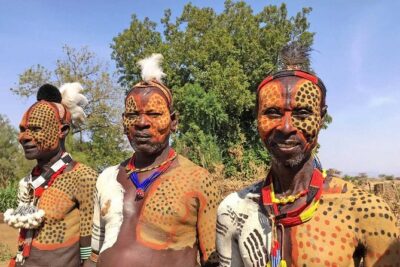
Danakil Depression, Lalibela, Omo Valley and Simien Mountains
Read our review →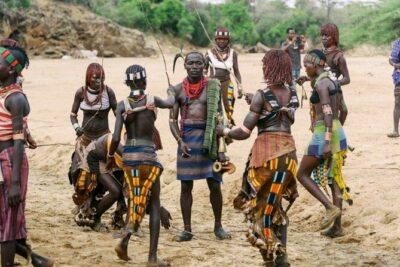


9 Days Tours To Danakil Depression, Simen MNP, Lalibela With Omo Valley Tribes
Read our review →Browse the lists this tour appears in