
Reviewed · DANAKIL DEPRESSION TOURS
5 DAYS Lalibela, Axum, Tigray churches and Danakil
This is an unusual Ethiopia mix: UNESCO carved churches in Lalibela and Axum, then a full-blooded swing into Danakil geology with Erta Ale’s lava lake and the salt country. You’re not just sightseeing. You’re moving through very different worlds, with domestic flights stitching the days together.
I especially like two parts. First, you get the historical punch of Lalibela plus the Axum ruins in the same itinerary, so your trip feels more than just a one-region highlight. Second, the Danakil timing is built around the real star, Erta Ale, with early starts for sunrise and crater views.
The big consideration is physical reality. The Danakil drive can be rough, and the trip requires moderate physical fitness, plus it depends on good weather, so you should plan to be flexible.
Key highlights you will actually feel
- Lalibela and Axum in one run: UNESCO churches plus Axum ruins, not a stop-and-skip add-on.
- Erta Ale at sunrise: early timing for crater-pit views, then a planned descent and return to base.
- One of the world’s only permanent lava lakes: Erta Ale is described as the only permanent lava lake and one of only five in the world.
- Salt mining at Ragad (Asebo): you’ll see workers cutting salt into rectangular pieces and loading it on camels.
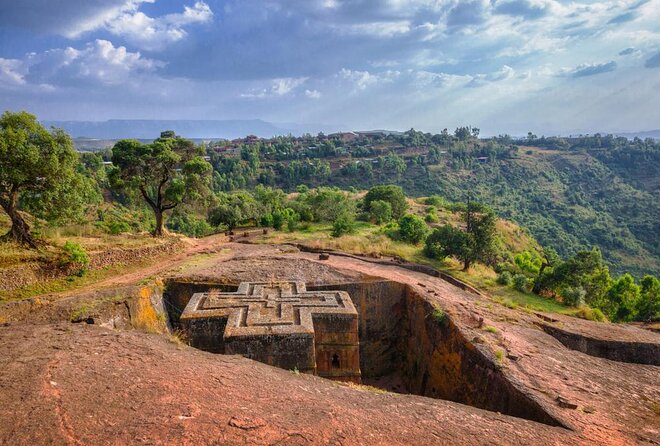
- Dallol and Lake Assal area: Dallol’s volcanic colors, then the low-lying Lake Assal stop.
- Private group feel: it’s your group only, so the pacing tends to match your itinerary.
Five days linking UNESCO churches with Erta Ale lava lake
This tour does a tough balancing act, and that is what makes it worth a close look. You start in Ethiopia’s north, hit Lalibela’s rock churches, fly to Axum for the ruins, then shift into the Danakil Depression, which is geologically active because tectonic plates meet and pull apart at the Afar Triple Junction.
For you, that means fewer wasted days. Instead of driving long stretches just to connect regions, the itinerary uses three domestic flights (with Ethiopian Airlines) and keeps the ground travel focused on the areas you came for.
It also means the schedule is active. You will have mornings packed with transfers and set visit times. If you prefer slow travel, you might find the rhythm intense, especially once Danakil heat and rough roads start working on your patience.
Other descents into the Danakil:
- 12 Days SIMIEN MOUNTAIN-LALIBELA-DANAKIL-TIGRAY CHURCHES
★ 5.0 · 45 reviews - 3 Day Danakil Depression Ertale and Dallol Tours
★ 5.0 · 44 reviews - 2-Night 3-Day Danakil Depression Tour without Flights
★ 4.8 · 31 reviews
Day 1 in Lalibela: rock-hewn churches and UNESCO stonework
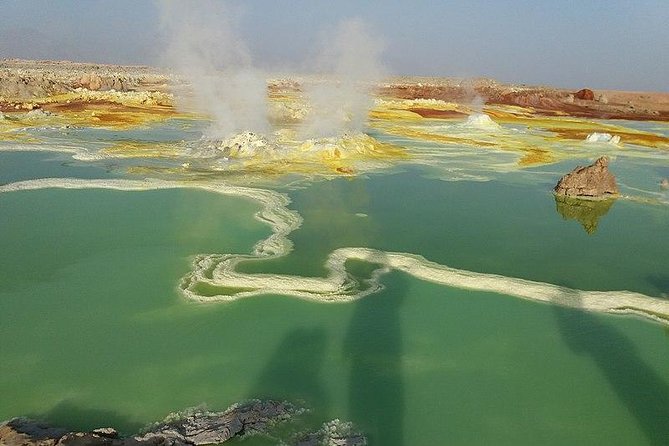
Day 1 is all about Lalibela, with a flight north followed by a transfer to your hotel and then churches after lunch. The timing matters. You avoid the hardest part of the day right after arrival, and you still get solid daylight for the first cluster.
The first set of visits focuses on the churches north of the Jordan River stream. These are rock-hewn churches associated with King Lalibela’s reign, dated in the itinerary to 1181 to 1221. You also get the big UNESCO reason for coming: these churches are registered as a World Heritage Site.
In practical terms, you will see about eleven rock churches arranged into groups of three. That grouping is useful because it helps you organize what you’re looking at. You can mentally match church clusters to the story of how the town’s sacred geography was carved and laid out.
A small watch-out: Day 1 includes admission tickets, so budget no extra entry fees here. But you still want comfortable walking shoes, because these are stone sites and uneven ground is common at heritage complexes.
Day 2: Axum ruins, Adwa route, and Gheralta churches base at Hawzen
On Day 2, the itinerary switches gears. You fly from Lalibela to Axum in the morning, spend hours exploring the ruins of Aksum, then shift into a driving day toward the Hawzien or Hawzen area.
Axum is your history anchor before Danakil. The ruins give you a different kind of Ethiopia context than Lalibela. Instead of carved churches, you’re dealing with the remains of a major ancient center, and it helps your trip feel less like a one-note itinerary.
After Axum, you drive toward Hawzein/Hawzen via Adwa, and the plan is to sleep in the Hawzen base area through the Gheralta plains. The itinerary notes Gerealta Lodge or Wukro Lodge as possible overnights.
Why this base choice is smart for you: Hawzen gives you access to rock-hewn churches at Gheralta (the itinerary frames the town as the base from which you visit). It’s a practical way to reach scattered sites without changing hotels multiple times.
The downside is simple. Day 2 is a lot of movement: a flight, ruins time, then a drive. If you get car sick easily, it’s worth thinking about that before you choose this exact timing.
Day 3 to Erta Ale: the rough road and the main event
Day 3 is the day your camera roll will not stop filling up. The tour heads to Erta Ale via Mekele, and there’s a clear geographic reason for the route. Mekele is tied in with the itinerary’s Afar language detail, where it mentions smoky mountain as the meaning of Mekele.
You start early, around 9:00 AM, then drive about 80 km to Dodom, at the base of Erta Ale. The itinerary is honest about what to expect, calling this one of the roughest roads in the world. Even if you’ve handled bumpy travel before, treat this as a day where comfort is limited and patience is part of the price of admission.
Now the key facts, because Danakil is about scale. Erta Ale is described as a shield volcano with a base diameter of 30 km and a summit caldera around 1 km square. It contains the world’s only permanent lava lake, and the itinerary notes it is one of only five in the world. It also highlights the lava lake being present since the early years of the twentieth century.
What that means for you: this is not a quick photo stop from far away. The itinerary frames Erta Ale as physically challenging, and you’re moving into position to see the lava lake, which is exactly why the trip is special.
Practical tip from experience with travel like this: you will want to protect your eyes and skin, because dust and glare are typical in volcanic regions. The itinerary doesn’t list what supplies you’ll have on the route, so pack what you usually rely on: sun protection, a hat, and something for dust.
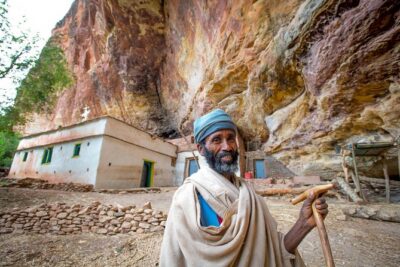
Other cliff churches in Tigray:
- 5 DAYS Axum, Lalibela, Tigray churches and Danakil
★ 4.5 · 22 reviews - Ethiopia Tigray Tours: Guided tour of Tigray rock hewn churches
★ 5.0 · 36 reviews - Day Trip to Gheralta’s Cliffside Churches, “Sacred Heights”
★ 5.0 · 13 reviews - 4-Day Tour: Tigray Churches & Danakil Depression Adventure.
★ 5.0 · 11 reviews
Day 4: sunrise at the crater pits, then optional Lake Giulietti or Lake Afrera
Day 4 starts with the most dramatic part: early morning sunrise around the northern pit crater, plus a short walk to the southern and central pits. The itinerary mentions that this walk is about five minutes, which sounds easy until you picture crater terrain and early light conditions.
The main pit crater is described as about 200 m deep and 350 m across, with a sub-circular, three-storied structure. The smaller southern pit is described as around 65 m wide and about 100 m deep. You’re walking near features that are not just scenic. They are actively shaped by ongoing geology.
Then the plan is to descend from Erta Ale around 9:00 AM. After that, you leave back to Dodom after an early breakfast, around 7:00 AM, with the itinerary stating you should reach the camp by about 10:30 AM.
This is a good day to remember that “rest time” exists, even inside a packed itinerary. Once you’re back at camp, you can breathe and reset before the next drive.
The itinerary also includes an optional stop for Lake Giulietti (or Lake Afrera). It also notes availability might depend on season or conditions. Translation for you: don’t count on it 100 percent, but do take it seriously as a possible bonus if conditions allow.
Day 5: Ragad salt mining, Dallol, Lake Assal, and Afar camel caravans
Day 5 is where Danakil becomes human, not just volcanic. You start with a drive to Ragad (Asebo), described as a salt mining locality.
Here the itinerary is specific about what you will see. Salt mining workers break salt from the ground, cut it into rectangular pieces, and load it onto camels. This is the practical side of the Danakil story, and it’s one of those moments where you realize the geology isn’t only for scientists. It’s for livelihoods.
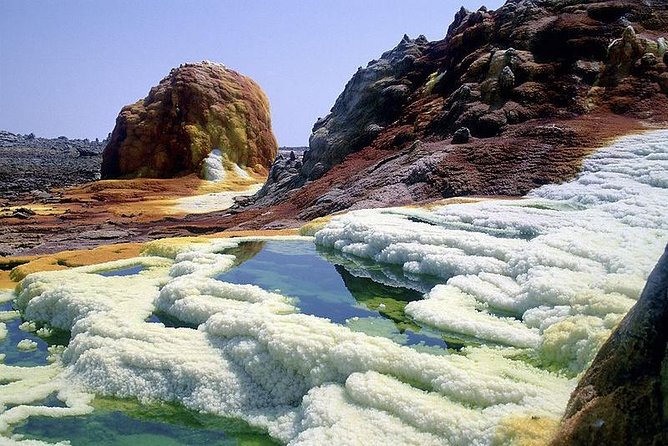
Then you continue to Dallol, where you visit the Dallol area along with Lake Assal and the setting for camel caravans. The itinerary notes Dallol is 116 meters below sea level, and it calls out colorful salts mining plus walking with the Afar people.
Important timing note: the itinerary says there is no camel caravan on July, August, and early September. If you’re traveling in those months, plan for different visuals at this stop. The salt and volcanic colors can still be striking, but you won’t get that caravan component.
After the Danakil end sequence, you drive back to Hamedela, then proceed to Mekele. Your final flight to Addis Ababa is at 7:50 PM, arriving about 9:10 PM.
That late arrival is worth thinking about if you have onward plans in Addis. Plan for a restful evening rather than a tight same-day connection.
Price and logistics: is $1,025.65 worth it?
At $1,025.65 per person for about five days, this tour isn’t the cheapest way to see Ethiopia. But it also isn’t trying to be. The price bundles the hard-to-organize parts: three domestic flights, multiple admissions (noted as included on each day of the itinerary), and a steady set of meals.
Here’s what you get that helps justify value:
- Domestic flights with Ethiopian Airlines are included, which is a big deal for distance.
- Pickup is offered, so you are not piecing together transfers on your own.
- You get breakfasts (5), lunches (3), and dinners (3).
- The itinerary marks admission tickets included for the major stop days.
What isn’t included is straightforward: tips and laundry. That means you should mentally add some cushion for gratuities and any personal wash needs.
Also, this is priced for a private group. The itinerary says it’s private, and only your group participates. If you’re traveling with friends or family and can share the cost, the per-person value can feel much stronger.
One more note based on a pattern you can spot in the feedback: the operator has shown they can keep flights on time and rework the route when country conditions change. That kind of flexibility has real value in Ethiopia, where plans can shift fast.
What it feels like on the ground: heat, walking, and staying sane
This is an active itinerary with two very different kinds of effort.
In Lalibela and Axum, your job is walking heritage sites and dealing with stone steps and uneven ground. These days are tiring, but they are not physically extreme. The bigger challenge is attention, because there’s a lot to see and the sites reward focus.
Then Danakil arrives. The itinerary calls for moderate physical fitness, and it emphasizes challenging terrain, crater pits, and rough roads. Even if you’re fairly fit, you should expect fatigue from heat exposure and long travel segments.
How to think about packing with this in mind:
- Plan for dust and sun, not just rain.
- Wear shoes that handle uneven surfaces and have good grip.
- Bring a way to protect your eyes and skin, because glare near salt and volcanic surfaces can be intense.
The food schedule helps. You’re not left searching for meals all day. But you are still in remote areas sometimes, so it’s wise to treat hydration as your responsibility, even when meals are included.
Who this tour is best for, and who should pass
This tour is best for you if you want a single Ethiopia trip that covers:
- UNESCO rock churches at Lalibela
- Ancient ruins at Axum
- Erta Ale and the Danakil Depression
You’ll also like this if you want structure. The itinerary has set start times, set return windows, and admission included. That reduces the mental work of planning around flights and entry fees.
You might want to skip it if you:
- hate long travel days with early starts
- are very sensitive to bumpy roads
- need a trip that runs smoothly no matter the weather
One more honest fit question. If you’re the kind of traveler who only wants low-effort scenery, this won’t be your vibe. But if you like places with real edge, this is exactly the kind of itinerary that delivers.
Should you book this 5-day Lalibela, Axum, Tigray churches, and Danakil tour?
I think you should book if you’re looking for value through logistics and you want a single itinerary that stitches together UNESCO history and world-class volcanic scenery. The included flights, admissions, and meal plan cut down on a lot of trip-friction that can otherwise eat your time and energy.
I’d hesitate only if you know you cannot handle physical strain, rough roads, or changing conditions tied to weather. Danakil is not a casual side trip. It is the main event, and you should plan like the day will test you a bit.
If that sounds like your kind of travel, this tour is a strong way to see Ethiopia in a shape most people never attempt.
FAQ
Where does this tour operate from?
The tour is listed from Addis Ababa, Ethiopia, and it includes flights and transfers within Ethiopia, with a final flight back to Addis Ababa on the last day.
How long is the experience?
It runs for 5 days (approx.).
How much does it cost per person?
The price is listed as $1,025.65 per person.
Are domestic flights included?
Yes. The tour includes three domestic flights with Ethiopian Airlines.
What meals are included?
The itinerary includes breakfast (5), lunch (3), and dinner (3).
Are pickup and admissions included?
Pickup is offered, and the itinerary states admission tickets are included on the listed visit days.
Which major sites are covered?
You visit the Rock-Hewn Churches of Lalibela, the Ruins of Aksum, the Danakil Depression including Erta Ale, salt mining at Ragad (Asebo), Dallol, and Lake Assal.
Are there camel caravans during all months?
The itinerary notes no camel caravan during July, August, and early September.
How demanding is the trip physically?
The tour states that travelers should have moderate physical fitness level, which matches the rough roads and crater-area walking.
What is the cancellation policy?
There is free cancellation. You can cancel up to 24 hours in advance for a full refund, and it requires good weather. If canceled due to poor weather, you are offered a different date or a full refund.
More 5-Day Experiences in Addis Ababa
- Danakil Depression and Lalibela 5 Days Tours
★ 5.0 · 28 reviews - 5 Days North Ethiopia Tours
★ 5.0 · 23 reviews - 5 Days Omo Valley Tours
★ 5.0 · 15 reviews - 5 Days Lalibela-Danakil Tour
★ 4.5 · 11 reviews
Other Visits to Axum
- Historical tours – in five days, Addis Ababa, Axum, Laliebla and Gonder
★ 5.0 · 9 reviews - Lalibela, Axum, Danakil and Omo Valley 8 DAYS
★ 5.0 · 29 reviews - 5-Day Northern Ethiopia Tour : 3D Simien Mountains Trek & Axum.
★ 5.0 · 9 reviews - Two Days Trip in Axum and its Surroundings
★ 5.0 · 7 reviews
Newly reviewed in Addis Ababa
- Addis Ababa City Tour★ 4.5 · 3 reviews
- 2 days trek around Lalibela★ 5.0 · 3 reviews
- Day Trip Around Addis Ababa★ 5.0 · 3 reviews
- Full Day Addis Ababa City Tour with Hotel Pick Up And Drop Off★ 5.0 · 3 reviews
- Northern Ethiopia (Historic route)★ 5.0 · 3 reviews
- Addis Layover Tour of Mercato With Airport pick up & drop off★ 5.0 · 3 reviews
- Day Tours around Addis Abeba, Melka Kunture and Adadi Mariam★ 5.0 · 3 reviews
- Day Trip From Addis Ababa To Debre Ziet★ 5.0 · 3 reviews
Danakil Depression Tours, compared.
12 Days SIMIEN MOUNTAIN-LALIBELA-DANAKIL-TIGRAY CHURCHES
Read our review →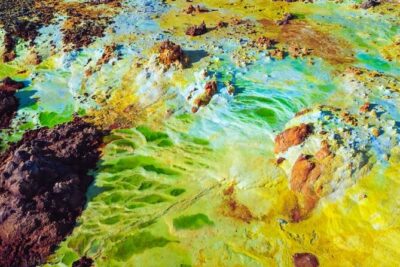
3 Day Danakil Depression Ertale and Dallol Tours
Read our review →3 Days Danakil Depression Tour from Semera City
Read our review →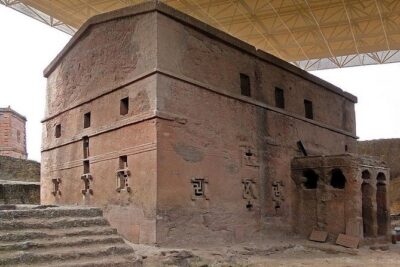
6 Days tour Package (Simien Mountains, Lalibela, and Danakil Depression)
Read our review →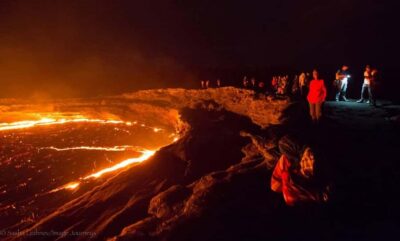
2-Night 3-Day Danakil Depression Tour without Flights
Read our review →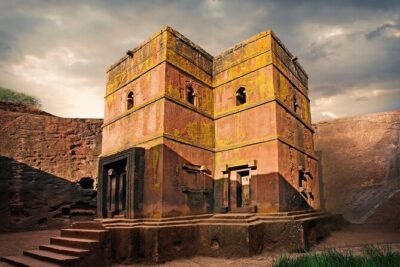
5 DAYS Axum, Lalibela, Tigray churches and Danakil
Read our review →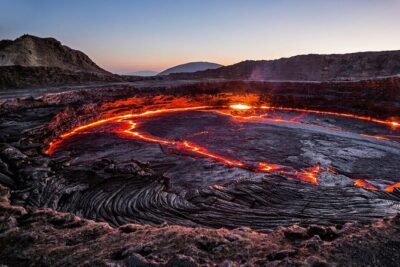
Browse the lists this tour appears in