
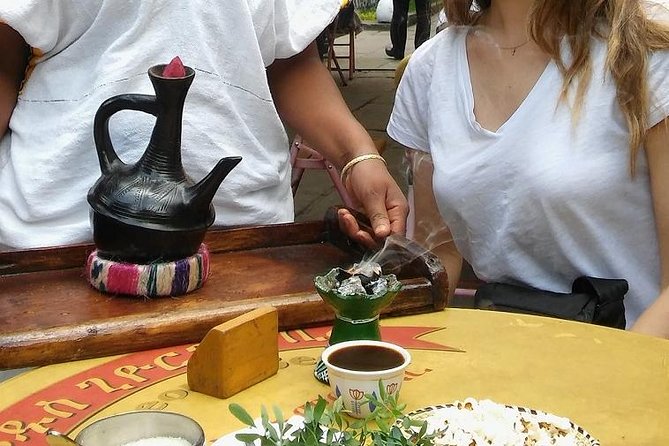
Reviewed · ETHIOPIAN COFFEE CEREMONY
Ethiopian Culinary Tour – Market, Food, Coffee Ceremony & more
Addis Ababa food culture has a superpower, you learn by doing, not just looking. This tour turns the city into a classroom, from Mercato spice chaos to pressing dough into injera. I love how hands-on the bread lesson is, and I love the full coffee ceremony stop where you see how Ethiopia’s coffee actually moves from bean to cup. One thing to consider is that the markets are crowded and busy, so you will want to keep your phone and valuables secure.
This is a 5 to 6 hour day with round-trip pickup, lunch, and multiple tastings, all for $85 per person. It also caps at 30 travelers, which keeps the pace friendly instead of rushed. If you hate crowds or you are sensitive to strong smells, plan to pace yourself during the market parts.
Key points to know before you go
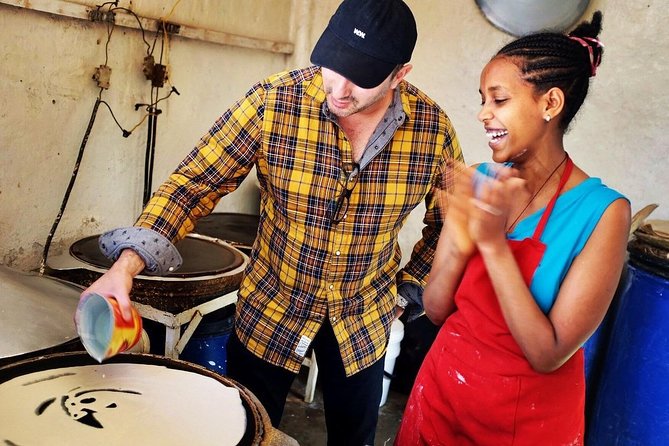
Hands-on injera with women who guide the bread-making process
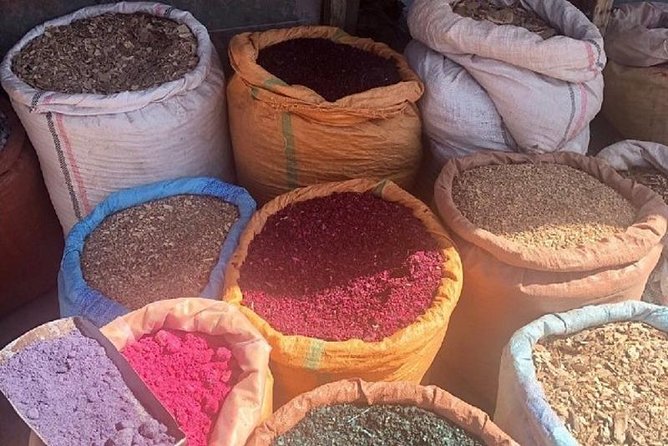
Mercato spice time in Africa’s largest open-air market area
Taitu Hotel lunch at Ethiopia’s oldest hotel, with buffet-style Ethiopian dishes
Sululta coffee ceremony with live roasting and the full bean to cup routine
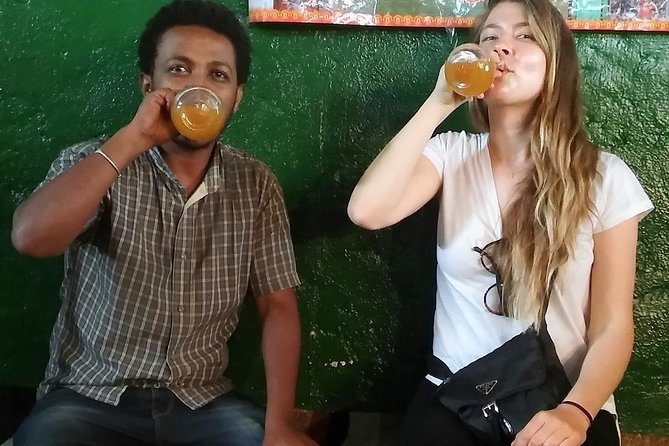
Honey wine tasting plus a simple look at how it is made
English-speaking guides (names you may see include Zerefa, Desale, Abiy, Samuel, Emmanuel, and Seya)
Addis Ababa food is a full-contact experience, and that is the point
Ethiopia’s food culture is not quiet. It is smoky, spicy, warm, and communal. The good news is that this tour gives you a way to handle it without feeling lost. You get a plan, a guide, and a translation layer for the things that matter, like what spices you are seeing, what injera should feel like, and what you are drinking during the coffee-and-tej style stops.
I especially like tours that teach you the why, not only the what. Here, the markets explain the ingredients. The injera session explains the bread. The coffee ceremony explains the ritual, and the honey wine tasting adds one more layer of local flavor and craft.
And yes, markets can be intense. Merkato can feel like a moving puzzle of stalls and smells. So bring a steady mindset, and treat this as a guided way to get your bearings fast.
Other coffee ceremonies in Addis Ababa:
Morning pickup and pacing your day in Addis
The day starts first thing in the morning with pickup from your accommodation. You then ride with a car, a driver, and an English-speaking guide. Lunch and hot drinks are included, and there is bottled water provided.
The timing matters because the market portion is the busiest part of the day. You typically move through the produce market area and then into the main Mercato spice section, with roughly an hour at the Mercato market area. After that, you shift gears into food work and meals, which keeps the day from feeling like only shopping.
The best way to enjoy a day like this is to keep your morning simple. Wear closed-toe shoes you can walk in for a while. Bring a light layer if mornings feel cool, and plan to take photos when you are not trying to walk through the densest crowds.
Entering Atkilt Tera and Mercato: spices, produce, and real shopping habits
Your market day centers on two linked stops. First, you visit Atkilt Tera, described as the largest vegetable and fruits open-air market in Ethiopia. This is where you see everyday ingredients, not tourist display food.
Then you head into Mercato Market, where the spice section is the headline. You spend about an hour here, and the focus is the spices in the center of the larger open-air market complex. This is the part where the smells hit you first, then the colors make sense.
What I like about structuring it this way is that you get a logic to the chaos:
Produce market first helps you understand what goes into Ethiopian cooking day to day.
Spice market next helps you recognize flavors and why Ethiopian stews taste the way they do.
Practical advice for market time
Bring small cash if you plan to buy spices or coffee, since market stalls can be cash-forward.
Keep your bag closed and tight when the crowd thickens.
Ask your guide to point out the spices being used in Ethiopian dishes, not only what looks dramatic for photos.
You do not need to be a spice expert. You just need someone translating what you are looking at, and your guide is there for that.
Making injera with local women, not a cooking show
The injera part is one of the most praised pieces of the day, because you actually make bread. The tour includes meeting a group of women who lead you through the process. That matters. Injera is not complicated on paper, but it is specific in practice, and the people who make it daily can correct your technique in real time.
You learn the hands-on side, then you eat lunch afterward. That sequencing is smart. Injera makes the rest of the day make more sense, because you understand what it takes to produce that tangy, spongy base Ethiopian meals are built on.
A note from the style of feedback you get on this stop: your first attempt might not be perfect. That is fine. The point is learning the method, and the good part is you get to enjoy what you made after the work.
If you want the best experience, go in with the mindset of trying, not testing yourself. Ask questions about texture, thickness, and what you should look for during the process.
More from Addis Ababa to consider
- Hidden Treasures of Addis Ababa – Food, Culture and History Tour
★ 5.0 · 57 reviews - Addis Ababa City Tours With Cocking Class of Ethiopian Food
★ 5.0 · 20 reviews - Ethiopia coffee cupping class/Ethiopian food injera making
★ 5.0 · 10 reviews - Food tours in Addis Ababa tastever with lunch
★ 5.0 · 9 reviews
Taitu Hotel lunch: Ethiopia’s oldest hotel served the easy way
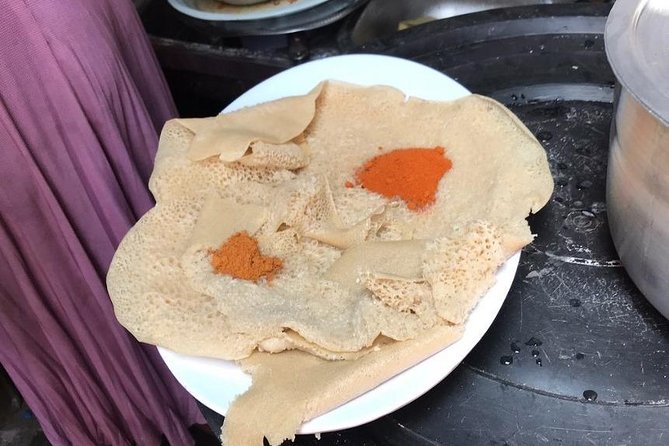
After the injera session, you eat lunch at Taitu Hotel, listed as the city’s oldest hotel and one of the most historic stops on the day. Lunch is about an hour, and it is buffet-style with an assortment of Ethiopian dishes. You also get a bottle of water and hot drinks with the meal.
This is a great reset point in an otherwise active day. Markets are loud and crowded. Injera-making can be warm and hands-on. Lunch at a hotel gives you space to slow down, taste a range of dishes, and observe how Ethiopians actually eat together.
What to expect at lunch
You will likely see multiple Ethiopian dishes served family style on a buffet.
Injera is the foundation you will eat everything with.
Portions are usually satisfying, because this is meant to be a full meal, not a snack.
If you have dietary restrictions, you will want to speak up during the tour. The tour data confirms the buffet and included drinks, but it does not list detailed dietary accommodations, so it is smart to flag needs early with your guide.
Piassa city time: a quick way to connect the dots

You also get some sightseeing in Piassa, after lunch. Think of Piassa time as a connective thread between the food stops. You are not doing a long museum day here. You are building street-level context so the city you just ate inside starts to feel navigable.
This part is short, which is ideal if you are short on time in Addis Ababa. It also keeps the tour from turning into only market walking.
Tomoca Coffee stop: craftsmanship and a souvenir you can use
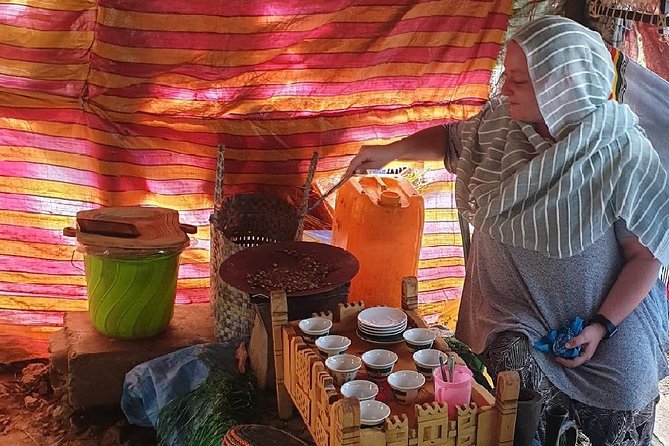
Coffee is a core part of Ethiopian life, so you get a dedicated stop to taste and to shop. The tour includes Tomoca Coffee, at the oldest Tomoca Cafe. The stop runs about 30 minutes and includes admission.
Here, you can try a coffee or macchiato, brewed with what the tour describes as over half a century of craftsmanship. You can also buy roasted and/or ground coffee as souvenirs.
Why this matters for you
Coffee is one of those things you can take home and actually use, not just store. Buying locally roasted coffee gives you a flavor you will not get from a random import bin. Plus, it gives you context for what you will see later during the Sululta coffee ceremony.
If you are deciding what to purchase, ask your guide which kind is easiest to brew at home, since ground coffee and roasted beans behave differently depending on your setup.
Sululta mountain village: coffee ceremony from bean washing to the cup
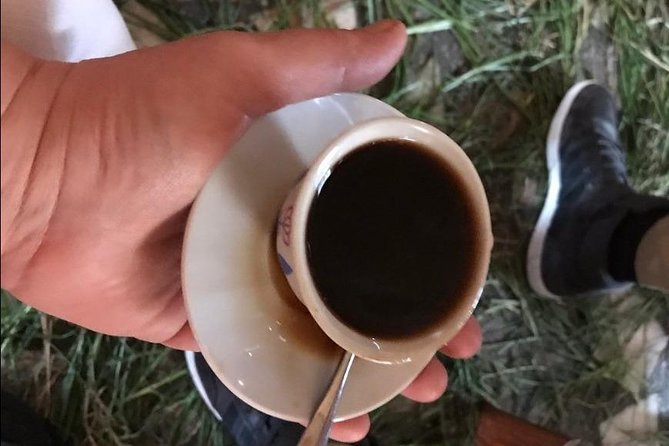
The highlight for many people is the coffee ceremony day segment in Sululta, a mountain village outside the city. You spend about two hours here, with two major experiences:
1) A full demonstration of the traditional Ethiopian coffee ceremony, from washing and live roasting of beans to enjoying a cup
2) A honey wine tasting, with a look at how honey wine is made and then tasting a glass
The coffee ceremony is not treated like a performance. It is treated like a process. That is exactly what you want on a food tour, because it turns coffee from a drink you recognize into a ritual you understand.
The ceremony sequence you should expect
Beans are washed as part of the setup
Beans are roasted live
Then you drink the coffee as part of the full routine
Then honey wine enters the picture. The tour description calls it organic honey wine, and you learn about the process before tasting. Also, your tour includes honey wine tasting as an included item, while other alcoholic beverages are not included.
Practical tips for this portion
Sip slowly. Tea, coffee, and spicy food mix differently for different people.
If you are sensitive to alcohol, honey wine is still alcohol. It is included, but your intake is your call.
What to eat, what to buy, and how to keep this tour enjoyable
This tour mixes several types of food experiences, so it helps to know what you are signing up for:
Street-level ingredients and spices at the market
Bread making where injera is the main event
A buffet lunch at a historic hotel
Coffee in two forms, a cafe stop plus a ceremony in Sululta
A honey wine tasting
What you can buy along the way
Coffee at Tomoca, roasted or ground
Spices at the Mercato spice market area
What to ask your guide
Which spices relate to dishes you are eating at lunch
How injera is supposed to look or feel during the making process
What to expect from the coffee ceremony steps, so you know what part is happening when
A small comfort note: you will be moving all day in a group. The better your shoes and the lighter your bag, the happier you will be around the densest crowd zones.
Also, if you are the kind of traveler who likes control, this can still work. Several guides are praised for flexibility, including rerouting when someone already saw parts of the plan and arranging extra cultural stops. When you book, just tell your guide what you already did, and ask for tweaks if time allows.
Price and logistics: what $85 covers, and what to budget for
At $85 per person, you are paying for a lot of built-in value. The tour includes:
Pickup and drop-off from any location in Addis Ababa
Round-trip ground transportation with fuel
An English-speaking guide, plus local tour guides
Lunch at Taitu Hotel, with bottle of water and hot drinks
Tomoca Coffee tasting time, with a drink included
Sululta coffee ceremony time
Honey wine tasting
Admission for the listed stops is handled as part of the tour inclusions where specified
What it does not include
Alcoholic beverages other than honey wine
Tips for the guide
Why the value can be real
You are not only tasting food. You are paying for guided access, transportation out of the city to Sululta, and the teaching parts like injera making and the full coffee ceremony sequence. For a 5 to 6 hour day, that is the kind of package that saves time and makes the market parts manageable.
For your budget, the main extras will be souvenirs and tips. If you want to buy spices and coffee, bring extra cash.
Who this tour suits best, and who might want a different plan
This is a good fit if you:
Want a food-and-drink day that explains ingredients and rituals
Like hands-on learning, especially bread making
Enjoy markets and do not mind crowds with a guide
It is less ideal if you:
Hate walking through dense market areas
Have very tight mobility needs, because open-air markets involve uneven walking surfaces
- Are hoping for a museum-style itinerary or long sightseeing blocks
One more note: the tour’s minimum age is 8 years. So it can work for families, but you still need to consider how your kids handle market crowds and hands-on cooking time.
Should you book this Ethiopian culinary tour?
Book it if you want the most direct route to understanding Ethiopian food in Addis Ababa. The combination of market spices, hands-on injera, a real lunch at Taitu Hotel, and the full Sululta coffee ceremony plus honey wine tasting gives you a balanced day that actually teaches you something.
Skip it or choose a different format if crowds stress you out or you only want quiet, low-walking cultural stops. This tour is designed for taste, scent, and movement. It is not designed for gentle sightseeing.
If you do book, go in with two simple goals: eat slowly during the ceremony portions, and let your guide lead you through the markets so you feel confident buying spices or coffee.
FAQ
What is the duration of the Ethiopian Culinary Tour in Addis Ababa?
The tour runs about 5 to 6 hours.
Does the tour include pickup and drop-off?
Yes. Pickup and drop-off are included from any location in Addis Ababa, including hotels, homes, or the airport.
Is lunch included, and where do you eat?
Lunch is included, and it is served at Taitu Hotel. Hot drinks and bottled water are also included with lunch.
Do you learn to make injera or only eat it?
You learn to make injera. The tour includes a bread-baking experience guided by local women.
Is honey wine included?
Yes. The tour includes a honey wine tasting in Sululta. Other alcoholic beverages are not included.
What is the minimum age for the tour?
The minimum age is 8 years.
More Markets in Addis Ababa
- Addis Ababa +Mount Entoto View Point,Museums Palace Market Tours
★ 5.0 · 42 reviews - Go wheretheLocalsgo, Eatwhat thelocalseat!open Market&More Tours
★ 5.0 · 33 reviews - Addis Mercato Market
★ 5.0 · 22 reviews - Ethiopian Culinary Tour – Market, Coffee Ceremony and More
★ 5.0 · 10 reviews
More Food in Addis Ababa
- city tour of Addis Ababa ( history ,culture , food and more)
★ 5.0 · 7 reviews - Local Ethiopian Food Tour
★ 4.0 · 7 reviews - Addis Food Tasting Tour
★ 5.0 · 4 reviews - Local Ethiopian Food Tour
★ 4.0 · 4 reviews
Newly reviewed in Addis Ababa
- Addis Ababa City Tour★ 4.5 · 3 reviews
- Full Day Addis Ababa City Tour with Hotel Pick Up And Drop Off★ 5.0 · 3 reviews
- 2 days trek around Lalibela★ 5.0 · 3 reviews
- Day Trip Around Addis Ababa★ 5.0 · 3 reviews
- Northern Ethiopia (Historic route)★ 5.0 · 3 reviews
- Addis Layover Tour of Mercato With Airport pick up & drop off★ 5.0 · 3 reviews
- Day Tours around Addis Abeba, Melka Kunture and Adadi Mariam★ 5.0 · 3 reviews
- Day Trip From Addis Ababa To Debre Ziet★ 5.0 · 3 reviews
Ethiopian Coffee Ceremony, compared.
Market Tour and Cooking Class with a Coffee Ceremony at a Home in Addis Ababa
Read our review →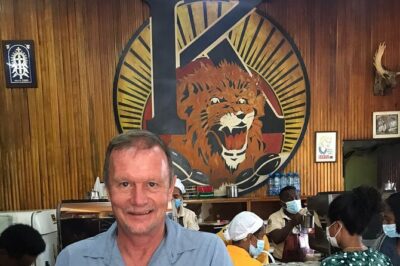
Vintage Coffee Shops, Restaurants, Sightseeing in Addis Ababa
Read our review →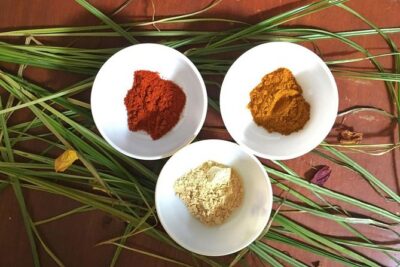
Ethiopian Cooking Class and Coffee Ceremony with a Local in Addis with transfers
Read our review →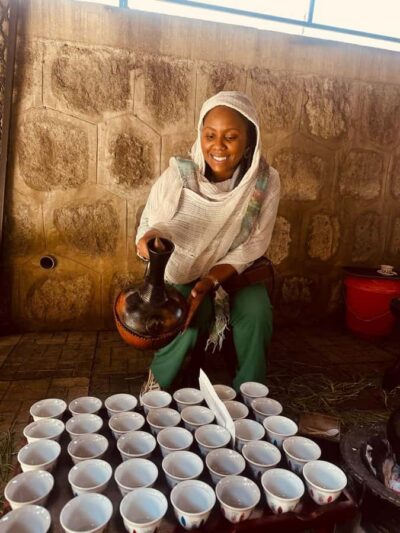
Ethiopia coffee cupping class/Ethiopian food injera making
Read our review →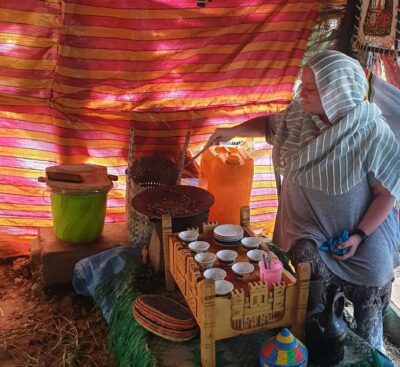
Ethiopian Culinary Tour – Market, Coffee Ceremony and More
Read our review →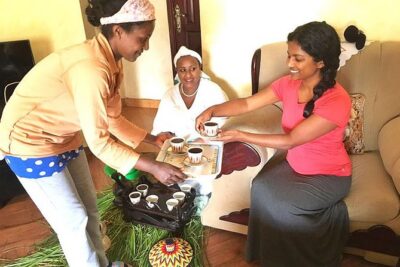
Unique Ethiopian Cooking Class and Coffee Ceremony with a Local in Addis Ababa
Read our review →
Addis Ababa City Experience : Markets, Coffee & Local Life
Read our review →
Churches Full-Day Private Tour w/Coffee Ceremony
Read our review →Browse the lists this tour appears in