
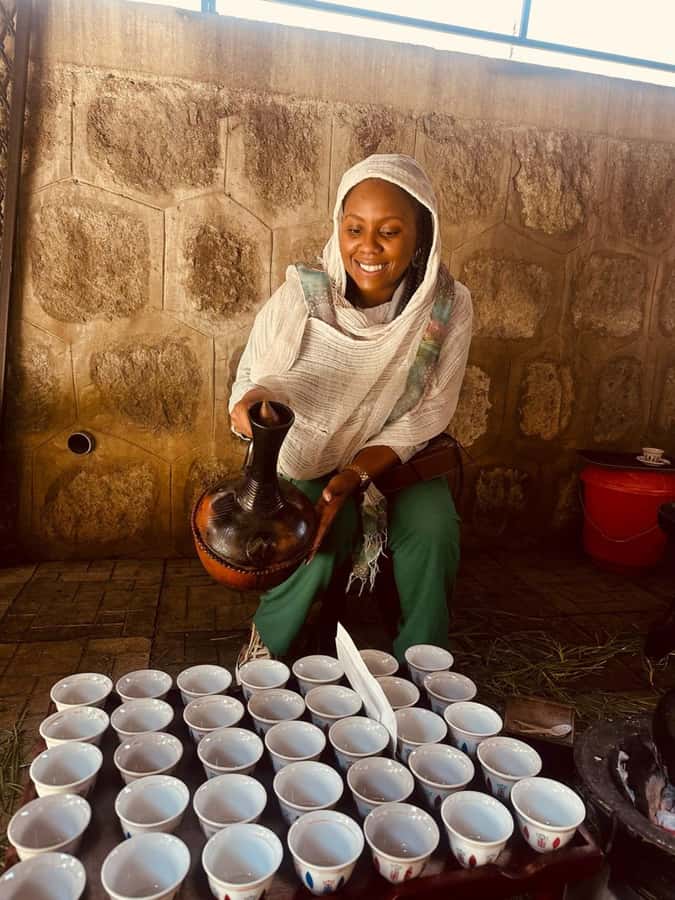
Reviewed · ETHIOPIAN COFFEE CEREMONY
Ethiopia coffee cupping class/Ethiopian food injera making
Ethiopia’s coffee culture is one of the best reasons to pay attention to what people actually do with food and drink every day, not just what they say tourists should try. This hands-on class pairs coffee cupping with injera making, so you get to smell, taste, cook, and eat in one smooth 4-hour block.
Two things I really like here are the guided cupping with a local coffee expert and the fact that you’re not watching injera from the sidelines. You mix and cook it yourself, then eat it with classic sides like shiro and misir wot. One thing to consider, if you’re sensitive to effort in the kitchen, injera making involves real technique, especially the flipping, and kids under 15 are not considered suitable.
Key points to know before you go
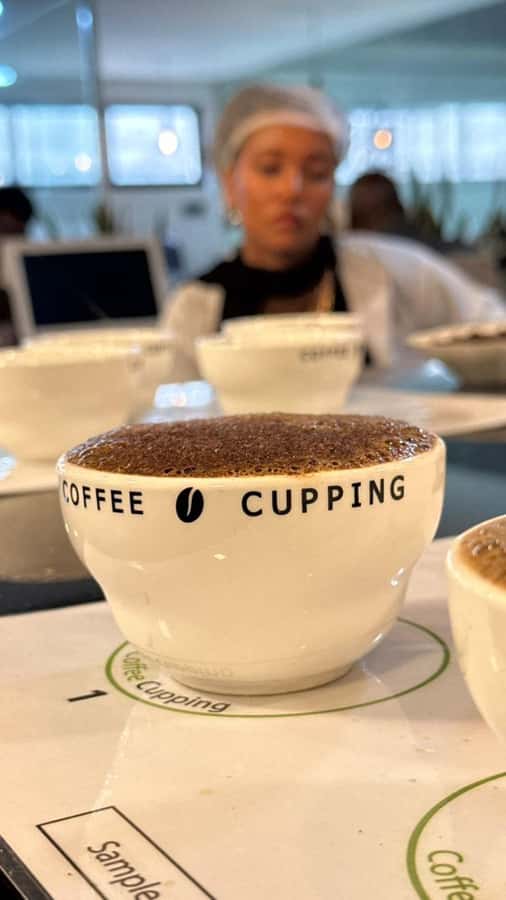
- You get real cupping practice with aromas, flavors, roast levels, and tasting notes, led by a local coffee expert
- Injera is hands-on: you ferment, bake on a traditional mitad, and learn how to flip it
- You eat what you make with a traditional lunch plus multiple Ethiopian dishes to go with your enjera
- The coffee ceremony is included at the end, so you connect the science of cupping to the ritual of serving
- It’s a private group with an English-speaking guide, and several guides in past bookings were praised for strong communication and being prompt
Coffee and injera in Addis Ababa, the logic of doing both in one day
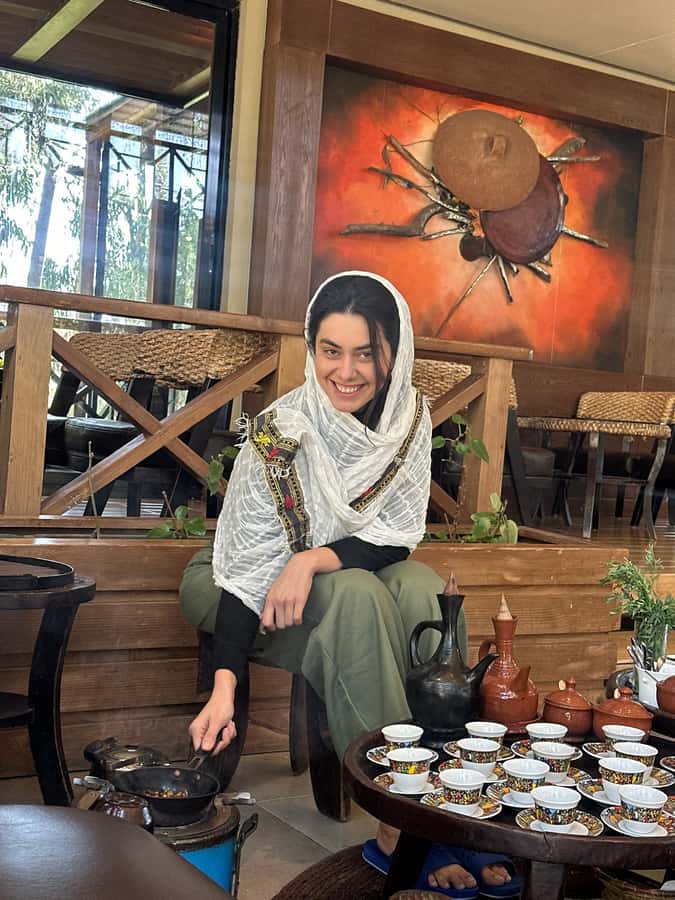
This tour works because it links two daily staples that Ethiopians take seriously. Coffee in Ethiopia is not just a drink, it is a social moment. Injera is not just bread, it is the plate, utensil, and side dish all at once. When you learn both, the meal makes sense, fast.
You should also like the pacing. You start with coffee, you move to cooking, then you sit down and eat. It’s the right order because cupping trains your nose and taste buds, so when lunch arrives you can actually notice the differences in flavor and roast character.
Other coffee ceremonies in Addis Ababa:
- Ethiopian Culinary Tour – Market, Food, Coffee Ceremony & more
★ 5.0 · 65 reviews - Market Tour and Cooking Class with a Coffee Ceremony at a Home in Addis Ababa
★ 5.0 · 32 reviews - Vintage Coffee Shops, Restaurants, Sightseeing in Addis Ababa
★ 5.0 · 17 reviews
How pickup and a tight 4 hours actually play out
The tour starts in Addis Ababa with pickup included. They say they reach out a day prior to organize it, which matters because getting from point to point in a big city is half the day for many tours. You then spend time at two main stops, plus the meal and ceremony.
The timings you can expect are:
- Coffee cupping: about 45 minutes
- Cooking class: about 30 minutes
- The rest of the 4 hours is used for the meal, coffee ceremony, and the natural time gaps in between.
Because the group is private, you can usually move at a pace that fits you. Past bookings also praised guides for making coordination easy and being flexible when needed, including guides such as Jonas, Joe, Mike, and Aelaf (also spelled Ale).
Coffee cupping session, what you learn in 45 minutes
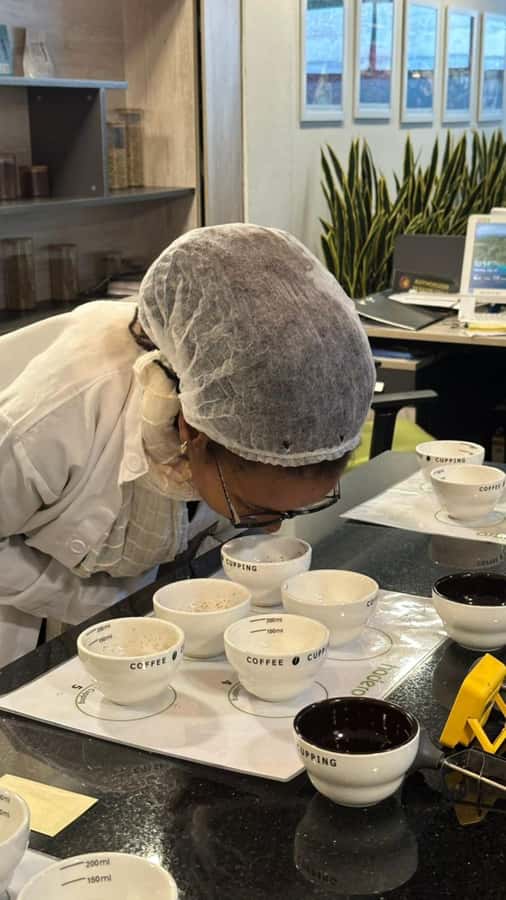
The cupping portion is led by a local coffee expert, not a generic demo. You’re there to train your senses: smell first, then taste, then connect the flavors to what the coffee producer and roaster did.
You get guided practice with:
- Aromas and flavors that show up in Ethiopian coffee
- Brewing methods and how they change what you notice
- Coffee growing regions and why that matters
- Roast levels, and how roast can shift sweetness, acidity, and perceived body
- How to identify tasting notes in a way that feels almost professional by the end
If you’re a coffee person, this is the part you’ll remember. If you are not a coffee person, you still get something valuable because you learn what to pay attention to, and Ethiopian coffee is diverse. You’ll likely leave with a sharper sense of what you like and why.
One practical note: cupping is sensory work. Plan to go with a normal appetite, because you’ll be switching between tasting and eating later.
Injera on the mitad, fermenting and flipping the real way
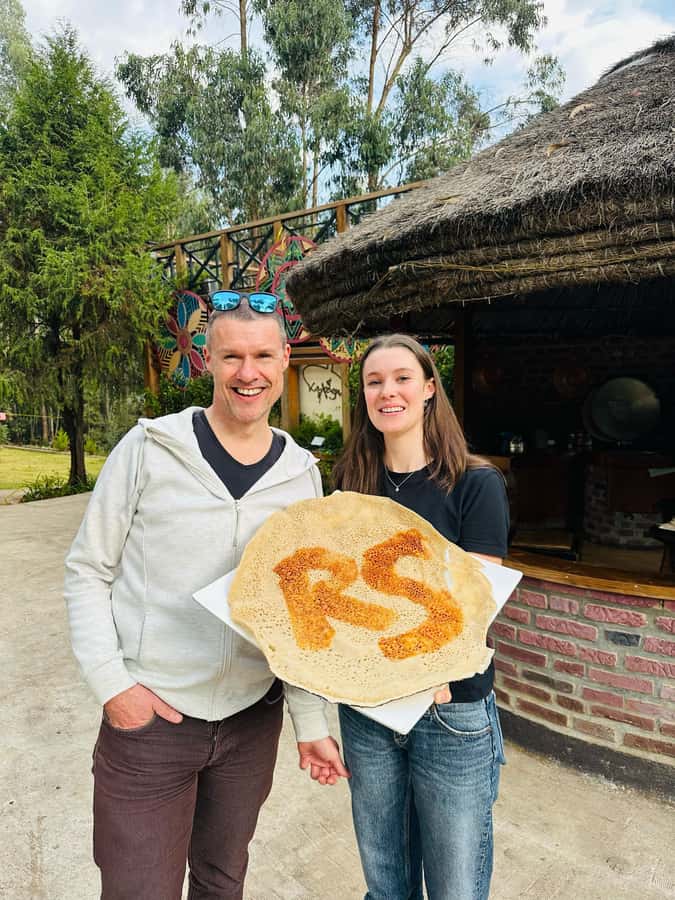
After coffee, you roll up your sleeves. The injera workshop happens in a cozy kitchen setting, with a clean setup that is indoor and outdoor friendly. You’ll use traditional cooking tools such as a mitad, and the process is taught with hands-on guidance.
This is not just a quick show-and-tell. You’re expected to participate in the key steps:
- mixing the batter
- fermenting as part of the method
- baking on the mitad
- learning the flipping technique
Injera is often described as sourdough-like, but the important thing for you is texture. The bread is cooked in a way that creates the characteristic surface that grabs sauces. When you make it yourself, you understand why the thickness and heat control matter.
In past bookings, guides were praised for making the process understandable in English, and at least one guide (Aelaf, also called Ale) provided translations that helped people follow the steps. If you’re traveling solo and don’t want to feel lost in a kitchen, that kind of instruction is a big deal.
Where else to eat in Addis Ababa:
- Addis Ababa City Tours With Cocking Class of Ethiopian Food
★ 5.0 · 20 reviews - Food tours in Addis Ababa tastever with lunch
★ 5.0 · 9 reviews - Local Ethiopian Food Tour
★ 4.0 · 7 reviews - Local Ethiopian Food Tour
★ 4.0 · 4 reviews
The lunch part, shiro and misir wot meet your own enjera
Then comes the best test. You eat what you made. The meal is described as a traditional lunch served with your handmade enjera, plus a variety of Ethiopian dishes.
The dish examples included are:
- shiro
- misir wot
- and additional local sides
Here’s why this matters beyond being tasty. Once you’ve cooked injera, you can feel the thickness and the surface texture when you start tearing pieces. That changes how you experience the meal. It is also easier to notice how different stews behave, because injera soaks them in different ways depending on consistency.
If you’re curious about Ethiopian cuisine, this is a smart way to try several flavors without ordering a separate meal plan. You get structure: bread first, then the stew and sides that make Ethiopia’s plate system work.
Ethiopian coffee ceremony, the ritual tied to the science
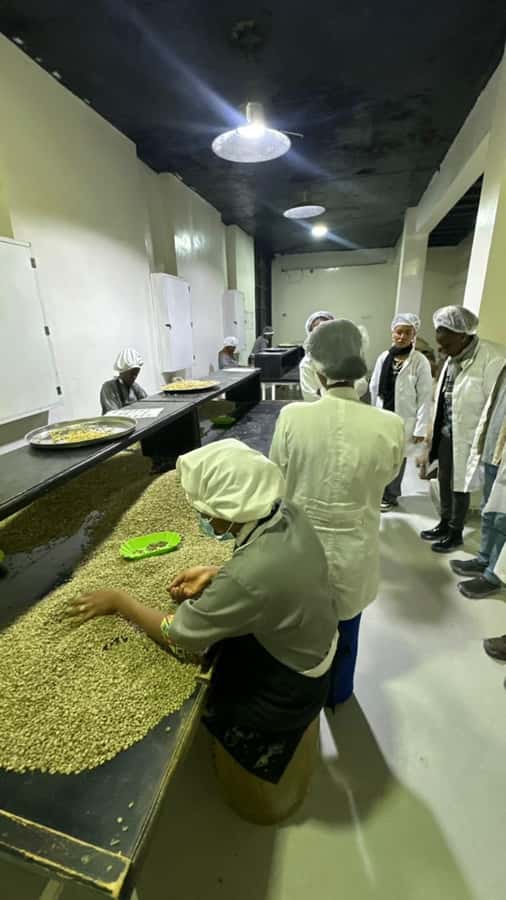
At the end, you don’t just get coffee. You get the Ethiopian coffee ceremony as a moment to slow down. This is the part that connects your earlier cupping training to a lived cultural practice.
You’ve already learned about roast levels and how flavors shift. During the ceremony, you can apply that knowledge in real time: you notice aroma, observe the serving style, and pay attention to how the coffee is presented as part of the group experience.
In several past bookings, the communication and warmth of guides were strongly praised. That kind of tone helps here, because a ceremony is not a checklist. It’s social. The goal is to help you feel comfortable participating, asking questions, and understanding what you’re seeing.
Price and value, is $94 worth a 4-hour class?
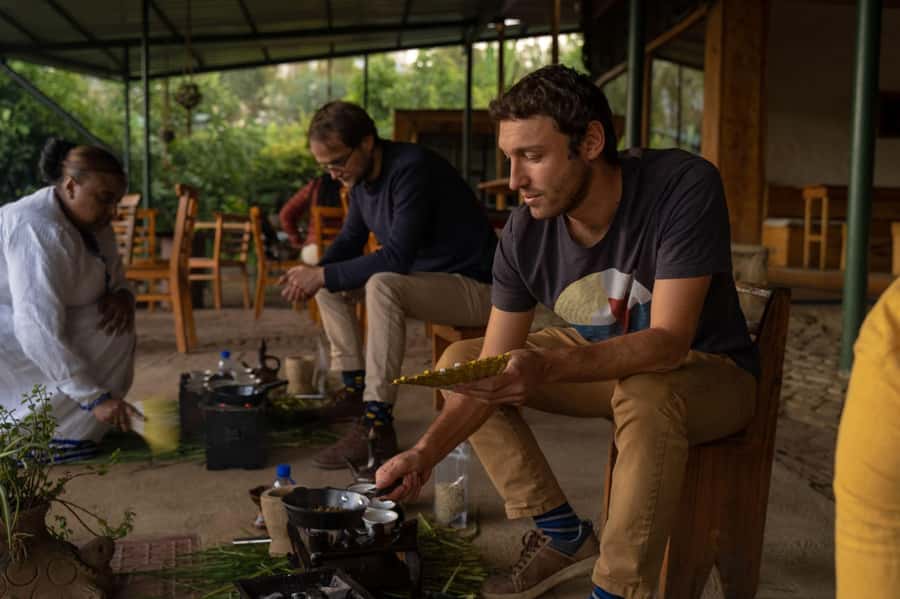
At $94 per person for about 4 hours, this isn’t a cheap “tasting only” activity. But it is also not a high-end luxury workshop. It sits in the practical middle, and the value comes from what’s actually included.
You get:
- Guided coffee cupping with a local coffee expert
- Professional coffee tasting with varieties
- Hands-on injera making with instruction
- A traditional lunch with your handmade enjera
- A variety of Ethiopian dishes to go with injera
- An authentic coffee ceremony
- Bottled water
- All cooking and tasting equipment
- Ingredients and spices used in the workshop
- A local cultural host and English-speaking guide
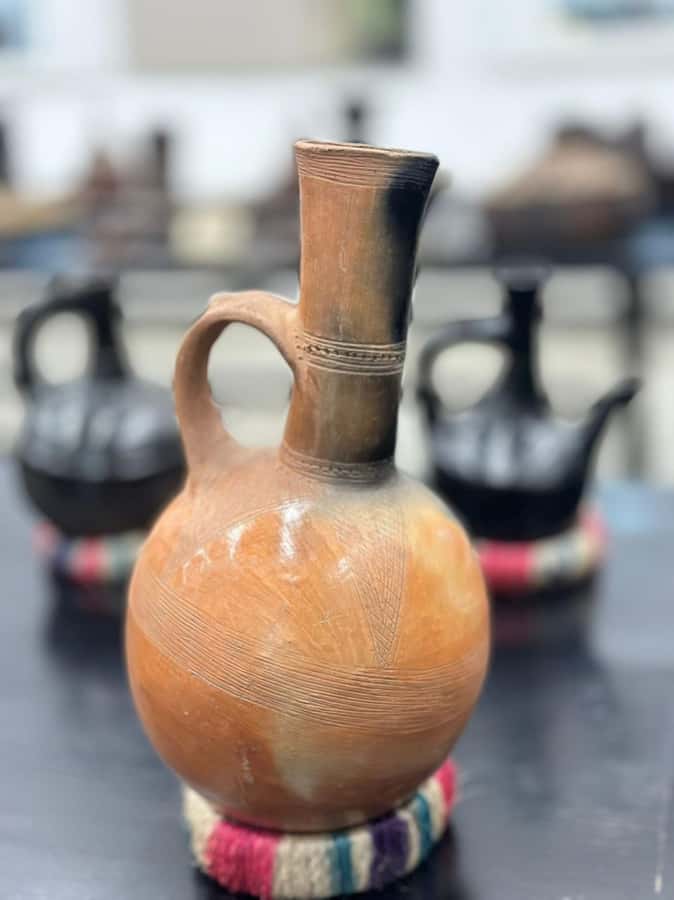
- Use of traditional tools like the mitad and a clay coffee pot
When you price it like this, you are paying for instruction plus meals plus specialized equipment plus an on-the-ground cultural host. That’s usually better value than paying separately for a cooking class and then finding a coffee experience in your schedule.
Who this fits best, and who should reconsider
This is ideal for:
- coffee lovers who want tasting notes and real cupping guidance
- people who like food, but also want the cultural “why,” not just the “how”
- travelers in Addis Ababa who want an activity that feels personal and not like a staged performance
- anyone who enjoys learning by doing, especially in a kitchen
It is not suitable for:
- children under 15 years
- people with altitude sickness
Even if you feel fine today, Addis altitude can be a factor. If altitude makes you dizzy or nauseous, skip this and choose something at a safer altitude or a different plan.
Practical tips so you get more out of the day
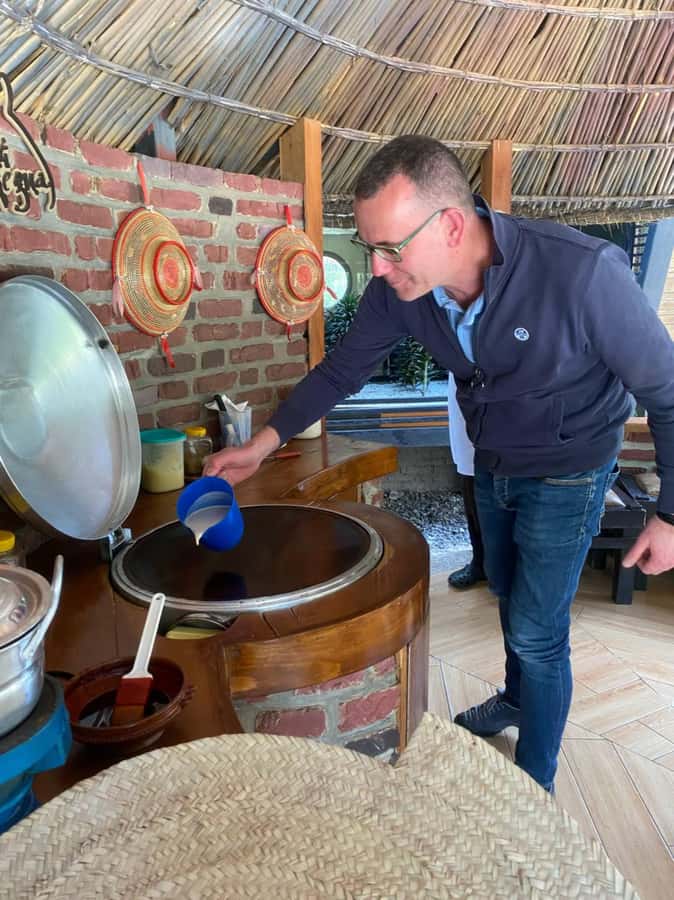
A few practical moves will help your experience feel smooth.
- Wear clothes you don’t mind getting a little flour or batter on. Kitchens are busy, and injera work is messy in a normal, human way.
- Go with a curious mindset. Cupping is easier when you treat it like a sensory exercise, not like a quiz.
- If you have strong food preferences, tell the guide at the start. The tour includes multiple local dishes, and a guide can often help you choose what to try first.
- Plan your day so you are not rushing immediately after. The lunch and coffee ceremony are part of the point, and it’s nice not to look at your watch.
Final verdict, should you book?
If you want one solid Ethiopian food and coffee experience in Addis Ababa that combines learning with a real meal, I think this is a strong pick. The biggest reason is simple: you are not only tasting coffee and eating injera, you’re making injera and learning how coffee flavor works through cupping.
Skip it only if kitchens and technique-based cooking stress you out, or if altitude issues make Addis Ababa difficult for you. Otherwise, book it. You’ll leave with a better sense of what Ethiopian coffee and injera mean to the people who live with them every day.
FAQ
How long is the Ethiopian coffee cupping and injera making experience?
It lasts 4 hours.
Where does the tour start, and is pickup included?
Pickup is included, and pickup is organized from Addis Ababa.
What is included in the price?
Included are the guided coffee cupping session, coffee tasting, injera making workshop, traditional Ethiopian lunch with your handmade enjera, variety of local dishes, an authentic Ethiopian coffee ceremony, bottled water, and all equipment, ingredients, and spices used. You also get a local cultural host and an English-speaking guide.
Is there an English-speaking guide?
Yes, the tour has an English-speaking live guide.
Is alcohol allowed during the experience?
No. Alcohol and drugs are not allowed.
Is this tour suitable for children?
No, it is not suitable for children under 15.
Can I cancel for a refund?
Yes, you can cancel up to 24 hours in advance for a full refund.
More Food in Addis Ababa
- Half Day Food Tour Addis Ababa With Airport pickUp And Drop-Off
★ 5.0 · 4 reviews - Food tour in Addis Ababa with airport pick-up.
★ 3.5 · 3 reviews
More Food & Drink in Addis Ababa
- Hidden Treasures of Addis Ababa – Food, Culture and History Tour
★ 5.0 · 57 reviews - city tour of Addis Ababa ( history ,culture , food and more)
★ 5.0 · 7 reviews - Locally crafted beer and wine tasting and nightlife in Addis tour
★ 5.0 · 6 reviews - Addis Food Tasting Tour
★ 5.0 · 4 reviews
Newly reviewed in Addis Ababa
- Addis Ababa City Tour★ 4.5 · 3 reviews
- Full Day Addis Ababa City Tour with Hotel Pick Up And Drop Off★ 5.0 · 3 reviews
- 2 days trek around Lalibela★ 5.0 · 3 reviews
- Day Trip Around Addis Ababa★ 5.0 · 3 reviews
- Northern Ethiopia (Historic route)★ 5.0 · 3 reviews
- Day Tours around Addis Abeba, Melka Kunture and Adadi Mariam★ 5.0 · 3 reviews
- Addis Layover Tour of Mercato With Airport pick up & drop off★ 5.0 · 3 reviews
- Day Trip From Addis Ababa To Debre Ziet★ 5.0 · 3 reviews
Ethiopian Coffee Ceremony, compared.
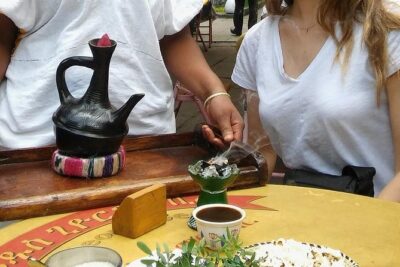
Ethiopian Culinary Tour – Market, Food, Coffee Ceremony & more
Read our review →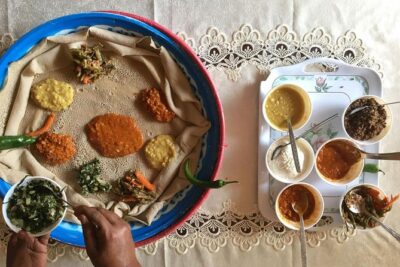
Market Tour and Cooking Class with a Coffee Ceremony at a Home in Addis Ababa
Read our review →
Vintage Coffee Shops, Restaurants, Sightseeing in Addis Ababa
Read our review →
Ethiopian Cooking Class and Coffee Ceremony with a Local in Addis with transfers
Read our review →
Ethiopian Culinary Tour – Market, Coffee Ceremony and More
Read our review →
Unique Ethiopian Cooking Class and Coffee Ceremony with a Local in Addis Ababa
Read our review →
Addis Ababa City Experience : Markets, Coffee & Local Life
Read our review →
Churches Full-Day Private Tour w/Coffee Ceremony
Read our review →Browse the lists this tour appears in