
Reviewed · MARKETS
Go wheretheLocalsgo, Eatwhat thelocalseat!open Market&More Tours
Addis Ababa can feel like a blur when you land hungry and tired. This private food and city tour stitches together museum stops, major markets, and classic coffee, so you get both context and something good to eat along the way. It also includes pickup if you want it, plus a relaxed pace.
I like that you can eat your way through the country’s flavors with Ethiopian food tastings and options that work for different diets. I also really like the traditional coffee ceremony stops, where coffee is not treated like a side note.
The main thing to plan around is timing. Merkato Market is closed on Sundays, and the National Museum is not open on Monday, so the route shifts depending on your day.
Key points worth knowing before you go
- Private and small group: Maximum of 8 people, with your guide setting the pace.
- Eat and learn at the same time: Museum facts plus real restaurant meals, not just sightseeing.
- Coffee focus: Tomoca coffee and a traditional coffee ceremony are built into the day.
- Market shopping with a reason: Merkato for the big market experience, Shiro Meda as the Sunday alternative.
- Built for different diets: The food stops include vegetarian-friendly dishes and also options for meat eaters.
A practical, hunger-first way to see Addis Ababa

If your goal is to see Addis Ababa while also eating like you mean it, this tour is set up for you. You start with Ethiopia’s story at the National Museum, then you move into everyday life through the city’s biggest market area and classic coffee culture. By the time you reach the restaurant stops, you are not just looking at food, you understand the order of things and the ingredients behind what you are tasting.
The price is $71.25 per person for 4 to 7 hours, and that matters because you are not paying just for a driver. You are paying for someone to guide you through the museum and market areas, coordinate the food stops, and handle the flow of the day. With a maximum group size of 8, you get a better shot at questions, photo stops, and pacing that does not feel rushed.
One smart detail: you can either meet at a set point or request pickup. That small choice can save time and stress, especially if your arrival plans in Addis are a little tight. If you have a layover, a guide who builds in the right stops makes all the difference.
More from Addis Ababa to consider
- Ethiopian Culinary Tour – Market, Food, Coffee Ceremony & more
★ 5.0 · 65 reviews - Addis Ababa +Mount Entoto View Point,Museums Palace Market Tours
★ 5.0 · 42 reviews - Market Tour and Cooking Class with a Coffee Ceremony at a Home in Addis Ababa
★ 5.0 · 32 reviews
The day’s route, stop by stop, and what to watch for
National Museum of Ethiopia, including Lucy and Aksumite history
Your first major stop is the National Museum of Ethiopia, with admission included. Expect about an hour. This is where the tour earns its keep, because it gives you big context early, so later market shopping and restaurant meals feel like part of a living culture, not just things to tick off.
You will see the famous Lucy fossil, a 3.2 million-year-old Australopithecus Afarensis. Then the museum’s evolution sections connect Ethiopia’s role to broader human history, including the rise and fall of the Aksumite Empire. You also learn how the Ethiopian Orthodox Church shaped historical developments, and you will see how modern Ethiopia’s story is framed.
The museum also covers Ethiopian art across time. On the first floor you can see ancient paintings and sculptures, along with more contemporary works. On the second floor, you can get a sense of how everyday life differs across regions through traditional clothing, tools, and household items.
A practical note: the museum is not open on Monday. If your schedule lands on Monday, plan for a different day or confirm the route with your operator when you book.
Mercato Market, shopping for coffee, leather, and everyday life
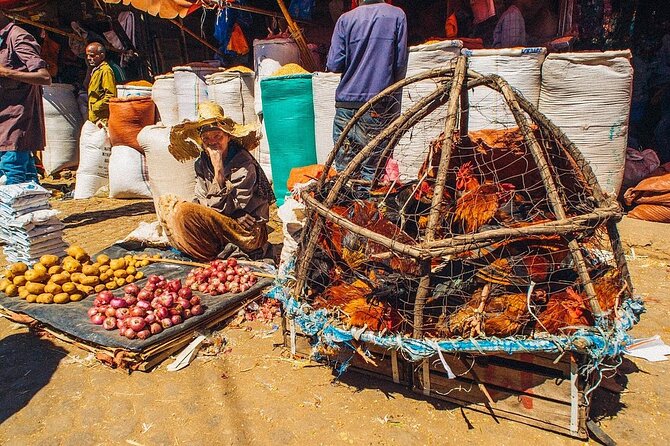
Next comes Addis Ababa’s open-air Mercato Market, guided on foot for about 2 hours. Admission is included. This is where your guide helps you move through the market maze in a way that feels purposeful instead of chaotic.
Mercato is a serious shopping zone. You are not only browsing souvenirs. You are also seeing how Ethiopia sells and trades things that locals actually use, including coffee, jewelry, and leather. The tour also references areas you can recognize in your photos and memory, including the Piazza area and old Tomoca coffee shop areas, plus stops like Zebra Gallery shop and the Stadium area.
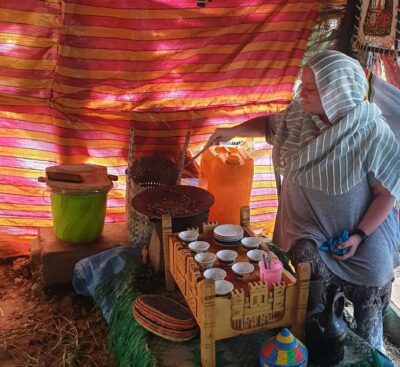
Then the day adds a meal. The plan includes lunch at a local restaurant, one of the older spots in East Africa. After lunch, you end with Ethiopian coffee ceremony time. This sequence is useful: after walking and shopping, you get a break and then you learn what coffee means in the Ethiopian rhythm of hosting.
Important scheduling detail: Merkato Market is closed on Sundays. If your tour falls on Sunday, the day swaps to Shiro Meda Market instead, which keeps the tour focused on actual local markets rather than forcing you into closed-door frustration.
Something steadier after Addis Ababa:
- Full Day Tour of Addis Ababa with Hotel Pickup and Drop-off
★ 5.0 · 430 reviews - Taste of Ethiopia
★ 5.0 · 406 reviews - Day Trip From Addis Ababa See Historical Monastery,Stunning Nature,Animals,Birds
★ 5.0 · 303 reviews - Addis Ababa: Debre Libanos, Blue Nile Gorge, and Cave Tour
★ 4.5 · 256 reviews
Shiro Meda Market on Sunday, textiles and small gifts near the US Embassy
If you are touring on a Sunday, you will head to Shiro Meda Market instead. The time here is shorter, about 45 minutes, with admission free.
Shiro Meda is known for textiles, especially Ethiopian clothing made for women, including handwoven cotton pieces. You can also find wedding dress styles and everyday items, which makes it a strong choice if you want fabric you can wear, not just a small trinket.
This stop is also great for compact gifts. Think bed covers, table clothes, scarves, T-shirts, necklaces, and earrings. The market is near the US Embassy in Addis Ababa, which can help you orient yourself once you step out.
Yobez Traditional Restaurant, the comfort-food side of Ethiopian dining
You then shift from market walking to restaurant time at Yobez Traditional Restaurant, with about 48 minutes planned. Admission is listed as free for this stop.
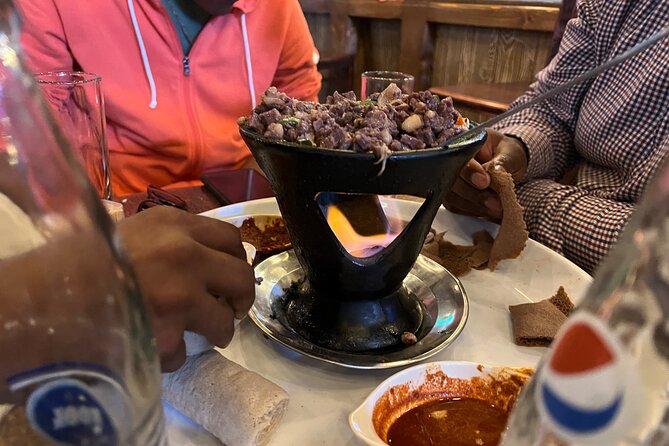
The key idea here is that the menu centers on Ethiopian specialties that are vegetarian-friendly, and it also connects to fasting season cooking. You will see vegetables such as cabbage, potatoes, beans, lentils, and chickpeas. The tour description also mentions meat options like chicken stew, specifically Doro wot.
If you eat meat, you may be able to taste Doro wot, which is Ethiopia’s spiced chicken stew made with spiced local butter, berbere, caramelized onions, and hard-boiled eggs. If you prefer vegetarian dishes, the fasting-season style food gives you a full meal feel without requiring meat.
One tip for your own experience: go in ready to taste things even if you have never seen them before. Ethiopian meals often mix textures and spice levels in a way that is hard to predict. Your guide’s job is to help you understand what you are eating, not just hand you a plate.
Tomoca Coffee in Piazza, where the coffee history is part of the visit
After Yobez, the tour visits Tomoca Coffee in the Piazza area. The stop runs about 15 minutes, with admission included. This is the oldest coffee shop in Ethiopia, operating since 1953.
Here you can test the classic style of Ethiopian coffee, including black coffee or coffee with milk. If you want something to take home, you can also buy roasted coffee or coffee powder.
A small detail that makes this stop feel more real: in one past experience, the guide Yonas brought the person to the original Tomoca for vegetarian injera and great coffee, then used the drive to show nearby sights. That kind of guide attention matters, because Tomoca is not just a shop, it is a reference point in Addis coffee culture.
Lion of Judah, a quick cultural stop with big symbolism
The last cultural mention is Lion of Judah, with about 15 minutes planned. Admission is included.
This is a symbolic title with Biblical roots tied to the tribe of Judah and Jesus Christ. It is also used to symbolize the Ethiopian monarchy, especially Emperor Haile Selassie. Practically, this is a short stop that gives you meaning behind the imagery you might see around the city.
For many visitors, this is the kind of brief cultural check-in that helps everything else click. You are not spending long here, but you are leaving with extra context for what you notice later.
Why the food tastings and coffee ceremony are the heart of the tour

This is not a food tour that just serves plates. The structure is intentional. You start with Ethiopia’s evolutionary and historical context at the museum, then you go into everyday life at Mercato or Shiro Meda, and you finish with coffee and restaurant dishes.
That order helps you understand what you are tasting. Markets are where you see ingredients, spices, and the kinds of goods people buy regularly. Restaurants are where those ingredients become comfort food and tradition. Then coffee ceremony time ties the whole thing together with social meaning.
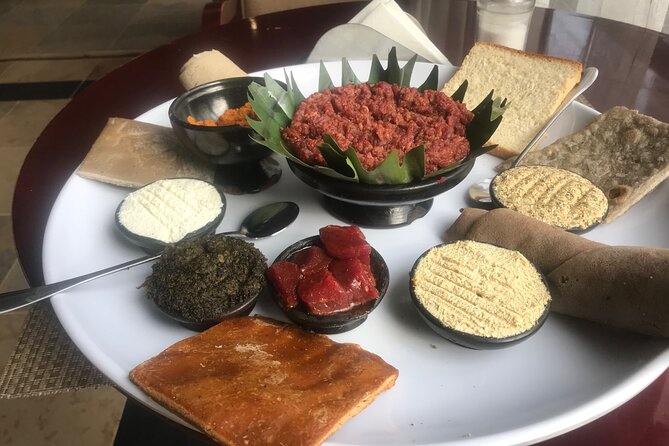
The tour also keeps you covered if you do not eat the same way as everyone else. It highlights both vegan and non-vegetarian tastings, with vegetarian options that match Ethiopian fasting cooking. So even if you are a committed meat eater or a strict vegetarian, you should still find multiple plates worth trying.
Private pace, small group size, and how that affects value
The tour is private, and it caps at 8 travelers. That matters because the best food and market moments are rarely “look at this, next.” They are “stop here, ask, taste, and keep going when you are ready.”
You also get an air-conditioned vehicle and onboard WiFi. That is not a luxury you need to brag about, but it helps when you are moving through a big city for hours and you want a break between walking segments.
For many people, the biggest value is that the guide handles the decisions. You do not have to figure out where to start, which markets are open on your day, or how to fit in coffee and shopping without losing time.
What to consider before you book
A few honest checks before you commit:
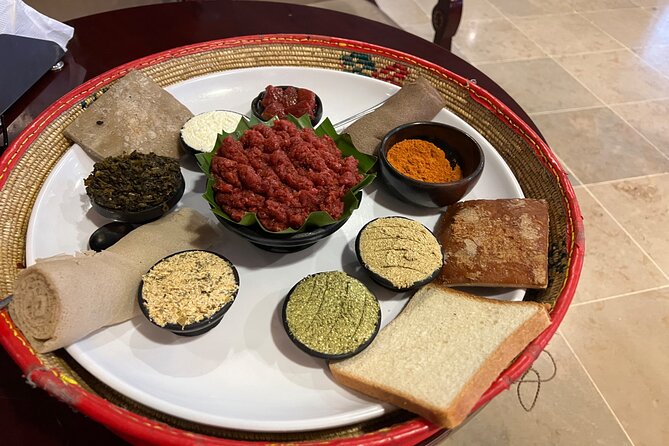
- Bring your appetite. The day is built around tastings and meals, plus juices and coffee ceremony time.
- Plan for a range of duration. It runs 4 to 7 hours, so it can stretch. If you have a tight schedule, confirm the timing once you book.
- Watch your calendar for closures. Merkato closes Sundays, and the museum does not open on Mondays. The itinerary compensates on Sunday with Shiro Meda, but you still want the right day.
- Souvenir shopping is part of it. If you do not want to buy textiles or small gifts, you might still enjoy the market stops, but expect some browsing pressure because the tour is built for it.
Price reality check: $71.25 for a full half day to near full day

At $71.25 per person, you are paying for a lot of moving parts: museum admission, guided market walking, restaurant tastings, coffee stops, and coffee ceremony time. You also have pickup offered, an A/C vehicle, and a professional driver/guide.
That makes it better value than paying for a single market walk plus separate admissions and separate meals on your own. It is also easier than trying to assemble the route yourself, especially with day-based closures like Merkato and the museum.
Who this tour fits best
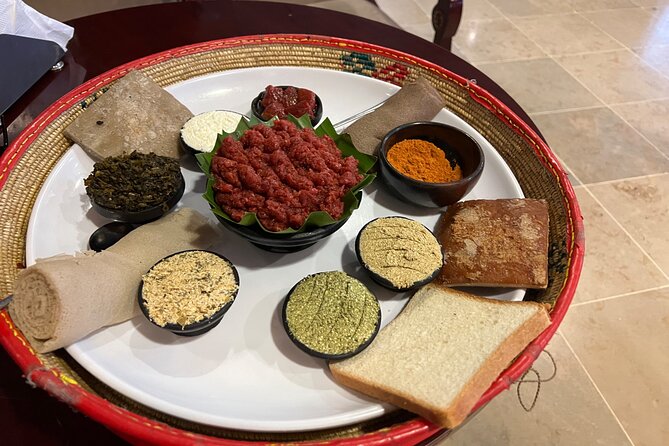
This tour is a strong match if you:
- Want Ethiopian food and coffee as the main event, not an afterthought
- Like mixing big context (Lucy and Ethiopian history) with everyday life (markets)
- Prefer a small group and a guide who can keep the pace comfortable
- Eat vegetarian sometimes, or want a tour where vegetarian plates are clearly part of the plan
It might not be ideal if you only want long museum time or only want deep history with no food focus. This route is about balance: learn some, taste more, and shop with guidance.
Should you book this Addis Ababa food and market tour?
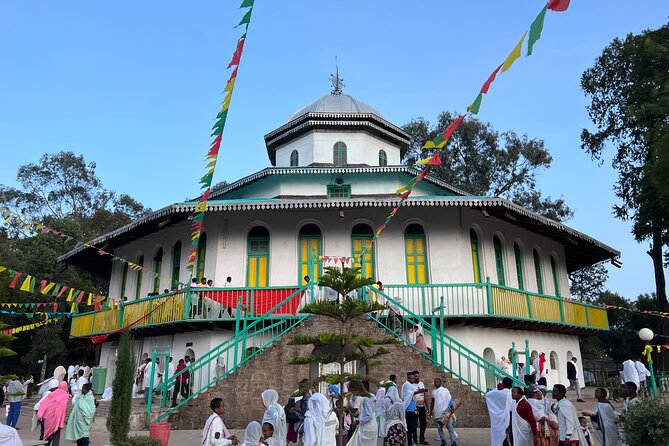
I would book it if you want one efficient day that covers the essentials: Lucy at the National Museum, Ethiopia’s market culture through Mercato or Shiro Meda, Ethiopian dining at a traditional restaurant, and coffee that ties the whole experience together.
Skip it only if you already have your heart set on a very different style of tour, like a pure history crawl with minimal eating, or if your schedule lands on a closed day and you cannot reschedule.
If your time in Addis Ababa is limited, this is one of the easiest ways to leave with both good memories and a full stomach.
FAQ
What is the duration of the tour?
The tour lasts about 4 to 7 hours, depending on the day and how the schedule runs.
Does the tour include pickup in Addis Ababa?
Yes, pickup is offered. You can also meet at a meeting spot if that is easier.
How much does the tour cost?
It costs $71.25 per person.
Is this tour vegetarian-friendly?
Yes. The food tastings are described as suitable for vegetarian and non-vegetarian diets, including vegan options.
What happens if I visit on Sunday?
Merkato Market is closed on Sundays, so the tour refers you to Shiro Meda Market instead.
Is the National Museum open every day?
No. The National Museum is not open on Monday.
What is included in the price?
Included items list Ethiopian national food tastings (vegetarian and vegan plus non-vegetarian), traditional coffee tasting, organic fruit juices, an air-conditioned vehicle, WiFi on board, a professional driver/guide, walking tours to Mercato Market, and admission for the National Museum. Tomoca also includes admission.
What is not included?
Tips for your driver/guide are not included.
What is the maximum group size?
The tour has a maximum of 8 travelers.
Newly reviewed in Addis Ababa
- Addis Ababa City Tour★ 4.5 · 3 reviews
- Full Day Addis Ababa City Tour with Hotel Pick Up And Drop Off★ 5.0 · 3 reviews
- 2 days trek around Lalibela★ 5.0 · 3 reviews
- Day Trip Around Addis Ababa★ 5.0 · 3 reviews
- Northern Ethiopia (Historic route)★ 5.0 · 3 reviews
- Addis Layover Tour of Mercato With Airport pick up & drop off★ 5.0 · 3 reviews
- Day Tours around Addis Abeba, Melka Kunture and Adadi Mariam★ 5.0 · 3 reviews
- Day Trip From Addis Ababa To Debre Ziet★ 5.0 · 3 reviews
Markets, compared.
Ethiopian Culinary Tour – Market, Food, Coffee Ceremony & more
Read our review →
Addis Ababa +Mount Entoto View Point,Museums Palace Market Tours
Read our review →
Market Tour and Cooking Class with a Coffee Ceremony at a Home in Addis Ababa
Read our review →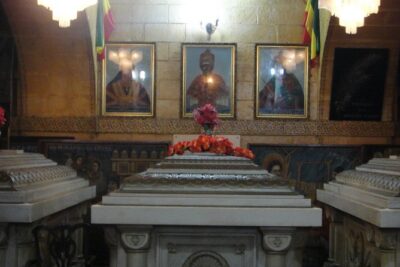
Ethiopian Culinary Tour – Market, Coffee Ceremony and More
Read our review →
Browse the lists this tour appears in