
This Addis Ababa experience works because it turns Ethiopian food into something you can actually repeat at home. You start by shopping for ingredients in Merkato, then head to a kitchen where you learn the steps behind injera and an Ethiopian coffee ceremony that follows a real social ritual.
I especially love how the day connects market life to the food on your plate, not just to the final dish. The other standout is the hands-on cooking part, where you do the work instead of watching it happen from the sidelines. One drawback to plan for: it is not suitable for people with food allergies, since you will be tasting and cooking during the meal.
You will also like the pacing and the way your guide explains what you’re seeing, from market ingredients to the cooking flow. In some cases, guides like Joseph are known for a strong intro, and Dagi is noted for adding helpful local context as you move around the area, even tying in places like a church or museum when they fit the day.
Key things you will remember
.jpg)
- Merkato, Africa’s huge open-air market (Italian-set roots from around 1937, and enormous scale)
- Shopping for vegetables and food items so your lunch starts with real local ingredients
- Injera, made from teff with a starter, fermentation, and thin-pan cooking
- An Ethiopian coffee ceremony with three rounds, served with traditional protocol
- Ethiopian lentil stew taught in a way that’s practical and vegetarian-friendly
- Lunch that you help create, so you eat with context, not just hunger
Arrive, pick up, then head straight to Merkato
.jpg)
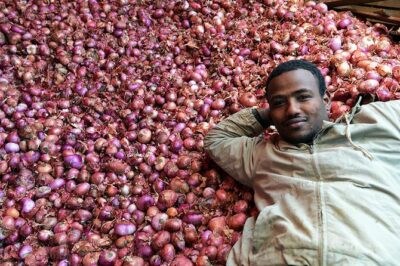
The day starts with hotel or airport pickup, so you are not juggling transit on day one. From there, you drive toward Merkato, the largest outdoor market in all of Africa. It is the kind of place that instantly explains why Ethiopian cooking feels so connected to daily life. Food is not a background detail here, it is the main storyline.
Merkato is established by Italians around 1937, and it is enormous in both footprint and people. You’re looking at several square miles of market space, employing an estimated 13,000 people across about 7,100 business entities. That scale matters, because it turns your visit into more than a photo stop. You can actually watch commerce happening and understand how ingredient sourcing fits local routines.
If you are the type who likes to get oriented quickly, this first segment helps. Your guide will give detailed context as you go, so the sights land with meaning, not just noise. You can bring a camera, and yes, you will want it.
Where else to eat in Addis Ababa:
- Addis Ababa City Tours With Cocking Class of Ethiopian Food
★ 5.0 · 20 reviews - Ethiopia coffee cupping class/Ethiopian food injera making
★ 5.0 · 10 reviews - Local Ethiopian Food Tour
★ 4.0 · 7 reviews
Merkato shopping: culture you can taste later
.jpg)
This is where the tour quietly becomes more than a cooking class. You shop for ingredients and learn how Ethiopians move through the market world. You are not just collecting items, you are practicing the idea that cooking starts with choices made in real places.
Here’s what I think you will gain from the market time:
- Ingredient literacy. You learn what staples look like when they are fresh and unprocessed, and you start to understand why teff and lentils are so central.
- Social context. Markets show you how families buy, compare, negotiate informally, and plan meals.
- Food variety. Ethiopia’s flavors come from a mix of grains, vegetables, and spices. You get a sense of that variety early, before the kitchen steps begin.
You may also pick up extra local context along the way depending on your guide. For example, Dagi is noted for connecting the day to history and local institutions such as a church and a museum, alongside the market visit. That kind of framing can make a long day feel organized, not scattered.
One practical consideration: Merkato is a large open-air environment. Plan to expect some walking and time spent outdoors, even if the tour keeps you moving with the group and guide.
From vegetables market to a home kitchen

After Merkato, you head to a fresh corner vegetables market to buy the necessary food items. This step is not filler. It bridges the gap between shopping and cooking so you can see the full loop: ingredient sourcing, preparation, then lunch.
Then you drive to a home where the cooking session happens. There’s value in that home setting, because it tends to feel like real instruction. You’re not watching a studio performance. You’re learning a process, including what order things happen in and what to watch for while cooking.
You’ll also notice how the day is structured around core Ethiopian staples. Injera is the anchor, and it shapes how the rest of the meal works. Then comes the comfort of a lentil stew designed to be flavorful without being complicated.
Injera lesson: teff, fermentation, then the pan
.jpg)
Injera is Ethiopia’s national food, and the tour teaches you why it is such a big deal. It is a spongy flatbread staple made by fermenting teff flour and water, then cooking it on a hot pan.
The key steps you should expect to learn are:
- Create a starter with teff flour and water
- Mix the starter with additional teff flour and water
- Let it ferment so the batter develops its signature qualities
- Cook thin pancakes on a hot pan to form injera
You’ll also understand the logic behind fermentation. Even if you have never cooked with teff before, the explanation turns it from a mystery food into a method you can repeat later. Teff is a distinctive grain, and the fermentation is what gives injera its characteristic texture and flavor profile.
Why this matters for you: injera is not just bread you eat with food, it is part of the serving style. Once you see how it is made, you will eat differently. Instead of treating it as a side, you treat it like the utensil and the base for the meal.
If you like learning by doing, you’ll enjoy the participation element here. The goal is that you leave with a clear process, not just a plate full of food.
More from Addis Ababa to consider
- Ethiopian Culinary Tour – Market, Food, Coffee Ceremony & more
★ 5.0 · 65 reviews - Hidden Treasures of Addis Ababa – Food, Culture and History Tour
★ 5.0 · 57 reviews - city tour of Addis Ababa ( history ,culture , food and more)
★ 5.0 · 7 reviews - Locally crafted beer and wine tasting and nightlife in Addis tour
★ 5.0 · 6 reviews
Ethiopian coffee ceremony: three rounds, real protocol
.jpg)
Coffee in Ethiopia is not a quick caffeine break. During the tour, you learn the Ethiopian coffee ceremony, an ingrained social ritual that signals friendship, respect, and hospitality.
You should expect the ceremony to happen with specific protocols, including three rounds of coffee. Each round has its own symbolism, and that structure is part of why the ceremony feels meaningful instead of rushed. Even if you normally skip formal rituals on vacation, this one is worth paying attention to, because it changes how you experience the rest of the meal.
Here’s the takeaway I think you will walk away with: you are not just drinking coffee. You’re watching an example of how community works in everyday life. You see how food and drink create time for conversation.
Also, Ethiopian coffee ceremony is included in the tour, so you’re not paying extra once you’re in the experience.
Lentil stew and spice rhythm: a vegetarian-friendly classic
.jpg)
For many people, the cooking highlight is the lentil stew lesson, because it shows that Ethiopian comfort food can be both simple and deeply satisfying. You will learn Ethiopian lentil stew that is easy to make and has an incredible depth of flavor.
If you like meatless meals, this is a strong option for your rotation back home. The tour even frames it as a great dish to keep in your regular cooking cycle.
The ingredients you will use are:
- pepper powder
- tomato
- onion
- food oil
- table salt
That ingredient list is refreshingly practical. You can picture a shopping run and a cooking session without needing a special trip to find rare items. More importantly, you learn how the ingredients work together to create that layered flavor.
What I think makes this lesson especially valuable is the spice rhythm. Ethiopian cooking uses spices in a way that feels built on balance, not just heat. Even if you adjust spice levels at home, you’ll understand the foundation of the dish.
Lunch: eating what you made, the Ethiopian way
.jpg)
Lunch is included, and it ties everything together. You arrive having shopped and cooked, so the meal feels like a result of your effort, not just a scheduled stop.
In a typical Ethiopian meal setup, injera is the base that carries the stew, and the flavors are designed to be scooped and shared. Because you learn injera-making earlier, you can eat with a sharper sense of what you are tasting. You notice texture, fermentation character, and how the stew clings to the bread.
You will also taste varieties of delicious Ethiopian meals during the day. Even when the main cooking focus is injera and lentil stew, the experience is designed to show you how the cuisine varies in style, texture, and spice intensity.
One note for your expectations: this is a food-focused day, so you’ll spend a lot of time with flavors and smells, and you should plan to eat with a big appetite.
Guides, drivers, and how the day stays organized
.jpg)
A big part of why this tour gets consistently strong feedback is the way it stays organized while still leaving room for real learning. Good guides do two things at once: explain what you’re seeing and keep the day moving.
Joseph is specifically noted for giving a great introduction for guests. Dagi is highlighted for being accommodating and sharing history and context as you move through the city area, including guidance around a church, a museum, and the market in some versions of the day. Both names point to the same theme: you’re not left guessing.
Even your driver matters here. You’re going between multiple stops, including large market areas and a home kitchen. When the logistics work, you stay focused on the food.
If you prefer a relaxed day with a lot of explanation, this format fits. If you want only a quick hit of food without any instruction, it might feel like more learning than you asked for.
Price and value: $76 for a full lesson, not just lunch
.jpg)
At $76 per person, this tour is priced like a real cultural and culinary package, not a basic meal. You get:
- hotel and airport pickup
- lunch
- entry ticket
- food items
- Ethiopian coffee
And that combination is the value. You are paying for more than tasting. You are paying for market context, ingredient sourcing, actual cooking instruction, and the coffee ceremony. That is the difference between a lunch you forget and a method you remember.
What is not included is also clear, which helps you plan:
- breakfast
- dinner
- any alcohol drinks
So if you’re budgeting, think of this as your midday anchor meal plus coffee ceremony, with the rest of the day handled separately.
Who should book this Addis Ababa Ethiopian cooking experience
This tour is a great fit if you want:
- hands-on Ethiopian cooking instruction
- injera-making steps you can understand, not just observe
- a coffee ceremony experience with the traditional three-round structure
- a meal that starts with shopping in real local markets
It may be a less ideal fit if:
- you have food allergies
- you do not want to spend time moving through open-air market areas
- you expect a pure tasting event with no cooking participation
Language is English, so you can follow the explanations and ask questions during the process.
Should you book this Merkato to injera and coffee day?
I’d book it if you care about understanding Ethiopian food at the ingredient and process level. The combination of Merkato shopping, guided injera preparation, a true coffee ceremony, and lunch you helped create gives you a complete story. At $76, the included pickup, lunch, coffee ceremony, entry ticket, and food items make it feel like a full-value day, not just a pricey plate.
I would not book it if you have food allergies, since tastings and cooking are part of the core experience. And if you want only a quick overview, this is more teacher-led and hands-on than minimal.
If you’re traveling to Addis Ababa and you want your time to connect street-level market life to what ends up on your fork, this is the kind of tour that gives you something to carry home, even after the taste fades.
FAQ
Where is pickup included for this tour?
The tour includes hotel and airport pickup. You meet the staff at your hotel or at the airport, then you drive to the day’s first stop.
Is lunch included in the price?
Yes. Lunch is included, and it comes after the cooking and tasting parts of the experience.
What does the tour price cover?
The price includes hotel and airport pickup, lunch, entry ticket, food items, and an Ethiopian coffee ceremony.
Do we include the Ethiopian coffee ceremony during the tour?
Yes. Ethiopian coffee is included, and the ceremony follows a traditional setup with three rounds of coffee.
Will I learn how to make injera?
Yes. You will learn how injera is made, including the starter and fermentation process with teff flour and water, then cooking it on a hot pan.
What do you cook besides injera?
You learn to bake and prepare Ethiopian lentil stew, using ingredients like pepper powder, tomato, onion, food oil, and table salt.
Is alcohol included?
No. Any alcohol drinks are not included.
Is the tour suitable for people with food allergies?
No. The tour is not suitable for people with food allergies.
What is the cancellation policy?
You can cancel up to 24 hours in advance for a full refund.
What should I bring, and what is not allowed?
Bring a camera. Alcohol and drugs are not allowed.
More Food in Addis Ababa
- Addis Food Tasting Tour
★ 5.0 · 4 reviews - Local Ethiopian Food Tour
★ 4.0 · 4 reviews - Half Day Food Tour Addis Ababa With Airport pickUp And Drop-Off
★ 5.0 · 4 reviews - Food tour in Addis Ababa with airport pick-up.
★ 3.5 · 3 reviews
Newly reviewed in Addis Ababa
- Addis Ababa City Tour★ 4.5 · 3 reviews
- Full Day Addis Ababa City Tour with Hotel Pick Up And Drop Off★ 5.0 · 3 reviews
- 2 days trek around Lalibela★ 5.0 · 3 reviews
- Day Trip Around Addis Ababa★ 5.0 · 3 reviews
- Northern Ethiopia (Historic route)★ 5.0 · 3 reviews
- Day Tours around Addis Abeba, Melka Kunture and Adadi Mariam★ 5.0 · 3 reviews
- Addis Layover Tour of Mercato With Airport pick up & drop off★ 5.0 · 3 reviews
- Day Trip From Addis Ababa To Debre Ziet★ 5.0 · 3 reviews
Ethiopian Food Tours, compared.
Addis Ababa City Tours With Cocking Class of Ethiopian Food
Read our review →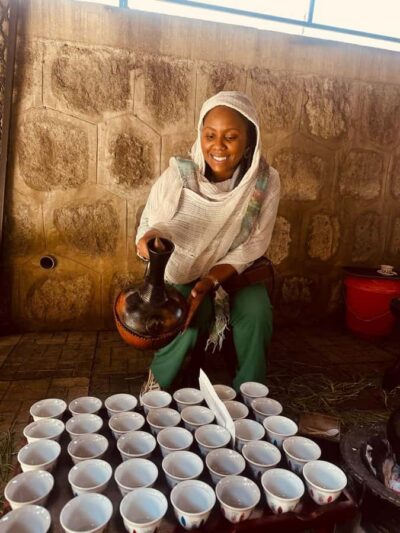
Ethiopia coffee cupping class/Ethiopian food injera making
Read our review →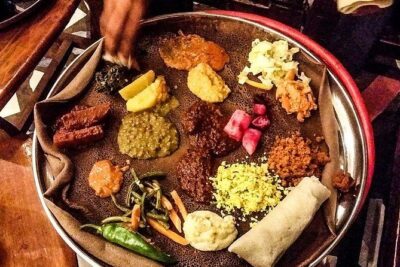
Half Day Food Tour Addis Ababa With Airport pickUp And Drop-Off
Read our review →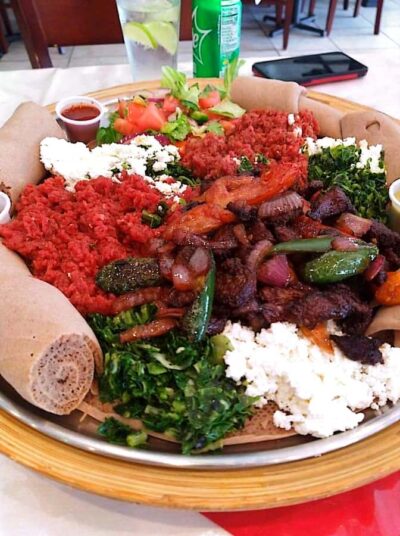
Browse the lists this tour appears in