
Reviewed · MULTI-DAY ETHIOPIA TOURS
Trekking in Ethiopia’s Lalibela Wollo Highland 4 Days / 3 Nights
This 4-day trek in Ethiopia’s Lalibela Wollo Highland region is interesting because it’s not built as a jump-from-viewpoint-to-viewpoint tour. The route works with local communities, so you spend your trekking days in spectacular terrain and your evenings in community-run guesthouses.
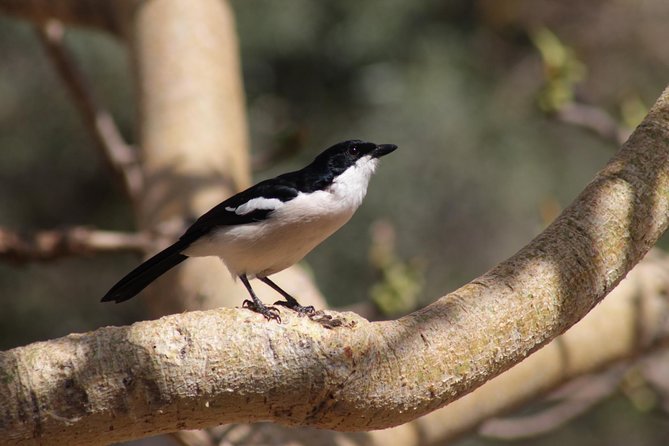
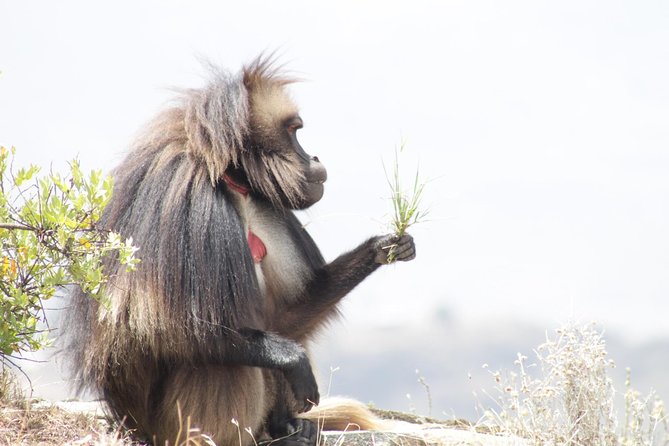
Two things I really like: the chance to meet and learn through a guide, and the natural moments you cannot fake. With Maereg leading the way, you get a clearer sense of the area’s culture and day-to-day life, plus you trek to spots like Meskel where birdlife shows up and you can look for the Ethiopian endemic gelada baboon.
One consideration: this is genuine hiking in high country, including a climb up to about 2,820 meters at Mekuat Maryam. It runs for several hours each day, and the trip depends on good weather, so plan to be flexible.
Key highlights you should care about
- Community-led trekking and guesthouse nights: you sleep with locals and eat included meals where community life is part of the experience
- Maereg as a standout guide: many people single him out for making culture and history feel understandable, not like a lecture
- Wildlife at Meskel: birds you might spot plus the Ethiopian endemic gelada baboon
- Scenic hikes with real elevation: long walking days and high viewpoints, including Mekuat Maryam near 2,820 meters
- Wajela’s acacia woods: an evening that’s noted for beautiful acacia trees
Why this trek feels different once you leave Lalibela
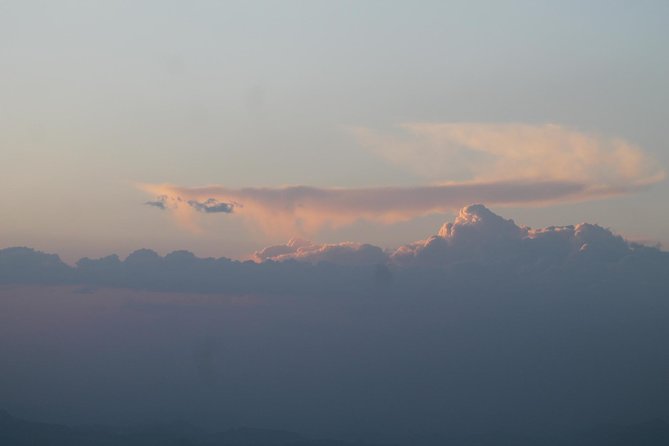
Lalibela is famous for religious landmarks, but this experience shifts your focus. Instead of spending all your time in one place, you drive out of town and walk through working highland landscapes where farms, paths, and village routines shape what you see.
What makes it click is the rhythm. You start with meals taken care of, then you hike for hours to specific named sites, then you return to community guesthouses. That structure matters because it turns the trek into something sustainable for day-to-day life, not a stressful series of logistics.
And because the tour is private, you and your group set the pace within reason. A private setup is handy for photo stops, slower hikers, and questions for your guide, especially when the route is built around community connections.
Longer routes through Lalibela:
- 3 Days 2 nights Lalibela & Yemrehana Krestos seightseeeing tour
★ 5.0 · 6 reviews - The Rock-Hewn Churches of Lalibela: 3 Days / 2 Nights
★ 5.0 · 6 reviews - 6 Days Omo Valley Tribes Tours From Addis Ababa
★ 5.0 · 33 reviews
Maereg’s guiding style, and why it changes the whole trip
The most consistently praised part is the guide. You’ll hear this idea again and again: Maereg has a gift for helping you understand what you’re seeing. People describe him as the kind of guide who answers the questions you actually have, whether that means how daily life works in the highlands or why certain places matter.
For you, that means you get more than a route description. You get context you can use as you walk. When you reach places like Mekuat Maryam, Meskel, or Wajela, you’re not just taking in scenery, you’re trying to understand the landscape in human terms: how people live on these plateaus, how paths connect villages, and why the walk matters beyond exercise.
It also helps that the tone is practical. You’re trekking for real, and the experience keeps moving. A good guide here is not just charisma, it’s pacing, safety awareness, and making sure the day feels manageable.
Day 1: Lalibela to Flakit, then Mekuat Maryam at about 2,820 meters
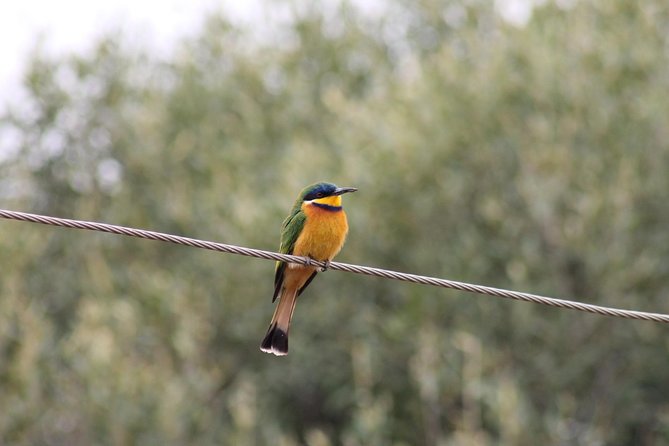
Day 1 starts with breakfast in Lalibela, then you drive roughly 2 hours to Flakit. That transfer is a big deal. You’re not arriving tired and immediately thrown into a long hike, you’re easing into the highland rhythm, with the landscape changing as you go.
Lunch happens at Warkahye, which is a nice mid-day reset before your main walking segment. Then you hike for about 3 hours to the first site, Mekuat Maryam. This stop is described as being around 2,820 meters above sea level, set on a promontory of the plateau. That kind of positioning often means strong viewpoints and lots of open air. Even if you do not chase photos all day, you’ll feel the elevation in your breathing and the wide sense of space around you.
Dinner is at the community guesthouse. That is the moment the trip starts to feel personal. After hiking, you’re not heading back to a hotel that could be anywhere, you’re settling into a community place where the day’s walk has shaped the evening.
Practical note: expect Day 1 to feel like the start of a multi-day effort. If you’re prone to going out too fast early, this is where you benefit from pacing yourself with Maereg’s help.
Day 2: Meskel birdlife and gelada baboons, then Wajela and acacia shade
Day 2 begins at Mekuat community guesthouse with breakfast, then you set out again. Your morning hike is about 3 hours to Meskel.
Meskel is where the wildlife payoff gets specific. At Meskel, you can see different types of birds, and you also have a shot at spotting one of Ethiopia’s endemic mammals, the gelada baboon. Geladas are not the kind of animal you plan to guarantee, but having a place named for that possibility changes your approach. Instead of generic wildlife searching, you’re walking with a target in mind, which usually improves your chances and your attention while you’re out there.
After reaching Meskel, you have lunch there, which helps you recharge before the next hiking segment. Then you trek about 2.5 hours to Wajela. Dinner in Wajela is noted for its beautiful acacia trees. Even when you do not know every plant name, acacia shade tends to bring a calm, earthy feel to evenings. It also makes sense visually for the highlands, where trees and grazing areas shape village edges.
If you’re the kind of traveler who likes nature but also likes people, Day 2 is a strong balance: wildlife moments in the morning, then community life and local atmosphere in the evening.
More from Lalibela to consider
- 3-days Scheduled Lalibela Churches & Abune Yosef Trekking
★ 5.0 · 7 reviews - Day Hike Around Lalibela
★ 5.0 · 5 reviews - Lasta Mountains: Highland Eco Trekking Tour in Lalibela
★ 5.0 · 4 reviews - Lalibela 2-Day Eco Trekking Tour
★ 5.0 · 3 reviews
Day 3: Gala Dejen to Aterow, with another long walking rhythm
Day 3 starts at the Wajela community guesthouse with breakfast. Then you hike for about 3 hours to Gala Dejen. You stop for lunch at Gala Dejen, then continue hiking for another 3 hours to Aterow.
Even with the details we have, the pattern is clear: your body is doing consistent work day after day. That is not a weakness in the itinerary, it’s part of the value. Longer walking blocks are often what make countryside trips feel like a real journey instead of a sequence of quick stops.
Because this is high country, the “three hours” stretches are where you’ll notice the altitude and terrain. If you’re not used to steep or uneven trails, the third day is usually when you either settle into a steady pace or start to fade. This is where a guide matters even more. A guide like Maereg can help you keep effort under control so you still enjoy the view when you reach Gala Dejen and Aterow.
Dinner on Day 3 is included in the overall tour package, but the exact location for that last meal is not spelled out in the information you provided. What you can count on is that the tour includes your meals and snacks, so you’re not left guessing what happens after the last stretch of hiking.
Day 4: return to Lalibela and wrap-up
This experience runs for 4 days and ends back at the meeting point. Your start time is 10:00 am, and the tour meeting point is Lalibela Airport (listed as XXHM+6MG, Girany Amba, Ethiopia). Because the activity ends back at the meeting point, you should plan on a final-day return component after the last hiking segment and final community stop.
If you like to plan your travel tightly, I suggest you keep the next day flexible. Even with an efficient return, multi-day treks often come with tired legs and the normal realities of transport in rural areas.
Price and value: what $500 covers, and what you still need to plan
At $500 per person for a 4-day trek, the value comes from what is included, not just the headline price. Your package includes breakfasts, lunches, dinners, snacks, plus private transportation.
That matters because the big costs in a trek are usually the moving parts: a guide, logistics, and feeding people every day. Here, you’re not paying separately for each meal. You’re also not dealing with shared shuttles that may or may not match your hiking timing.
Two items are specifically not included: alcoholic beverages and bottled water. So if you like to have water at hand while walking, plan to buy it or bring a method to refill your own bottle, depending on what your guide advises.
Also, remember that “private” changes the value equation. You’re not sharing the guide’s time with strangers, so the experience feels tighter and more personal for your group.
Fitness level, altitude, and weather: the real decision points
This trek fits most travelers, but it is not “easy stroll” territory. The route includes multiple hikes, including segments of about 3 hours and one of about 2.5 hours. Day 1 also includes reaching Mekuat Maryam around 2,820 meters.
So, ask yourself honestly:
- Can you comfortably walk for 2.5 to 3 hours on uneven terrain?
- Can you handle elevation and the slower breathing that comes with it?
- Are you okay with a schedule that depends on the landscape, not indoor time slots?
The other big factor is weather. The experience requires good weather. If conditions are poor, the trip may be canceled, then you are offered a different date or a full refund. That is fair, and it’s also why you should avoid booking this as a last-minute gamble right before a fixed flight.
Who this trek is best for
You’ll probably love this if you want more than a scenic walk. This is a trek where the key themes are community connection, wildlife opportunities, and walkable countryside.
It’s especially good for:
- People who enjoy cultural context and ask questions
- Travelers who like the outdoors and want a wildlife stop that is part of the route
- Groups that prefer a private tour for pacing and comfort
- First-time Ethiopia visitors who want a guided way to understand life beyond the best-known sights
It may not be ideal if you need a very low-effort schedule or you strongly dislike multi-day hikes. This route is structured around movement, and the payoff comes when you match that pace.
A few practical details that help you enjoy Day 1 more
Start time is 10:00 am, and the meeting point is listed at Lalibela Airport. If you’re arriving from elsewhere that morning, give yourself buffer time. Once you start hiking, you want your energy to be about your legs, not stress.
Because the tour is near public transportation, it’s easier to get to the meeting point than if you were dropped far out of town. Still, for the smoothest start, treat your transfer as part of the trip, not an afterthought.
And yes, service animals are allowed, and the tour is described as suitable for most travelers. That suggests a practical approach, but it still does not change the fact you’ll be walking for hours in the highlands.
Should you book this trek?
If your idea of a great Ethiopia trip includes walking with a guide, eating well, and seeing real highland life up close, I’d book it. The strong guide reputation around Maereg is a big reason why. The wildlife detail at Meskel, especially the chance for gelada baboons, is another.
Choose it with eyes open about effort. You are signing up for several hours of hiking, including meaningful elevation on Day 1, and the itinerary depends on good weather. If you are prepared for that, you’ll likely come away with more than photos, you’ll come away with a clearer sense of the Wollo highlands and the communities who live there.
FAQ
What is the duration of the Lalibela Wollo Highland trek?
The trek lasts 4 days (about 3 nights).
Where does the tour start and what time?
It starts at Lalibela Airport (XXHM+6MG, Girany Amba, Ethiopia) with a 10:00 am start time.
How much does the trek cost?
The price is $500.00 per person.
What meals are included?
Your package includes breakfast, lunch, dinner, and snacks.
Is private transportation included?
Yes, the tour includes private transportation.
Are bottled water or alcoholic beverages included?
No. Bottled water and alcoholic beverages are not included.
Is this a private tour?
Yes. It is a private tour/activity, and only your group participates.
Is free cancellation available?
Yes. You can cancel up to 24 hours in advance for a full refund, and the experience requires good weather.
More 4-Day Experiences in Lalibela
- 4-Day Tour: Tigray Churches & Danakil Depression Adventure.
★ 5.0 · 11 reviews - Omo Valley 4days 3nights Cultural Tour
★ 5.0 · 7 reviews - 4 Days Trekking to Simien Mountain National Park
★ 5.0 · 7 reviews - Simien Mountains – 4 Days
★ 4.0 · 7 reviews
Newly reviewed in Lalibela
- Full Day Tour in Lalibela★ 5.0 · 3 reviews
- Lalibela 2-Day Eco Trekking Tour★ 5.0 · 3 reviews
- Lasta Mountains: Highland Eco Trekking Tour in Lalibela★ 5.0 · 4 reviews
- Day Hike Around Lalibela★ 5.0 · 5 reviews
- Full Day Tour To The 11 Rock Hewn Churches Of Lalibela★ 5.0 · 5 reviews
- Lalibela churches Guided Tour★ 5.0 · 6 reviews
- 3 Days 2 nights Lalibela & Yemrehana Krestos seightseeeing tour★ 5.0 · 6 reviews
- The Rock-Hewn Churches of Lalibela: 3 Days / 2 Nights★ 5.0 · 6 reviews
Multi-Day Ethiopia Tours, compared.
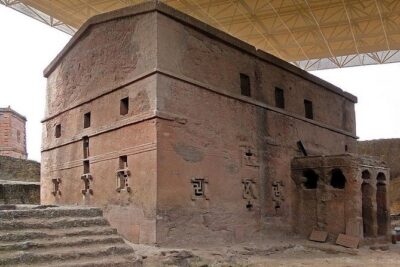
6 Days tour Package (Simien Mountains, Lalibela, and Danakil Depression)
Read our review →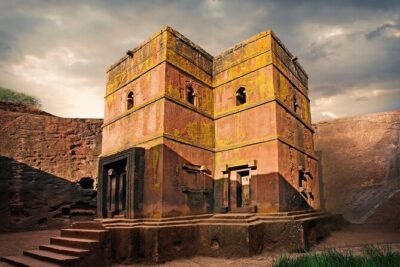
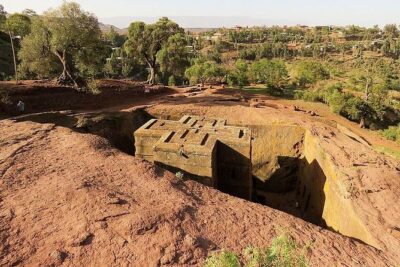

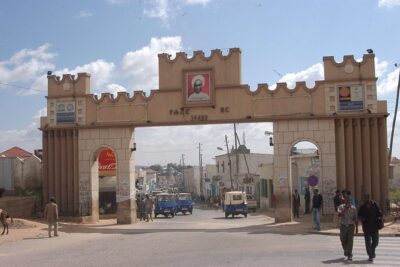
5 Days Tour to World Heritage-listed Harrar, Dire Dawa and Awash NATIONAL PARK
Read our review →
3 Days 2 nights Lalibela & Yemrehana Krestos seightseeeing tour
Read our review →
The Rock-Hewn Churches of Lalibela: 3 Days / 2 Nights
Read our review →
3 days tour Danakil Depression (Dallol & Erta Ale)
Read our review →Browse the lists this tour appears in