
Reviewed · OMO VALLEY TOURS
6 Days Omo valley Tribal Tour (Starts Arba Minch End Jinka)
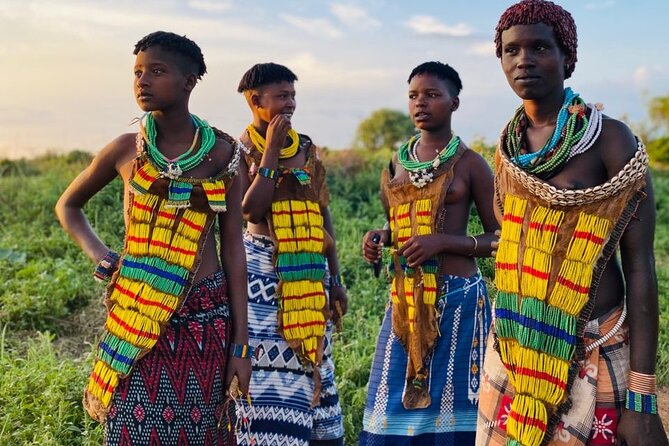
This is an old-school, land-based cultural route through southern Ethiopia, starting at Arba Minch and ending at Jinka. The itinerary mixes highland villages, riverbank tribes, and market days, so you get variety without rushing by air.
I especially like the day-to-day rhythm: you start with the Dorze and their beehive-like homes, then work your way south toward the Omo River communities. I also like the small-group feel, with a maximum of 4 travelers, and the presence of guides like Debebe and driver China, who are known for humor and for setting you up with local contacts. One consideration: this is a ground tour with off-road driving and long days, so you want to be ready for road time.
Quick hits for this Arba Minch to Jinka Omo Valley tour
- 4×4 with A/C for the long southern drive
- Dorze in Chencha with beehive-like huts and local food made from false banana
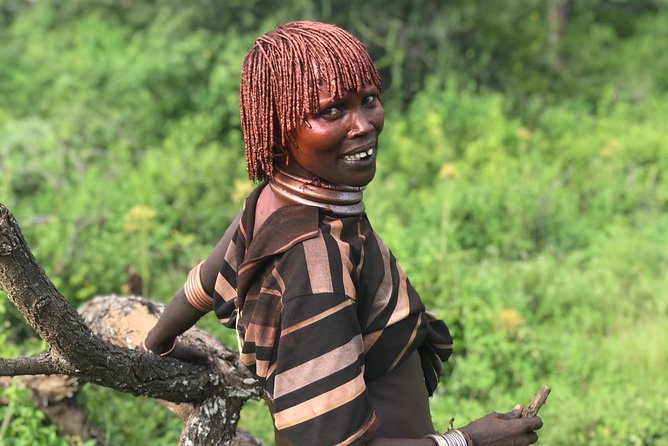
- Kara village visits tied to flood retreat farming and flood-season riverbank life
- Omo River canoe crossing near Omerate to reach the Dassanech villages
- Market days at Dimeka (Tuesday and Saturday) and Keyafer (Thursday)
- Brief Mago National Park stop on the way to meet the Mursi, then drop to Jinka airport
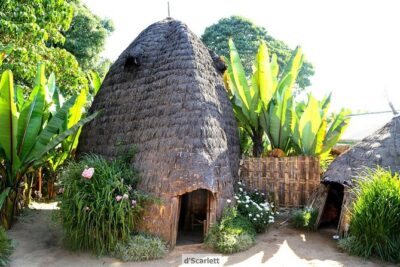
Day 1 Arba Minch to Chencha for Dorze beehive huts and false banana food
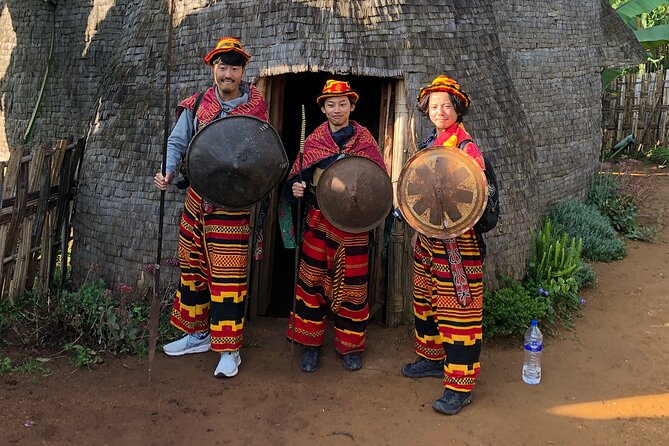
Day 1 begins in Arba Minch and quickly moves you from lake country to highland altitude. You drive about 36 km from Arba Minch (around 1,400 m) up toward Chencha at about 2,900 m, with views over Lake Abaya and Lake Chamo along the way. It’s the kind of vertical change that makes the day feel like two different places.
Your Dorze visit is the heart of the morning. You’ll see the famous beehive-like huts, and you’ll learn how the Dorze prepare a staple food made from false banana. This is one of those stops where you’re not just walking through a village, you’re watching daily work and trying the food. That matters, because it turns the day from sightseeing into a cultural encounter.
Afterward, you head back to Arba Minch and sleep there. That return is useful. It gives you a real base night after an active arrival day, and it keeps you from stacking too many long drives early on.
What to watch for: the altitude change. Even without dramatic symptoms, I’d plan for a little slower pace and basic hydration.
Other journeys down to the lower Omo:
- 5 Day Private tour to the Omo Valley Tribes and Adventure Tour
★ 5.0 · 11 reviews - Omo Valley Tribes 6 Days Tours
★ 4.9 · 10 reviews - 4 Days tour in omo valley.
★ 4.5 · 3 reviews
Day 2 The southbound 277 km drive from Arba Minch to Turmi, plus Dimeka market timing
Day 2 is your long move: Arba Minch to Turmi, about 277 km and roughly 5.5 hours of driving. This is where the tour’s “ground transportation” idea really shows. You’re traveling through regions associated with several groups, including Konso, Tsamay, Arbore, and Hamar. You might not spend all day in one place, but you’re absolutely changing scenery and community style as you go.
There’s also a market stop built into the route. You visit Dimeka on Tuesday and Saturday, when the Dimeka market is active. The market timing is not random. It’s the difference between seeing a village and seeing it as part of a wider social day where many people gather.
I like this structure because it gives you context. A market day helps you understand that these communities are not isolated little dots. They connect through trade, visiting, and shared routines.
Possible drawback: if your travel dates don’t line up with the Dimeka market day, you may spend more time on road travel than on that specific marketplace stop. The good news is the overall route still targets multiple tribe areas, so you’re not left with only driving.
Day 3 Turmi to Kara village by off-road road, flood retreat farming on the Omo edge
Day 3 focuses on getting out to a smaller, more specific community: Kara Village (also described as called Duse or Labuck), about 80 km off-road from Turmi. This is not a paved-road day, and it’s where your comfort depends on the vehicle and your expectations. The tour uses a 4×4, and the included air-conditioned vehicle can help you reset during the long travel segments.
The Kara description is specific in the tour plan. The group lives along the east banks of the Omo River and practices flood retreat cultivation. In practice, that means farming is tied to the seasonal flow and retreat of water. The crops you’ll hear about include sorghum, maize, and beans.
Then you drive back to Turmi for the night. That return matters. After an off-road morning, going back to a stable base helps you keep energy for the next day’s village visits.
My practical tip: pack for dust and heat control. Even if you have A/C for driving, you’ll still be outside during village time.
Day 4 Nyangatom area in the morning, then Karo village and Kara body painting

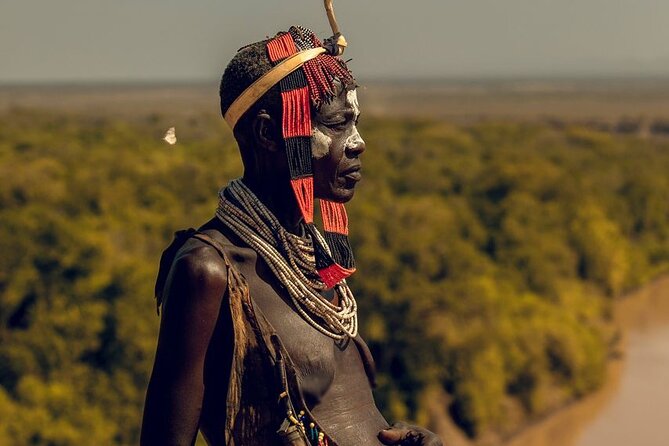
Day 4 is split into two cultural beats. In the morning, you visit a Nyangatom village, then you continue to the Karo village area to visit the Kara. This day is also tied to a well-known visual tradition: the Kara are described as famous for their body paintings.
The “morning village, then another village” format is smart for attention. If you did too much in one continuous block, you’d rush through the small details that make each stop feel human. Instead, you get a morning start with one community, then a second targeted visit later.
This day also includes specific practical lodging notes: accommodation is Turmi Hotel with portable shower and toilet, and the plan lists full board here. That’s valuable because it tells you what kind of comfort level to expect once you’re in Turmi, and it helps you plan your meals and water without guessing.
Travel distance and time are listed as 101 km, about 6 hours. Expect the extra time to come from road conditions and the stop-and-go rhythm of village visits. The upside is you’re not stuck in a long corridor with no change. Each segment has a purpose.
A consideration: body painting and cultural presentation are part of the attraction, but you should also be ready for the possibility that the visual tradition might not look exactly the way you imagined in a photo. This is a living practice, not a staged performance.
Longer routes through Arba Minch:
- 6 Days Omo Valley Tribes Tours From Addis Ababa
★ 5.0 · 33 reviews - 6 Days tour Package (Simien Mountains, Lalibela, and Danakil Depression)
★ 5.0 · 32 reviews - Danakil Depression and Lalibela 5 Days Tours
★ 5.0 · 28 reviews - 3 Days Omo Valley Tour
★ 5.0 · 24 reviews
Day 5 Omerate and Dassanech, Omo canoe crossing, then Keyafer Thursday market
Day 5 is one of the most logistically interesting days because it combines river travel with a market day. You drive 72 km in about 1.5 hours to Omerate on the east bank of the Omo River. From there, you cross the river by local canoe to reach a Dassanech village.
This is the part of the tour where you’ll feel the geography of the Omo Valley in your bones. The canoe crossing is short enough to stay manageable, but it’s meaningful because it physically changes your perspective and gives you that “we’re traveling with the water, not against it” feeling.
Then you continue to the market. On Thursdays, you visit Keyafer, described as one of the most colorful markets in the area. The market is visited by multiple tribes, including Hamer, Benna, and Karo.
I like pairing a village visit with a market day on the same day. It keeps your understanding balanced. You see intimate daily life in the village, then you see the bigger social web at the market.
Practical drawback to consider: market days can be busy and crowded. If you prefer slow, quiet interaction, give yourself space and pace yourself through the noise.
Day 6 Mago National Park for the Mursi, then drop at Jinka airport
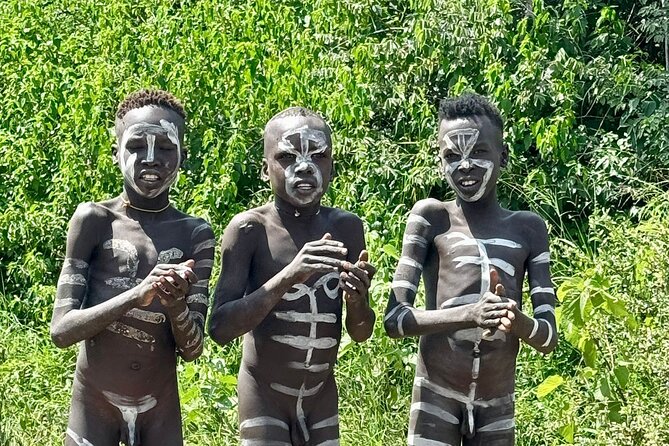
Your final day shifts from village-to-village travel into a quick protected-area stop and then the best-known Omo Valley group of the whole route. On the way, you drive into Mago National Park toward the Mursi. The plan is clear: don’t expect much game because the visit is brief.
This is a good heads-up. If you’re coming for big wildlife, you’ll likely be disappointed. If you’re coming to understand how the Mursi community connects to this part of southern Ethiopia, the park stop still makes sense because it’s the route you take to reach them.
After the park portion, you reach a village where the Mursi live. Then you head back to Jinka for lunch and finally you get dropped at the airport.
Your start and end points are tight and practical. The tour begins at Arba Minch Airport and ends at Jinka international airport, and the listed start time is 6:30 pm. So you’re not scrambling for open-ended transportation when it’s time to leave.
One more practical point: because the final day ends at the airport, your schedule will be fixed. Plan to travel light and keep documents and camera gear ready.
Price and what $1,600 includes in the real world
At $1,600 per person, this isn’t a budget tour. But it is a focused, land-based circuit that includes air-conditioned vehicle and uses a 4×4 for long, difficult stretches. You’re also getting a private-or-small-group style experience, capped at 4 travelers, which usually makes the day-to-day flow smoother when roads are unpredictable.
What’s not included is also important: all fees and taxes are listed as not included. That’s the main wildcard in your total budget. Before you lock in flights, I’d ask your operator what you should expect for local fees, since these can change the true end cost.
Value comes from four things:
- The sequence of communities, from Dorze to Kara to Dassanech to Mursi
- The transport effort involved in moving south across multiple regions
- The market days that add context beyond village visits
- The small group size, which makes it easier to manage time, dust, and timing at each stop
If you’re hoping for a relaxed, “hotel every night, long lunches” kind of trip, you might find the pace intense. If you want real access to the Omo Valley route, this price is at least aligned with the work required to get there.
The human factor, guides like Debebe and driver China

One of the biggest strengths you should look for in southern Ethiopia is the human connector. When the guide is Debebe and the driver partner is China, the experience is described as feeling like traveling with someone who knows how to handle introductions and timing. That matters because in these communities, your experience is shaped by how visits are set up, not just by where you go.
You’ll also want a guide who can arrange local contact so you get context and explanation for what you’re seeing. The plan is designed to do exactly that with village stops and targeted visits tied to each community.
In short: you’re not just buying a car and a route. You’re buying smoother social access.
Packing and etiquette for Kara, Dorze, Dassanech, and Mursi visits
The tour data doesn’t list a strict dress code, so you should use common sense for village visits in Ethiopia. I’d bring clothes that cover shoulders and knees, and I’d pack something light for daytime and warmer layers for early starts, since altitude and evening temperatures can vary.
For practical gear:
- Bring water and keep it handy during drives and markets.
- Have sun protection. You’ll be outside for village time.
- Bring a small cash stash for markets, since you’ll likely want to handle purchases if something catches your eye.
And for photography and body paint traditions: treat them as personal and cultural, not as a photo assignment. Ask yourself how you’d want a visitor to behave in your own home.
Who this tour is best for, and who should think twice
This fits best if you:
- Want a full Omo Valley circuit rather than one region
- Prefer small-group travel and a guide who can connect you locally
- Are interested in specific communities and the role of markets, not only general sightseeing
Think twice if you:
- Want lots of wildlife viewing. The Mago National Park stop is brief and explicitly notes that you should not expect much game.
- Hate long driving days. There are multiple long segments, including 277 km and off-road travel.
- Are looking for consistent hotel-level comfort every night. At least one night specifies portable shower and toilet in Turmi.
Should you book this Arba Minch to Jinka Omo Valley tour?
I’d book it if your main goal is guided access to multiple Omo Valley communities with real logistical support, including 4×4 with A/C and an end-to-end plan from Arba Minch Airport to Jinka airport. It’s also a strong match if you care about market days like Dimeka and Keyafer, because they add social context beyond village encounters.
I wouldn’t book it if you want a more leisurely pace, big wildlife guarantees, or a total price that is fully predictable with no extra fees and taxes to consider.
If you’re comfortable with road travel and village visits, this is the kind of itinerary that can leave you with a clear sense of how daily life and seasonal patterns shape the Omo Valley.
FAQ
Where does the tour start and end?
It starts at Arba Minch Airport in Arba Minch, Ethiopia, and ends at Jinka international airport in Jinka, Ethiopia.
How long is the tour?
The tour is 6 days (approx.).
What time does it start?
The listed start time is 6:30 pm.
What transportation do we use?
You travel by ground transportation in a 4×4 car with A/C. The air-conditioned vehicle is included.
Is pickup offered?
Yes, pickup is offered.
How many people are on the tour?
The tour has a maximum of 4 travelers.
Which tribe areas and stops are included?
The route includes Dorze (Arba Minch to Chencha), tribe areas along the route such as Konso, Tsamay, Arbore, and Hamar, Kara village visits (including a Kara body painting visit), Nyangatom and Karo village areas, Dassanech near Omerate (including an Omo canoe crossing), and Mursi on the way into Mago National Park.
Do you visit markets? If so, when?
Yes. You visit the Dimeka market on Tuesday and Saturday and the Keyafer market on Thursday.
Is the Omo River crossing included?
Yes. You cross the Omo River by local canoe to visit a Dassanech village.
Is free cancellation available?
Yes, there is free cancellation if you cancel at least 24 hours before the experience’s start time for a full refund. The policy also notes cancellation can happen if weather is poor, with a different date or a full refund offered.
More 6-Day Experiences in Arba Minch
- 6 days private Sight Seeing Tours.
★ 5.0 · 4 reviews - 6 Days Lalibela, Omo Valley and Harar
★ 5.0 · 15 reviews - 6-Day Omo Valley Cultural Private Tour
★ 5.0 · 6 reviews - 6 day Omo ValleyTours
★ 5.0 · 5 reviews
Newly reviewed in Arba Minch
- 4 Days tour in omo valley.★ 4.5 · 3 reviews
- 6 days private Sight Seeing Tours.★ 5.0 · 4 reviews
- 3 Days, Arba Minch, Dorze village and Konso Village★ 5.0 · 5 reviews
- 3 days, Arba Minch and Dorze★ 5.0 · 7 reviews
- Omo Valley Tribes 6 Days Tours★ 4.9 · 10 reviews
- 5 Day Private tour to the Omo Valley Tribes and Adventure Tour★ 5.0 · 11 reviews
- Private 3 Days Adventure Tour Through Arba Minch★ 5.0 · 16 reviews
- 3 days around Arbaminch and Konso Adventure Tours Life Time★ 5.0 · 24 reviews
Omo Valley Tours, compared.
6 Days Omo Valley Tribes Tours From Addis Ababa
Read our review →
Lalibela, Axum, Danakil and Omo Valley 8 DAYS
Read our review →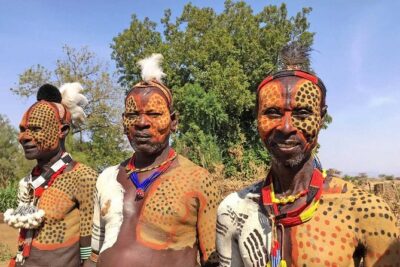
Danakil Depression, Lalibela, Omo Valley and Simien Mountains
Read our review →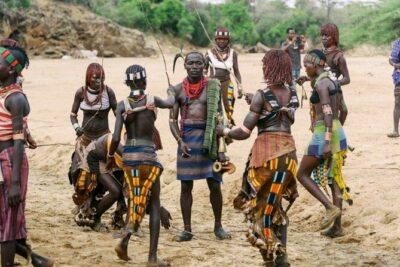


9 Days Tours To Danakil Depression, Simen MNP, Lalibela With Omo Valley Tribes
Read our review →Browse the lists this tour appears in