

Reviewed · OMO VALLEY TOURS
3 Days Omo Valley Tours From Jinka
Omo Valley travel is interesting because you are stepping into daily life that is very different from what most people see at home, while still getting real nature time in the Great Rift Valley. I like the small-group size (max 15), because it makes conversations and questions more possible. I also like that you get an English-speaking professional guide and a driver who handle the driving, so you spend your energy where it belongs, on people, places, and photos you actually remember.
One possible drawback is the pace and the timing. You are looking at long road days in remote country, and the listed start time is 9:00 pm, so you will want to confirm pickup details early. Also, this is a culture-focused itinerary, so you should expect to manage your expectations around how much access you get at each village.
Key moments that make this Omo Valley trip click

- Mago National Park with a Mursi village visit in straw-leaf huts, plus a close look at traditional body adornment
- Hammer tribes in the Turmi area, where the visit is typically more than just a quick stop
- Dassanech Village near Lake Turkana, often described as the people of the Delta
- Dimeka Market time, with a chance to see multiple groups and their daily market life
- South Omo Research Centre Museum and Ari culture, including enset-based skirts and pottery skills
- A folkloric dinner and traditional coffee ceremony, paired with a formal dress code
Why start in Jinka for the Omo Valley experience?
Starting from Jinka is practical. You are positioning yourself close to the action in Ethiopia’s lower Omo region, instead of trying to cram this into a long, exhausting multi-city circuit. This tour also frames the trip around both people and place, with mention of the Great Rift Valley’s geology and the way the land shapes settlement and daily work.
The big value is that the trip is built like a guided circuit. You are not spending hours figuring out routes, scouting logistics, or translating basic questions in each area. Instead, you roll from stop to stop with a professional driver, an English guide, and entrance or scout fees handled for the included activities.
And because the group is capped at 15 travelers, it tends to feel more like a team trip than a packed-bus parade. That matters in the Omo Valley, where small moments, like asking about materials, seeing how markets operate, or learning a local term, are often what make the trip memorable.
More Multi-Day Tours in Addis Ababa
- 6 Days Omo Valley Tribes Tours From Addis Ababa
★ 5.0 · 33 reviews - Danakil Depression and Lalibela 5 Days Tours
★ 5.0 · 28 reviews - 3 Days Omo Valley Tour
★ 5.0 · 24 reviews
Day 1 in Mago National Park: meeting the Mursi, huts, and striking adornment

Day 1 begins with arrival at Jinka airport. Then you drive to Mago National Park and visit a Mursi village. This is the part many people save their energy for, because it is visually powerful and culturally specific.
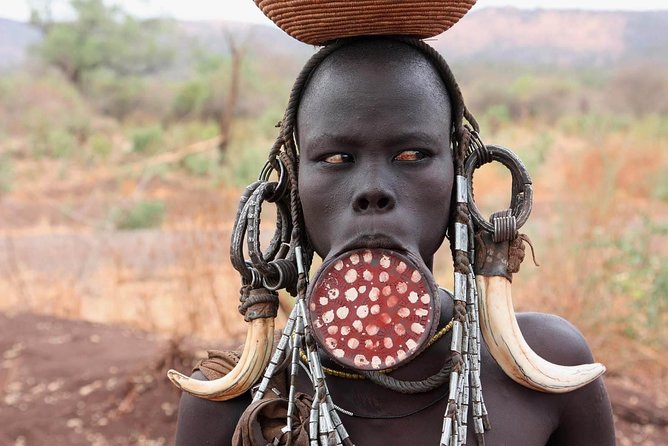
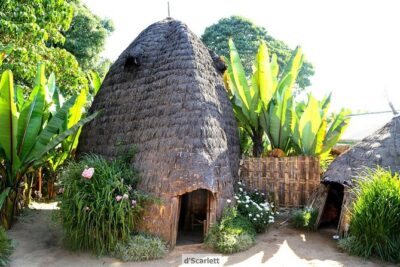
Here is what you can expect in a grounded way. The Mursi live in very low huts made of straw leaves. The visit also includes a close look at traditional adornment, including the use of terra cotta on enormously stretched lower lips and ear lobes for women. That is not a fashion show, it is cultural identity and tradition, so I suggest treating it with patience and respect rather than acting like you are only collecting pictures.
Timing matters too. Day 1 includes about 3 hours allocated for this stop, which usually means you will have time for introductions and questions, not just a drive-by photo line. Afterward, you drive back toward Jinka, then continue to Turmi.
Practical note: when you see body adornment like this, it helps to slow down. Ask what is okay to photograph. If the guide recommends keeping distance or waiting for an introduction, follow that. It makes the visit smoother for everyone and often leads to better conversations.
Turmi and the Hammer tribes: why the second village stop feels different
After driving back toward the Turmi area, your Day 1 includes an overnight at Turmi Lodge or similar, and then a later visit to the Hammer tribes.
The Hammer visit typically feels different from the Mursi stop because you are not just changing scenery, you are shifting to another community with its own customs and rhythms. That is a good thing, even if it means the day is packed. The tour is designed to give you more than one cultural lens in a short window.
If you care about getting context, this is where the English guide can really matter. A strong guide does more than translate. They explain what you are seeing and why it makes sense locally, like clothing materials, daily routines, and how families organize life in the region. In one past experience with this operator network, the guide Tesfaye was singled out for adding history and tribe background. If that matches your style, you can ask the organizer whether your guide will be Tesfaye or someone with the same approach.
Also, remember that evenings in remote areas can be chilly or dusty depending on the season. Wear layers you can adjust, and keep your camera strap secure. The ride is part of the experience, but you still want to arrive looking and feeling ready.
Day 2 to the Lake Turkana region: Dassanech and the Delta feel

Day 2 starts after an early breakfast in Turmi. You head toward Omorate, where you visit the Dassanech people, described as the people of the Delta. The key geographic detail here is that the Dassanech live on the northern shore of Lake Turkana.
This stop is valuable because it shifts your focus from one cultural group to a community tied closely to water and seasonal conditions. Even if you only see small pieces of daily life, you start to understand how survival and tradition connect to local ecology.
Your drive then connects you to Dimeka, including time at the Dimeka Market. The plan includes seeing around four different peoples, listed as Hammer, Tsemay, Ari, and Kara. Markets are not always calm, and they are not always quiet for learning. The upside is you get a concentrated view of daily commerce, clothing, and social interactions in one place.
You also get time to browse. The plan notes a longer market window before you head back toward Jinka, with an additional stop at Tsemay villages along the way.
Day 2 runs about 4 hours for the relevant activity block, plus extra time for the market portion. In practice, that means you will want a comfortable day bag, sunscreen, and water. If you get sore from walking market edges, don’t try to “tough it out.” Take short breaks. The most interesting moments often happen when you are relaxed enough to ask.
Other journeys down to the lower Omo:
- Danakil Depression, Lalibela, Omo Valley and Simien Mountains
★ 5.0 · 23 reviews - 5 Days Omo Valley Tours
★ 5.0 · 15 reviews - 6 Days Lalibela, Omo Valley and Harar
★ 5.0 · 15 reviews - Private Omo Valley Tours From Addis Ababa
★ 5.0 · 12 reviews
South Omo Research Centre Museum and Ari culture on Day 3

Day 3 begins with another breakfast and a drive back through the Jinka area. Then the tour connects to the South Omo Research Centre Museum.
A museum stop might sound like a pause in the action, but it can be a smart reset. In a region where you are meeting several groups across short distances, a little background helps your brain place what you are seeing into a bigger context. Even if the museum time is brief, it can make the next village visit click more.
After lunch, you drive to meet the Ari people, described as the largest population in the lower Omo Valley. The plan highlights clothing and skills, including that Ari women wear skirts made from the enset tree (the banana-like tree) and are expert in pottery.
This is where the tour becomes more than a photo circuit. Pottery skills are hands-on knowledge. If you have a guide who explains the process or materials, you will likely come away with a clearer understanding of work and tradition, not just visual impressions.
Later, you are transferred to Jinka Airport for your flight to Addis Ababa. Also pay attention to the timing of the evening program. The plan also includes an evening folkloric dinner, with the traditional coffee ceremony served. Flight schedules can shift, so I suggest you confirm the exact order with your organizer so you are not scrambling while you are hungry or trying to get ready for a formal event.
Folkloric dinner, coffee ceremony, and packing for a formal dress code

This tour includes an evening folkloric dinner with the chance to taste several national dishes and watch dances of multiple ethnic groups. The plan also notes the traditional coffee ceremony.
Two practical tips help here. First, bring something that fits the listed formal dress code. For many people, that means at least a button-down shirt or a neat dress or outfit. You do not need to overthink it, but you do not want to show up looking like you are headed to a hike.
Second, plan for how you handle food and timing. The trip includes breakfast and at least one dinner element in the cultural program, but lunch and other meals may not be included. If you are the type who gets headaches when you are hungry, carry a small snack in your day bag for the market and museum periods.
Alcohol is listed as not included. That is normal, but it matters if you tend to order a drink during dinners. If you want a drink, budget for it separately.
Price and logistics: what $845 per person really buys
The price is $845 per person for a 3-day tour. It is not a cheap add-on, but in this part of Ethiopia, cost often comes down to logistics: remote roads, vehicle use, guide time, and the included entrance or scout fees.
What you get that supports the price:
- 2 nights of accommodation (in Turmi Lodge or similar and Jinka Nassa)
- 2 breakfasts
- An English-speaking professional guide
- Entrance and scout fees for the included activities
- Car with a professional driver
- Pickup offered and a group setup capped at 15 travelers
- A folkloric dinner is listed in the highlights of the experience
What you should treat as extra costs:
- Domestic flights are not included, even though the plan includes flying from Jinka to Addis Ababa
- Lunch and personal meals are not included
- Alcohol drinks and gratuities or personal expenses are not included
The value question comes down to whether you prefer a guided, structured route over self-planning. If you want culture and nature access without doing heavy trip planning, this kind of package can be worth it. If you already have a driver lined up, guides in place, and a flexible plan, you might find cheaper options. But that kind of DIY needs local coordination and time, and the Omo Valley punishes delays.
Also, watch the fine print around timing. The tour lists a start time of 9:00 pm, which strongly suggests an evening pickup or a late start connected to flight and transfer timing. That is manageable, but you should confirm the exact sequence before you book flights around it.
Who this tour suits best, and who should think twice
This experience fits best if you:
- Want culture plus nature in the same 3-day window
- Are comfortable with remote travel and long drives
- Prefer a small group rather than a huge crowd
- Plan to ask questions and learn, not just watch from a distance
It might be a rough fit if you:
- Need very slow, low-effort pacing. The schedule stacks multiple visits in a short period.
- Hate formal dress expectations. The dinner program has a formal dress code.
- Are traveling with very young children. The tour lists a minimum age of 11 years.
- Have very limited physical tolerance. The tour requests a moderate physical fitness level and notes it operates in all weather conditions.
One more practical note: service animals are allowed, which is helpful if that applies to your family.
Should you book Omo Valley Tours From Jinka?
If you want a guided, structured taste of the lower Omo cultures, I would seriously consider booking. This is the kind of trip where your guide can save you from common mistakes, like showing up unprepared, missing the context behind what you are seeing, or getting stuck on logistics in a remote area. The operator’s reputation also includes responsiveness and problem-solving, including help when plans change last minute, like arranging a replacement driver so the trip stays on track.
That said, book with a clear head about what you are purchasing: not luxury, but access, interpretation, and transport. Also confirm the domestic flight situation from Jinka to Addis Ababa, since domestic flights are not included.
My quick checklist before you say yes:
- Ask exactly which meals are included besides breakfasts and the folkloric dinner
- Confirm the flight timing so you are not caught between transfers
- Ask whether your guide will focus heavily on tribe history and background like Tesfaye has been noted for
- Pack for formal dinner and for dusty, variable weather during drives
If that matches your travel style, this is a strong way to see the Omo Valley without turning it into a full-time project.
FAQ
Where does the 3-day tour start and end?
The tour starts in Jinka and ends in Addis Ababa. On Day 3, you are transferred to Jinka Airport for your flight to Addis Ababa.
What is included in the tour price?
The tour includes English-speaking professional guidance, a professional driver with a car, and entrance and scout fees, plus accommodation with breakfast. The highlights also state 2 nights’ accommodation, 2 breakfasts, and 1 dinner.
Are domestic flights included?
No. Domestic flights are not included. The plan includes getting to Jinka Airport for a flight to Addis Ababa, but the flight cost is listed as not included.
How large is the group?
The tour has a maximum of 15 travelers. It also lists group discounts.
What is the minimum age for this tour?
The minimum age is 11 years.
What is the cancellation window for a full refund?
You can cancel for a full refund if you cancel at least 24 hours before the experience’s start time. If you cancel less than 24 hours in advance, the amount paid is not refunded.
More 3-Day Experiences in Addis Ababa
- 3 Day Danakil Depression Ertale and Dallol Tours
★ 5.0 · 44 reviews - 3 Days Dankile Depression group Tours
★ 5.0 · 40 reviews - 2-Night 3-Day Danakil Depression Tour without Flights
★ 4.8 · 31 reviews - Trekking at Bale Mountains 3 Days
★ 5.0 · 28 reviews
Longer Routes Through Addis Ababa
- Lalibela 3 Days/ 2 Nights Tour package
★ 5.0 · 13 reviews - 9 Days Tours To Danakil Depression, Simen MNP, Lalibela With Omo Valley Tribes
★ 5.0 · 11 reviews - 5 Days Tour to World Heritage-listed Harrar, Dire Dawa and Awash NATIONAL PARK
★ 4.5 · 10 reviews - 5 days Omo valley
★ 5.0 · 9 reviews
Newly reviewed in Addis Ababa
- Addis Ababa City Tour★ 4.5 · 3 reviews
- 2 days trek around Lalibela★ 5.0 · 3 reviews
- Day Trip Around Addis Ababa★ 5.0 · 3 reviews
- Full Day Addis Ababa City Tour with Hotel Pick Up And Drop Off★ 5.0 · 3 reviews
- Northern Ethiopia (Historic route)★ 5.0 · 3 reviews
- Addis Layover Tour of Mercato With Airport pick up & drop off★ 5.0 · 3 reviews
- Day Tours around Addis Abeba, Melka Kunture and Adadi Mariam★ 5.0 · 3 reviews
- Day Trip From Addis Ababa To Debre Ziet★ 5.0 · 3 reviews
Omo Valley Tours, compared.
6 Days Omo Valley Tribes Tours From Addis Ababa
Read our review →
Lalibela, Axum, Danakil and Omo Valley 8 DAYS
Read our review →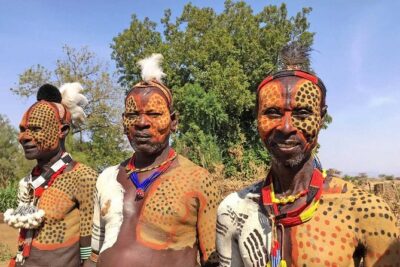
Danakil Depression, Lalibela, Omo Valley and Simien Mountains
Read our review →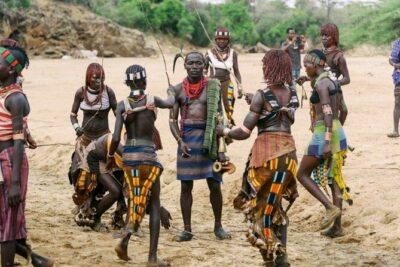


9 Days Tours To Danakil Depression, Simen MNP, Lalibela With Omo Valley Tribes
Read our review →Browse the lists this tour appears in