

Reviewed · OMO VALLEY TOURS
3-Day Cultural Tour in South Omo Valley
South Omo Valley is one of those travel experiences that changes how you see people and place. This 3-day cultural tour focuses on the Lower Omo River communities and aims for local-led access to ceremonies, daily life, and family-run craft work, not big-city sightseeing.
I especially like the way the route is built around real tribal geography, starting with Turmi for the Hamer and then moving on to the Mago National Park crossings. I also like the human part, where the tour team shows up repeatedly in positive feedback, with guide Tariku and driver Sitotaw called out by name for making the trip feel organized and cared for. One thing to consider: your best moments can depend on timing, ceremonies, and good weather, and lunch and dinner are on you.
Key highlights worth waking up for

- Small group size (max 6): easier pacing when you are moving between remote villages and long drives
- Hamer details in Turmi: beadwork, iron neck jewelry, and the well-known scarification traditions (handled respectfully)
- Dassanech at Omorate: dugout canoe river crossing plus body art and decoration tied to identity
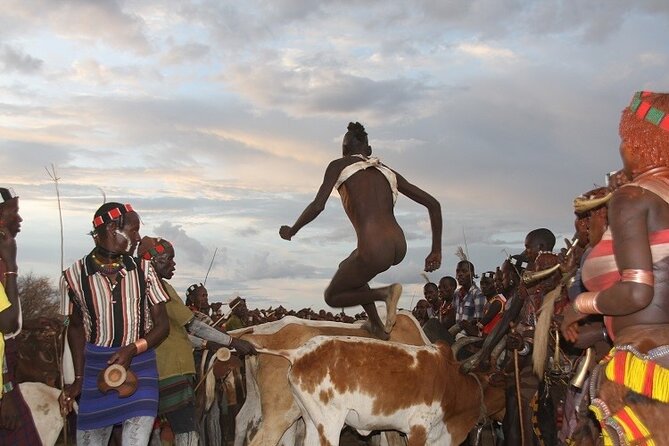
- Flexible Day 2 schedule: if a Hamer bull-jumping ceremony is happening, your afternoon may shift
- Mursi first thing on Day 3: known for lower lip and earlobe plates, introduced via a Mago National Park crossing
- Practical support: English-speaking guide, air-conditioned vehicle, and all fees and taxes handled
South Omo Valley in three days, what you are really signing up for
This tour is designed for people who want the Omo Valley tribes up close, and who understand that “up close” comes with real-world logistics. You are not doing a quick photo stop. You are spending multiple days in and around villages tied to the Lower Omo River, where language, clothing, food, and traditions vary from group to group.
The value here is in how focused the trip stays. You are moving through a tight loop: Addis Ababa, Jinka, Turmi, then out to the Omorate area, and finally to the Mursi village route through Mago National Park. That keeps your time on the road purposeful, rather than turning the experience into a long shuffle between unrelated stops.
If you like structure, this also works. Start time is set, the group is capped at six, and you get an English-speaking guide plus an air-conditioned vehicle for the heavy driving days. If you like spontaneity, Day 2 hints at that too, because a Hamer bull-jumping ceremony can change your afternoon plan.
Other journeys down to the lower Omo:
- 6 Days Omo Valley Tribes Tours From Addis Ababa
★ 5.0 · 33 reviews - 3 Days Omo Valley Tour
★ 5.0 · 24 reviews - Danakil Depression, Lalibela, Omo Valley and Simien Mountains
★ 5.0 · 23 reviews
Getting to the tribes: Jinka, Turmi, and Mago National Park routing
Day 1 starts with an early push into the region, including a flight to Jinka, followed by a drive toward Turmi. Turmi is one of the key hubs for visiting Hamer communities, so it makes sense that the tour begins there.
Then, Mago National Park shows up as a corridor. You drive through Mago during the transitions, including on Day 3 when you head toward the Mursi village route. That matters for two reasons.
First, it shapes the travel day. You are not just sightseeing from a road edge. You are crossing through the park area as part of the journey between communities.
Second, it changes what you notice along the way. The drive through Mago tends to slow your pace in a good way, because it reminds you that you are traveling through protected country, not a straight highway line to a single attraction.
You should plan mentally for long stretches of movement. South Omo is remote, and the itinerary reflects that. Bring patience, water, and a good attitude for sitting in a vehicle for hours.
Day 1 in Turmi: Hamer villages, beads, iron jewelry, and Bana
Day 1 is built around the Hamer, a group associated with villages around Turmi and Dimeka, east of the Omo River. Once you arrive, you drive into the area and spend time with communities known for distinctive body adornment.
The first big “you will actually notice this” element is jewelry. Women are described for wearing heavy polished iron around the neck, paired with colorful beadwork. If you have seen images online, you will still be struck by how much the appearance is tied to daily identity, not just a staged performance.
The second element is scarification and the cultural meaning behind it. The Hamer are also known for ritual scarification, and the tradition includes deep scars that are regarded as proof of devotion in the way described for the community. This is where tone matters: you do not want to treat it like a spectacle. You want to look, listen, and keep the conversation respectful.
On the way, there is a stop at Bana village. Since this is on your route rather than a full replacement for Turmi, it usually works well for breaking up the day and adding variety without stretching the schedule too thin.
Practically, Day 1 is also one of the better days to lean into jet-lag reality. Because the tour includes a flight and a drive, you can feel the schedule quickly. Use that to your advantage: once you are in the communities, the day stops feeling like transportation and starts feeling like discovery.
Day 2 at Omorate: Dassanech life, Omo River canoe crossing, and the bull-jumping twist
Day 2 shifts focus to the Dassanech around the Omorate area. This is a longer one-way drive, and it is part of the point. You are getting out toward groups whose identities are closely tied to the river, the seasons, and a more nomadic rhythm described for this community.
The highlight here is the combination of body traditions and river scenery. The Dassanech are known for decoration and scarification, and you also get the chance to experience views of the Omo River during a dugout canoe crossing. Even if you are not expecting “a boat adventure,” this segment tends to land well because it ties the landscape to daily movement and not just backdrop photos.
Then the day links back to Turmi and the chance of ceremonial events. Turmi is known for traditional events, and the tour schedule explicitly notes that with luck you might participate in a Hamer marriage ceremony, including the bull-jumping ceremony. That is a big deal, because it means Day 2 is not guaranteed to be a fixed sequence of the same stops.
The afternoon excursion may be canceled if the bull-jumping ceremony is happening, which is worth understanding before you go. If you hate schedule changes, this tour may stress you out. If you prefer real-life timing over a checklist, it is a strength.
One more practical reality: Day 2 ends with a late-afternoon drive to Jinka for overnight. So you get a full cultural day, but you also need to be ready for travel fatigue. This is a good day to pace your energy, especially if you want to stay present during the visits.
More from Addis Ababa to consider
- Day Trip From Addis Ababa See Historical Monastery,Stunning Nature,Animals,Birds
★ 5.0 · 303 reviews - Hidden Treasures of Addis Ababa – Food, Culture and History Tour
★ 5.0 · 57 reviews - Northern Ethiopia Historic Route
★ 5.0 · 12 reviews - 5 Days Tour to World Heritage-listed Harrar, Dire Dawa and Awash NATIONAL PARK
★ 4.5 · 10 reviews
Day 3 to the Mursi: Mago crossings and lip and earlobe plates

On Day 3, you head toward a Mursi village route, including a drive crossing Mago National Park. That park crossing is more than just a driving detail. It’s the route that makes the day feel like you are traveling through the region rather than merely arriving at it.
The central “what you came for” element is the Mursi’s known body adornment, specifically the lower lip and earlobe plates. This is usually the moment people have been mentally preparing for. The key is to approach it with respect and curiosity, not a collector mindset.
Your visit time on Day 3 is shorter than the full Day 1 and Day 2 blocks, but that can be a positive. You keep the day focused, and you are not dragged into extra stops that dilute the main impressions.
Finally, the tour ends back at Bole Addis Ababa International Airport. Even though the itinerary block here is focused on the village side, the overall product is structured as a round trip anchored to Addis. That means you should expect the day to move quickly once you are on the final stretch back.
Price and value: how $700 fits with what you get
At $700 per person for about three days, the cost can look high until you match it to what is included and what is not. Here is the simplest way to judge value: you are paying for remote access, local guidance in the field, an English-speaking guide, and the operational basics that let you move safely and efficiently between communities.
What is included:
- Air-conditioned vehicle
- All fees and taxes
- Accommodation with breakfast
- English-speaking guide
- Pickup offered, plus mobile ticket and group discounts in the overall tour setup
What is not included:
- Lunch and dinner
- Tip
That meals gap is the one budgeting item you should not ignore. If you only count the tour price, you may end up surprised. Plan to add the cost of two meals per day (lunch and dinner), plus a tip for the guide and driver since tips are explicitly not included.
One more value note: the maximum group size is six. In remote areas, small groups reduce crowding and help keep visits calmer. You are also more likely to get time to ask questions and adjust pace if needed, rather than being swept along by a larger bus-style group.
So the value is not that you are getting luxury comfort everywhere. The value is that you are getting organized access to the Omo Valley’s most distinctive cultures, with fewer logistical headaches than you could easily handle on your own.
Guide and driver support, and why the small cap matters
The tour is capped at six travelers, and that changes the feel. When you have fewer people, the group can handle real-time changes better, like the Day 2 ceremony scenario where part of your afternoon may shift.
It also shows up in the way recent experiences describe the team. Names like Tariku (guide) and Sitotaw (driver) come up in feedback for being responsible and attentive. That matters in South Omo, where distances, timing, and coordination can make or break the day.
I like that you are not left guessing. You have an English-speaking guide, which is huge for making sense of what you see. Without that, body traditions and ceremonial context can turn into a series of visual moments with no deeper meaning.
Also, the reviews praise the sense that everything was arranged well. That aligns with the structure you get: transport, accommodations with breakfast, and fees/taxes handled, so you can focus on the cultural encounters rather than chasing logistics.
Responsible cultural visits: how to keep the experience respectful
Since this tour is centered on living communities, your behavior is part of the experience. Even when something is visually dramatic, you should treat it like real people’s lives, not an attraction.
A few practical rules help:
- Ask before taking close photos or recording video.
- Keep your questions specific and respectful, especially around body adornment traditions.
- Don’t push for reactions. Let the conversation come naturally through your guide.
- Dress sensibly. You are in remote regions, where you may be walking short distances around villages and waiting through changing light.
Also, expect emotions to run high for some people, because the body traditions and scarification practices are not “light topics.” If you feel unsettled, that is normal. Use your guide to steer your understanding and keep it respectful.
Who this tour suits best, and who might want a different style
This tour is a great fit if you want:
- A guided cultural itinerary centered on Omo Valley tribes
- Time with multiple groups, not just one
- A group size that stays small enough to feel manageable
- Structured days that still allow for real-life ceremony timing
It may not be the best fit if you:
- Hate schedule changes, because Day 2 can shift based on a bull-jumping ceremony happening
- Are very strict about having lunch and dinner included in the price
- Need highly predictable timing every hour, since remote areas run on weather and local events
Should you book this 3-Day South Omo Valley tour from Addis?
I would book it if you are excited by cultural encounters with Hamer, Dassanech, and Mursi communities, and you want someone to handle the hard parts. The small-group size, English-speaking guide support, included accommodations with breakfast, and the focused route through Turmi, Omorate, and Mago National Park all point to a trip that is built for real visiting, not just checking boxes.
If you want a super relaxed “sit by the pool” style getaway, this is not that. This is an active cultural tour, with long travel days and a strong chance that ceremonies and timing shape the day.
If you are curious, respectful, and ready for remote travel, this is a strong match.
FAQ
What time does the tour start, and where do we meet?
The tour starts at 9:00 am at Bole Addis Ababa International Airport.
Where does the tour end?
The tour ends at Bole Addis Ababa International Airport.
How many travelers are on this tour?
The tour has a maximum of 6 travelers.
What is included in the tour price?
It includes an air-conditioned vehicle, all fees and taxes, accommodation with breakfast, and an English-speaking guide. Pickup is offered, and you’ll receive a mobile ticket.
Are lunch and dinner included?
No. Lunch and dinner are not included.
Are admission fees included?
Some stops list admissions as included (for example Mago National Park segments), and one listed stop is marked as free. The tour does include all fees and taxes, but meal and tips are separate.
Does the tour depend on weather?
Yes. The experience requires good weather, and if it is canceled due to poor weather, you’ll be offered a different date or a full refund.
What is the cancellation policy?
Free cancellation is available. You can cancel up to 24 hours in advance for a full refund, and within 24 hours the amount paid is not refunded.
More 3-Day Experiences in Addis Ababa
- 3 Day Danakil Depression Ertale and Dallol Tours
★ 5.0 · 44 reviews - 3 Days Dankile Depression group Tours
★ 5.0 · 40 reviews - 2-Night 3-Day Danakil Depression Tour without Flights
★ 4.8 · 31 reviews - Trekking at Bale Mountains 3 Days
★ 5.0 · 28 reviews
Newly reviewed in Addis Ababa
- Addis Ababa City Tour★ 4.5 · 3 reviews
- 2 days trek around Lalibela★ 5.0 · 3 reviews
- Day Trip Around Addis Ababa★ 5.0 · 3 reviews
- Full Day Addis Ababa City Tour with Hotel Pick Up And Drop Off★ 5.0 · 3 reviews
- Northern Ethiopia (Historic route)★ 5.0 · 3 reviews
- Addis Layover Tour of Mercato With Airport pick up & drop off★ 5.0 · 3 reviews
- Day Tours around Addis Abeba, Melka Kunture and Adadi Mariam★ 5.0 · 3 reviews
- Day Trip From Addis Ababa To Debre Ziet★ 5.0 · 3 reviews
Omo Valley Tours, compared.
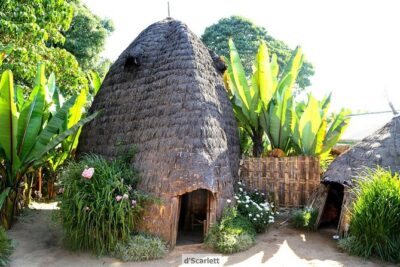
6 Days Omo Valley Tribes Tours From Addis Ababa
Read our review →
Lalibela, Axum, Danakil and Omo Valley 8 DAYS
Read our review →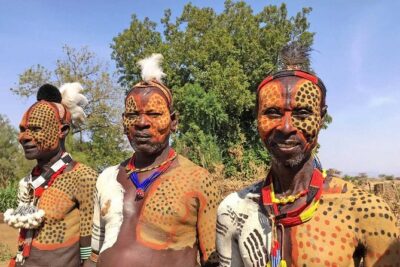
Danakil Depression, Lalibela, Omo Valley and Simien Mountains
Read our review →


9 Days Tours To Danakil Depression, Simen MNP, Lalibela With Omo Valley Tribes
Read our review →Browse the lists this tour appears in