
Reviewed · OMO VALLEY TOURS
Photography Expeditions to Omo Valley
Omo River Valley is interesting because it’s one of the few places on Earth where you can still meet dozens of distinct communities in a small area, with traditions that have held steady longer than most people expect. This 6-day, private, photography-first trip runs from Addis Ababa to Jinka, Turmi, and Arba Minch, then back again, with time built in for real portrait-making, not just quick photo stops.
Two things I like a lot. First, the itinerary targets specific groups with clear visual markers, like Mursi lip plates and Karo body painting, so you know what you’re aiming at before you get there. Second, the plan is structured around early starts and practical flow, which matters when you’re photographing people and you want fewer “we missed the light” regrets.
One consideration: this is not a sit-comfortably tour. You’ll spend serious time driving between stops, you’ll be up early on key days, and you’ll need to bring a calm, flexible attitude when plans shift in the field. If that kind of pacing isn’t your thing, you might find the schedule more demanding than it looks on paper.
Key highlights worth knowing before you go
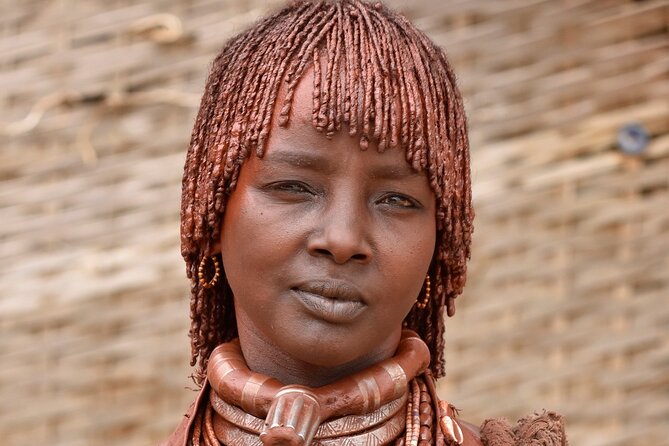
- Mago National Park for Mursi photo portraits, including the lower-lip plates that everyone recognizes
- Canoe crossing on the Omo River to reach Dassanech villages and their distinctive hair style
- Lake Chamo boat trip after 3 pm, timed for excellent wildlife viewing, especially crocodiles
- Karo clay and vegetable pigment body painting, plus men’s sculpted hair with ochre caps and feathers
- Dorze and Chencha weaving in beehive-shaped houses, built from organic materials and used with small gardens
- Private group format up to 7 people, using an air-conditioned vehicle and a photography-focused approach
Why the Omo Valley works so well for photographers
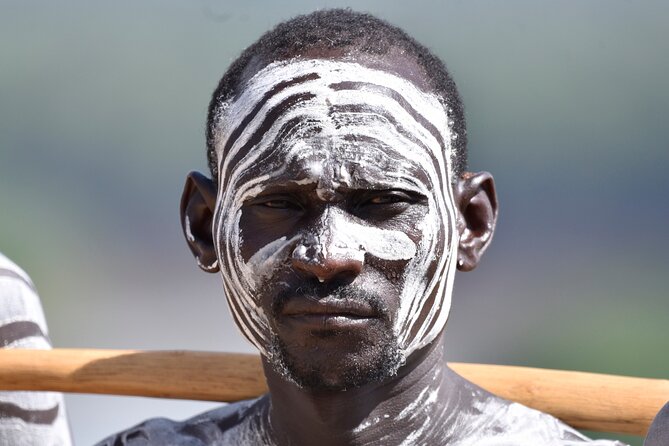
If you’re coming for images, Omo Valley is special because it gives you variety in a tight geography. Within a relatively small region you’re meeting multiple ethnolinguistic groups, and their visual styles help you separate communities at a glance: face paint on Karo, lip plates on Mursi, ornate hair on Dassanech, and weaving culture on Dorze and Chencha.
This tour is built around that logic. The days don’t feel random. They’re organized so each stop is visually distinct, and you get enough time to actually photograph people in context, rather than only snapping at a crowd. That matters because Omo Valley photography is as much about patience and consent as it is about gear and settings.
And since it’s a private tour, you’re not sharing your timeline with strangers who move at a different pace. That keeps your shoot plan workable, especially when you’re using longer lenses or trying to sequence portraits cleanly.
Other journeys down to the lower Omo:
- 6 Days Omo Valley Tribes Tours From Addis Ababa
★ 5.0 · 33 reviews - 3 Days Omo Valley Tour
★ 5.0 · 24 reviews - Danakil Depression, Lalibela, Omo Valley and Simien Mountains
★ 5.0 · 23 reviews
Day 1: Addis Ababa pickup, Merkato or museum, then onward to Jinka
The trip starts back in the Addis Ababa area, with pickup from Bole. On Day 1, you get an option before flying to Jinka: visit the National Museum or head to the open market in Merkato.
I like this because it gives you a “starter” day. If you’re coming from abroad, your arrival day often feels like a fog. A museum stop can help you get your bearings fast, while Merkato gives you immediate texture: everyday life, small-scale commerce, and that lively street energy Ethiopia does so well.
After that, you fly to Jinka, meet your driver at the airport, and head toward Ari village for your first on-the-ground encounter. The fact that the itinerary includes a first cultural stop on the day of arrival is a big deal for photographers. It turns arrival into momentum instead of downtime.
Practical note: plan to pack light for domestic travel days, and keep key photo batteries and cards where you can access them quickly. Even when the schedule looks smooth, domestic flights can add little delays, and you’ll want gear ready.
Day 2: Turmi and the Mago National Park Mursi, then Hamer via Dimeka
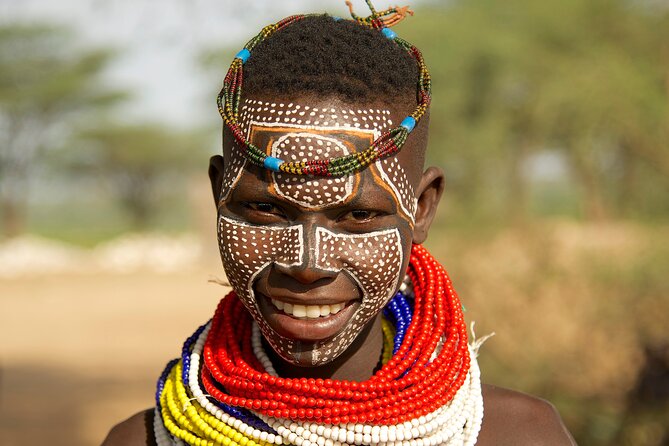
Day 2 is where the trip starts hitting its most famous visual targets. You drive early to Mago National Park, then go into the Mursi highlands area to meet the Mursi.
The Mursi are known worldwide for decorative lip plates worn by women. The plates stretch the lower lip well beyond normal proportions, and the size is tied to status and personal pride within their traditional setting. If you’re photographing this for the first time, you’ll want to think about framing early. Wide shots give scale, while tighter portraits help you capture expression and ornament details without turning the person into an “object in the frame.”
After the Mursi time, you return to Jinka for lunch, then continue driving through the Omo Valley region to Turmi via Dimeka. On the way, there’s a planned market stop at Alduba market, and then you visit the Hamer tribes.
That sequence is useful. It gives you a full cultural day without forcing everything into one exhausting block. You’ll still be on the move, but you also get built-in breaks where you can reset your shooting plan, check your gear, and recharge.
Photography reality check: body ornamentation and face details often show best with side light or soft light. Early starts help, and so does keeping your camera settings consistent enough that you can react quickly when people turn or shift posture.
Day 3: Karo body painting in clay and vegetable pigments, plus bull-jumping rehearsal odds
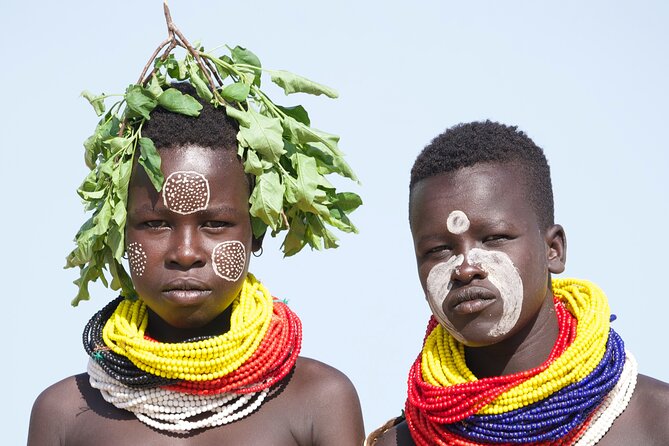
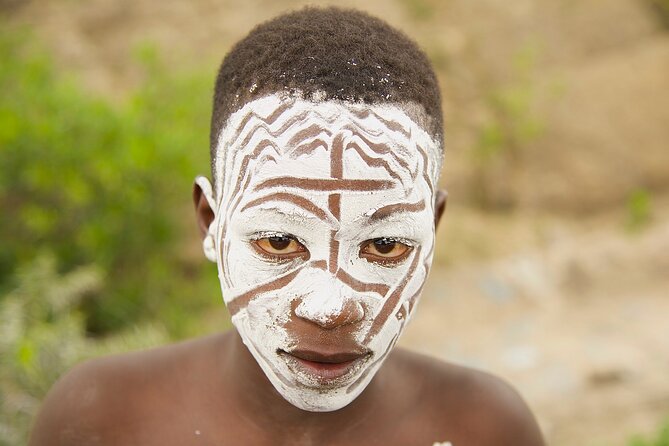
Day 3 focuses on the Karo ethnic group, celebrated for body painting. The tour describes the process as using clay and locally available vegetable pigments to paint patterns on faces, chests, arms, and legs.
What I like about this stop is that it’s not presented as a “symbol-only” performance. The designs are created for fun and aesthetics, and you’re watching artists compete in style. For photography, that means you can shoot the process, not just the end result. Look for moments when someone is still covered in fresh pigment, or when patterns overlap skin contours in a way you can’t fake in post.
The itinerary also notes Karo men sculpt and shave hair into extravagant shapes, often using ochre caps that can include ostrich feathers. This is one of those situations where a mid-length portrait plus a detail shot works well together. The hair shape reads from farther away, and the feather and ochre tones reward closer framing.
After returning to Turmi, you may get a chance to photograph bull jumping rehearsal or a ceremony, depending on timing. Because this part is conditional, keep your approach flexible. If it happens, shoot quickly at the start, then settle into sequences. If it doesn’t, you still have a strong portrait base from the morning Karo time.
More from Addis Ababa to consider
- 9 days Omo Valley Tribes and Photography Tour
★ 5.0 · 4 reviews
Day 4: Early start to the Omo River edge and a canoe to Dassanech
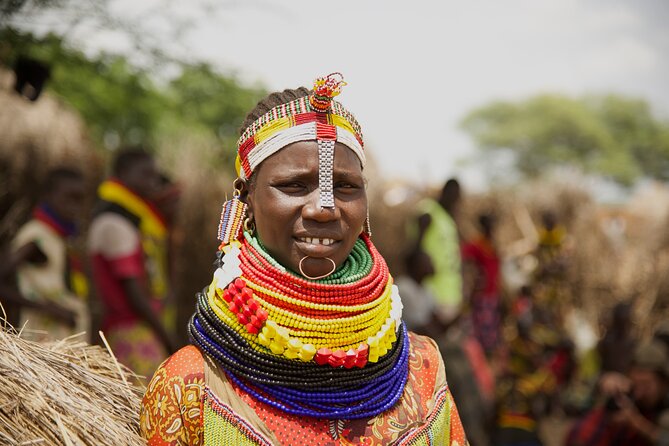
Day 4 is one of the most memorable logistics in the whole plan. You rise early and drive to the edge of the Omo River, then cross by canoe to reach the Dassanech tribe village.
Crossing by canoe matters because it changes the rhythm. You’re not just arriving by car, you’re moving through the landscape, and it often helps people feel that you’re part of the journey, not just popping in for photos. That can make the experience feel more grounded.
The Dassanech are described as semi-nomadic, with clans across Sudan, Kenya, and southern Ethiopia. The tour also highlights their ornate hair buns, which are a major visual identifier for photography.
Then you drive back to Turmi for lunch and relaxation, with an option to go out again to photograph the town of Turmi. I like that built-in reset. Omo Valley field days can compress your energy. A chance to slow down in the afternoon keeps your photos and your patience on track for the next day.
Day 5: Arba Minch and the Lake Chamo boat trip for crocs, hippos, and birds
Day 5 moves you into wildlife territory around Arba Minch. You drive in the morning, then after 3 pm you take a boat trip on Lake Chamo.
This is your chance to mix portrait photography with big-nature viewing. Lake Chamo’s northern shores are famous for large crocodiles, seen in great numbers lounging in the heat. If you like wildlife shots, this is where you’ll likely spend your camera time hunting for clear angles, not just waiting for movement.
Hippos also come into the picture, along with aquatic bird species. The itinerary lists birds like African fish eagle, flamingos, herons, storks, and kingfishers. For bird photography, plan for patience: birds can be slow to reposition, but when they do, quick bursts help you capture eye contact and wing details.
After the boat time, you head toward your next cultural stop the following morning, so don’t schedule extra activities on your own that day. Keep the afternoon mostly for photography and rest. You’ll want energy for Dorze and Chencha.
Day 6: Dorze and Chencha weaving around Guge Mountains, then back to Addis
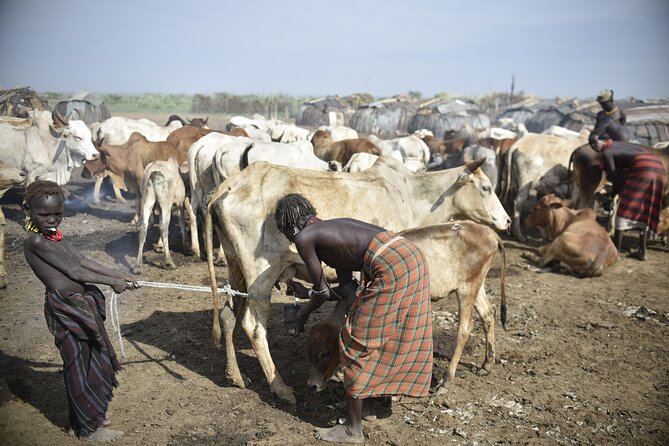
Day 6 is a culture-and-crafts day. You drive about 40 km northwest of Arba Minch to the Guge Mountains to visit Dorze and Chencha villages.
The Dorze are described as having shifted from warrior life to farming and weaving. The tour notes that Dorze name is associated with some of the best woven cotton cloth in the area, which makes this stop feel practical for photographers: textiles and hands at work photograph well, especially when you can see the materials and the environment around them.
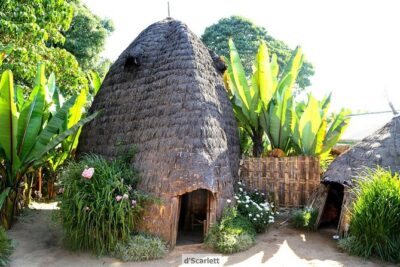
You also visit beehive-shaped Dorze houses made entirely from organic material, each with a small garden. The garden includes beds of spices, cabbage, and tobacco. Even if your focus is faces, these details give you storytelling variety in your final photo set: “people and place” rather than only “people.”
After lunch, you transfer to Arba Minch Airport and fly back to Addis Ababa. The plan then includes a hotel room as a day-use space for washing and changing before you’re done.
That last touch matters more than people think. Returning from a field trip, a shower and clean clothes can be the difference between loving your trip photo book and wishing you could delete the last day.
Price and logistics: what the $3,312.83 group cost really buys
The price is listed as $3,312.83 per group for up to 7 people, and the tour is private. That private part is key for value in Ethiopia, where routing, timing, and communication can make or break a photo itinerary.
What’s included, per the tour details:
- An air-conditioned vehicle
- Village entrance
- Photography fees
- Meals: 5 breakfasts, 5 lunches, 5 dinners
- Arrival pickup coverage within the Addis Ababa meeting point system
- A mobile ticket
What’s not included:
- Visa fee
- International flight
- Personal expenses
- Tips
- Alcohol
Here’s how I’d think about the value. If you’re paying for a group capped at 7, and the tour covers village entrances and photography fees plus meals, you’re not constantly pulling out cash for each stop. For a photography trip, that’s more than convenience. It reduces friction, which means you spend more time shooting and less time managing small payments.
Also, the itinerary includes domestic flights between Addis Ababa and Jinka, and between Arba Minch and Addis Ababa. The details you provided list international flight as not included, so you’ll want to confirm whether domestic flights are part of your exact booking cost. Still, the schedule clearly depends on those flights happening.
Photo tips that fit this exact route (and its timing)
This tour’s biggest practical advantage is timing. Several days begin early, and one major wildlife window is specifically after 3 pm on Lake Chamo. For photography, that’s helpful because you can match your shooting priorities to the light and the daily rhythm.
A few tips that fit what you’ll face here:
- Bring a telephoto lens if you want tight portraits without getting too close, especially around ceremonies or group moments that can draw crowds.
- Pack for dust and sun. Even with air-conditioned transport, village days can mean dry air, strong light, and intermittent shade.
- Plan your battery strategy. Early starts plus travel days mean you’ll cycle through power faster than on a city trip.
- For body paint and lip plates, use a two-step approach: first, shoot environmental context, then switch to close framing for texture and expression.
Most important: be respectful with photography. If you’re photographing face paint, ornamentation, or ritual moments, ask politely and watch for cues. A good local guide can help you approach people in a way that feels right, and that usually improves your results.
The human side: using a guide team that actually handles the field
One theme in the tour experience is the quality of local coordination. The trip is run by Ethiopian Photography Tours, and multiple messages point to the same human support: Mulugeta helped with planning before arrival, and the on-the-ground guidance is led by Mulu and a captain.
I take that seriously. In places like Omo Valley, your plan can change. Road conditions, timing, and village access can shift. When the team is experienced and responsive, you lose less time and you keep your photography momentum.
This is also why private helps. You’re not waiting for the pace of a larger mixed group. Your guide can adjust the day’s flow around your shoot needs within reason.
Who should book this Omo Valley photography trip
This works best if you:
- Have a serious interest in people photography with strong visual identities
- Want a structured route that hits Mursi, Karo, Dassanech, and Dorze and Chencha culture in a logical order
- Prefer private scheduling, so you can work at your own pace
- Can handle long drives and early mornings without turning it into a complaint contest
It may not be ideal if you want a soft, resort-style vacation or if you dislike travel days with lots of movement between regions. Omo Valley is real travel. The reward is real, but the day-to-day rhythm is not lazy.
Should you book Ethiopian Photography Tours for Omo Valley?
My take: if you’re coming for authentic cultural portrait opportunities, this is the kind of itinerary that helps you get usable photos without constantly improvising. The route is built around clear visual targets, and the inclusion of village entrances, photography fees, and a lot of meals cuts down on annoying friction.
Book it if you want a guided, focused photo route and you’re comfortable with early starts and field realities. Skip it only if your ideal trip is low-effort and you don’t want to spend multiple days moving between towns, parks, and villages.
If you do book, give yourself a little extra time to plan your camera setup before departure, and do your homework on respectful portrait etiquette. You’ll get more great images when people feel respected, not rushed.
FAQ
Where does the tour start and end?
It starts at the Bole meeting point in Addis Ababa, and it ends back at the same meeting point.
How long is the trip?
The duration is listed as about 6 days.
Is this a private tour?
Yes. It’s described as private, meaning only your group participates.
How big is the group?
The price is per group for up to 7 people.
What is included in the cost?
Included items list an air-conditioned vehicle, village entrance, photography fees, and meals (5 breakfasts, 5 lunches, 5 dinners).
What is not included?
Not included are visa fees, international flights, personal expenses, tips, and alcohol.
Does the itinerary include domestic flights?
The schedule includes flights from Addis Ababa to Jinka on Day 1, and a flight from Arba Minch back to Addis Ababa on Day 6.
Is there a mobile ticket?
Yes, the experience notes mobile ticket use.
How does food work during the trip?
Breakfast, lunch, and dinner are included multiple times across the days, with 5 of each listed.
What is the cancellation policy?
Free cancellation is allowed up to 24 hours in advance for a full refund, and the experience requires a minimum number of travelers. If it’s canceled due to minimums, you’ll be offered another date/experience or a full refund.
Newly reviewed in Addis Ababa
- Addis Ababa City Tour★ 4.5 · 3 reviews
- Full Day Addis Ababa City Tour with Hotel Pick Up And Drop Off★ 5.0 · 3 reviews
- 2 days trek around Lalibela★ 5.0 · 3 reviews
- Day Trip Around Addis Ababa★ 5.0 · 3 reviews
- Northern Ethiopia (Historic route)★ 5.0 · 3 reviews
- Addis Layover Tour of Mercato With Airport pick up & drop off★ 5.0 · 3 reviews
- Day Tours around Addis Abeba, Melka Kunture and Adadi Mariam★ 5.0 · 3 reviews
- Day Trip From Addis Ababa To Debre Ziet★ 5.0 · 3 reviews
Omo Valley Tours, compared.
6 Days Omo Valley Tribes Tours From Addis Ababa
Read our review →
Lalibela, Axum, Danakil and Omo Valley 8 DAYS
Read our review →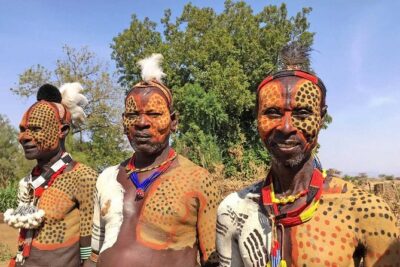
Danakil Depression, Lalibela, Omo Valley and Simien Mountains
Read our review →
9 Days Tours To Danakil Depression, Simen MNP, Lalibela With Omo Valley Tribes
Read our review →Browse the lists this tour appears in