

Reviewed · OMO VALLEY TOURS
Omo Valley Tribe Tours 8 Days
Omo Valley tribe tours are interesting because you are not just ticking off monuments. You are seeing how people live, work, trade, and celebrate, often in places where the rhythm of daily life runs on seasons and relationships more than schedules. I like how this one uses tribal markets as anchor points, and I really like the Lake Chamo boat cruise angle for a change of pace.
The tradeoff is time. This itinerary strings together a lot of long drives and early starts, so it is best if you can handle motion, dust, and the occasional rushed feeling that comes with seeing many communities in a short span. If you do that well, the experience is memorable for the sheer variety.
Key highlights worth your attention

- Mercato Market plus major Addis museums on Day 1, including the Lucy fossil at the National Museum
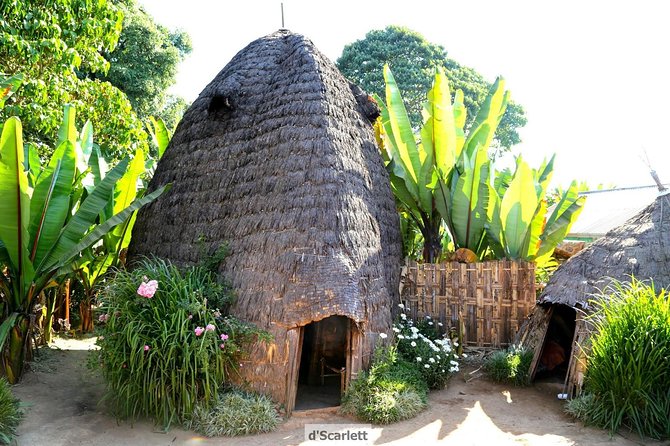
- Dorze village and Shammas weaving, with distinctive elephant-shaped houses
- Lake Chamo wildlife cruise, with chances for Nile crocodiles, hippos, and birds
- Mago National Park and Mursi village visits, including the famous lip plates and straw-leaf huts
- Konso Cultural Centre and UNESCO terracing, plus coffee from Konso
- Addis finale with folkloric dinner and traditional coffee ceremony
Omo Valley tribes: what you are really signing up for

This 8-day route gives you a fast, concentrated look at Ethiopia’s lower Omo region and the cultures that call it home. The big names in the itinerary are the Mursi, Hamer, Dassanech, Dorze, Bana, Ari, and the Konso people, with market days built in throughout.
Here is how I think about it: you are not coming for one village. You are coming for variety. One day can include market bustle, another day can be boat time on Lake Chamo, and then you shift again to terraced farmland and coffee country at Konso. That mix is a big part of the value, because it keeps the trip from feeling like one long loop of the same view.
You should also know what makes the Mursi portion so iconic. The Mursi people are known for stretched lower lips, and the itinerary also describes low huts made of straw leaves. That kind of visual cultural distinctiveness can be powerful. Just keep your expectations grounded, and treat encounters with respect and patience, especially when people are going about everyday routines.
Other journeys down to the lower Omo:
- 6 Days Omo Valley Tribes Tours From Addis Ababa
★ 5.0 · 33 reviews - 3 Days Omo Valley Tour
★ 5.0 · 24 reviews - Danakil Depression, Lalibela, Omo Valley and Simien Mountains
★ 5.0 · 23 reviews
Day 1 in Addis Ababa: Mercato, Entoto views, Lucy, and the Haile Selassie connection
You start in Addis Ababa with a pickup and a plan that mixes orientation with big highlights. After arriving and getting to your hotel, you drive up to Mount Entoto for a panoramic view of the city, then head back down.
Next comes the National Museum, where you get to spot the Lucy fossil. Even if you have seen photos before, it is the kind of stop that gives you context for Ethiopia’s long human story. After that, you visit the Holy Trinity church, built during World War II.
The day finishes with the Ethnographic Museum, described here as a former palace of Emperor Haile Selassie. That matters because it adds a layer of meaning, not just objects. Then you end with Mercato Market, billed as the biggest market in East Africa. It is a great way to get your bearings fast, and it is ideal if you like watching real commerce in motion.
Practical note: Day 1 includes a long sightseeing block, listed at 6 hours. You will likely want to keep your evening flexible. Don’t schedule anything fancy after Mercato.
Day 2 Arba Minch approach: Dorze weaving, elephant-shaped houses, and enset food
After breakfast, you head from Addis Ababa toward Arba Minch. En route you visit the Dorze village, where local people are expert weavers, described here as Shammas. The itinerary notes that the houses have a distinctive elephant-like shape. That is a great detail because it shows you are not just visiting a viewpoint, you are seeing how architecture and memory live together.
You also learn about enset, often described here as fake banana. The itinerary frames enset as a stable food for these communities along the route. That is valuable because it makes daily life feel practical rather than purely ceremonial.
This day is listed at about 9 hours. Plan for a travel day that is more about moving through regions than soaking in one town for hours. If you like stopping to watch craft and food habits along the way, this fits you.
Day 3 Lake Chamo and lower Omo culture: crocodiles, hippos, Bana hairstyles, and Ari pottery

Day 3 is where the trip starts feeling like a proper adventure, with both nature and culture.
You drive and then take a boat cruise on Lake Chamo, the itinerary describes it as Ethiopia’s third biggest lake. On the water you may spot Nile crocodiles, hippos, and different types of birds. Even if you do not see every animal, being on the lake breaks up the land travel and gives you a sensory reset.
After the boat, you visit Bana village. The Bana are described as indigenous pastoral and semi-nomadic people living in the harsh environment of the lower Omo Valley. One memorable visual detail in the itinerary is how the men dress their hair with a colorful clay cap decorated with feathers.
Then you go to the Ari people, described here as the largest population in the lower Omo Valley. The itinerary points out that women wear skirts made from the banana-like tree, called enset, and that they are expert in pottery. If you like understanding how plant life becomes clothing and craft, this is a solid day.
Time-wise this is listed as 6 hours. That is not a lot for the mix of boat time plus village visits, so expect a steady pace. Come ready to watch closely and ask questions through your guide.
More from Addis Ababa to consider
- Full Day Tour of Addis Ababa with Hotel Pickup and Drop-off
★ 5.0 · 430 reviews - Taste of Ethiopia
★ 5.0 · 406 reviews - Day Trip From Addis Ababa See Historical Monastery,Stunning Nature,Animals,Birds
★ 5.0 · 303 reviews - Addis Ababa: Debre Libanos, Blue Nile Gorge, and Cave Tour
★ 4.5 · 256 reviews
Day 4 Mago National Park to Turmi: Mursi lip plates in straw-leaf huts, then Hamer life

This is the day built around Mago National Park and Mursi village visits. The itinerary describes the Mursi living in very low huts made of straw leaves. It also describes the women wearing terra cotta on their enormously stretched lower lips and ear lobes.
Whether you know the story already or you are learning it in real time, this kind of visual culture is unforgettable. The setting also matters. Mago National Park is not a museum setting, so you are seeing people in their environment, with the landscape and everyday life influencing how encounters unfold.
After the Mursi stop, you drive back to Jinka for lunch, then head to Turmi. In Turmi, the itinerary says you proceed to meet the Hamer people who live there.
This day is listed at 6 hours. That means you are juggling two different cultural focuses in one block, Mursi and Hamer. If you tend to get overwhelmed by too many “must-sees” in a day, give yourself permission to slow down during any one village stop. Stand back and watch first, then step forward.
Day 5 Omorate and the Dassanech: delta life near Lake Turkana

Day 5 takes you to Dassanech, described in the itinerary as the people of the Delta, living on the northern shore of Lake Turkana.
The key value here is scale and setting. Lake Turkana is a very different environment from the lush, museum-based part of Ethiopia. You are shifting from highland Addis orientation to a more remote, environment-driven way of life.
You start with breakfast, then have the excursion to Omorate to visit the Dassanech, then drive back to Turmi and overnight in Turmi. This day is listed at 6 hours, and the overnight matters because it gives you time to reset between travel days.
If you like trips that feel like a journey through environments, not just a chain of photos, this is a good fit. If you hate changing lodging patterns, you might want to think about whether Turmi overnight feels right for you.
Day 6 Konso Cultural Centre: UNESCO terracing, tribe markets, and coffee

Konso is another major highlight because the itinerary frames the Konso Cultural Centre as part of UNESCO, known for terracing.
After breakfast, you drive to Konso and join the tribes markets depending on the day. That phrasing is important: markets are not fixed like museum hours. The tour handles it by matching your visit to what is happening.
The itinerary also notes that one of the best types of coffee for the country comes from Konso. That is a small line with big potential payback. It gives you a reason to pay attention to what you drink and where it comes from, instead of treating coffee as just a cultural prop.
Then you drive back to Arba Minch. This day is listed at 6 hours, so you still keep a brisk schedule.
Day 7 Langano and Lake time: water activities and Shasemne villages
Day 7 shifts away from village-by-village touring and introduces more downtime. After breakfast, you drive to Langano, described as Lake Langano, a place to enjoy water activities.
The itinerary also mentions seeing Jamaican villages at Shasemne on the way. That specific detail is worth noting, because it suggests a more stop-and-watch approach on the transfer itself, not just a direct drive.
The day is listed at 6 hours. That likely means you have a bit more flexibility than earlier village-heavy days. If you want a breather before you return to Addis, this is a smart placement in the week.
Day 8 back to Addis Ababa: Lake Ziway lilies, Debre Ziet lunch, and a folkloric dinner with coffee ceremony
You end with a classic Ethiopian Rift Valley route. After breakfast, you drive southwards to Addis Ababa. En route you visit Lake Ziway, described as the largest of the upper Rift Valley lakes with an area of 400 sq km.
The itinerary notes that the shores are creased with water lilies, and that this is a breeding place for different Ethiopian birds. Even if bird-spotting is not your focus, the lake stop is a good contrast after the Omo region.
Then you drive to Addis Ababa and have lunch at a resort in Debre Ziet. In the evening, you attend a folkloric dinner with dances of various ethnic groups of Ethiopia. The itinerary also says a traditional coffee ceremony will be served.
You finish with a transfer to the airport. This day is listed at 5 hours, which is helpful if your flight is later but still expect a busy end to the trip.
If you like food and performance, this finale can be a satisfying wrap. It also gives you a more varied look at Ethiopia beyond the lower Omo cultures you saw earlier.
Price and value: is $1,589 per person money well spent?
At $1,589 per person for 8 days, you are paying for more than transportation. You are paying for a structured route through multiple regions, with guides and included admissions.
Here is what the inclusions cover, based on the tour info:
- Dinner is included
- Breakfast is included for 6 mornings (as stated)
- Lunch is included 8 times (as stated)
- Admissions tickets are included at key sights, including parts of Day 1 and the boat cruise day
- You get pickup offered and a mobile ticket, and the group size is limited to a maximum of 15 travelers
What is not included is also clear: food and drinks unless specified. So for value, you want to assume you will pay for extras like bottled water, soda, and any snacks that are not counted in the included meals.
Whether the price feels fair depends on your travel style. If you want to do the Omo Valley circuit with fewer hassles, and you like having tickets and meals arranged, this price starts to make sense. If you prefer slow travel and building your own schedule, then $1,589 might feel like you are paying for speed.
From a practical standpoint, the best value angle here is the combination of cultural stops plus one major nature component (Lake Chamo) plus Addis museum time and a final folkloric dinner with coffee ceremony.
Group size, pacing, and comfort: how to make the trip feel good
The tour lists a maximum of 15 travelers and includes group discounts. That small cap matters because it usually keeps the experience more manageable than big bus tours. You are also told to have moderate physical fitness.
You should plan for walking that is likely modest but can be uneven. The tour also lists covered shoes, which I take to mean you will want closed, sturdy footwear that handles dust and uneven ground.
There is also a dress code listed as formal. For a trip that involves village visits, this can sound odd until you remember the dinner and evening components. I recommend packing a lightweight outfit that meets the formal requirement without making you miserable in the heat. At minimum, bring one clean, nicer option for evenings.
Pacing is the real make-or-break factor. The itinerary is packed across Addis, Arba Minch, Jinka, Turmi, Konso, Langano, and back to Addis. You will see a lot. If you love variety and can handle travel days, you will feel satisfied. If you want long stays in fewer places, you may feel rushed.
Guides and drivers: why names matter
One of the most praised pieces in the feedback you provided is the human side of the tour. Names like Yoseph and driver Frew show up as exceptional, and another driver named Neway is also highlighted for his skill. Amanuel appears in feedback as the organizer who kept things well planned.
Even without knowing who you will get, this tells me the company is likely attentive to staffing quality. In an itinerary like this, the guide and driver make a big difference in how smooth the days feel, how well you understand what you are seeing, and how fast you recover when plans shift.
Should you book Omo Valley Tribe Tours (8 Days)?
I think this tour is a good match if you want a structured week that covers several Omo Valley communities plus key Addis highlights, with meals and admissions handled. The combination of market days, Lake Chamo wildlife time, and a final Addis folkloric dinner plus coffee ceremony is a strong balance of culture, nature, and food.
You should reconsider if you hate long drive days or you strongly prefer slower, deeper time in one or two villages. Also, be honest about expectations around cultural encounters. The itinerary includes dramatic visual identifiers like the Mursi lip plates, but your best experience will come from respect, patience, and curiosity, not trying to force the visit into a photo checklist.
If you book, plan smart for comfort: covered shoes, one formal evening outfit, and a flexible attitude about pacing. Do that, and you will likely come away with a trip that feels like you traveled through real life across Ethiopia, not just a list of stops.
FAQ
What is the duration of the Omo Valley Tribe Tours 8 Days trip?
It is listed as 8 days approximately.
Where does the tour start and what time does it begin?
It starts in Addis Ababa, with the start time listed as 7:00 am.
How much does the tour cost?
The price is $1,589.00 per person.
What is included in the price?
The tour includes dinner, breakfast (6, as stated), lunch (8, as stated), and admission tickets for the listed sights and activities.
What is not included?
Food and drinks are not included unless specified.
Is pickup offered?
Yes, pickup is offered.
What is the group size limit?
The tour has a maximum of 15 travelers.
What should I know about dress code and footwear?
A formal dress code is listed, and covered shoes are recommended.
Is the tour affected by weather?
The experience requires good weather. If canceled due to poor weather, you will be offered a different date or a full refund.
Newly reviewed in Addis Ababa
- Addis Ababa City Tour★ 4.5 · 3 reviews
- Full Day Addis Ababa City Tour with Hotel Pick Up And Drop Off★ 5.0 · 3 reviews
- 2 days trek around Lalibela★ 5.0 · 3 reviews
- Day Trip Around Addis Ababa★ 5.0 · 3 reviews
- Northern Ethiopia (Historic route)★ 5.0 · 3 reviews
- Day Tours around Addis Abeba, Melka Kunture and Adadi Mariam★ 5.0 · 3 reviews
- Addis Layover Tour of Mercato With Airport pick up & drop off★ 5.0 · 3 reviews
- Day Trip From Addis Ababa To Debre Ziet★ 5.0 · 3 reviews
Omo Valley Tours, compared.
6 Days Omo Valley Tribes Tours From Addis Ababa
Read our review →
Lalibela, Axum, Danakil and Omo Valley 8 DAYS
Read our review →
Danakil Depression, Lalibela, Omo Valley and Simien Mountains
Read our review →


9 Days Tours To Danakil Depression, Simen MNP, Lalibela With Omo Valley Tribes
Read our review →Browse the lists this tour appears in