
Reviewed · OMO VALLEY TOURS
Ethiopian Fasika with North And South Omo Valley Tour Packages
This is a fascinating Ethiopia trip because it puts you right in the middle of Ethiopian Orthodox Easter customs and then shifts gears into northern churches and the Omo Valley cultures. You get a rare mix of faith, history, and people that feels more real than a checklist of sites.
What I like most is how the schedule is built around the actual Easter season, including the quiet intensity of the week before and the big ceremonies around Easter itself. I also like that the itinerary keeps moving through famous landmarks like Lalibela and Axum, then ends with a cultural dinner back in Addis Ababa that includes a traditional coffee ceremony.
One consideration: this is a full-on country route with long travel days and some physical walking, plus a formal dress code for key moments, so it helps to be ready for early starts and uneven conditions. If you prefer a very slow pace, or you hate formal evenings, you might find it a bit demanding.
Key things to know before you go
- Ethiopian Easter timing matters: you are traveling during the season shaped by 55 days of lent and big Holy Week observances.
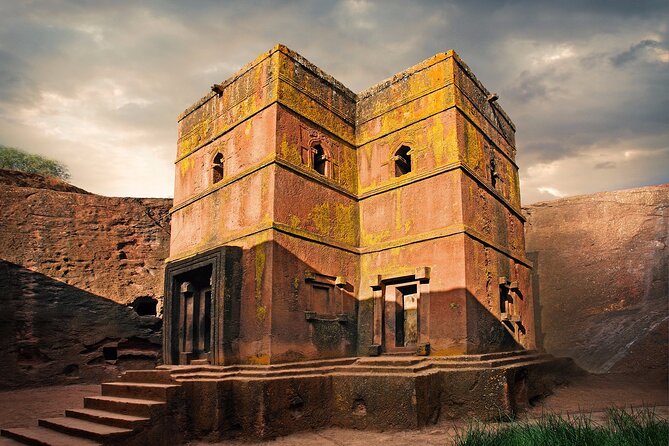
- Lalibela is the emotional center: Easter market time in the day, then a major rock-hewn church ceremony in the evening at Bete Medhanialem.
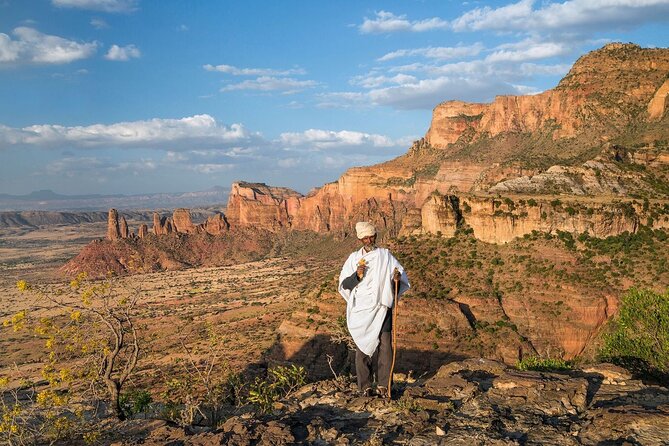
- This is a north-to-Omo route: you cover Lalibela, Axum, Simien Mountain area, Gondar, and Bahir Dar before dropping into Omo Valley communities.
- Tribe visits are paired with community context: you will see Dassanech, Mursi, Hammer, Ari, and other groups as part of your guided excursions.
- Formal dress code is real: plan your packing around it, not around casual comfort.
- Good value if you want simplicity: accommodations plus meals are included, while departures tax and alcohol are separate.
Ethiopian Fasika and the Easter rhythm you’ll actually feel

Ethiopian Fasika is not just a day on the calendar. It’s a whole season with rules that shape daily life. The Ethiopian Orthodox community observes 55 days of lent where people avoid animal products like meat, milk, and eggs. That gives Easter a different weight than many other Christian celebrations.
About a week before Easter, the season enters HeMamat, a time of remembrance tied to Jesus’ suffering. The guidance you follow in communities is serious in tone, with people expected not to laugh, kiss, joke, or treat it like a party. If you’re the type who likes to understand what you’re seeing, this context makes what happens later in Lalibela land much more strongly.
Then, one week after Easter, the celebration becomes Dagme Tinsae, which marks the ascension of Jesus. It’s celebrated alongside the main Easter festival, so the energy doesn’t simply cut off. You’re catching the season while it is still moving.
Other journeys down to the lower Omo:
- 6 Days Omo Valley Tribes Tours From Addis Ababa
★ 5.0 · 33 reviews - 3 Days Omo Valley Tour
★ 5.0 · 24 reviews - Danakil Depression, Lalibela, Omo Valley and Simien Mountains
★ 5.0 · 23 reviews
Meeting Addis Ababa at 7:00 am, then heading for Lalibela’s rock-hewn world
Your trip starts at Bole Airport at 7:00 am. If you are arriving the same day, this timing means you’ll want to start with a clean, rested morning and avoid late-night travel stress. The itinerary also notes a pickup, and you’ll transfer to your hotel right away on day one, with a short drive from the airport area.
The shift from Addis Ababa to Lalibela is where the trip begins to feel different. Addis is a launchpad. Lalibela is where the focus turns to stone, faith, and public celebration. If you’re hoping for a tour that mixes big-name sites with lived religious practice, the routing makes that happen early.
On day one, keep the plan simple. Hydrate, take a short walk if you can, and let your body adjust. After that, you’re trading city time for the long ceremonial gravity of Ethiopian Christianity.
Lalibela on Easter Eve: churches, Easter market color, and Bete Medhanialem
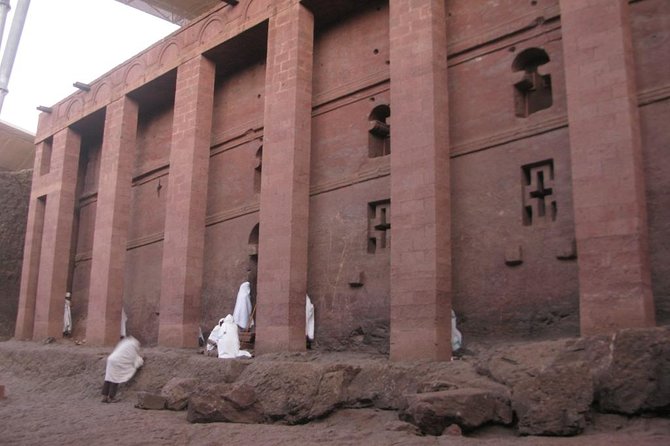
Lalibela is the part of this tour where you should slow down in your mind, even if your body keeps moving. The plan includes visits to remarkable St. Lalibela churches before the main ceremony, and it builds toward the most important moments around Easter.
The itinerary places a visit to a major annual Easter market in the afternoon. This matters more than just adding a market stop. Markets in Ethiopia can be community gathering points, and during Easter season they feel different than during normal travel days. Expect a strong sense of occasion, not just shopping.
Then, in the evening, you witness one of the most important Easter ceremonies in one of the biggest rock-hewn churches of Lalibela, Bete Medhanialem. This is the moment where your earlier lent context makes sense. If you are curious and respectful with your attention, this ceremony will feel less like sightseeing and more like participation in a long tradition.
Practical tip: plan your clothing carefully. The tour lists a formal dress code, and you’ll want to be comfortable enough to stand and move in a church setting. Also, bring a light layer if you tend to feel cold indoors.
From Lalibela to Axum: monoliths, long drives, and a different kind of sacred time
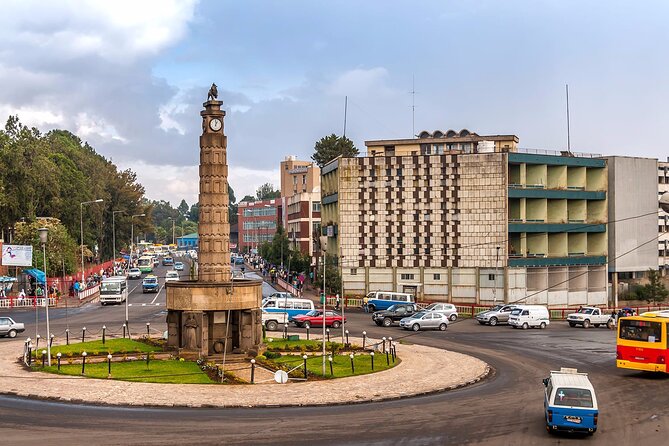
After Lalibela, the route turns north toward Axum. Day four shifts to Axum and includes a stop at mysterious monoliths. Axum is where Ethiopia’s ancient story feels physical, not just symbolic. Stone here does the storytelling, so pay attention to the shape and scale when you can.
Day five brings a drive into the Simen Mountain area. This is a key transition day. You’re moving from one kind of historic reverence into another where nature and altitude can change how your body feels. Even if you are not planning big hikes, your pace may be slower than normal.
This stretch can be tiring, but it’s also where the tour earns its “more than churches” reputation. You’re not just jumping from one monument to another. You’re getting a sense of Ethiopia’s wide range, from rock-hewn religious spaces to mountainous country days.
More from Addis Ababa to consider
- Full Day Tour of Addis Ababa with Hotel Pickup and Drop-off
★ 5.0 · 430 reviews - Taste of Ethiopia
★ 5.0 · 406 reviews - Day Trip From Addis Ababa See Historical Monastery,Stunning Nature,Animals,Birds
★ 5.0 · 303 reviews - Addis Ababa: Debre Libanos, Blue Nile Gorge, and Cave Tour
★ 4.5 · 256 reviews
Gondar and Bahir Dar to Addis Ababa, then down toward Awassa

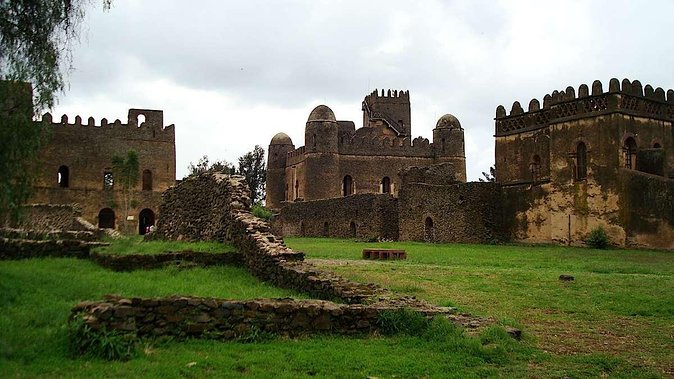
From Axum, you continue toward Gondar, including a drive from Debarq to Gondar, sometimes called the Camelot of Africa. This helps you understand why people connect Ethiopia’s royal era to European medieval imagery. Gondar has that court-city feel, even when you’re still seeing religious sites and historic stone.
Day six includes the night in Gondar, giving you at least one overnight in the city. That’s a small thing that helps. When you have an overnight, you aren’t always rushing to fit everything into daylight.
Then comes Bahir Dar to Addis Ababa. The day is basically repositioning you. It can feel like a breather, but it’s also a reminder that this tour is about variety, not staying in one base.
Next, the itinerary moves to Awassa. This is where I think you’ll appreciate the routing most if you like contrast. You go from high-intensity historic north into a more relaxed travel rhythm, at least compared to the Easter days.
Lake Chamo to Turmi: national parks scenery and the Omo Valley gateway

On day nine, you move from Awassa to Arba Minch, and then from Arba Minch to Turmi via a safari at Lake Chamo and Nech Sar National Parks. This is one of the most natural-meets-wild parts of the trip.
Why this works: the tour doesn’t keep the whole story in churches and stone. You get time where animals and ecosystems matter, and the air and pace can feel different from the highland stops. It’s a good reset before you enter the most culturally intense section of the journey.
After the safari, you drive Konso to Turmi. Along the way, you will see villages of Benna and Tsemay tribes. Then you arrive in Turmi and visit the Hammer people. Your overnight is at Turmi Lodge.
A note to keep your experience grounded: tribe visits can be emotionally complex. It helps to approach with curiosity and patience, not a camera-first mindset. If you want the most meaningful encounters, talk with your guide first about what is appropriate and respectful in that moment.
Turmi to Jinka: Omorate Dassanech and Mursi village visits
Day eleven turns into a culture day with structured excursions. You visit Omorate to see the Dassanech, described here as people of the Delta. Then you drive back to Jinka for lunch, and later you go to see the Mursi people in their village.
This sequence is important. It prevents the Omo Valley portion from feeling like one long blur of drive-by stops. You also get multiple community perspectives, including the Dassanech focus and then the Mursi village visit. Even if the experiences are guided, the human side is what makes this section memorable.
In terms of comfort, you have the support of lodging at Jinka resort overnight. That matters after long days on the road. The more energy you have in the evening, the more you can actually reflect on what you saw during the day.
Ari tribes in Welayta Sodo: pottery, weaving, and the cultural dinner you end on
Your day twelve starts with a morning visit to the villages of the Ari tribes. The itinerary includes a chance to see how they make pottery and weave. This is the kind of activity that can feel more personal than just watching something at a distance. It gives you a reason to slow down and focus on craft.
Then you drive to Welayta Sodo for dinner and overnight. After Omo Valley visits, you’ll likely enjoy this part because it keeps you in cultural learning mode, without adding the same kind of travel intensity.
Day thirteen brings you back toward Addis Ababa, with two key stops along the way. First is Tiya, listed as a UNESCO site. Second is a set of rock-hewn churches of Adadi Maryam, described as a church built by St. Lalibela. This is a poetic closing of the loop, bringing you back to stone churches after spending days among communities and crafts.
The final night in Addis Ababa: folklore dinner, national dishes, and coffee ceremony
On your last evening, you attend a folkloric dinner where you can taste several national dishes and watch dances of various ethnic groups of Ethiopia. The itinerary also notes a traditional coffee ceremony served during the event.
This ending matters because it translates the country’s cultural energy into a single night. It also offers a softer landing before departure, compared with another day of driving. If you’re a food and music person, this is the part you’ll remember when everything else is still sitting in your travel photos.
Keep your formal dress code in mind here too. Plan to look the part, because this is one of the evenings where you will likely be photographed and where the atmosphere is meant to feel ceremonial.
Price and value for a 15-day Easter plus Omo Valley mix
The listed price is $1,371.91 per person for about 15 days. That’s roughly $90 per day, and the value improves because the itinerary includes accommodation plus breakfast, buffet lunch, and buffet dinner.
What’s not included is important. You’ll pay departure tax at tour check-in, and alcoholic drinks are available to purchase separately. Also, your plan mentions a vegetarian option, so if you eat that way, you should flag it at booking.
Here’s how I judge value on a trip like this. This kind of Ethiopia route is hard to assemble without local know-how, long-distance logistics, and reliable guiding through culturally sensitive areas. If you want a packed route without having to plan each connection yourself, the included structure is doing real work for you.
Guides, organization, and what you should expect day to day
This tour is operated by Aman Ethiopia Tours and Travel and notes it may be run with a multi-lingual guide. It also says it is a private tour/activity, meaning only your group participates, not a larger mixed crowd.
In the real world, that private setup can be a big deal. It usually means you can ask questions without feeling rushed, and your schedule can flex when you need a bathroom stop or time to regroup after a long drive. The trip also lists group discounts, which suggests the operator is set up to manage pricing based on group size.
One more thing: the tour mentions Aman Ethiopian Tours in the information tied to past experiences, with an emphasis on good hotels and organization. The name Amanuel appears in the provided notes, and that consistency in leadership style is the kind of detail that can make long travel feel safer and more controlled.
Practical mindset: you’re moving through multiple regions. If you stay calm, accept that some days are mostly travel, and treat your guide as your interpreter of culture and timing, the whole trip feels smoother.
Who this Ethiopia Fasika tour fits best, and who should reconsider
This is a strong match if you want a spiritual, culturally focused trip during a high-meaning moment in the Ethiopian calendar. It also suits people who like mixed pacing: a slow, thoughtful feel during Easter rituals, then more active days with drives, markets, churches, and village visits.
I also think it’s a good fit if you enjoy variety but still want a structured plan. You’ll see northern landmarks like Lalibela, Axum, and Gondar, then shift into Omo Valley communities like Hammer, Dassanech, and Mursi, then end with Addis Ababa cultural performances and coffee ceremony.
Consider holding off if you dislike formal dress codes, don’t handle long days well, or you only want one narrow theme like churches or wildlife. This tour is intentionally broad, and it will ask a bit from your stamina and your flexibility.
FAQ
Where does this tour start?
It starts at Bole Airport in Addis Ababa, Ethiopia, with a start time of 7:00 am.
Is pickup offered?
Yes. Pickup is offered as part of the experience.
How long is the tour?
The duration is listed as 15 days approximately.
What’s included in the price?
The price includes accommodation as per the itinerary and meals: breakfast, buffet lunch, and buffet dinner.
What isn’t included?
Departure tax per person is not included and is payable at tour check-in. Alcoholic drinks are also not included.
Is this tour private?
Yes. It is described as a private tour/activity, with only your group participating.
What is the dress code?
The tour lists a formal dress code.
Can I get vegetarian meals?
Yes. A vegetarian option is available if you advise your needs at the time of booking.
Does the tour operate in all weather conditions?
Yes, it operates in all weather conditions, and you should dress appropriately.
Are shows guaranteed as part of the program?
Availability for shows cannot be checked without making a booking. Credit cards are only charged upon confirmation of show availability.
Should you book this Ethiopian Fasika and Omo Valley tour?
If you’re excited by Ethiopian Orthodox Easter and you want it combined with real cultural encounters in the north and Omo Valley, this tour makes a lot of sense. The included meals and accommodations take a lot of planning weight off your shoulders, and the itinerary is shaped around meaningful moments like the Easter market and the ceremony at Bete Medhanialem.
Book it if you can handle a full schedule, respect formal dress expectations, and keep a patient, curious attitude for village visits. Skip it if you want a relaxed pace or you’d rather avoid a trip that mixes sacred ceremony, long drives, and community-focused encounters.
If you do book, pack for formal evenings, plan your fitness for moderate walking, and use your guide’s context to help you understand what you’re seeing, not just where you’re standing.
Newly reviewed in Addis Ababa
- Addis Ababa City Tour★ 4.5 · 3 reviews
- 2 days trek around Lalibela★ 5.0 · 3 reviews
- Day Trip Around Addis Ababa★ 5.0 · 3 reviews
- Full Day Addis Ababa City Tour with Hotel Pick Up And Drop Off★ 5.0 · 3 reviews
- Northern Ethiopia (Historic route)★ 5.0 · 3 reviews
- Addis Layover Tour of Mercato With Airport pick up & drop off★ 5.0 · 3 reviews
- Day Tours around Addis Abeba, Melka Kunture and Adadi Mariam★ 5.0 · 3 reviews
- Day Trip From Addis Ababa To Debre Ziet★ 5.0 · 3 reviews
Omo Valley Tours, compared.
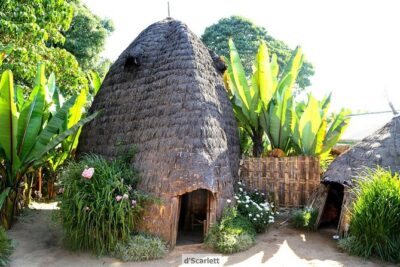
6 Days Omo Valley Tribes Tours From Addis Ababa
Read our review →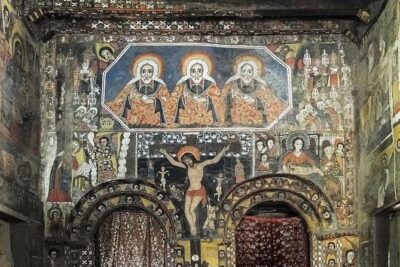
Lalibela, Axum, Danakil and Omo Valley 8 DAYS
Read our review →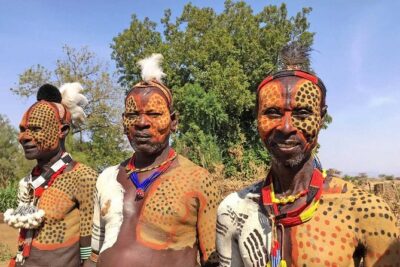
Danakil Depression, Lalibela, Omo Valley and Simien Mountains
Read our review →


9 Days Tours To Danakil Depression, Simen MNP, Lalibela With Omo Valley Tribes
Read our review →Browse the lists this tour appears in