
Reviewed · DANAKIL DEPRESSION TOURS
8 Days Lalibela,Danakil Depression and Omo Vally Tours
This is one of those Ethiopia trips that feels impossible until you’re on it: Dallol and Erta Ale by sunrise and sunset, then Lalibela and the Omo Valley tribes, all stitched into an 8-day loop. The visuals are extreme, but the real magic is the timing, when the colors and heat change fast and you’re there for it, not just passing through.
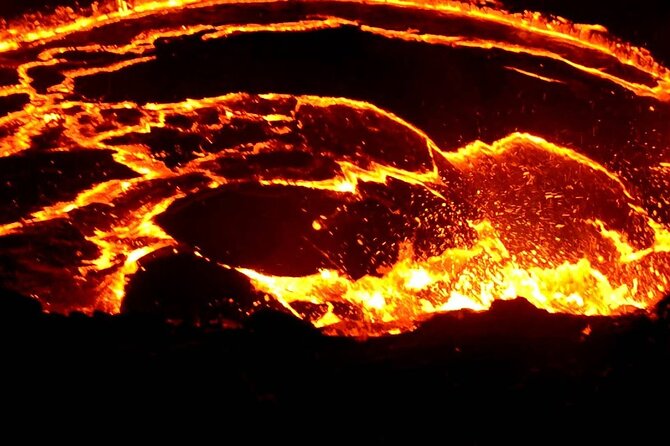
I really like the tight rhythm this tour uses in Danakil. You get a second look at Dallol at dawn, then you push on to Erta Ale for the rim views, which makes the whole volcano experience feel like two different places.
One thing to consider is that this is not a sleep-in kind of itinerary. You’ll be up very early and you’ll spend long hours in transit in harsh conditions, so plan for tired legs and bring a realistic attitude about comfort.
Key highlights worth knowing before you go
- Early Dallol timing: you see the sulfur colors again at morning, not just at one quick stop
- Erta Ale rim access by foot: a planned walk to the rim so you can actually watch the volcano from up close
- Lalibela rock churches in the afternoon: a full cluster of sites in one day, built for efficient sightseeing
- Small-group feel (max 15): easier pacing and more personal attention than the biggest bus tours
- Omo Valley tribe visits with named local support: guidance associated with staff like Mickey, Althaf, Abey, and Robel
Why Danakil, Lalibela, and Omo Valley work in the same trip
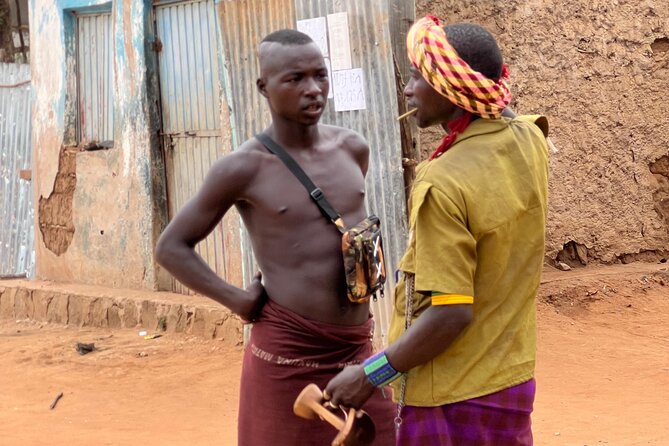
If you only have a week, this combo makes sense because it hits three Ethiopia styles of travel in one shot. You get geologic extremes in Danakil, spiritual Ethiopia in Lalibela, and cultural Ethiopia in the Omo Valley, where life centers around the Omo River region.
The Danakil section is the headline for most people, because it is remote and physically intense, which means your photos and your memories tend to feel sharp and specific. Then Lalibela shifts the pace, with rock-hewn churches that reward slow attention, not a quick “check the box” sprint. The Omo Valley days add a human scale, with visits to Hammer, Kara, and Mursi communities, plus a chance to ask questions and learn how people explain their own customs.
The big value here is that the tour keeps the logistics moving. You fly between regions, then you use local drivers for the long drives inside each zone. It’s still a lot, but it is built to reduce the stress of arranging everything yourself.
Other journeys down to the lower Omo:
- 6 Days Omo Valley Tribes Tours From Addis Ababa
★ 5.0 · 33 reviews - 3 Days Omo Valley Tour
★ 5.0 · 24 reviews - Danakil Depression, Lalibela, Omo Valley and Simien Mountains
★ 5.0 · 23 reviews
Before you go: heat, very early mornings, and moderate fitness
The itinerary itself hints at what you’re signing up for. Day 2 and Day 3 start around 4:30am for sunrise viewing, and those early wakeups keep showing up again across the Danakil days. Add long drives between sites, and you should assume you’ll be operating with less downtime than you expect on a standard vacation.
“Moderate physical fitness” is the right phrase here. You are not doing technical hiking, but you are walking in real conditions, including the planned walk up to the Erta Ale rim. You also need to be comfortable with uneven schedules: campsite days, early departures, and late returns to where you’re sleeping.
Also, consider how you personally handle heat and dehydration risk. Danakil is described as extremely hot, low-lying, and very dry. I can’t give you a medical checklist, but I will say this: if you are someone who gets lightheaded in heat, plan for that. Take rest when you can, pace yourself, and don’t treat sunrise as a time to sprint around for the perfect shot.
Entering Dallol at 3:30pm, then catching sunrise later
Your Danakil story starts with a flight from Addis Ababa’s Bole Airport, with an early morning schedule. The plan is ET 110 at 7:00am to Semera, arriving around 8:30am, then driving toward Hamed Ela through Afdera Lake. You stop at Afdera Lake for about 40 minutes for lunch, then continue on to Dallol, arriving around 3:30pm.
Dallol is the kind of place where the colors can look unreal, and the itinerary takes advantage of that by giving you two ways to connect. You can either visit Dallol’s colorful sulfur and salt canyons, or you can drive toward Lake Assale for sunset if you choose. That choice matters because it changes the feel of the day. Dallol itself is about close, mineral textures. Assale is more about the big, dramatic glow at the edge of a salt landscape.
After that first Dallol day, you return to Hamed Ela for an overnight stay. This is one of the practical strengths of the tour: you get time to adjust, even if you still will not be living the high-comfort life. You’ll be tired, but at least you’re not trying to cram the whole Danakil experience into one afternoon.
Tip that helps: wear layers you can handle during temperature swings, even if the day is brutally hot. Sunrise and late evening can feel very different from midday, and you want to be ready without fussing.
Erta Ale’s planned timeline: sunrise, a rim walk, and night camp reality
If Dallol is about strange color, Erta Ale is about scale and proximity. You wake around 4:30am for another Dallol viewing, then have breakfast later (the plan calls for breakfast at 9:00am near the salt cannon). From there, you drive to Erta Ale. The itinerary notes a travel time of about 3 hours, and you reach the Erta Ale campsite later in the day.
One detail I appreciate is that you get a dedicated photo window. There is a planned one-hour break to capture sunset moments at the volcano, then a 4:15pm start for a walk of about one hour to reach the rim. Once you’re there, you can stay to watch as long as you want, then you return to camp around 9:00pm, with dinner waiting.
The rim walk is where your moderate fitness matters most. It is not described as technical, but it is still movement in a remote environment. You’ll want to control your pace and keep an eye on footing.
The value here is that the timing is designed for you to see Erta Ale as a living place, not a quick viewpoint. You get day to night transitions. That’s the difference between a “seen it” photo and a “remember it” experience.
Other descents into the Danakil:
- 12 Days SIMIEN MOUNTAIN-LALIBELA-DANAKIL-TIGRAY CHURCHES
★ 5.0 · 45 reviews - 3 Day Danakil Depression Ertale and Dallol Tours
★ 5.0 · 44 reviews - 5 DAYS Lalibela, Axum, Tigray churches and Danakil
★ 5.0 · 34 reviews - 2-Night 3-Day Danakil Depression Tour without Flights
★ 4.8 · 31 reviews
Day 3 sunrise at Erta Ale, then the long return via Afdera

Day 3 starts again with 4:30am wake-up for a sunrise at the volcano. The schedule gives a window until 9:00am, then you return to the campsite, have breakfast around 10:30am, and start the journey back toward Semera via Afdera Lake.
The drive time is listed as about 5 hours. That matters because it determines your flight connection. You’re aiming to catch the flight ET 165 to Addis, with arrival at Semera around 4:30pm and a departure around 5:40pm. You reach Addis Ababa around 6:40pm, then stay overnight.
This day is the “big move day.” You’re traveling across harsh terrain, so don’t treat it like a casual sightseeing morning. If you’re the kind of traveler who gets cranky when schedules are tight, this is where you should plan patience.
Still, there’s a good payoff: sunrise at Erta Ale gives you a different look than sunset. Sunrise can feel calmer, and the lighting changes the mineral textures and heat shimmer. If Dallol was your color lesson, Erta Ale sunrise becomes your depth lesson.
Lalibela’s rock-hewn churches: a full afternoon of major sites
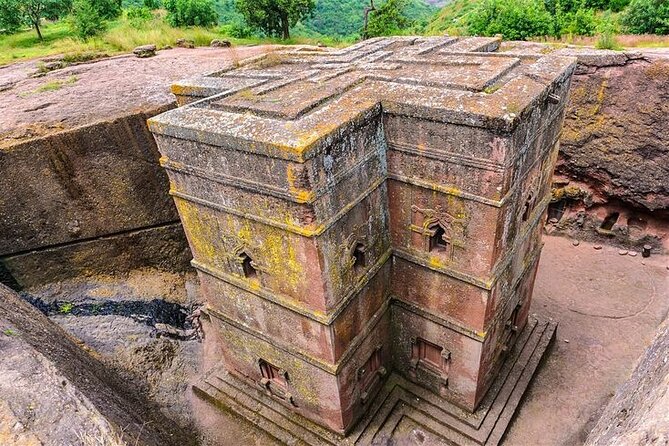
After Danakil, the itinerary shifts to something almost soothing: flying to Lalibela, then checking into your hotel and meeting a guide and driver upon arrival. The afternoon plan focuses on the core church cluster that many people come for, the underground rock-hewn cathedrals.
The listed churches are Bete Medhane Alem, Bete Mariam, Bete Meskal, Bete Denaghel, Bete Golgotha, Bete Mikael, and Bete Giorgis. That’s a strong set, and what I like is the pacing logic. Instead of scattering these over multiple days, you get a single afternoon built for focused sightseeing.
Lalibela rewards attention to details. Even if you are rushing a bit, the architecture holds your interest. You also get a change of environment after days of dust, heat, and long drives, which keeps the overall trip from feeling like one long slog.
If you want to maximize this day, bring a good willingness to slow down for photos and angles. These churches are not just objects, they are spaces you move through, so your comfort matters more than chasing speed.
Turmi and Hammer villages: what you gain from camping with the community
In the Omo Valley portion, the tour uses flights and then a direct drive toward the Hammer area. From Addis, the plan includes flying out to Jinka in the afternoon, meeting your guide and driver, then continuing by road to Turmi, where the Hammer people live.
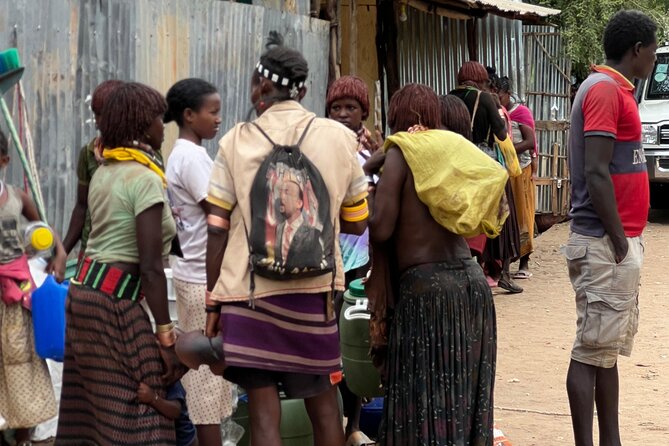
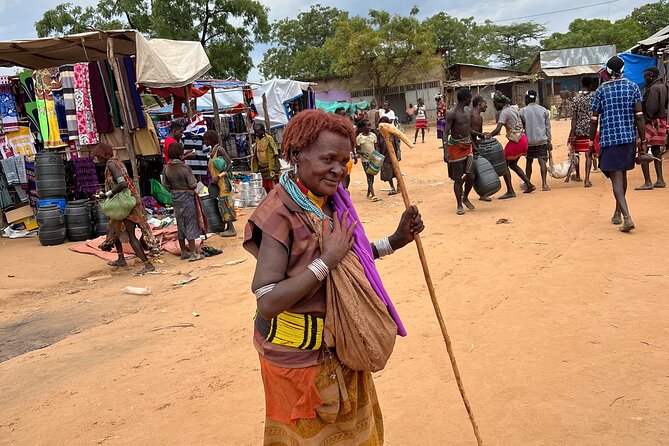
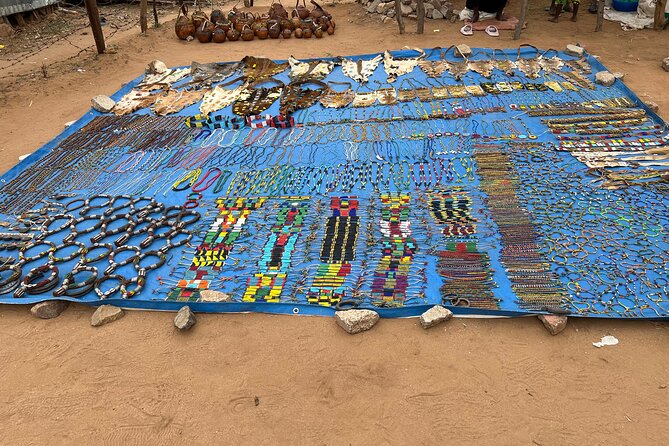
The itinerary describes the Hamers as people who take pride in grooming and appearance, including shaving and coloring hair, oiling the body, and adorning with beads and bracelets worn around arms and legs. Then you visit a local Hammer village and spend the rest of the day there. Overnight is noted as camping at the village with the Hammer people.
Camping at the village is the kind of detail that can make or break an Omo Valley trip for people. If you want comfort, you may feel the difference right away. If you want closeness and a more grounded experience, this is often the part that stays in your memory.
I also appreciate that the plan explicitly frames the visit as cultural time, not a quick photo stop. You’ll be there long enough to ask questions and observe how daily rhythm works, even if the conditions are basic.
Practical mindset to bring: keep your behavior gentle and ask before taking photos. That approach makes your visit smoother for you and respectful toward the community.
Hammer on Day 6, plus Buska Lodge for a softer landing

Day 6 returns to Turmi. The schedule again references an afternoon flight to Jinka, then meeting your guide and driver and heading directly to Turmi. You visit another Hammer village, then you stay overnight at Buska Lodge.
This gives you a useful balance. Day 5 is camping, Day 6 is a lodge night. That change matters because it lets you recover a little before the Kara and Mursi days. It also reduces the emotional whiplash that can happen when one day is rugged and the next is still rugged.
Because the itinerary repeats the Hammer area, you also get more than a single encounter. You might notice different expressions of grooming, different village setups, and different moments of social life. Even without “more time,” this repetition improves the quality of your understanding.
In tours like this, you’re rarely going to learn everything in one visit. But you can learn something real each day, and that’s what this structure supports.
Kara in Dus village: why “less visited” can mean better conversations
Day 7 includes an early drive to the Kara area, with a focus on Dus village. The plan notes the Kara tribe is among the smaller groups in the region, and that they settled along the west bank of the Omo River. The itinerary highlights that Kara people are known for body painting used for beautifying purposes.
It also points out that Dus is one of the furthest villages and not often visited by tourists. That matters for how your visit feels. Farther villages can be slower, more local in pace, and less shaped by constant outside attention.
You spend time with the Kara people at Dus, then drive back to Jinka. The last portion of the route includes an additional stop described as one of the biggest and most colorful items in the plan, but the details are cut off in the information you provided. So, plan for some kind of extra community stop on the way back, but don’t expect a perfectly specific program element unless it’s confirmed in your final itinerary paperwork.
If you want this day to go well, keep your questions respectful and let people guide the conversation. You’ll get more by listening than by rushing to document everything.
Mursi in Mago National Park: the 70km drive and visiting with care
Day 8 moves to Mago National Park for the Mursi tribe. The plan says you drive early to Mursi, about 70km, and you arrive late morning. The itinerary describes the Mursi custom associated with women: when they reach maturity, their lower lips are slit and circular clay discs are inserted.
This is sensitive subject matter, so approach it like a guest, not a spectator. The best learning happens when you let the visit be about understanding and story, not just visual curiosity.
After time in the village, you drive back to Jinka and catch your flight back to Addis. The day ends the tour, bringing you back from the remote edge of Ethiopia to the capital atmosphere.
What I like about this final day is the clear structure. It doesn’t try to stack too many different activities into the last hours. After intense days, it’s a clean finish.
Price and logistics: is $1,199 good value here?
At $1,199 per person for an 8-day trip, you’re paying for three things that are hard to arrange on your own: intercity flights, long remote driving days, and structured access to both UNESCO heritage in Lalibela and cultural visits in the Omo Valley.
What you get built into the schedule is a mix of flights and regional drives. The Danakil portion uses ET 110 early from Addis to Semera and then ET 165 from Semera back to Addis, then flights to Lalibela and to Jinka. That flight web is a major chunk of the convenience value.
The plan also notes pickup is offered, tickets are mobile, and group size is capped at 15 travelers, which usually helps with coordination. Admissions are listed as free or included on certain days, so you are not stuck paying every entry fee separately through the trip.
Is it “cheap”? No. But in Ethiopia, remote and time-sensitive itineraries tend to cost money because transport is expensive and coordination takes work. The question becomes whether you trust the operator to run the timing and connections smoothly. The overall tone from the tour team support is strong, and staff names mentioned include Mickey as a tour manager, with coordination by Althaf and local guidance associated with Abey and Robel. That kind of continuity tends to matter when you are dealing with early departures and multiple flight legs.
Who should book this, and who should skip it
This tour is best for you if you want variety in a short time and you don’t mind waking early. You’ll likely enjoy it if you can handle basic camp conditions, accept that Danakil is physically demanding, and want real cultural encounters rather than only urban sightseeing.
You might want to skip or choose a gentler itinerary if you require consistent comfort, because you’ll have campsite nights and at least one camping overnight in the Hammer village setting. You should also think twice if long drives make you miserable, because you’ll spend many hours traveling between zones and still keep up with sunrise schedules.
On the plus side, the small-group size and staff support can make the whole thing feel calmer. And if you like Ethiopia for its contrasts, this trip delivers.
Should you book Danakil Depression Tours for this 8-day combo?
If you’re aiming for maximum Ethiopia variety and you respect the fact that Danakil requires stamina, I would book this. It’s structured in a way that uses your time efficiently, especially with flight connections and the planned sunrise and rim viewing windows in the Danakil section.
My final advice is about expectations. Bring patience for early mornings, be ready for remote conditions, and treat cultural visits with real respect. If you do that, you’ll likely leave with one of the most unusual combinations of scenes on the continent, from mineral sulfur colors to rock-hewn churches to the Omo Valley’s living traditions.
FAQ
Where does this tour start?
The tour start point is Edna Mall on Cameroon Street in Addis Ababa, Ethiopia.
What is the total duration?
The tour duration is 8 days (approximately).
How much does the tour cost per person?
The price is $1,199.00 per person.
Is pickup offered?
Yes, pickup is offered.
Does the tour include mobile tickets?
Yes, the tour includes mobile ticket details.
What is the maximum group size?
The maximum group size is 15 travelers.
Is this tour suitable for everyone?
Travelers should have a moderate physical fitness level.
What time are you expected to start on Day 1?
The activity start time is listed as 9:00 am, while the itinerary also includes early flights for the Danakil portion. You should plan to be ready for very early departures on travel days.
Which tribes are visited in the Omo Valley?
The itinerary includes visits to the Hammer people, the Kara tribe (Dus village), and the Mursi tribe in Mago National Park.
What is the cancellation policy?
Free cancellation is available up to 24 hours in advance for a full refund, based on local time.
Are there flights included between regions?
Yes. The plan includes flights from Addis to Semera (ET 110), and from Semera back to Addis (ET 165), plus flights to Lalibela and to Jinka.
Newly reviewed in Addis Ababa
- Addis Ababa City Tour★ 4.5 · 3 reviews
- Full Day Addis Ababa City Tour with Hotel Pick Up And Drop Off★ 5.0 · 3 reviews
- 2 days trek around Lalibela★ 5.0 · 3 reviews
- Day Trip Around Addis Ababa★ 5.0 · 3 reviews
- Northern Ethiopia (Historic route)★ 5.0 · 3 reviews
- Addis Layover Tour of Mercato With Airport pick up & drop off★ 5.0 · 3 reviews
- Day Tours around Addis Abeba, Melka Kunture and Adadi Mariam★ 5.0 · 3 reviews
- Day Trip From Addis Ababa To Debre Ziet★ 5.0 · 3 reviews
Danakil Depression Tours, compared.
12 Days SIMIEN MOUNTAIN-LALIBELA-DANAKIL-TIGRAY CHURCHES
Read our review →
3 Day Danakil Depression Ertale and Dallol Tours
Read our review →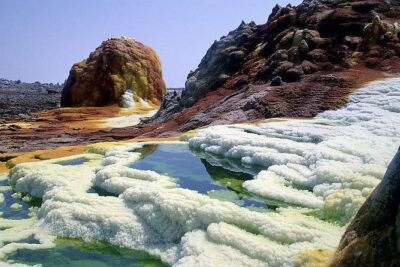
5 DAYS Lalibela, Axum, Tigray churches and Danakil
Read our review →3 Days Danakil Depression Tour from Semera City
Read our review →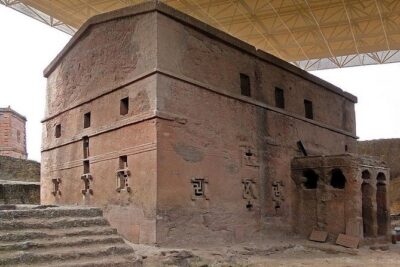
6 Days tour Package (Simien Mountains, Lalibela, and Danakil Depression)
Read our review →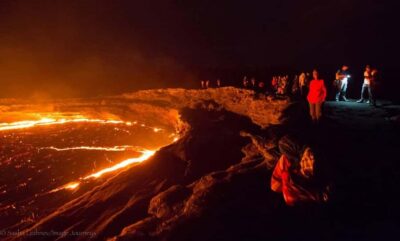
2-Night 3-Day Danakil Depression Tour without Flights
Read our review →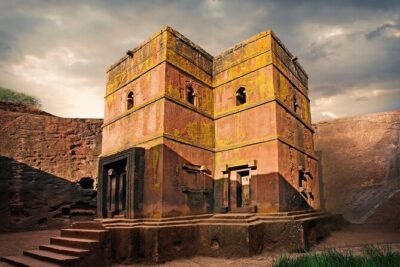
5 DAYS Axum, Lalibela, Tigray churches and Danakil
Read our review →Browse the lists this tour appears in