
Reviewed · DANAKIL DEPRESSION TOURS
3 Days Desert Adventure: Discover Danakil’s Hidden Wonders!
If you want a trip that feels like a science film, this Danakil Depression route delivers. You get salt flats and sulfur lakes, then the real jaw-dropper, camping while visiting the Erta Ale area. I also love how the schedule mixes big sights with small moments, like tea stops at camp and sunset time that actually feels unhurried.
Two things I like a lot: the way the day-to-day logistics are kept tight in harsh conditions, and the fact that you sleep under stars instead of doing the usual stop-and-scramble. One drawback to be honest about is the heat, it can reach 50 degrees Celsius, so this is not a casual, walk-up-and-go outing.
Key things to know before you go
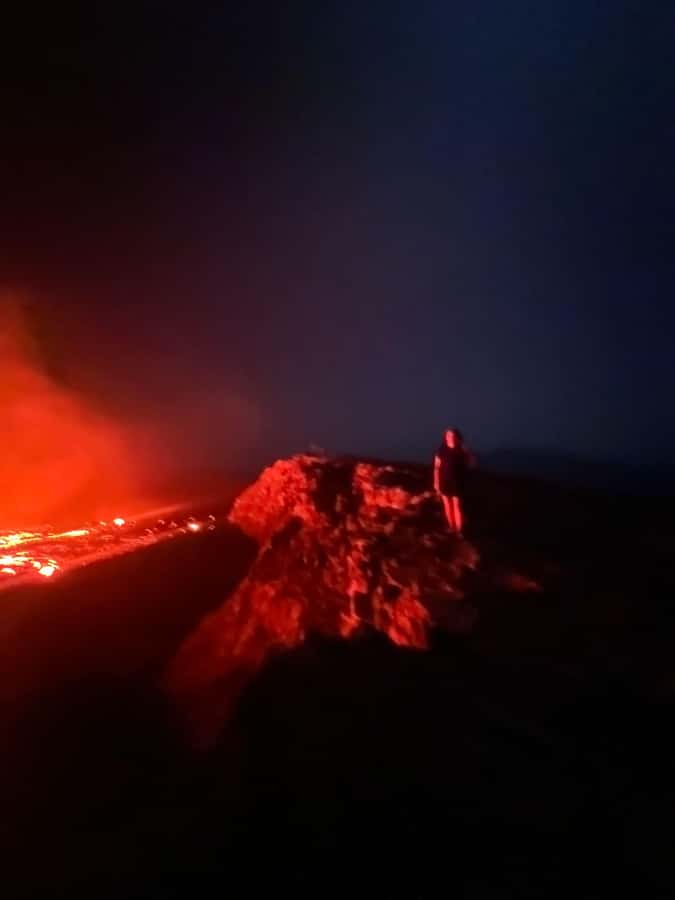
- Active volcano focus: Erta Ale is visited for a close, crater-area experience tied to its permanent lava presence.
- Salt flats and saltwater swimming time: You’ll spend time at very low elevations with salt mining and briny water experiences.
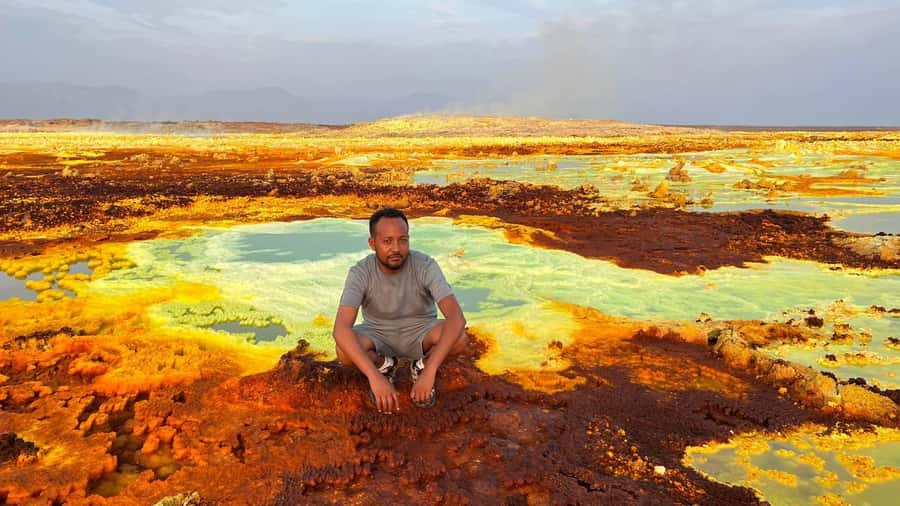
- Sulfur lakes and springs: Expect strong geothermal scenery, including colorful mineral zones.
- Overnight camping both nights: Wooden beds on one night, rocky camping ground on the other, with simple comfort.
- 4WD with air conditioning: Vehicle comfort is built in, even if the outdoors stays brutal.
- Small group of up to 10: Easier pace control for drives, viewpoints, and trekking.
Danakil Depression in 3 days: what this trip is really like
This is one of those rare Ethiopia trips where the scenery does not politely sit in the background. It pushes forward, salt under your feet, sulfur steam in the air, and a volcano presence that feels close enough to hear. The Danakil Depression is famous for its raw, extreme geology, and the program is built around seeing the main acts in a compact three days.
You are traveling through the Afar region, and the road journey is part of the experience. As the days go on, the environment feels harsher and the colors get stranger, which is why you start early and keep moving. The whole point is to hit key moments, like sunrise and sunset over mineral zones, while conditions are still manageable.
The small group size, limited to 10 participants, matters here. You are dealing with long distances, trekking steps, and frequently changing surfaces. A tighter group helps with timing and keeps everyone from getting separated at the wrong moment.
Other descents into the Danakil:
- 3 Days Danakil Depression Tour from Semera City
★ 4.7 · 34 reviews - From Semera: Danakil Depression 3-Day Tour
★ 4.3 · 10 reviews - From Semera: 3-Day Danakil Depression Tour
★ 5.0 · 3 reviews
Price, value, and what the $350 covers
At $350 per person for three days, this is not a “budget bus tour.” But it also is not priced like a fancy lodge weekend, because you are paying for access to a remote, regulated region and for the heavy lifting that makes it work.
What helps the value: meals are included from breakfast through dinner, plus lunch snacks in the desert, and bottled water is provided. You also get a 4WD vehicle with air conditioning, local guides, entrance and community fees, plus camping equipment and a scout and police service. Those last items are not the glamorous part, but they are exactly what lets you enter and move through places that ordinary travel simply cannot reach.
You should also note the alcohol details. Wine is listed as included, while alcohol in general is listed as excluded, so assume wine is the only built-in option unless you pay extra for anything else. Tipping is also listed as excluded, so budget that if you want to.
The Day 1 drive: Semera or Mekele start, Afdera salt lake lunch, Dalol camp
Day 1 begins with a morning launch, starting around 9:00 AM from Semera or Mekele. You’ll drive deeper into the Danakil Depression, and temperatures rise as you go. This day is about transition, from regular airport arrivals into a place where even sitting still can feel intense.
The first named stop that breaks up the drive is Afdera, where the plan includes lunch and time connected to the salt lake area. It’s not just sightseeing. You get a taste of daily life around these saltworks and Afar culture, and you’ll eat local food instead of defaulting to the usual tourist options.
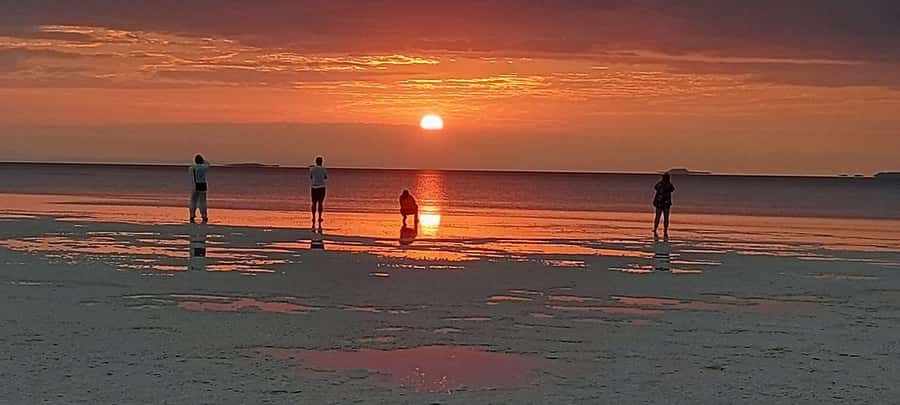
After lunch, you continue toward Hamed Ela and then reach Dalol. Once there, you take a short camp break for tea or coffee, which sounds simple until you’re in a world where rest stops matter. From Dalol you head toward a saltwater lake area that sits more than 100 meters below sea level, with salt flats where the Afar people extract salt by evaporating the water.
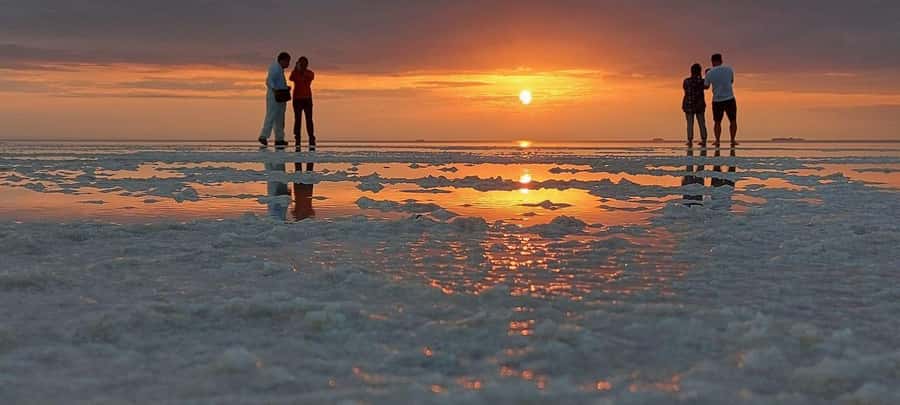
This is also your big “sunset and brine” moment. The schedule includes sunset views, a chance to swim in the floating saltwater area, and time to admire red salt mountains. If you want photos, this is the moment when the colors shift fast. It can be warm to the point of tiring, so focus on enjoying it, not just racing for the perfect shot.
A fun detail: your drivers add energy with music, dancing, and jumping around. It’s not just entertainment. It keeps spirits up when you are exhausted from sun and travel.
Night 1 sleep is straightforward camping comfort, not hotel comfort. You sleep under the stars on comfortable wooden beds with mattresses and sheets, which is a big quality upgrade compared to many desert tours.
Dalol and Lake Assal mornings: colors, sulfur zones, and early timing
Day 2 starts early, and that early start is a smart choice. Sunrise and low-angle light make mineral and sulfur areas look even more otherworldly, and mornings are usually the time when you can work your way through the heat with less suffering.
The day focuses on Dallol, a zone described as famous for colorful salts and sulfur-related features. You’ll also connect to views around Lake Assal during sunrise and sunset time, which gives you two different lighting moods in the same region. If you like geology, this is your day. The salts, mineral patterns, and the way the geothermal systems shape the ground are hard to recreate anywhere else.
After that, the plan includes sulfur springs and exploration around salt mountains, a sulfur lake, and hot springs. The important part here is context: these areas are not scenic in a “green postcard” way. They’re scenic in a “how is this even real” way, with heat and chemical activity shaping the color and texture.
You’ll drive back to camp for breakfast, then head toward Erta Ale. This is where Day 2 becomes the volcano day, so expect the pace to change from flat, view-based exploration to trekking and crater-area movement.
Erta Ale at night: trekking to the cone and sleeping close to the volcano
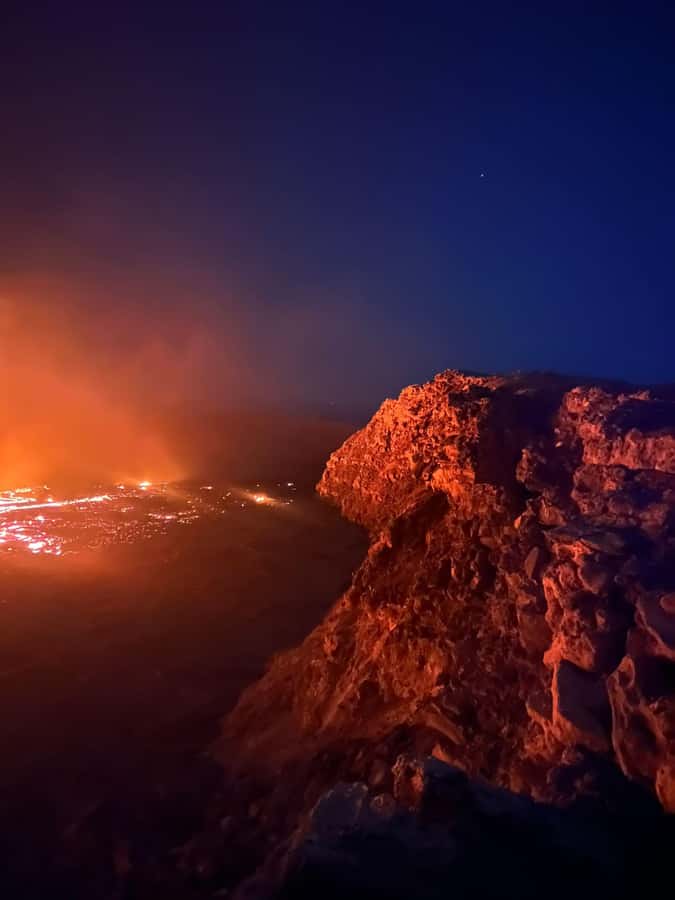
Erta Ale is a shield volcano, known for its massive caldera and described as the world’s only permanent lava lake at its summit. In plain terms, this means you are not visiting a volcano that is quiet and finished. You’re going to an active setting.
The plan includes a drive to Erta Ale, then trekking up toward the volcano cone. The goal is to witness the dramatic action of boiling lava. That moment is why people sign up, and it’s the type of experience that sticks because it is not staged. You are close to a living natural process.
After the cone viewing, you trek back down to camp. Dinner is planned around 8:00 PM, and then you overnight outside at Erta Ale on a rocky camping site. You’ll have flower mattress and bed sheet or blanket provided, so you’re not sleeping on bare ground. Still, you should expect the desert to feel different at night than it does in the afternoon, and you’ll want to dress in layers.
This is also where the small group size shows up again. When you are moving around crater terrain and dark conditions, fewer people means easier coordination.
Day 3 crater pits: northern sunrise, then southern and central pit walks
Day 3 starts early again, with sunrise at the northern pit crater. Sunrise timing at a crater is not just for photos, it helps you see depth and scale more clearly. The plan then includes a short walk to explore the southern and central pits.
You get some specific measurements in the plan, which helps you picture what you’re seeing:
- The main pit crater is described as 200 meters deep and 350 meters across.
- The smaller southern pit is described as 65 meters wide and about 100 meters deep.
Those numbers matter because the pits are not small dips. They are huge bowls carved by geology, and standing at the edge changes how you judge distance.
After exploring the pits, you descend back to the camp. Then you relax, have the last desert breakfast, pack up the camping gear, and drive back. The return timing is built in to match flights, and the trip ends between 2:00 PM and 4:00 PM, letting you connect to a 5:30 PM flight to Addis Ababa from either Mekele or Semera, depending on which airport route you’re using.
Comfort and safety reality check: heat, vehicle AC, and desert sleep
The tour is upfront about temperature. It can reach up to 50 degrees Celsius, so you need to treat this like a serious heat itinerary. Sunscreen and a hat are not optional details. Hydration is not a nice extra, and you should drink consistently.
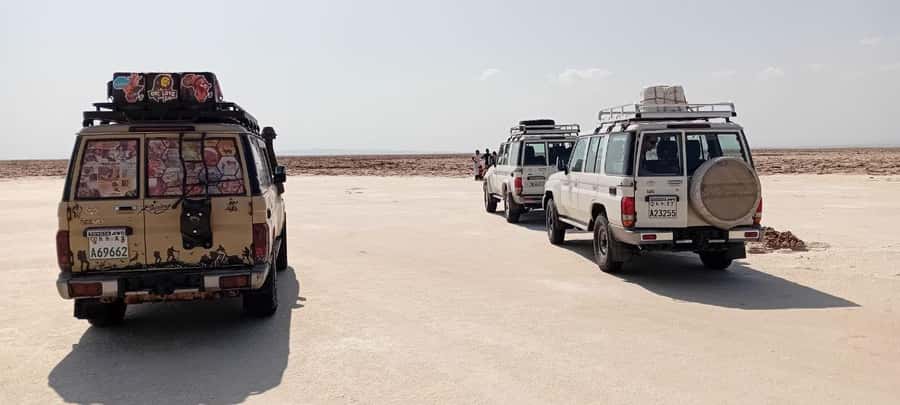
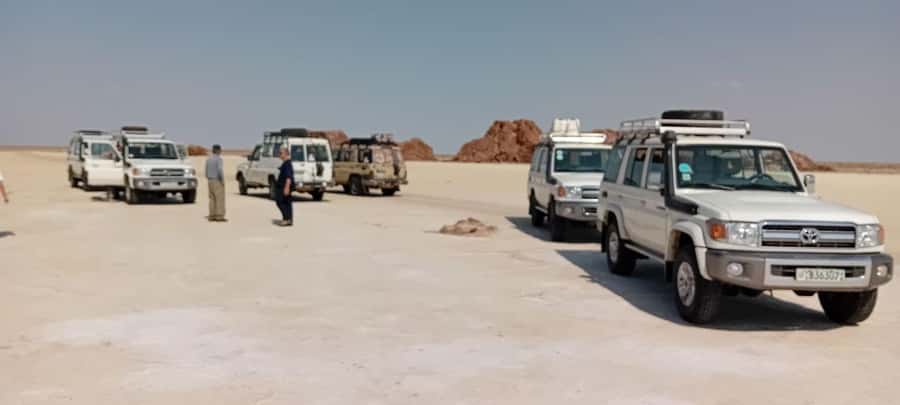
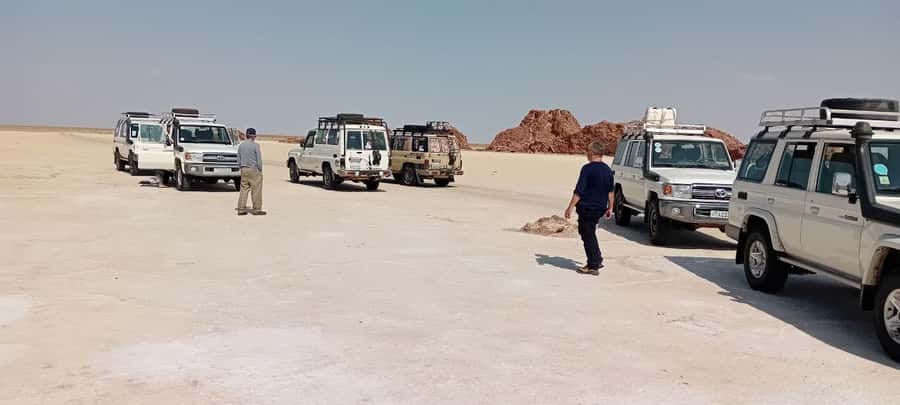
The good news is you do get some comfort tools. The 4WD land cruiser includes air conditioning, which helps a lot during the long drives when you are cooked by sun exposure. You’re not walking to every stop, either. A chunk of the day is driving between geothermal points, which means you can recover in the vehicle.
Sleep is camping, but it’s not the “rough it” version. Night 1 gives you wooden beds with mattresses and sheets, while the second night at Erta Ale uses a rocky camping ground but still provides a mattress plus bed sheet or blanket. It’s still not a hotel, but it’s structured.
Also, you are not wandering solo. Scout and police service is included, and local guides are part of the program. Those details can feel bureaucratic on paper, but in a remote region they often mean you’re allowed in areas and you move with a plan.
Caravan adventure, salt mining, dunes, and the small moments
This experience is not just about dramatic volcano pictures. There are smaller, very physical activities baked in.
The program includes salt mining exposure in the Danakil Depression and includes an option for camel hire. Even when you do not spend hours on a camel, it signals that the trip is designed around local movement styles, not only vehicle viewpoints.
You’ll also have time for driving through the vast sand dunes of the Danakil Depression. This is another one of those desert realities where the ride itself is part of the experience. You feel the environment changing under the tires.
And there’s a human side that I appreciate: the Afar village lunch break at Afdera, the salt mining context, and the chance to swim and move around salt areas. It’s more than a list of stops. It’s a chance to understand why people live with, work with, and build livelihoods around these extreme minerals.
Who should book, and who should think twice
This tour fits well if you want a high-impact, once-in-a-lifetime type of adventure, and you’re comfortable with camping. It’s also a good choice if you like active nature, geology, and extreme environments rather than “soft adventure” travel.
You should think twice if heat makes you miserable fast, or if you strongly prefer hotel beds. Even with AC in the vehicle and mattresses provided, the desert days are intense. Also, the crater areas involve walking, so be ready for trekking in a remote setting.
If you can handle hot sun, a tight itinerary, and camping sleep, you’ll likely love the blend of salt, sulfur, and a close Erta Ale encounter.
Should you book this 3-day Danakil adventure?
Book it if you want the real Danakil highlights in one tight package: salt flats and sulfur springs, salt mining context, and an Erta Ale volcano experience with nights under stars. The included meals, vehicle with AC, and camping equipment make it much more doable than piecing this together on your own.
Skip it or ask lots of questions if you need comfort and predictable sleeping conditions like a resort. This is not that. It is an extreme-environment trip, and your best strategy is to go prepared for heat, treat the sleep as part of the experience, and focus on the geology and the moments at sunrise and sunset.
FAQ
How long is the Danakil Depression 3-day adventure?
It runs for 3 days.
Where does the tour start and when do we begin driving?
The first day starts at 9:00 AM from either Semera or Mekele airport.
What’s included in the price?
The price includes entrance fees and community fees, all meals in the desert (breakfast, lunch snack, dinner), bottled water, 4WD transport with AC, local guides, camping equipment, scout and police service, camel hire, and wine.
What is not included?
Domestic flights are excluded, along with alcohol (other than the included wine), other unspecified expenses, and tipping.
What group size is this tour?
It’s a small group limited to 10 participants.
What languages are the guides available in?
The live guide is offered in English, Amharic, and German.
How hot is it in the Danakil Depression?
The temperature can reach up to 50 degrees Celsius.
When does the tour end on the last day?
Day 3 ends between 2:00 PM and 4:00 PM, so you can catch a 5:30 PM flight to Addis Ababa from either Mekele or Semera.
More 3-Day Experiences in Semera
- 3 Day Danakil Depression Ertale and Dallol Tours
★ 5.0 · 44 reviews - 3 Days Dankile Depression group Tours
★ 5.0 · 40 reviews - 2-Night 3-Day Danakil Depression Tour without Flights
★ 4.8 · 31 reviews - Trekking at Bale Mountains 3 Days
★ 5.0 · 28 reviews
Newly reviewed in Semera
- From Semera: 3-Day Danakil Depression Tour★ 5.0 · 3 reviews
- From Semera: Danakil Depression 3-Day Tour★ 4.3 · 10 reviews
- 3 Days Danakil Depression Tour from Semera City★ 4.7 · 34 reviews
Danakil Depression Tours, compared.
12 Days SIMIEN MOUNTAIN-LALIBELA-DANAKIL-TIGRAY CHURCHES
Read our review →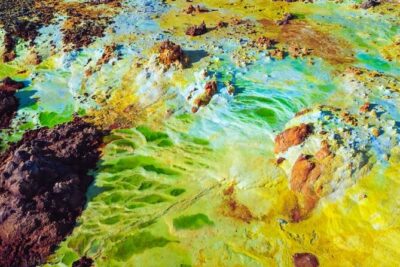
3 Day Danakil Depression Ertale and Dallol Tours
Read our review →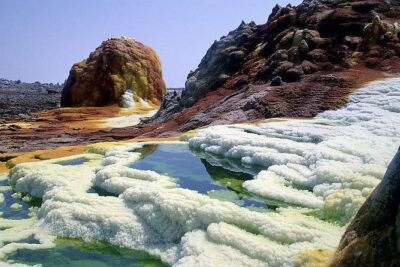
5 DAYS Lalibela, Axum, Tigray churches and Danakil
Read our review →3 Days Danakil Depression Tour from Semera City
Read our review →
6 Days tour Package (Simien Mountains, Lalibela, and Danakil Depression)
Read our review →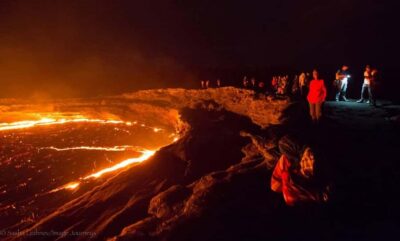
2-Night 3-Day Danakil Depression Tour without Flights
Read our review →
5 DAYS Axum, Lalibela, Tigray churches and Danakil
Read our review →Browse the lists this tour appears in