
Reviewed · COOKING CLASSES
Private Ethiopian Home Cooking Class in Addis Ababa with Transfer
This experience is interesting because you’re not learning recipes in a classroom. You’re in Hilena’s home in Sansusi, where cooking comes with stories, family rhythm, and the kind of welcome that makes the meal feel personal. I especially like the chance to shop and talk at a neighborhood market in Sansusi, and then turn those ingredients into food you can actually make at home.
One thing to plan for: this is a full, food-heavy 3 hour session. Expect a long course and a lot to eat, so go hungry and pace yourself.
Key highlights you should know
- Sansusi neighborhood market option: you may buy grains, vegetables, herbs, and other staples before cooking
- Hilena’s family-recipes experience: taught in a real home kitchen, not a demo space
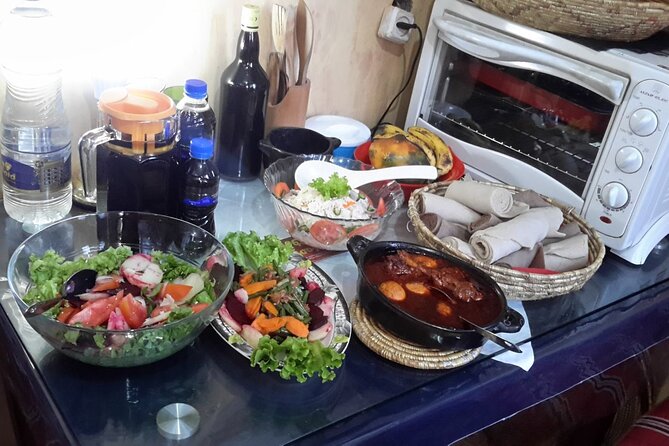
- A proper Ethiopian meal table: Beyaynetu, Shiro, Genfo, and Anebabero
- Translation support: Hilena may not be very fluent in English, but her brother helps the whole way
- Pickup and transfer included: you get help getting to and from Hilena’s home area
- Coffee at the end: a classic finish after cooking and eating together
Why Cook in a Sansusi Home Kitchen, Not a Restaurant
If you want Ethiopian food without the usual tourist filter, this is a smart way to do it. You cook in a local home in Sansusi, on the outskirts of Addis Ababa, about 20 km from the airport. That location matters. It shapes the whole feel of the experience, because you’re seeing daily life, not just performance.
I like how the class is built around family recipes and a shared meal. You learn, but you also sit down and eat what you made. That’s the difference between tasting Ethiopian food and understanding Ethiopian food. Ethiopian dishes are meant to be eaten as a group thing, with bread and stews working together.
The class is also truly private for your group. Even though Hilena runs a guest house and other travelers may be on-site, the cooking class portion is set up as a private experience. That helps a lot if you want to ask questions, take your time, or have a calm conversation while you cook.
More from Addis Ababa to consider
Sansusi Market Time: What You’ll See and Why It Helps
There’s an option to add a market visit before you cook. When you choose it, you head to a local, neighborhood street-side market in Sansusi. This is not a polished, curated market. It’s the place where people pick up everyday basics.
Based on what’s described for the market, you might see stalls with grains, vegetables, fruits, and also live chicken and sheep. You may also spot items like herbs used for local cooking, plus clothing and other goods. The point isn’t to admire things from afar. It’s to walk the stalls, learn what’s grown locally, and buy a few ingredients you’ll use later.
This part is valuable because it puts Ethiopian cooking into context fast. You start to understand why certain ingredients show up again and again in Ethiopian meals. You also get a feel for how flexible shopping can be. You’re not buying from a single supermarket shelf. You’re selecting what looks good today and what the home kitchen plans to cook.
Practical note: if you’re short on time in Addis, you can skip the market and go straight to cooking. But if you want the cultural storytelling around food, the market stop is the extra layer that makes this feel complete.
Hilena’s 3-Hour Lesson: Two Dishes, Real Steps, Real Questions
The cooking class takes about 3 hours. You’ll cook with host Hilena, a native of Addis Ababa who has been cooking since childhood. That long family involvement shows in the way lessons like this are typically taught: you’re not only learning technique, you’re learning how a home cook thinks.
The format is a private, personalized class. You cook two traditional Ethiopian dishes using family recipes. Exactly which two dishes you cook can shift with the season, but the experience is anchored by a meal that includes multiple Ethiopian staples.
Because Hilena is not very fluent in English, her brother joins throughout to help translate. This is a helpful detail. It means you can ask questions and get answers clearly, instead of guessing what’s happening in the kitchen. If you like hands-on cooking and you also like understanding why something works, that translation support will make a noticeable difference.
What to expect during the lesson: you’ll likely move through prep steps, cooking steps, and tasting steps with guidance. The experience is designed so you’re not just watching someone else work. You’ll do the real cooking part.
And yes, plan for that full meal component. One past guest called out how educational it was and how the course includes a ton of food. That lines up with the structure here: cooking plus eating, all in one.
The Meal You’ll Eat: Beyaynetu, Shiro, Genfo, and Anebabero
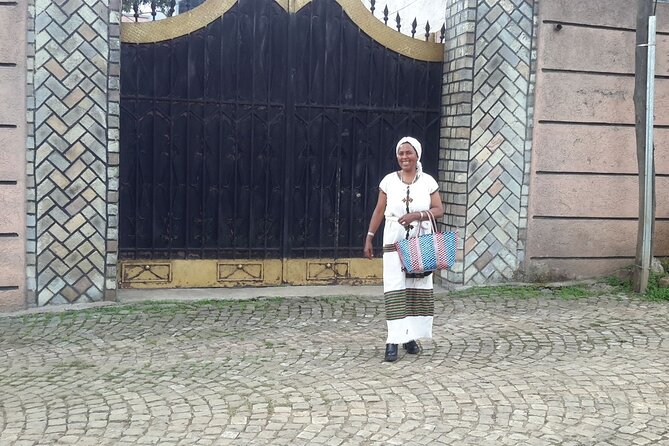
This is one of the best parts of the experience because it’s not just a single dish. You eat a full Ethiopian-style spread that ties together flavors and textures.
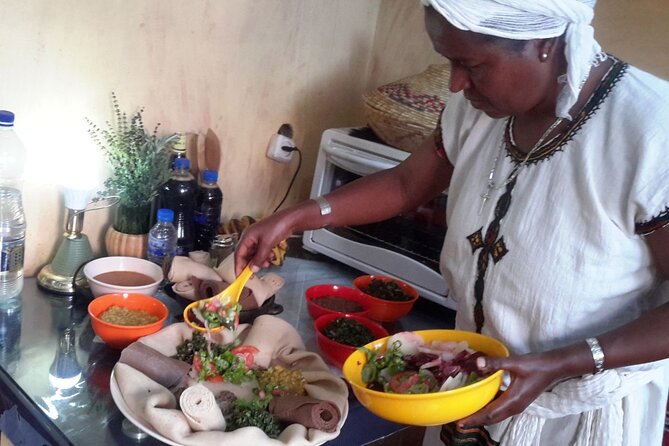
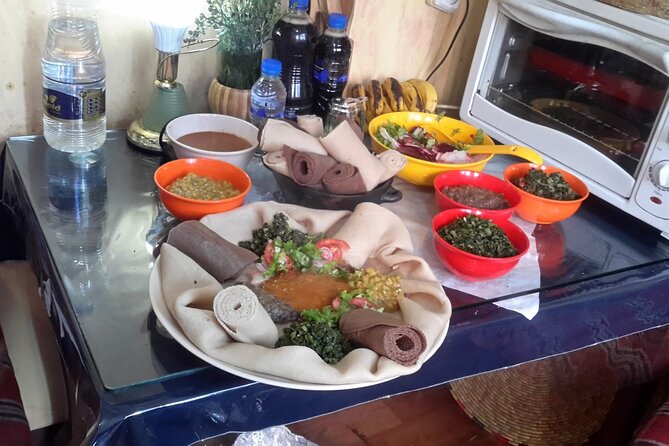
You’ll enjoy a meal that includes:
- Beyaynetu: a vegetable platter
- Shiro: chickpea stew
- Genfo: porridge
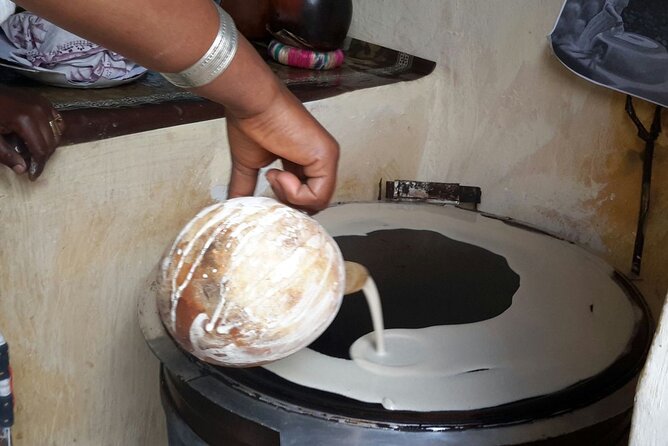
- Anebabero: Ethiopian bread
Even if you only cook two dishes, the table meal gives you the bigger picture. Ethiopian meals are built to mix and match. Bread is a delivery system. Stews and platters are flavors you scoop, tear, and combine in different ways.
Beyaynetu is especially useful for understanding Ethiopian food beyond spice. It’s a cluster of vegetable elements that bring color, variety, and balance. Shiro brings a comforting, savory backbone. Genfo adds a thicker, porridge-style comfort that changes how the meal feels in the middle of eating. Anebabero ties it together because the bread helps you experience the dishes as they’re meant to be eaten.
Seasonal variation is mentioned for the menu, and vegetarian options are available if you tell them at booking. So if you have dietary needs, you should treat that as part of planning, not an afterthought.
Something steadier after Addis Ababa:
- Full Day Tour of Addis Ababa with Hotel Pickup and Drop-off
★ 5.0 · 430 reviews - Taste of Ethiopia
★ 5.0 · 406 reviews - Day Trip From Addis Ababa See Historical Monastery,Stunning Nature,Animals,Birds
★ 5.0 · 303 reviews - Addis Ababa: Debre Libanos, Blue Nile Gorge, and Cave Tour
★ 4.5 · 256 reviews
Coffee Time After Cooking: A Calm Finish
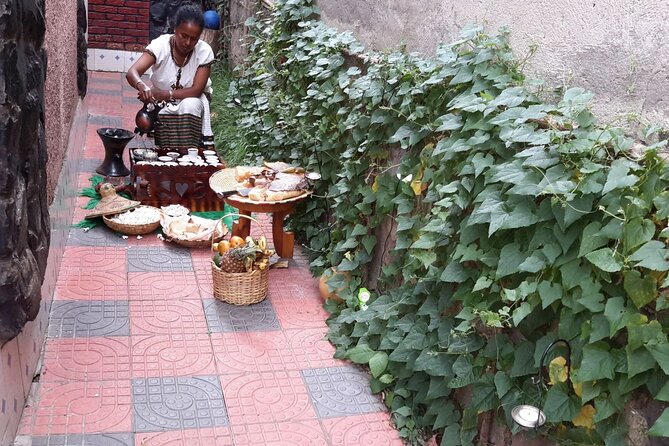
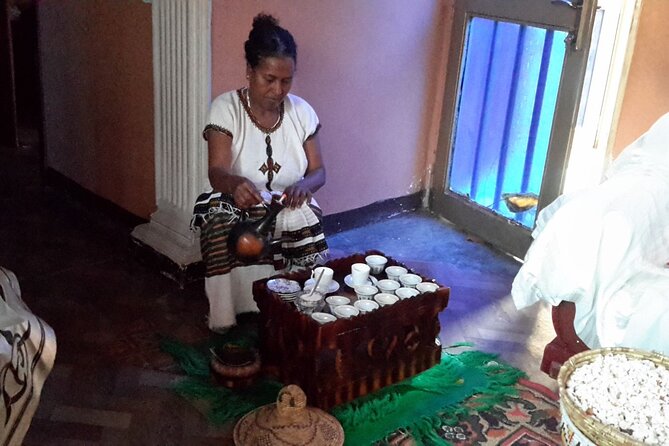
After you cook and eat together, you’ll relax with a cup of Ethiopian coffee. This isn’t just a sweet ending to a lesson. It’s part of the cultural pacing.
In Ethiopian home settings, coffee often marks a moment to slow down after work. Here, it gives you a natural landing spot. You can digest, ask a few final questions, and enjoy the fact that you’re leaving with food knowledge plus a full experience, not just a recipe card.
If you’re someone who likes to end tours with something warm and grounding, this fits the bill nicely.
Getting There: Pickup, Transfers, and the 20 km Ride to Sansusi
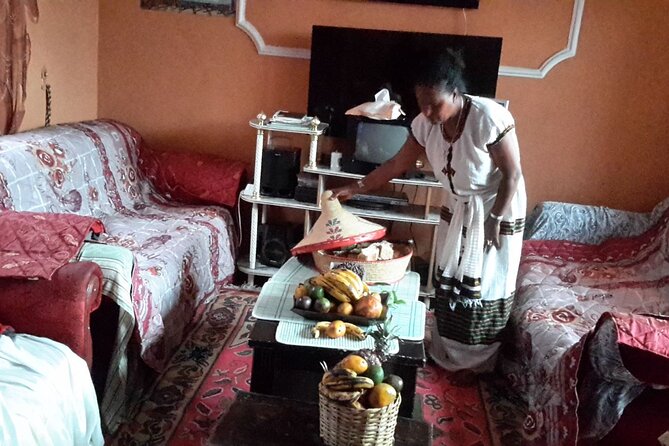
Pickup is offered as part of the experience, which matters in Addis Ababa. You’re headed about 20 km from the airport area to Hilena’s home in Sansusi. That kind of distance can eat time if you’re doing it solo without local help.
With transfer included, you can focus on the day instead of logistics. You also avoid the common headache of finding the right meeting point for a home-based experience. The tour is designed to run smoothly from start to finish, including the ride.
Timing is also important because the whole experience is about 3 hours. That’s a good length for a cooking class. It’s enough time to cook and eat, but not so long that you feel stuck.
If you’re planning other activities in Addis, treat this like a core food block. Fit it where you can keep your schedule light afterward.
Language and Dietary Needs: How to Make This Easy for Yourself
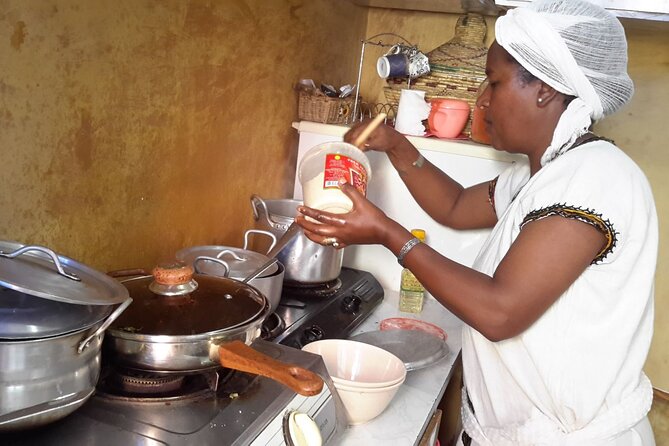
This class is friendly for most people, and it says most travelers can participate. Still, you’ll have a better time if you plan for language and food needs up front.
Language: Hilena may not be very fluent in English, but her brother translates throughout. So you should expect clear communication during cooking and during the meal. If you have specific questions about spice levels, cooking steps, or what to buy, ask them. The translation support is there for that.
Dietary restrictions: allergies and dietary restrictions should be shared at booking. The menu can vary depending on the season, so your best chance to get the food you need is to tell them early. Vegetarian options are available, but you should request it at booking.
Practical tip: if you’re vegetarian, think about what dishes you want to avoid or include. Since the menu can vary by season, your message at booking helps Hilena’s team shape the class so you’re not sidelined by substitutions.
Price and Value: What You’re Really Paying for at $124
At $124 per person, this isn’t a budget cooking class. But the value comes from what’s included and what you’re getting.
You’re paying for:
- A private home cooking setup with Hilena and family-style teaching
- A meal that goes beyond one dish, with Beyaynetu, Shiro, Genfo, and Anebabero
- Optional market time in Sansusi (if you choose that)
- Pickup/transfer support
- Translation support through Hilena’s brother
- A coffee finish
When a class is this personal, the cost often reflects the effort of hosting. A home kitchen has prep time, ingredient planning, and hospitality time. You’re also not limited to a rushed demo. You cook, you eat, and you learn in one sitting.
If you’re traveling as a couple or small group, this can feel especially good value compared to piecing together separate activities like a market visit plus a separate restaurant meal. The convenience plus the cultural access is the bargain part here.
If you’re traveling solo and you love cooking, it can still be worth it, because you get the full attention of the host and translator for your group.
Who This Cooking Class Is Best For
This is ideal if you:
- Love food and want hands-on cooking, not just tasting
- Want a cultural experience centered on a real home in Sansusi
- Prefer small, private tours where you can ask questions
- Are excited to learn how Ethiopian dishes fit together in a meal
- Want a vegetarian option, or you have the chance to plan around dietary needs
It may be less ideal if you:
- Hate long meals or don’t like eating a lot
- Want only quick instruction with no shared table time
- Need zero language bridging (this class is translated, but it is still not a fully English-led environment)
Should You Book This Ethiopian Home Cooking Class?
Book it if you want the kind of food day that feels like a welcome, not a show. The combination of a Sansusi home kitchen, market time (optional), and a full meal of Beyaynetu, Shiro, Genfo, and Anebabero is exactly what makes this stand out. Add the coffee finish, and you get a complete arc to your day.
If you’re the type who learns best by doing, you’ll like this format. If you prefer shorter experiences or lighter meals, consider skipping the market option and come ready to pace yourself.
FAQ
What is the duration of the Ethiopian home cooking class?
The class lasts about 3 hours.
Is pickup and transfer included?
Pickup is offered, which helps with getting to Hilena’s home in the Sansusi area.
Do I cook Ethiopian dishes, or is it just a tasting?
You cook as part of the experience. You will learn to make two traditional Ethiopian dishes, and then you’ll eat together.
Which dishes will I eat during the meal?
You’ll enjoy a meal that includes Beyaynetu (vegetable platter), Shiro (chickpea stew), Genfo (porridge), and Anebabero (Ethiopian bread).
Can I choose a vegetarian option or share dietary restrictions?
Yes. Vegetarian options are available, and you should advise allergies, dietary restrictions, or cooking preferences at booking.
Is an English-speaking host guaranteed?
Hilena may not be very fluent in English, but her brother is present throughout to help translate.
Where does the class take place?
It takes place in a local home kitchen in Sansusi, on the outskirts of Addis Ababa, about 20 km from the airport.
What is the cancellation rule if plans change?
You can cancel up to 2 days in advance for a full refund. If you cancel less than 2 days before the start time, the amount paid is not refunded.
More Private Drivers in Addis Ababa
- Authentic Addis Ababa Experience with Local Guide & Driver
★ 4.9 · 14 reviews - Car Rental with Private Driver
★ 5.0 · 5 reviews - Bole Airport Transfer
★ 4.0 · 5 reviews - City and Airport Transfer in Addis Ababa
★ 5.0 · 4 reviews
Newly reviewed in Addis Ababa
- Addis Ababa City Tour★ 4.5 · 3 reviews
- 2 days trek around Lalibela★ 5.0 · 3 reviews
- Day Trip Around Addis Ababa★ 5.0 · 3 reviews
- Full Day Addis Ababa City Tour with Hotel Pick Up And Drop Off★ 5.0 · 3 reviews
- Northern Ethiopia (Historic route)★ 5.0 · 3 reviews
- Addis Layover Tour of Mercato With Airport pick up & drop off★ 5.0 · 3 reviews
- Day Tours around Addis Abeba, Melka Kunture and Adadi Mariam★ 5.0 · 3 reviews
- Day Trip From Addis Ababa To Debre Ziet★ 5.0 · 3 reviews
Cooking Classes, compared.
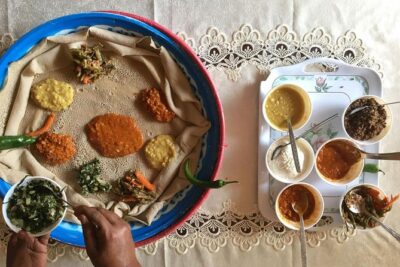
Market Tour and Cooking Class with a Coffee Ceremony at a Home in Addis Ababa
Read our review →
Ethiopian Cooking Class and Coffee Ceremony with a Local in Addis with transfers
Read our review →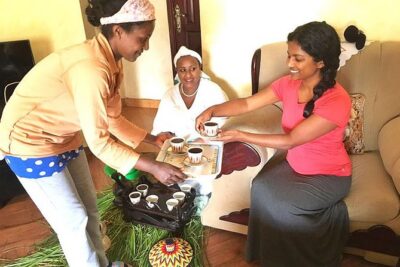
Unique Ethiopian Cooking Class and Coffee Ceremony with a Local in Addis Ababa
Read our review →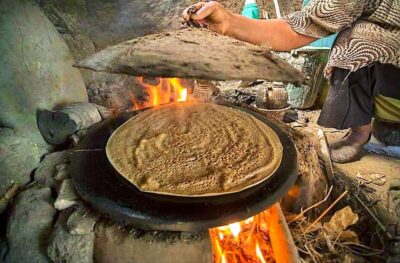
Browse the lists this tour appears in