
Reviewed · COOKING CLASSES
Addis abeba Full Cooking class.
This experience is interesting because it strings together Addis Ababa street life, museum time, and real cooking in a local home kitchen, all in a tight 4 hour window. Two things I like a lot are learning injera from scratch and then actually tasting what you make, and getting hands-on help with the Ethiopian coffee ceremony. One thing to keep in mind is the day moves quickly, so if you prefer slow, scenic sightseeing, you might feel a bit rushed.
You will meet your guides in Addis Ababa, and the vibe is small group and personal. For example, Abraham and Selam are the names tied to the cooking and coffee side of the experience, and you may also meet a guide like Reta on the city portion. The market stop and museum visit are great context for why these foods matter, but they also mean you will be on your feet part of the time.
Key Highlights Worth Prioritizing
- 3-day fermented injera batter for that signature slightly sour flavor
- Three injera colors: white, brown, and red, plus learning the baking method
- Shiro wot practice by working with spicy puréed chickpeas
- Coffee ceremony with freshly roasted beans, made with help from your host
- Shola market and the National Museum, including Lucy’s famous hominid fossils
- Small group (up to 7) so questions do not get lost in a crowd
From Airport Pickup to Shola Market: Addis in 4 Hours
The day starts with the kind of setup that makes landing in Addis Ababa feel easier. You get picked up from the airport or your hotel, and a guide meets you with banners showing your name so you do not waste time hunting people down. You then drive into the city, with a quick stop at Shola market, where thousands of sellers run their daily business.
Shola market is not a neat, curated stop. It is real commerce. Expect lots of movement, noise, and colors, and plan to take your photos with patience. This is one of those places where you will understand Ethiopian food more quickly, because you see how ingredients and daily life connect.
The tour also includes city exploration on the way to the next major stop. That matters, because you are not just sitting in a kitchen for four hours. You are getting context, and you are learning the rhythms of Addis. If you have limited time, like a short layover, this structure is efficient without feeling like a checklist.
Practical tip: wear comfortable shoes. The market and museum portions can involve standing and walking more than you expect, and you will want your feet to be on your side.
More from Addis Ababa to consider
Lucy at the Ethiopian National Museum, Then Off to a Local Home Kitchen
After the market, you head deeper into Addis for cultural context. The highlight here is a visit to the Ethiopian National Museum, where you can see the famous hominid fossils of Lucy.
This museum stop is not just a famous name. It gives you perspective, because you will be reminded that Ethiopia is tied to world history in a way that goes way beyond food. It also sets a tone that feels appropriate for the cooking part of the day. Cooking in Ethiopia is not only about taste. It is also about tradition, patience, and community.
One practical drawback: museum time can vary depending on how fast you move and how much you want to read. You do not need to rush, but you should keep your schedule mindset. This tour is designed to finish back at the home kitchen for cooking and coffee, so there is a time rhythm you cannot ignore.
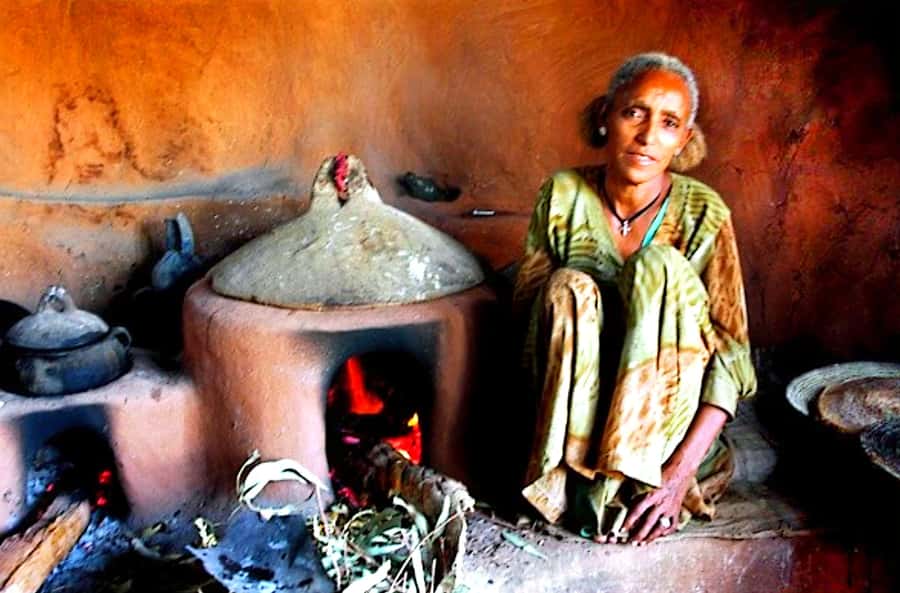
When you leave the museum, you transition from public Addis to a neighborhood kitchen. That shift is part of the charm. You go from a landmark city stop to an intimate setting where Abraham and Selam help you cook, taste, and learn in a way that feels less like a class and more like being welcomed.
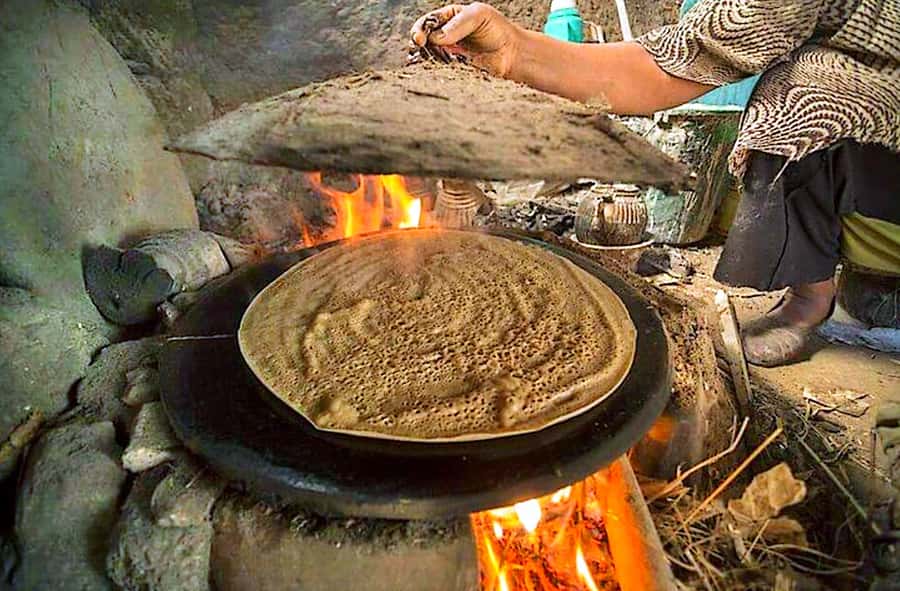
Injera Baking Lesson: Fermented Batter and Foam-Textured Results
Injera is the centerpiece of the Ethiopian table, and this class teaches you how it is made rather than treating it like a finished product. You learn to bake injera in a local home kitchen, with your hosts guiding you step-by-step.
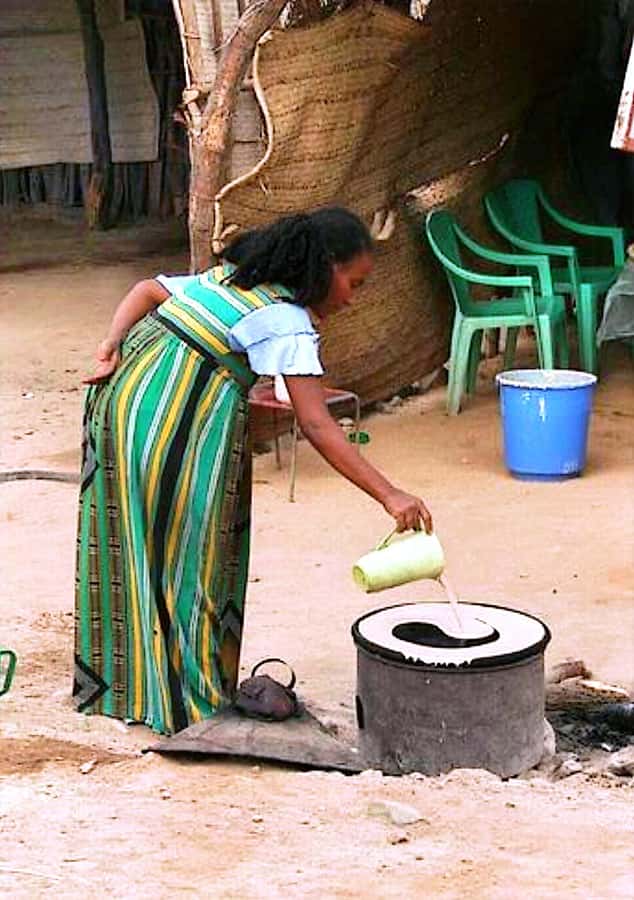
Here is what makes this lesson special. The dough for injera is fermented for three days before cooking. That fermentation is not a vague tradition. It directly affects the texture and the flavor, including that slightly sour taste injera is known for. You are not just learning a recipe. You are learning the logic behind the recipe.
You also learn injera comes in three colored varieties: white, brown, and red. That is not a decorative detail. Color connects to ingredients and technique, and it gives you a clearer picture of why Ethiopian cooking looks the way it does on a plate.
What you will likely notice during the baking process is that injera is less like typical Western pancakes and more like a foam-textured flatbread. The cooking surface, the batter, and the timing all matter. When you see it being made up close, you start to understand why the texture holds stews and sauces so well.
If you have never worked with fermented batter before, do not worry. The point of a small-group class is that you can ask questions and get corrections. And because you are cooking in a home kitchen environment, the pace tends to feel human instead of industrial.
One thing to consider: since you learn by doing, you will likely get flour or batter on your clothes. Dress for that reality. Comfortable, washable layers are your friend.
Shiro Wot Cooking: Spicy Chickpea Purée You Learn by Touch
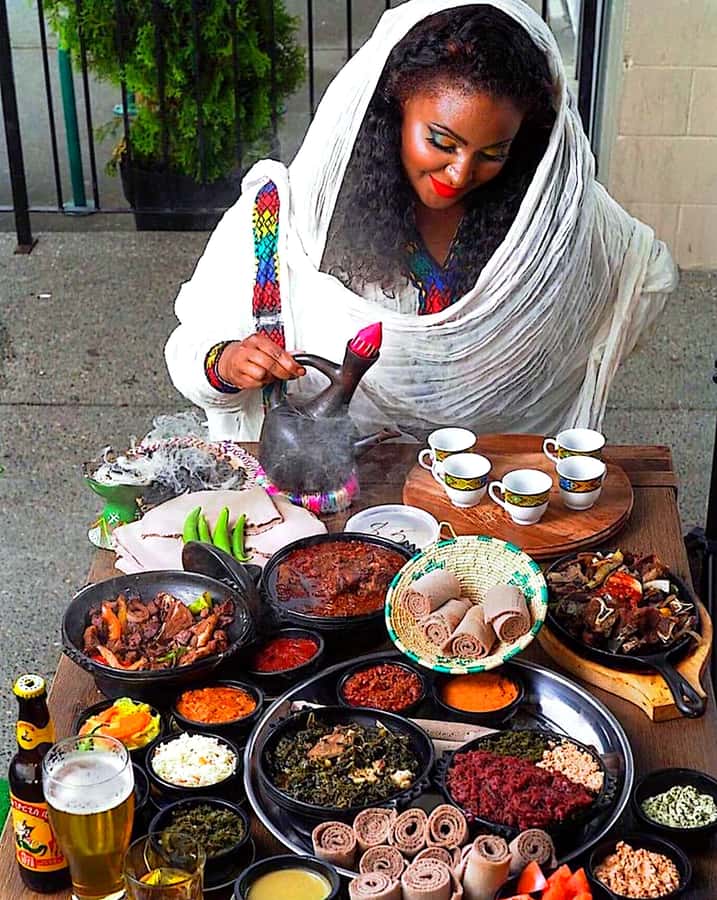
After injera, the class moves into food that Ethiopians eat often and with big flavor. You cook Shiro wot, a popular Ethiopian stew made from spicy puréed chickpeas.
This step is valuable because it shows how Ethiopian seasoning does more than add heat. Spices, aromatics, and texture are doing the work. Shiro wot is a stew you can eat with injera because the bread acts like a utensil. Once you learn the stew texture, you understand how the whole meal fits together.
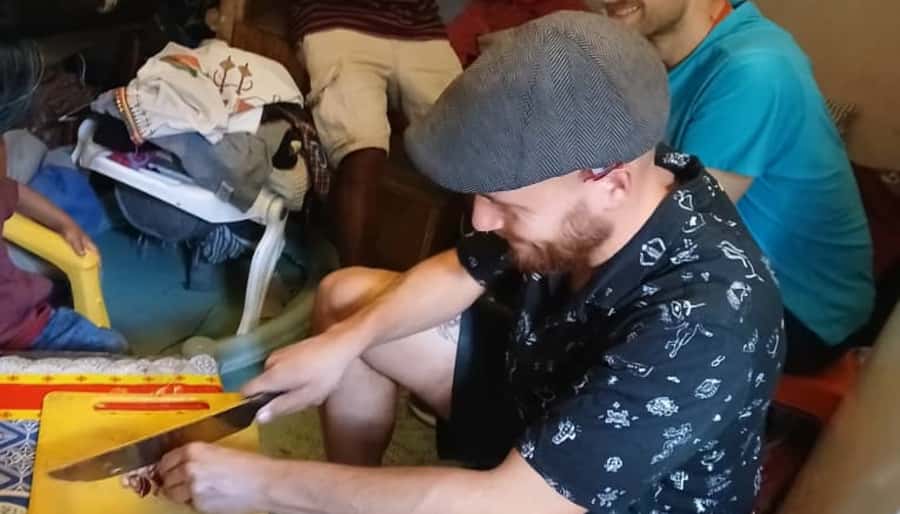
In a real teaching kitchen, you are not just watching. You cook side by side with your host and guide. That means you get a feel for what the purée looks like as it thickens, and you learn when to stop cooking, when to adjust seasoning, and how to build the stew so it pairs with injera.
A good takeaway for you: if you want to recreate this later, pay attention to consistency. Stews like shiro wot are often about thickening and balancing spices, not just boiling chickpeas and calling it done.
Once cooking is complete, you taste your own food. That is one of the biggest reasons this class feels worth it. You do not have to imagine the result. You get the proof, right there, in the same setting where you worked.
Something steadier after Addis Ababa:
- Full Day Tour of Addis Ababa with Hotel Pickup and Drop-off
★ 5.0 · 430 reviews - Taste of Ethiopia
★ 5.0 · 406 reviews - Day Trip From Addis Ababa See Historical Monastery,Stunning Nature,Animals,Birds
★ 5.0 · 303 reviews - Addis Ababa: Debre Libanos, Blue Nile Gorge, and Cave Tour
★ 4.5 · 256 reviews
Coffee Ceremony With Freshly Roasted Beans
Then comes Ethiopian coffee, and this is where the day gets calm in a different way. You learn how to make Ethiopian coffee using freshly roasted coffee beans with the help of your host.
Coffee in Ethiopia is not treated like a quick caffeine download. In a ceremony setting, it is more about timing, attention, and participation. Even if you have seen coffee-making before, roasting and brewing in a traditional format changes how you experience the drink.
In this class, you do not just drink at the end. You learn the process. That means you see how aroma develops during roasting and how that carries through into the final cup.
You should also think of coffee here as part of the meal, not a separate add-on. The stew and injera give you savory comfort. The coffee resets your palate, and it closes the circle on the theme of hands-on food culture.
Practical tip: if you are sensitive to caffeine, plan for that before you book. This is a coffee-focused portion of the class.
Lunch, Tasting, and What Your Plate Teaches You
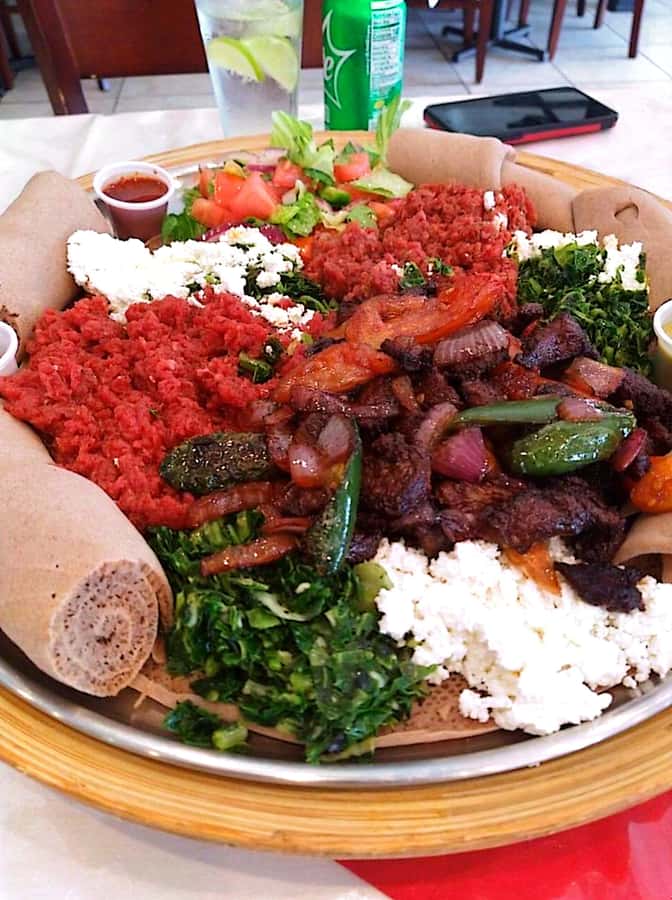
The class includes lunch, and tasting your own cooking is a core part of the experience. This is not just a lesson where someone else makes everything and you sample a small bite. You bake injera, you cook shiro wot, and then you eat what you helped create.
That matters for two reasons.
First, you learn what injera and stew are supposed to taste like together. Injera is lightly sour and flexible. Shiro wot is spicy and thick. Together they create a balance that you only fully understand after you taste the combo.
Second, you get immediate feedback. If your injera is thinner or thicker than expected, you feel it while eating. If your stew needs more seasoning, you notice it right away. That is the kind of learning you cannot get from a cookbook alone.
Another detail worth noting is that the class is designed for a small group, limited to 7 participants. In a group that size, you are more likely to get real conversation and quick help when something goes off track.
If you have dietary needs, the tour data does not spell out alternatives. Ethiopian cuisine often includes spices and chickpeas. So if you have serious allergies, you should contact the provider before booking.
Price and Value: Is $90 Fair for This Much Culture?
At $90 per person, this class is not the cheapest thing you can do in Addis Ababa. The honest question is: what are you getting for your money?
Here is what is included:
- Airport or hotel pickup and drop off
- Lunch
- Full cooking classes for injera and shiro wot
- Coffee ceremony class
- Entrance fee
- A small group setup, limited to 7 people
- Live guide in English or French
When you add that up, the value starts to make more sense. You are not just paying for a recipe. You are paying for transportation, guide time, museum entrance, and a hands-on cooking and tasting experience in a local setting.
A possible trade-off is that some people feel the price could be lower. That is reasonable to consider, especially if you are budgeting tightly. But if you are only in Ethiopia briefly and you want an authentic, practical experience rather than only sightseeing, $90 for four hours with pickup, lunch, and instruction can feel like a fair deal.
One smart way to judge it for yourself: if you would otherwise spend similar money on a museum ticket plus a meal plus a tour guide, this class bundles those parts into one coherent day. It is focused, not random.
Who Should Book This Cooking Class, and Who Should Skip It
This tour is a good fit if you:
- want a hands-on way to understand Ethiopian food, not just watch
- like small group experiences where you can ask questions
- are interested in both Addis city context and food culture
- have limited time and still want something meaningful, like a layover day
It is less ideal if you:
- need a slower pace with lots of free time
- do not do well with being on your feet for market and museum visits
- have mobility or stamina concerns, since the itinerary includes city stops and walking
The tour is also noted as not suitable for people over 95 years. If you are traveling with someone in that age range, you should consider other options.
Also, alcohol and drugs are not allowed. If you are planning any celebrations, plan them outside the tour window.
For what to bring: comfortable shoes, warm clothing, and a camera. Warm clothing is especially practical because you will spend time outdoors during pickup and city exploration.
Should You Book the Vowland Ethiopia Full Cooking Class?
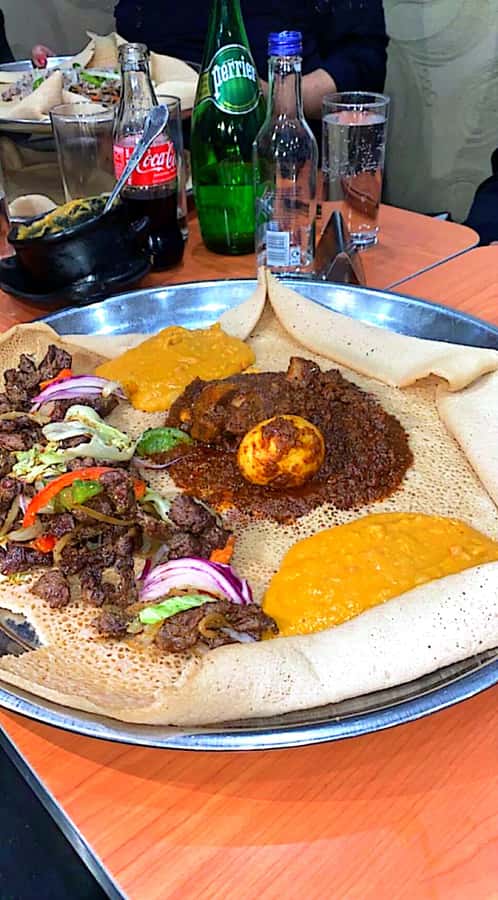
If you want a day that mixes real Addis life with real cooking, book this class. It is practical, hands-on, and structured so you leave with more than memories. You leave with the taste and texture of injera, the method behind shiro wot, and the experience of coffee made with freshly roasted beans.
I would book it especially if:
- you want an authentic home-kitchen setting with hosts like Abraham and Selam
- you value small group learning and tasting what you made
- you want museum context, including Lucy at the Ethiopian National Museum, without adding extra days
Before you go, double-check that the itinerary pace works for you. Four hours sounds short, but this one packs the important ingredients in tightly: market, museum, cooking, coffee, and lunch. If you are okay with that rhythm, this is a high-impact Addis activity with real payoff.
FAQ
How long is the Addis Ababa full cooking class?
The experience lasts 4 hours.
Where does the pickup happen?
You can be picked up from the airport or from your hotel. The guide is waiting with banners showing your name.
What Ethiopian dishes are you taught to make?
You learn how to bake injera and how to cook shiro wot. You also learn to make Ethiopian coffee.
Is lunch included?
Yes, lunch is included.
Do you visit any specific sights during the day?
Yes. You visit Shola market and the Ethiopian National Museum to see Lucy’s famous hominid fossils.
What languages are the live guides available in?
The live tour guide is available in English and French.
What should I bring, and is anything not allowed?
Bring comfortable shoes, warm clothing, and a camera. Alcohol and drugs are not allowed.
Newly reviewed in Addis Ababa
- Addis Ababa City Tour★ 4.5 · 3 reviews
- Full Day Addis Ababa City Tour with Hotel Pick Up And Drop Off★ 5.0 · 3 reviews
- 2 days trek around Lalibela★ 5.0 · 3 reviews
- Day Trip Around Addis Ababa★ 5.0 · 3 reviews
- Northern Ethiopia (Historic route)★ 5.0 · 3 reviews
- Addis Layover Tour of Mercato With Airport pick up & drop off★ 5.0 · 3 reviews
- Day Tours around Addis Abeba, Melka Kunture and Adadi Mariam★ 5.0 · 3 reviews
- Day Trip From Addis Ababa To Debre Ziet★ 5.0 · 3 reviews
Cooking Classes, compared.
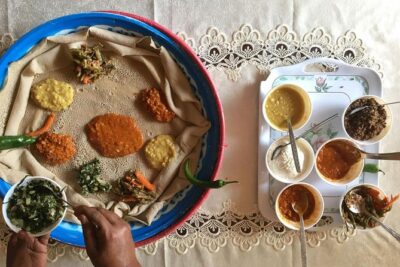
Market Tour and Cooking Class with a Coffee Ceremony at a Home in Addis Ababa
Read our review →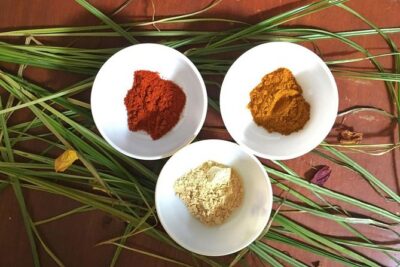
Ethiopian Cooking Class and Coffee Ceremony with a Local in Addis with transfers
Read our review →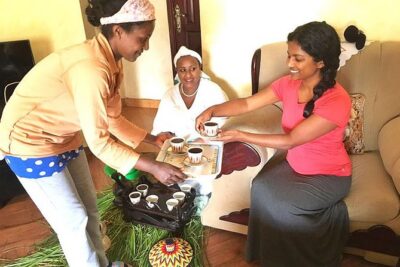
Unique Ethiopian Cooking Class and Coffee Ceremony with a Local in Addis Ababa
Read our review →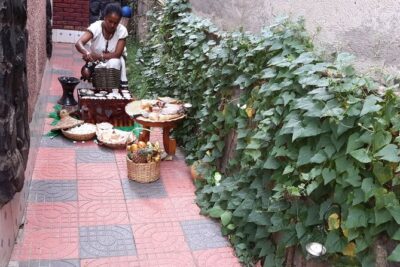
Private Ethiopian Home Cooking Class in Addis Ababa with Transfer
Read our review →Browse the lists this tour appears in