
Reviewed · PRIVATE DRIVERS
Authentic Addis Ababa Experience with Local Guide & Driver
This private day in Addis Ababa is interesting because it mixes big landmarks with everyday city life, all guided by someone who knows the shortcuts and the context. You get National Museum highlights early, then swap to street-level Ethiopia at Mercato and on the hills of Entoto.
I especially like two parts: I love how the National Museum sets human history in front of you with Lucy and other early hominid finds, and I love that the market stop is not just a drive-by photo moment. You also get real cultural rhythm, like tasting coffee and experiencing Orthodox traditions in major churches.
The main drawback to plan for is that it is a packed day, with time spent walking through markets and then climbing up to high-altitude Entoto. Bring comfortable shoes, and if you are sensitive to heights, go slowly when you reach the viewpoints.
Key highlights you’ll feel immediately
- Lucy and early hominid fossils at the National Museum of Ethiopia
- Orthodox sites with imperial tombs, including Holy Trinity Cathedral and (depending on the route) Bata Mariam Church
- Mercato’s massive scale, across miles of stalls and thousands of vendors
- Entoto views at 3,400 meters, tied to Emperor Minilik II’s old palace and camp
- Textiles at Shiro Meda Market for wedding dresses, fabrics, and everyday clothing
- Pottery work by Ethiopian Women Pottery, with notes that it can be closed on Sundays and public holidays
National Museum of Ethiopia and the Lucy moment

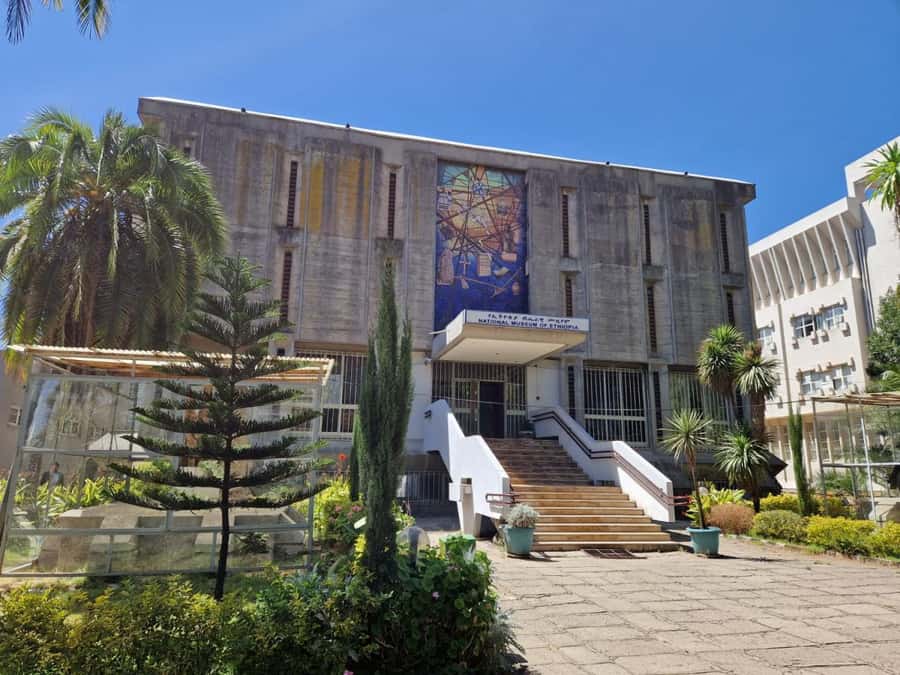
The day starts with one of Addis Ababa’s easiest “worth the time” decisions: the National Museum of Ethiopia. If you care about where the story of humans begins, this stop gives you that anchor fast, instead of scattering your attention across the city.
You’ll spend about an hour here, which is a good match for real touring. You are not just looking at artifacts, you are also learning how early archaeological finds connect to the famous Lucy fossil and other hominid remains displayed at the museum.
One practical tip: treat this as the place to get oriented. When you hit the churches and markets later, you’ll understand people’s pride and history more clearly if your brain is already tuned to Ethiopian deep time and heritage.
More from Addis Ababa to consider
- Private Ethiopian Home Cooking Class in Addis Ababa with Transfer
★ 5.0 · 5 reviews - Car Rental with Private Driver
★ 5.0 · 5 reviews - Bole Airport Transfer
★ 4.0 · 5 reviews
Orthodox Addis Ababa, from Bata Mariam to Holy Trinity Cathedral
Ethiopian Orthodox Christianity is not a side topic in Addis. It shows up in architecture, imperial memory, and the way families pass on stories, which is why this church stop feels like a core chapter of the day.
The tour experience is built around visiting major Orthodox sites, with Holy Trinity Cathedral in the standard route and Bata Mariam Church listed as the other major option. Holy Trinity Cathedral was built in 1942 to commemorate Ethiopia’s victory over Italian occupation, and inside you can see tombs of Emperor Haile Selassie and Empress Menen Asfaw, plus other imperial family members.
If your route includes Bata Mariam Church, that stop brings another kind of intensity. It is associated with burials of Emperor Menelik and his wife and daughter, and the tour description highlights an original painting by Michelangelo on display there.
A simple way to get more out of this hour: ask your guide to point out what connects the building to the imperial story. Even if you only catch a few key details, it changes the photos from “pretty church” to “this is why it matters.”
Addis Mercato, the open-air market that runs on real life

After the museum and church time, Mercato shifts the pace. This is the big open-air market stop, described as the largest open-air market in Africa, with an estimated 13,000 people working through thousands of business units.
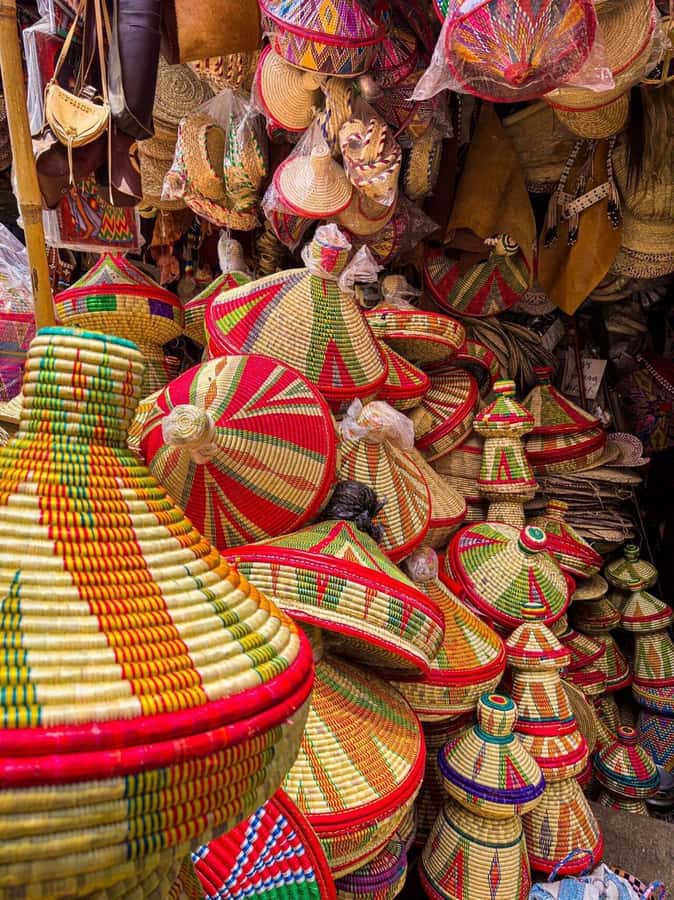
What I like about this part of the tour is that you get help making sense of the sprawl. Markets like this can feel overwhelming fast if you are on your own, but with a local guide you can aim your attention: incense and coffee, spices, jewelry, baskets, pottery, leather goods, and even recycling-related items.
Mercato is also where the day turns from “history you see” into “culture you watch.” You’ll get a feel for how commerce and daily routine overlap, and you’ll likely see sellers doing their jobs the same way they always do.
One consideration: plan to move at market speed. Even when you are not shopping, your feet and your patience will get tested. If you hate crowds, tell your guide early so they can steer you through the easiest flow.
Local café and coffee tasting that actually teaches
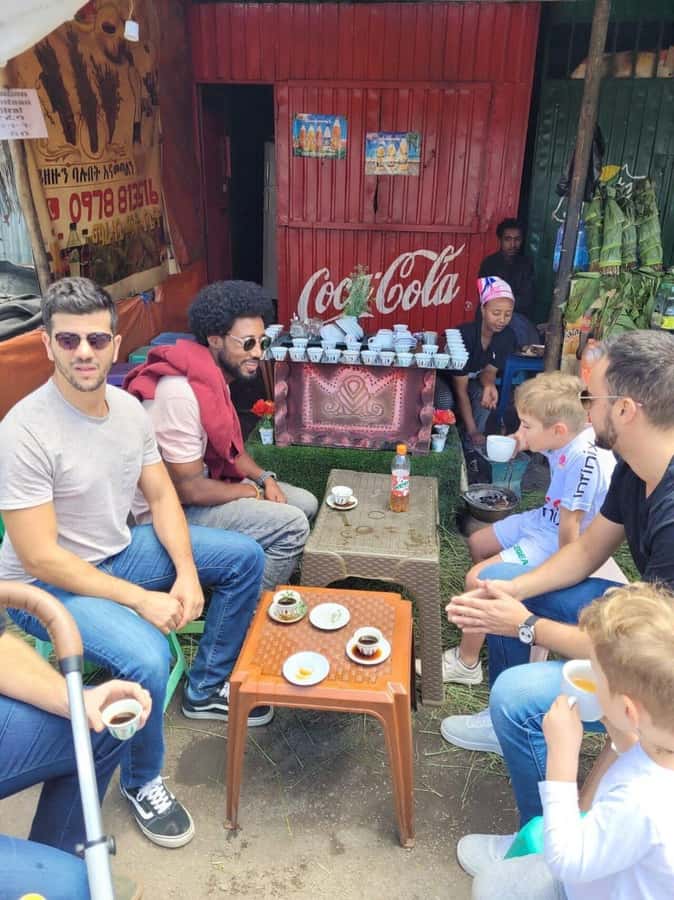
Between the museum and the markets, you get a coffee break with tasting time. The tour includes coffee, and the coffee tasting is set for about 30 minutes.
This is one of those “small” stops that can end up being one of your favorites. Ethiopian coffee culture is tied to hospitality and routine, so tasting it with context helps it land beyond the novelty of trying a new drink.
If you want to shop later for textiles or pottery, coffee time also gives you mental energy. You’ll be back in motion soon, and a clear head helps you enjoy Mercato instead of just surviving it.
Something steadier after Addis Ababa:
- Full Day Tour of Addis Ababa with Hotel Pickup and Drop-off
★ 5.0 · 430 reviews - Taste of Ethiopia
★ 5.0 · 406 reviews - Day Trip From Addis Ababa See Historical Monastery,Stunning Nature,Animals,Birds
★ 5.0 · 303 reviews - Addis Ababa: Debre Libanos, Blue Nile Gorge, and Cave Tour
★ 4.5 · 256 reviews
Lunch planning, because it is not included
Lunch is not included in the tour price, but you will have time for a lunch break at a local restaurant. The tour description notes that there is a wide variety of choice, and if you have allergies you should let the team know so they can guide you toward safer options.
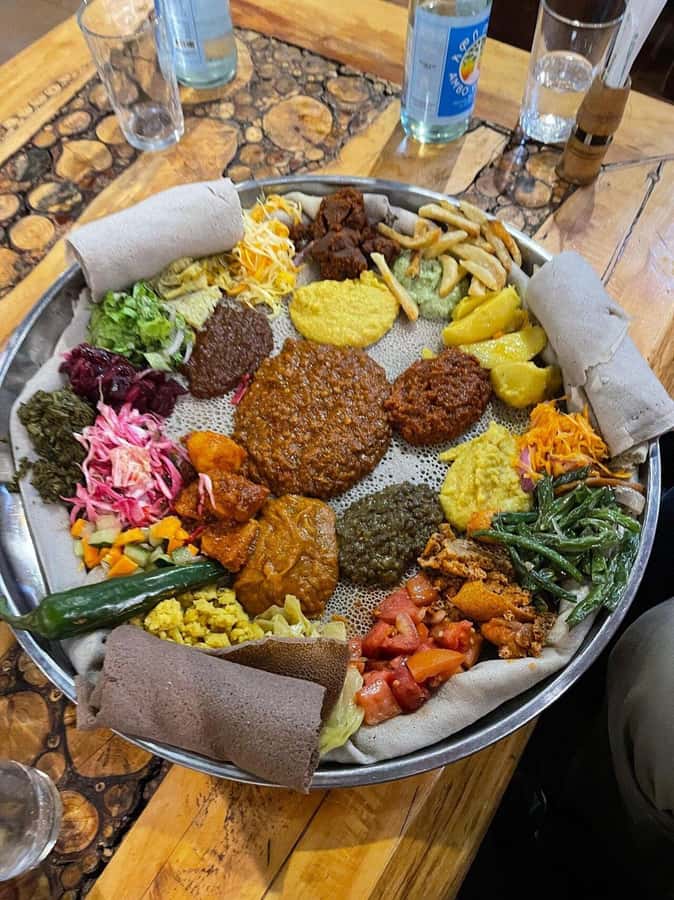
Here’s how I’d handle this as a traveler who likes to avoid surprises. Decide what you want from lunch: comfort food, a first try at traditional dishes like injera-based meals, or something lighter. Then tell your guide what you prefer before you sit down.
Also, since the day is structured, don’t treat lunch as a long linger. It is a reset, not a full extra outing.
Mount Entoto, panoramic views at 3,400 meters
Entoto is the “top of the day” stop, and it comes with real altitude. The park is situated at about 3,400 meters, and it is connected to the permanent camp and palace of Emperor Minilik II.
The main payoff is the panoramic view of Addis Ababa and the surrounding countryside. This is where your photos start looking like postcards, but it also gives you practical understanding of the city’s layout and its hills.
Consider the altitude seriously, even if you are fit. Move slowly on the way up, sip water, and don’t stack too many climbs in one day if you feel lightheaded. Your driver and guide can usually keep the pacing sensible, and you will feel safer doing it with a local plan.
If you want a photo strategy, go for one “wide view” moment early, then enjoy the second round at a calmer pace. The first minutes at the viewpoint can be cold and windy, and your second pass will often be better light.
Shiro Meda textiles and Ethiopian Woman Pottery stops
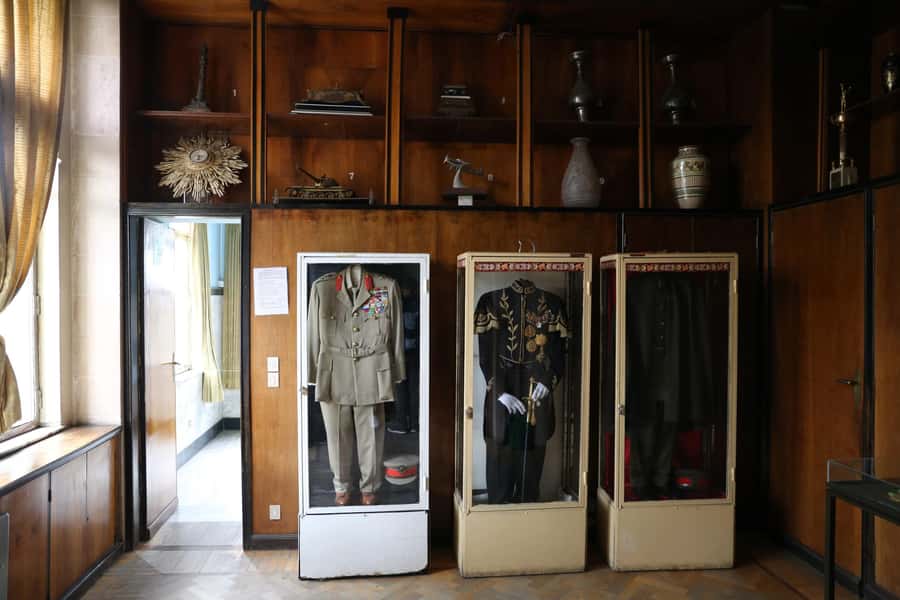
If your route includes the additional market and craft stops, they add a lot of texture to the day. Shiro Meda Market is described as the place for Ethiopian textiles in all forms, from wedding dresses to clothing, linens, and fabrics.
This is the point where you can turn what you learned about culture into something you can hold. Even if you do not buy, browsing helps you understand what “Ethiopian style” actually looks like in everyday items, not just special occasions.
Ethiopian Woman Pottery is another valuable stop because it is work-based, not just a showroom. The tour description says women in low classes have priority to work there, and that they mash and prepare fine clay, so you get to see how materials become objects.
Important practical note: Ethiopian Woman Pottery is closed on Sunday and public holidays. If your visit falls on one of those days, you should ask your guide what will replace that stop or how they will adjust the timing.
Village house visit: daily life, coffee ceremony, and local drinks

One of the most memorable parts of this kind of tour is the village house time. The experience is described as sharing a unique moment with a family to discover Ethiopian lifestyle, with options to taste very local homemade brewing beer or moonshine or take part in a coffee ceremony.
This is not a museum setting. You are stepping into a real home rhythm, which means things move at a human pace. It can feel more personal than the big sites, and your guide’s role is crucial here, helping bridge language and cultural expectations.
If you drink alcohol, decide your limits before you go. And if you prefer to focus only on coffee, you can do that too. The key is to communicate early, so you get the experience you actually want.
How the private guide and driver make the day worth it
For me, the value of a private day like this is not only “you get a guide.” It is that you get someone who keeps the schedule realistic and helps you avoid common mistakes.
The tour includes a private guide and a private driver, plus hotel or airport pickup and drop-off, and entrance fees. It also includes bottle water and coffee, so you are not spending your mental energy on basic supplies all day.
In practice, the guide is also your translator for context, and that matters especially at the Orthodox sites and when you are walking into markets. Guides on this tour have shown strong performance with language and with keeping guests comfortable, with examples like Getahun speaking French well and guides such as Alex noted for being hands-on with photos and pacing.
Safety is part of the equation too. Reviews emphasize feeling safe and well taken care of, and having a professional driver matters in a city where traffic and routes can be stressful if you are unfamiliar.
Price and value: $75 for a full day with entrance fees
At $75 per person for a 7-hour private tour, the best question is: what are you paying for besides transport?
You are paying for a private guide, a private driver, entrance fees, coffee, and water, plus pickup and drop-off. Lunch is not included, so you will still budget for that, but the major “time sinks” are handled.
This is especially good value if you care about not missing key stops. The day is designed to cover museum time, major church time, a big market experience, and the high viewpoint at Entoto, which is hard to line up on your own without local help.
It also tends to be a smart move if you are a solo traveler. One reason is flexibility. The tour experience is built around private touring, and multiple accounts highlight that the guide can adjust pacing and keep things comfortable.
If you are traveling with family or a group, discounts may be available, which can make the per-person value even stronger.
Who should book this Authentic Addis Ababa day
This tour is a great fit if you want a strong first taste of Addis Ababa and you like real structure. You get history, religion, markets, viewpoints, and everyday home life in one day.
You’ll also enjoy it if you like photo-friendly pacing but hate feeling rushed. People who prioritize safety and comfort often find that a private driver plus a local guide turns “big city exploring” into something calmer.
This may be less ideal if you want a slow, meandering day with lots of free time. The schedule is packed, and Entoto’s altitude means you need to keep your pace steady.
Should you book Authentic Addis Ababa with a local guide and driver?
If you want to experience Addis Ababa with confidence, I think it is an easy yes. The combination of Lucy at the National Museum, Orthodox sites with imperial tombs and major religious meaning, and the massive Mercato market gives you both depth and texture.
Book it if:
- You want a guided day with entrance fees handled.
- You care about real context, not just photos.
- You are okay with walking and a full schedule, plus a high-altitude viewpoint.
Hold off if:
- You want minimal walking and a very relaxed pace.
- You are extremely sensitive to altitude and prefer to skip Entoto.
FAQ
What is the duration of the tour?
The tour duration is 7 hours.
Is lunch included in the price?
No. Lunch is not included, though you will have a lunch break at a very local restaurant.
What is included in the tour?
Entrance fees, a private guide, a private driver, hotel or airport pickup and drop-off, coffee, and bottle of water are included.
Which languages will the live guide speak?
The live tour guide speaks Amharic, English, French, and Spanish.
What are the main stops during the day?
You can expect the National Museum of Ethiopia, an Ethiopian Orthodox Christian church stop (either Bata Mariam Church or Holy Trinity Cathedral), a coffee tasting, Addis Mercato, and Mount Entoto.
Is the pottery stop available every day?
Ethiopian Woman Pottery is closed on Sundays and public holidays.
Can I request help if I have food allergies?
If you have allergies, you should let the team know so they can guide you toward suitable options at lunch.
Newly reviewed in Addis Ababa
- Addis Ababa City Tour★ 4.5 · 3 reviews
- Full Day Addis Ababa City Tour with Hotel Pick Up And Drop Off★ 5.0 · 3 reviews
- 2 days trek around Lalibela★ 5.0 · 3 reviews
- Day Trip Around Addis Ababa★ 5.0 · 3 reviews
- Northern Ethiopia (Historic route)★ 5.0 · 3 reviews
- Day Tours around Addis Abeba, Melka Kunture and Adadi Mariam★ 5.0 · 3 reviews
- Addis Layover Tour of Mercato With Airport pick up & drop off★ 5.0 · 3 reviews
- Day Trip From Addis Ababa To Debre Ziet★ 5.0 · 3 reviews
Private Drivers, compared.
Private Ethiopian Home Cooking Class in Addis Ababa with Transfer
Read our review →

Browse the lists this tour appears in