
Reviewed · FULL-DAY
Full Day lalībela church’s tour
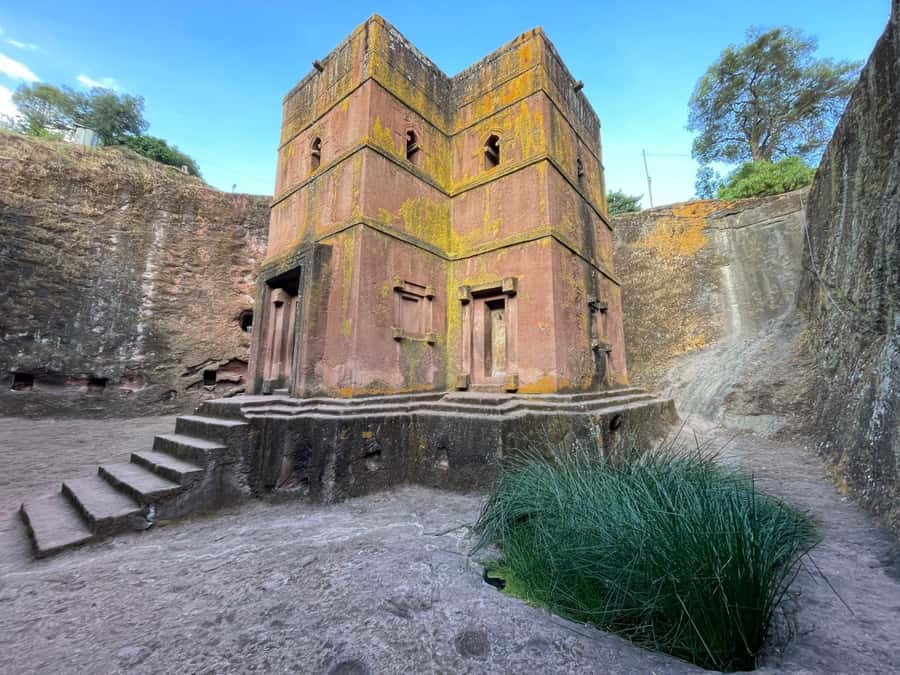
Lalibela is the kind of place where you look at a cliff and then realize people carved a whole religious world out of it. This full-day circuit focuses on 11 rock-hewn churches built under King Lalibela, in the 12th and 13th centuries, when the area was the Zagwe dynasty capital.
I really like two things about this experience. First, you get a guided walk through the church groups across Lalibela, including the cross-shaped St. George. Second, your guide helps you connect the buildings to the living local community, not just the stonework.
One drawback to consider is that you will do real walking on uneven ground, and the trip also has extra costs waiting for you at the churches (entrance fees are not included).
Key things to know before you go
- 11 churches in a single day, including St. George and the big monolithic church highlight
- Guided orientation on King Lalibela and the Zagwe era, so the sites make sense fast
- City walking plus Ethiopia coffee, not just a photo stop and run
- Pickup either at Lalibela Airport or the church ticket office, depending on where you start
- Women’s headscarf requirement for visiting Lalibela churches
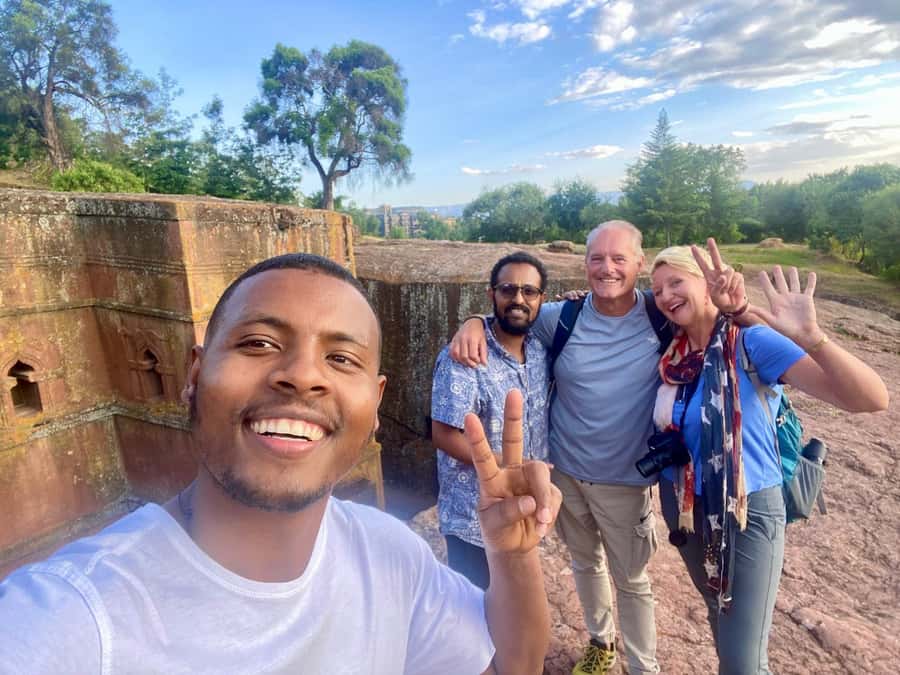
- English guide with good pacing, and multiple guides are noted for being punctual and professional
Lalibela in one full day: 11 churches carved out of rock
If you have only one full day in Lalibela, this tour is built for that exact goal. You start with an overview of the area, then you work through the eleven medieval monolithic churches carved into the mountain rock. People often call it the eighth wonder of the world, and even if you have heard the line before, the scale still surprises you when you are standing there.
What makes Lalibela special is not just that the churches exist. It is that there are so many churches in the Lasta Region, yet finding eleven of this craftsmanship in one compact area is exceptional. The tour also frames the story: the buildings are attributed to King Lalibela, and they are dated to his reign during the 12th and 13th centuries, when Lalibela (then known as Roha) served as the capital of the Zagwe dynasty.
For me, the best part of a guided day here is the sense of sequence. You are not just wandering. You are learning how these sites connect, spatially and spiritually, across the complex.
More from Lalibela to consider
- Lalibela Full Day Guided Tours With Hotel & Airport Pickup
★ 5.0 · 8 reviews - Full Day Tour To The 11 Rock Hewn Churches Of Lalibela
★ 5.0 · 5 reviews - Lalibela: Churches Full-Day Private Tour w/Coffee Ceremony
★ 4.7 · 5 reviews
Pickup, pacing, and how the day actually feels
Your day begins with pickup from Lalibela Airport, and the tour description also lists an alternate pickup point at the Lalibela Church Ticket Office. A representative greets you at the airport holding a sign with your name, then your guide takes over and transfers you into town to your hotel.
From there, the day is paced around short breaks, photo stops, walking, and guided time in the churches. You should expect scenic views along the way and a sunset moment at the end of the main visiting period. The schedule is built so you can see a lot without feeling like you are only sprinting between entrances.
You will also include a walking tour in the city and a stop for Ethiopia coffee. That matters more than it sounds. After hours among rock-hewn sanctuaries, the city walk gives you human scale, plus context for how people live around the site you came to see.
Stop by stop: how the 11 churches are grouped
Lalibela’s rock-hewn churches are often described in clusters, and this tour follows three groups. That grouping is a practical way to understand the complex, especially if you want the names and the layout to stick.
The main cluster near the general view
You begin with the central set that many visitors use as their orientation. In this group you will visit:
- Biet Medani Alem (House of the Saviour of the World)
- Biet Mariam (House of Mary)
- Biet Mascal (House of the Cross)
- Biet Denagel (House of Virgins)
- Biet Golgotha Micael (House of Golgotha Michael)
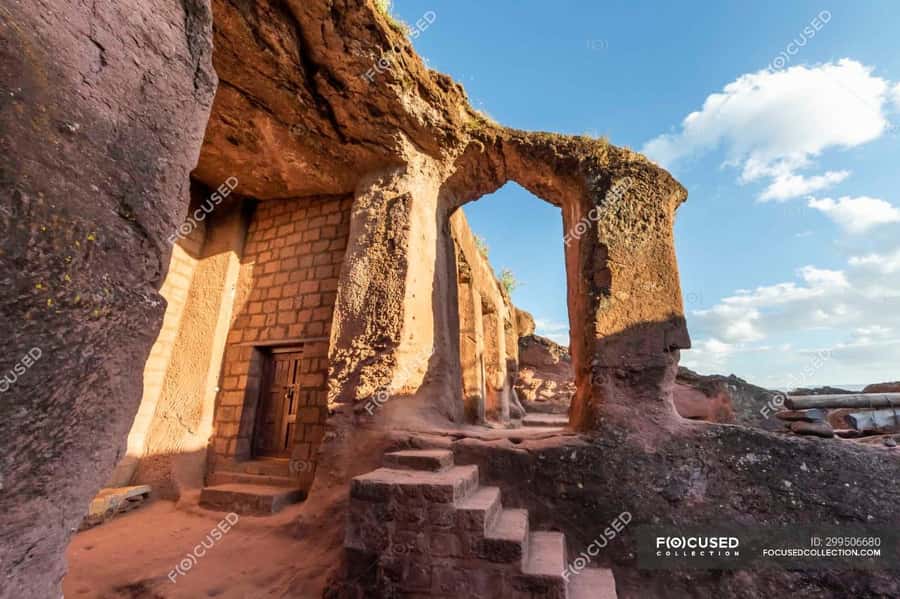
This is where you get a feel for the overall “language” of the architecture. Look closely at how the rock becomes both structure and setting. Even if you are not a technical architecture person, you will start noticing the craftsmanship that earned these churches the reputation as engineering feats, not just carvings.
Something steadier after Lalibela:
- Visiting Lalibela churches
★ 5.0 · 40 reviews - Visit the rock hewn churches
★ 5.0 · 39 reviews - Tour 11 monolithic rock churches & museum in Lalibela & cave church with mummies
★ 5.0 · 37 reviews - Lalibela, Axum, Danakil and Omo Valley 8 DAYS
★ 5.0 · 29 reviews
The southern churches
After the first set, the tour moves you into the southern churches:
- Biete Amanuel
- Biete Qeddus Mercoreus
- Biete Abba Libanos
- Biete Lehem
- Biete Gabriel-Rufael
This segment helps break up the day so it does not become one long march through similar spaces. You will likely feel a shift in perspective as you move through different parts of the complex, and that makes the maze-like feel of corridors and passages easier to understand.
The final church area
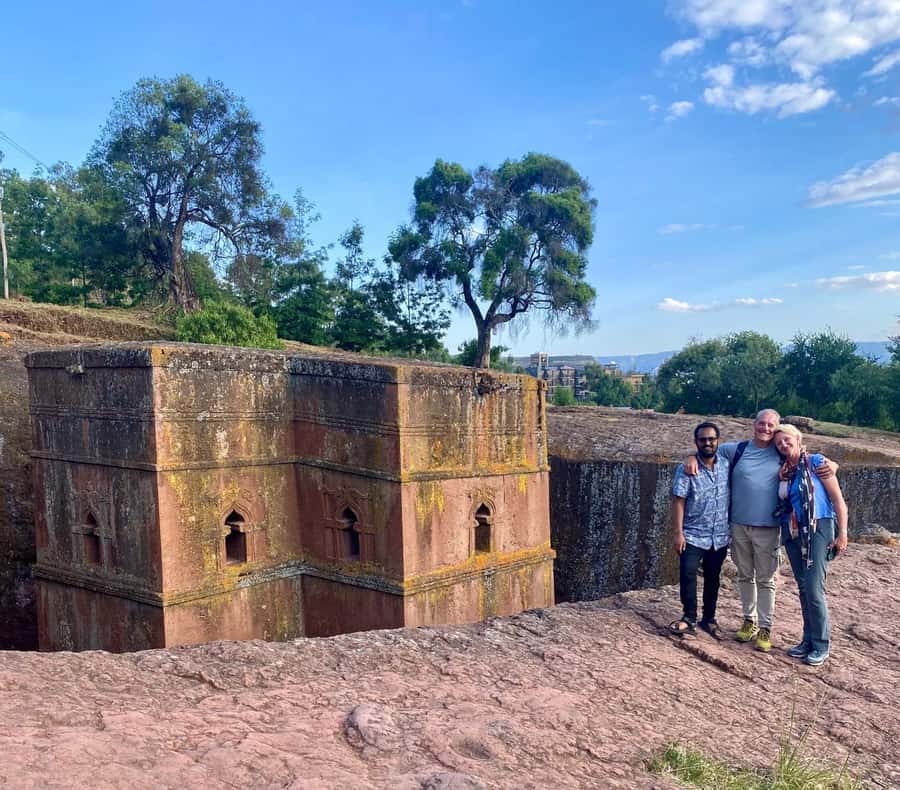
The tour then finishes with the last church in the third group: Bete Georgia. In a day designed to cover all eleven, this final stop is important because it gives you a sense of completion. You are starting to connect the full site instead of treating each church like a separate island.
The highlight moments: St. George and the big monolithic church
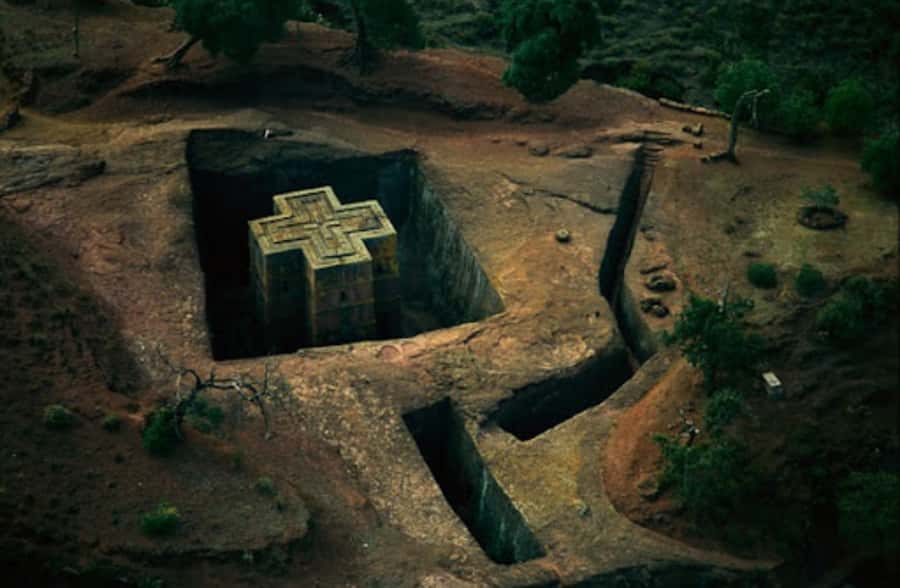
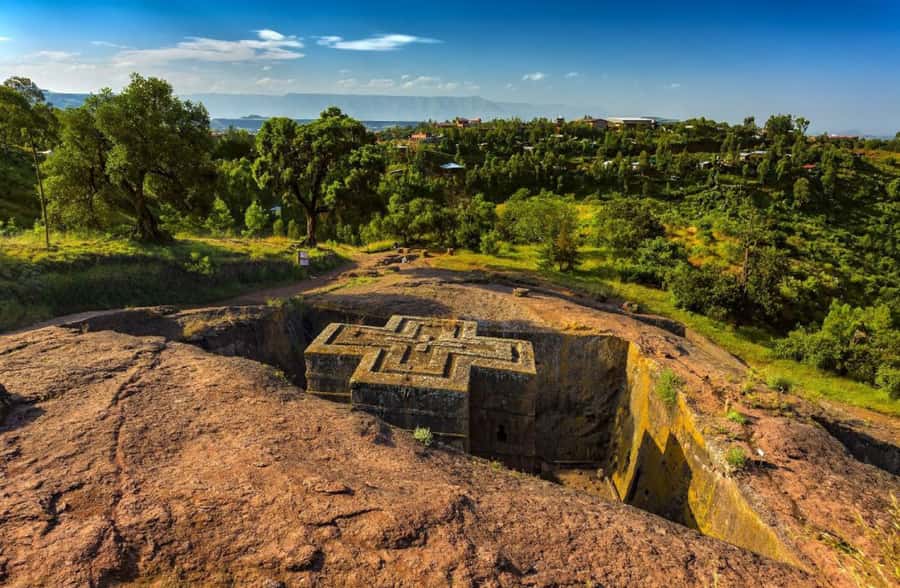
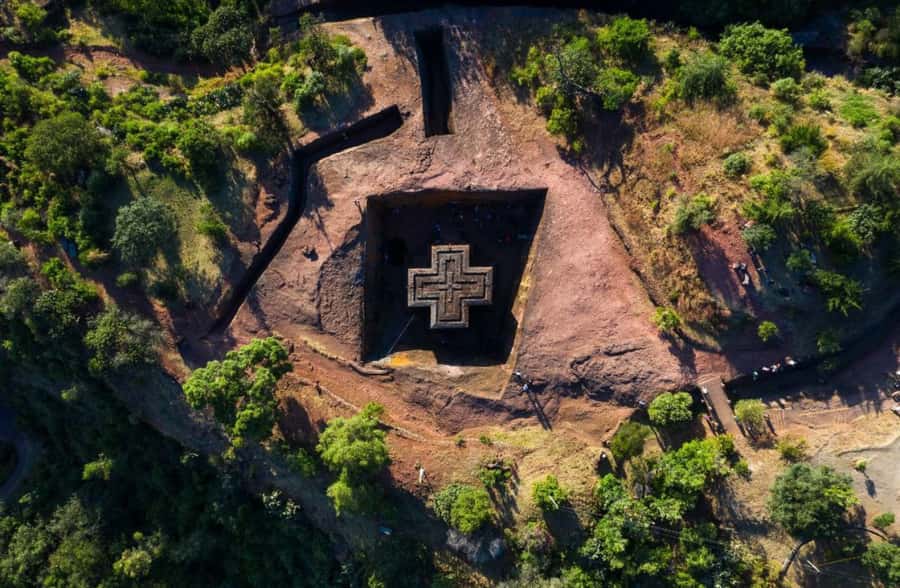
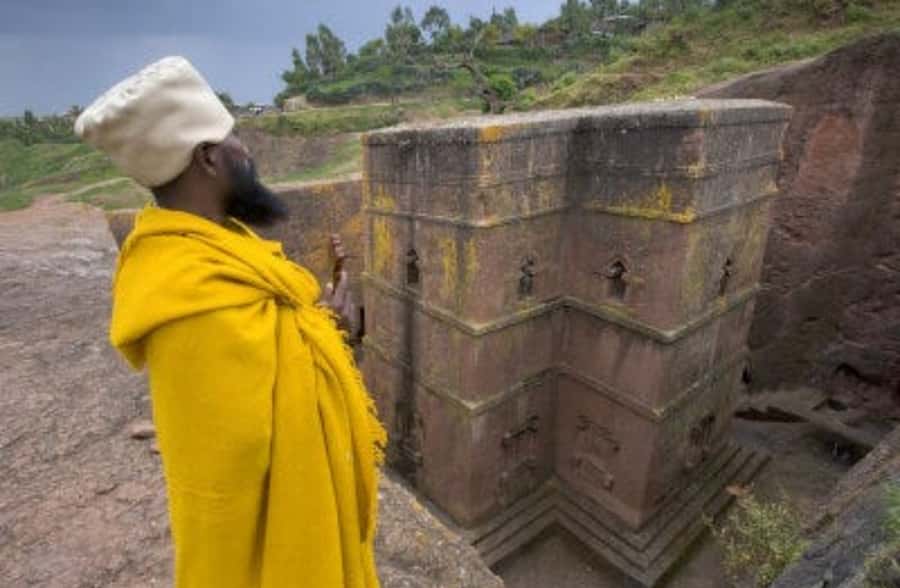
Two highlights are called out in the tour description. One is the cross-shaped St. George church. The other is the largest monolithic church highlight, described as the largest monolithic church in the world, plus the maze of passageways.
Even without obsessing over superlatives, these are the moments that help you understand why people take notes and take photos. The cross-shaped design gives you a clear visual anchor. And when you step into the larger, passage-heavy spaces, you feel the scale of the stonework and the planning behind how people move through the structures.
The guide is the difference: English, timing, and real context
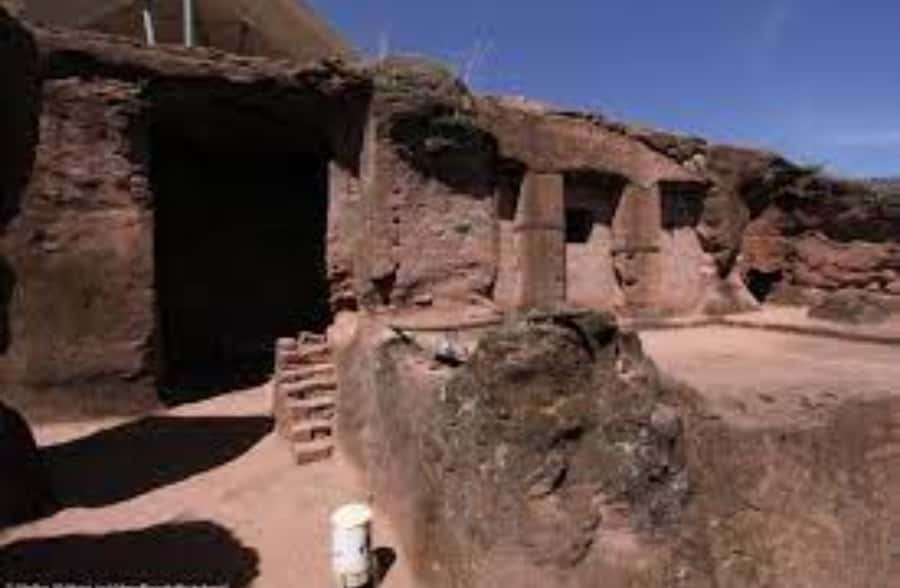
This tour includes a speaking English guide, and that is a big deal in Lalibela. The churches are old, complex, and easy to misread if you only look and photograph. With an English guide, you can tie what you see to the story of King Lalibela and to the idea that Lalibela was Roha during the Zagwe dynasty era.
I also pay attention to how guides pace the day, because in a place like this, rushing can flatten the experience. In the reviews tied to this tour, two guide names come up in a positive way: Temesgen and Mas. Temesgen is praised for being a great guide and a great photographer, and Mas is noted for punctuality and professional English, plus a style described as not rushing.
One review adds an interesting detail that is worth keeping in mind: Mas reportedly spread the church complex over two days rather than forcing everything into a single hammer-time schedule. That tells me the best version of this experience happens when your guide can adjust pacing to your interests and energy.
The walking tour and coffee stop: small parts that help the day click
It is tempting to treat Lalibela as a “churches only” destination. This tour avoids that trap by including a city walking tour plus Ethiopia coffee.
Why does that matter? Because you are spending a full day focused on stone sacred spaces, but the real context lives around them. A city walk helps you get oriented fast, and coffee time gives you a natural pause that keeps the day from getting exhausting or purely logistical.
Also, photo breaks are part of the rhythm. You are not just driving up, entering, and leaving. You are getting moments to step back, breathe, and reset your eyes.
Practical value and price: what $102 buys you, and what it does not
The price is $102 per person for an 8-hour full-day tour. On paper, that can look like a simple sightseeing rate, but the value comes from what is included: airport pickup and drop-off, hotel pickup and drop-off, transportation with fuel, an English-speaking guide, government tax, and Ethiopia coffee. You also get a walking tour in the city.
Where people often get surprised is what is not included. The Lalibela churches entrance fee is listed as not included, along with gratuity. Domestic flights and accommodation without meals are also not included, so you will need to budget those separately if you are bundling your trip.
So, is $102 worth it? Usually, yes, if you want the day organized, the guide to translate context, and all transfers handled. If you already have a driver and you plan to self-guide, the price may feel steep. But Lalibela is one of those places where learning what you are looking at can change the whole day.
What to bring and what rules can trip you up
Lalibela has a few clear practical needs, and it is smart to pack for them ahead of time.
Bring comfortable shoes, camera, comfortable clothes, and cash. You are also advised to bring a change of clothes and biodegradable sunscreen. If the day runs to sunset and you will be out in bright conditions, sunscreen and clothing comfort help a lot.
For women visiting the Lalibela churches, you must bring scarfs to cover your head. This is not optional in the way some religious sites can be flexible. Plan for it so you do not have a stressful scramble at the entrance.
Not allowed is alcohol and drugs. Keep that in mind if you are thinking of bringing anything to “celebrate” during downtime.
Also note the tour is listed as wheelchair accessible. That said, the nature of Lalibela means surfaces can be uneven, so you will still want to think about comfort and mobility when you evaluate the tour for your own needs. The tour is not suitable for babies under 1 year and people over 95 years, based on the provided restrictions.
Reviews, reality checks, and how to avoid the one bad day
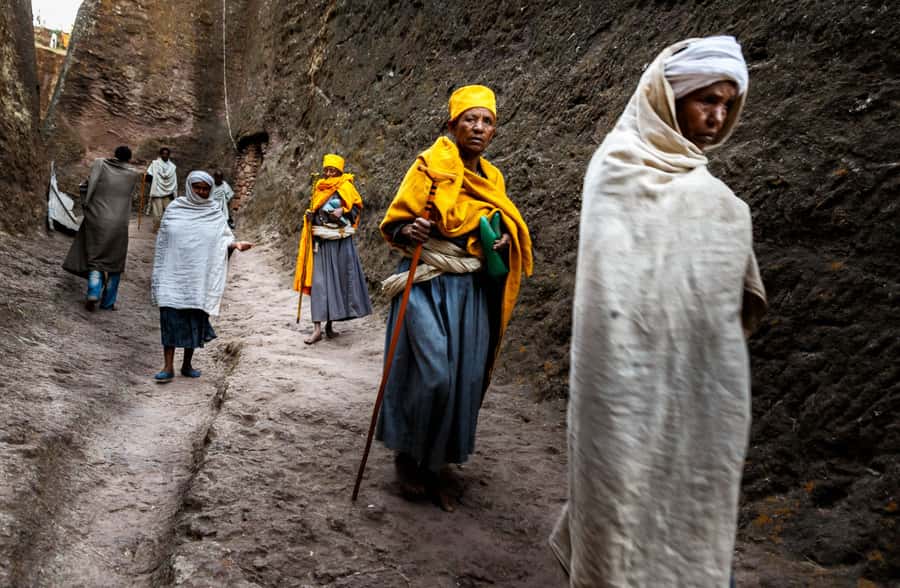
The rating shown is 3.8 based on six reviews, which is a mixed bag, not a guaranteed slam dunk. Most comments are strongly positive, especially about guide skill, friendliness, English, punctuality, and photography help. Temesgen and Mas both get name checks, and that is a good sign because it suggests real consistency in guide quality.
But one review is a warning: a guest reported that they booked and no one arrived, calling it the worst experience and advising not to reserve. Even though that is only one report, it is enough to treat pickup seriously.
Here is how I would protect yourself. Before you go, confirm exactly where your representative and guide will meet you, and be ready at the pickup point on time. The good news is that the tour description does explain a clear airport pickup process, with a representative holding your name sign. Still, in the real world, miscommunications happen, so you want to double-check your details.
Cultural dinner in Addis Ababa, and what to verify
The tour highlights mention a cultural dinner in Addis Ababa and learning local traditions. However, the day plan you have for Lalibela focuses on the churches and city walking there.
Because that Addis Ababa dinner is not clearly tied to the same day in the provided description, your best move is to verify directly what is included for your booking dates. If it is part of your package, great. If not, it is still useful information so you do not build expectations on something that might be separate.
Should you book this full-day Lalibela churches tour?
Book it if you want an organized day, with an English guide who helps you connect the stonework to King Lalibela’s story and the Zagwe dynasty era. You will also like it if you value the human touches like city walking, photo breaks, and Ethiopia coffee, not just checking eleven churches off a list.
Skip it or plan carefully if entrance fees are a deal-breaker for your budget, since the churches entrance fee is not included. Also think twice if you are sensitive to uneven walking, and if you need extra mobility support, because Lalibela is not flat ground.
If you do book, prepare well: comfortable shoes, cash, camera, scarf for women, and a bit of patience with timing. With guides like Temesgen or Mas, this tour can be one of the best ways to see Lalibela in a single day without feeling lost in the maze of rock.
FAQ
Where does the tour pick me up?
You can be picked up from Lalibela Airport or from the Lalibela Church Ticket Office.
How long is the Lalibela churches tour?
The duration is 8 hours.
How much does the tour cost?
The price is $102 per person.
Are the Lalibela churches entrance fees included?
No. Lalibela churches entrance fee is listed as not included.
Do I get an English-speaking guide?
Yes. The tour includes a speaking English guide.
Is transportation included?
Yes. Transportation is included, and the car with fuel is part of what is provided.
Is airport pickup included?
Yes. Airport pickup and drop off are included. You will be met by a representative holding a sign with your name at Lalibela Airport.
Is there anything women travelers need to bring for the churches?
Yes. Women travelers must bring scarfs to cover their head.
What should I bring with me?
Comfortable shoes, change of clothes, camera, biodegradable sunscreen, comfortable clothes, and cash.
Is alcohol allowed?
No. Alcohol and drugs are not allowed.
Newly reviewed in Lalibela
- Lalibela 2-Day Eco Trekking Tour★ 5.0 · 3 reviews
- Full Day Tour in Lalibela★ 5.0 · 3 reviews
- Lasta Mountains: Highland Eco Trekking Tour in Lalibela★ 5.0 · 4 reviews
- Day Hike Around Lalibela★ 5.0 · 5 reviews
- Full Day Tour To The 11 Rock Hewn Churches Of Lalibela★ 5.0 · 5 reviews
- Lalibela churches Guided Tour★ 5.0 · 6 reviews
- The Rock-Hewn Churches of Lalibela: 3 Days / 2 Nights★ 5.0 · 6 reviews
- 3 Days 2 nights Lalibela & Yemrehana Krestos seightseeeing tour★ 5.0 · 6 reviews
Full-Day, compared.

Full Day Tour of Addis Ababa with Hotel Pickup and Drop-off
Read our review →
Addis Ababa City Tours Full Day With Hotel Pickup And Drop Off.
Read our review →
Browse the lists this tour appears in