
Reviewed · ADDIS ABABA CITY TOURS
Best of Addis Privet Guided city Tour
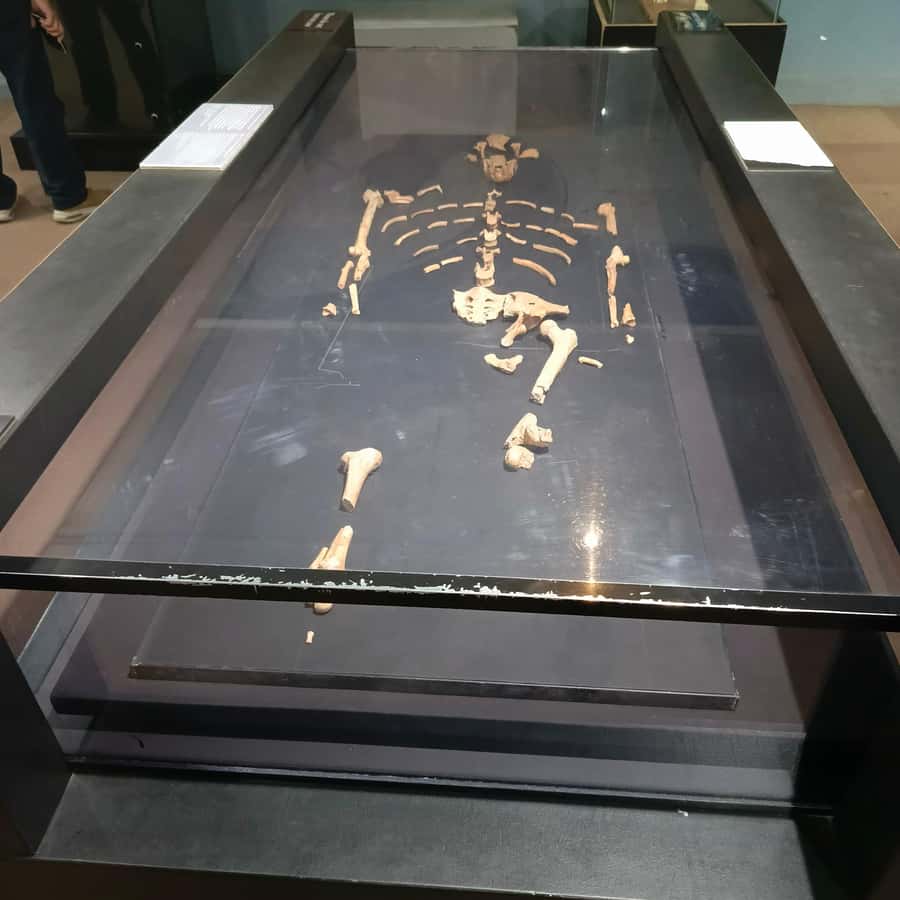
A small-group Addis Ababa tour like this is interesting because it packs Ethiopia’s key eras and daily life into one tight Mercato to museum to church to viewpoint route. I love the chance to see Lucy’s remains at the National Museum, and I also love how the route balances famous monuments with the kind of street-level scenes that help the city make sense fast.
The main thing to consider is that it’s a full 6 hours with walking and sun. It’s not a “sit and watch” day, and it also isn’t suitable for wheelchairs or mobility impairments, so go only if you’re comfortable on your feet in Addis heat.
Key points before you go
- Lucy at the National Museum: the big fossil highlight, paced so you can actually absorb what you’re seeing
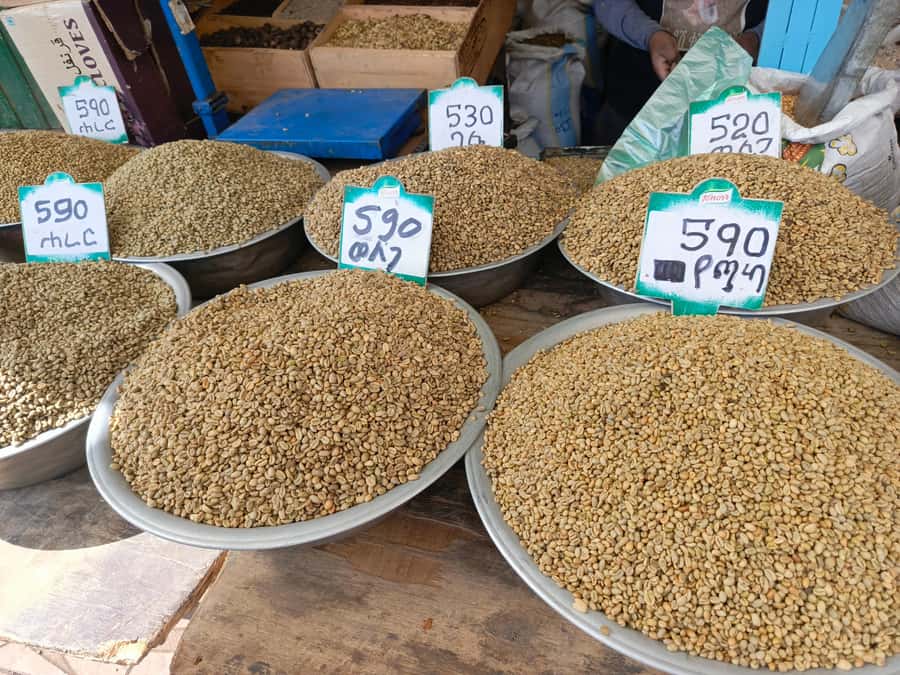
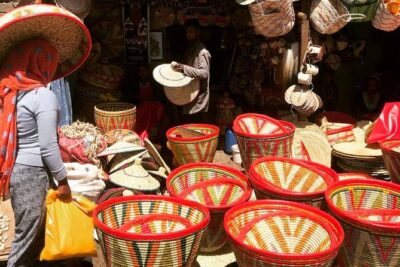
- Mercato, Addis’s open-air market: spices, handcrafts, and a real feel for local shopping rhythms
- Holy Trinity Cathedral and crowned history: a striking church connected to major Ethiopian royal moments
- Ethnological Museum in Haile Selassie’s former palace: cultural artifacts in a setting with political weight
- Lagar train station and coffee tasting: a historic rail site that turns into a calm pause with Ethiopian coffee
- Small group size (up to 5): easier conversations, quicker clarifications, and less time herding around
Where this tour really shines in Addis Ababa
This is the kind of half-day I think you should want when you first arrive: you get the overview early, then you’ll know what to chase later on your own. The route moves through big landmarks, but it also spends real time in the places where people live, buy, and pray. That mix is the value.
Two things consistently help this tour work well. First, you’ll have a live English guide, and the best part is how they connect the dots between objects and the people who made them. In the guide feedback, people specifically called out how friendly guides like Joe and Kenaw were, and how they made sure the planned stops were covered. Second, the day flows like a story: ancient human origins (Lucy), then religious and imperial Ethiopia (cathedral and museum), then everyday culture (Mercato), and finally a historic rail moment (Lagar).
The only “watch out” is physical. Addis has bright sun and uneven streets in places. Bring comfortable shoes, plan for shade breaks when you can, and keep water handy.
More ways to see Addis in a day:
- Addis Ababa Guided City Tour With Airport & Hotel Pick Up
★ 5.0 · 237 reviews - Full-Day Private City Tour of Addis Ababa
★ 5.0 · 147 reviews - Addis Ababa Authentic Private City Tour
★ 5.0 · 134 reviews
Bole pickup, then straight to the Mercato
Your day starts with pickup in Bole, and after that you’ll drive into the city. The first major stop is the Mercato, often described as one of Africa’s largest open-air markets. Even if you’ve seen busy markets elsewhere, this one has its own personality: lots of motion, strong smells from spices, and stacks of goods that make you want to ask questions.
You’ll get a guided tour plus time to roam. That matters, because Mercato is one of those places where having context changes everything. Instead of just “buying stuff,” you’ll start to recognize patterns: what people are selecting, how shoppers interact, and how handcrafts are presented. There’s also a break built into the schedule, which helps because the market experience can wear you down if you power through without resting.
My practical tip: wear shoes you can walk in for hours. Also, if you’re buying anything, take a few minutes just to compare before you commit. In a market this size, the first price you hear isn’t always the last word.
Churchill Avenue and the Menelik statues and landmarks
After Mercato, the tour shifts from the open-air chaos into the monuments and streets where you can slow down and read the city. You’ll pass by landmarks and see statues connected to King Menelik, and you’ll also have time for sightseeing and walking.
A big reason this section works is that the guide is there to explain what you’re looking at. Monuments can feel like background decoration unless someone connects them to Ethiopian history and power centers. Here, you’re setting up the mental map you’ll use for the rest of your visit.
You’ll also go along Churchill Avenue, with cafes and shops along the way. Even if you don’t stop for coffee here, it’s a useful contrast to Mercato. Think of this as the transition from “everyday street Ethiopia” to “official and cultural Ethiopia.”
Holy Trinity Cathedral: 1911 built, royal moments inside
Next up is Holy Trinity Cathedral in Addis Ababa. You’ll have an admission component and time for a guided visit and walk-through.
This church matters for two reasons. One, it’s visually striking, so it’s easy to remember even after the day ends. Two, it’s connected to major Ethiopian royal events, including the moment when King Haile Selassie and Queen Zewditu were crowned in this church. When you connect that kind of event to a specific building, the architecture stops being just pretty stone. It becomes a place with a timeline.
Practical consideration: dress respectfully and keep your voice down. Places of worship often have rules, and photography may be allowed but you should follow local customs.
More from Addis Ababa to consider
- Full Day Tour of Addis Ababa with Hotel Pickup and Drop-off
★ 5.0 · 430 reviews - Taste of Ethiopia
★ 5.0 · 406 reviews - Day Trip From Addis Ababa See Historical Monastery,Stunning Nature,Animals,Birds
★ 5.0 · 303 reviews - Addis Ababa: Debre Libanos, Blue Nile Gorge, and Cave Tour
★ 4.5 · 256 reviews
National Museum of Ethiopia and Lucy’s remains
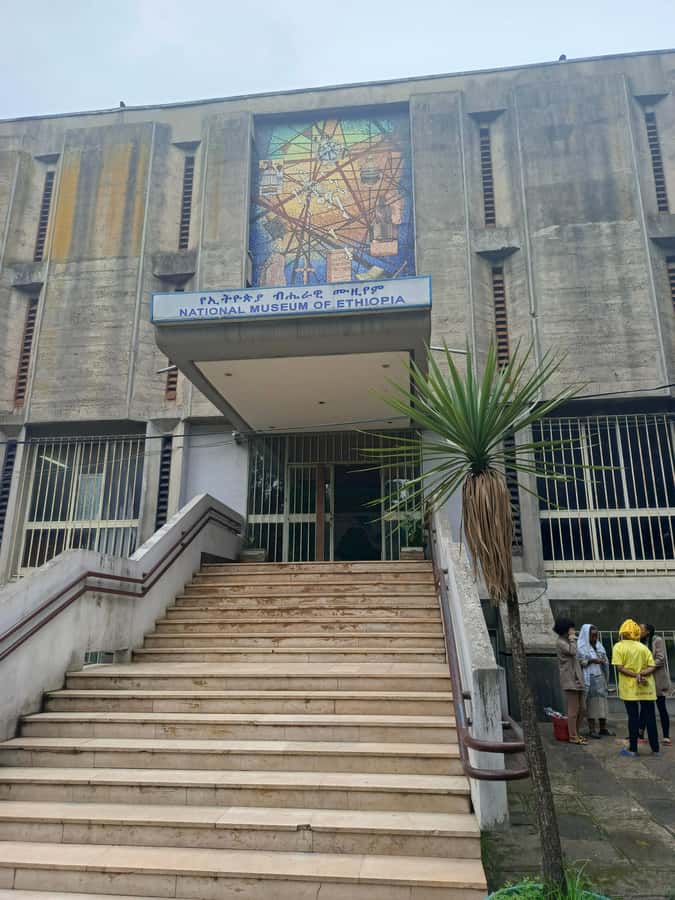
The centerpiece of the day for many people is the National Museum stop, because you’ll see the famous fossilized remains of Lucy, one of humanity’s best-known ancestral finds. The tour includes entry, and you’ll have about 40 minutes there, which is short enough that you won’t get lost, but long enough that your guide can point out what to look for.
Here’s what makes this stop valuable for your trip. It anchors Ethiopia in human history, not just Ethiopian history. When you later see old churches, museums, and imperial stories, you’ll remember that Ethiopia is tied to deep time. Lucy gives you that perspective in a very direct way.
My advice: at the start of the museum time, follow the guide’s first route. If you try to wander immediately, it’s easy to miss the key displays your guide is trying to show you. Use those first minutes to get oriented, then circle back if you want.
Ethnological Museum: Haile Selassie’s former palace as a setting
After the cathedral, you’ll visit the Ethnological Museum, housed in Emperor Haile Selassie’s former palace. That detail is more than trivia. It helps the artifacts feel less like “objects in glass” and more like cultural evidence living in the spaces where power once operated.
You’ll learn about Ethiopia’s cultural heritage through artifacts that represent different traditions. This is where you start to understand that Ethiopia isn’t one single culture with one single style. It’s a patchwork of peoples and practices, and the museum helps show that breadth with a guided explanation.
If you’re short on time on this trip: this museum is one of the best places to get context without needing a full museum day. The guide’s pacing keeps you focused on what matters most.
Mount Entoto viewpoint time
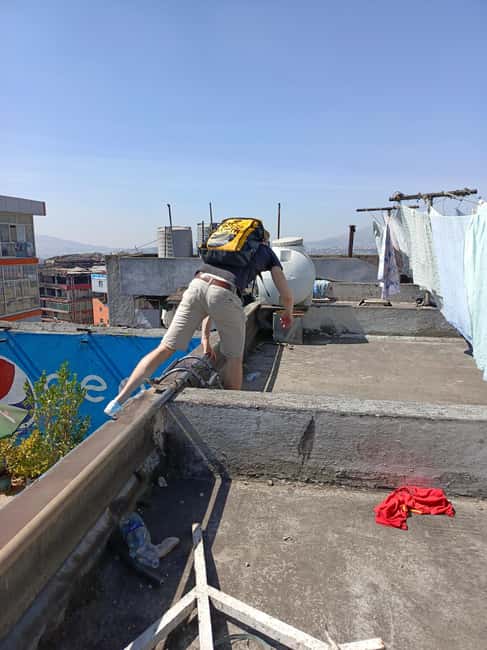
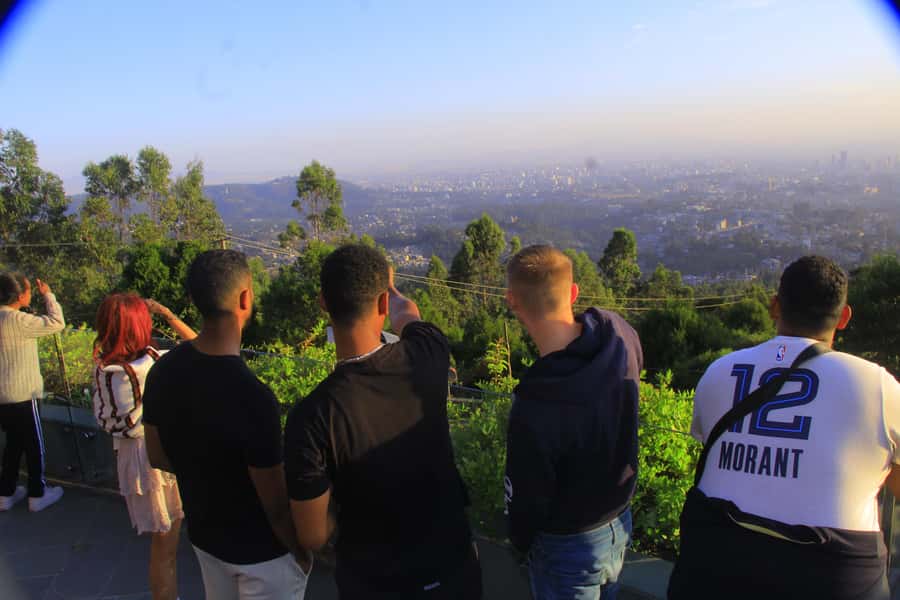
Then you’ll head toward Mount Entoto for another about 1 hour of sightseeing. This is the portion that turns the day from “indoors and monuments” to “outdoors and perspective.”
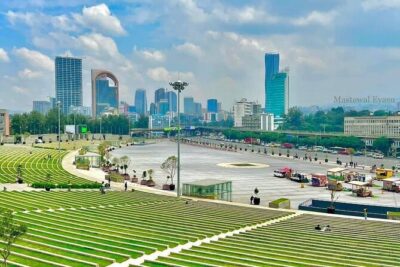
Even if the view isn’t perfect, the purpose is still the same. You’re getting altitude and a wider sense of the city’s shape, which helps you make sense of where your future plans fit in. Addis can feel confusing on day one, and viewpoints reduce that mental fog.
Practical tip: bring sun protection. The tour prompts a sun hat and sunscreen, and they’re there for a reason. If the light is intense, you’ll enjoy the viewpoint more with protection.
Lagar train station and Ethiopian coffee tasting
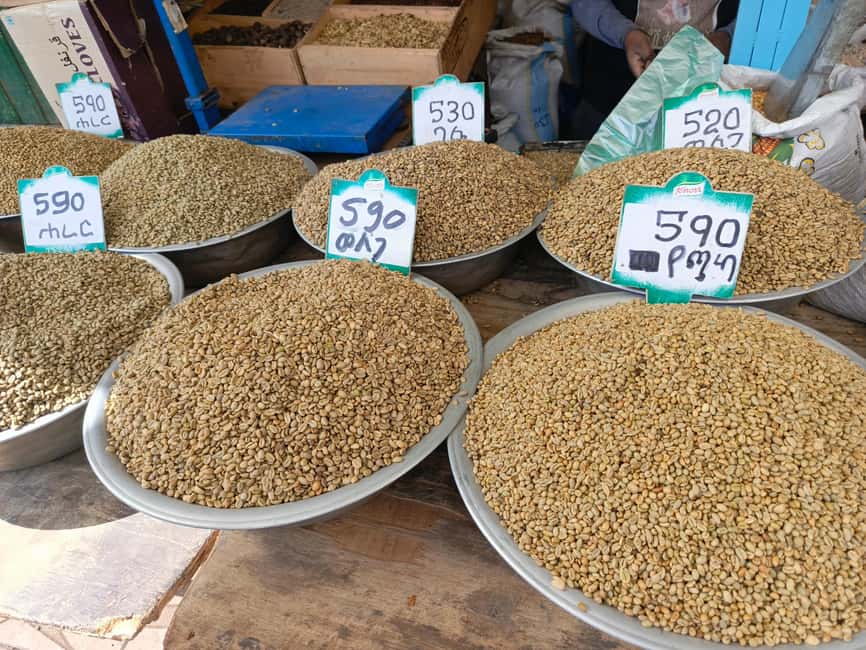
The final named highlight on this route is the Lagar train station. The key historical point here is that it was the first railway connection between Addis Ababa and Djibouti, made by the French and Ethiopian in 1917. That connection makes Lagar feel like a “hinge moment” in regional history.
But the tour makes it practical too. You’ll stop here for coffee tasting. Ethiopia is famous for coffee ceremonies, and the tour’s coffee moment gives you a relaxed finale that doesn’t require you to chase dinner right away. You’ll taste the coffee at a place tied to a major transportation milestone, which makes the experience feel more layered than just “drink coffee, done.”
My suggestion: treat the coffee stop as your reset. Hydrate, slow down, and let the day settle. If you’ve walked all morning and afternoon, this pause can be the difference between a tiring day and a memorable one.
Food and local rhythm: what to do after the tour
Meals and drinks are not included, so you’ll likely want to plan food after the tour. The day itself includes a coffee tasting at Lagar, and the overall route also includes time at Mercato and around Churchill Avenue where you can see how people eat and snack.
Because you’re in Addis with an informed guide, you’ll be in a good position to ask what local dishes are worth ordering. The tour experience also mentions the chance to taste Ethiopian cuisine, which usually means you’ll be thinking about foods like injera and spicy stews as your “next step” dinner plan.
Practical tip: if you’re hungry right after the tour, grab something simple first. You want a meal that doesn’t overwhelm you after a long walking day.
Price and value for a 6-hour, up to 5 person group
At $51 per person for a 6-hour tour, this is priced in a way that makes sense for what you get: guided visits, multiple entry fees, and a guided city loop that covers several major sites without you needing to research each one.
The value comes from three buckets:
- You pay for guidance through places that are otherwise hard to read quickly, especially Mercato and the museum stops.
- You get paid time at major sites, not just driving past them. The day is structured so the time on foot is meaningful.
- Your entrances are covered, including the National Museum, Holy Trinity Cathedral, Mercato tour time, and the Ethnological Museum, plus coffee tasting at Lagar.
Small groups matter here. With a maximum of 5 participants, you’re not stuck waiting behind crowds to ask questions. Based on the feedback about guides like Joe and Kenaw, the best moments tend to happen when you can ask follow-ups and get straight answers.
Who this tour fits best
This tour is a smart match if you:
- want a fast big-picture Addis overview on day one
- enjoy museums and history, but also want street-level life at Mercato
- prefer a guide who explains what you’re seeing, not just taking you from stop to stop
- want a manageable day with a 6-hour time box and a small group
It’s not a good fit if you:
- need wheelchair access or have mobility impairments, since walking is part of the experience
- travel with small kids, since children under 6 are not suitable
- can’t handle sun and uneven walking, even with breaks
Should you book this Addis Ababa best-of guided city tour?
If you want the classic Addis “starter pack,” I’d book it. This is one of the best ways to get oriented quickly, and you’ll see Lucy, major churches, cultural artifacts, and a historic rail site with coffee, all in one day.
I’d skip it only if you’re sensitive to walking and heat, or if you need accessibility support that the tour cannot accommodate. Otherwise, the small group size, the live English guidance, and the mix of Mercato, museums, cathedral history, and Lagar coffee makes this feel like a good use of limited time in Addis Ababa.
FAQ
How long is the tour?
The tour duration is 6 hours.
Where do you get picked up?
Pickup is from Bole.
What’s included in the price?
It includes entrance to the National Museum, a guided tour of Addis Ababa, a visit to Mercato, admission to Holy Trinity Cathedral, entry to the Ethnological Museum, and coffee tasting at Lagar.
Are meals and drinks included?
No. Meals and drinks are not included.
What language is the guide?
The live guide speaks English.
Is smoking allowed?
No. Smoking is not allowed.
Can I take photos?
Photography is allowed, but you should respect local customs.
What should I bring?
Bring comfortable shoes, a sun hat, a camera, sunscreen, and water.
Is the tour suitable for children or mobility needs?
It is not suitable for children under 6 years, and it is not suitable for people with mobility impairments or wheelchair users.
Newly reviewed in Addis Ababa
- Addis Ababa City Tour★ 4.5 · 3 reviews
- Full Day Addis Ababa City Tour with Hotel Pick Up And Drop Off★ 5.0 · 3 reviews
- 2 days trek around Lalibela★ 5.0 · 3 reviews
- Day Trip Around Addis Ababa★ 5.0 · 3 reviews
- Northern Ethiopia (Historic route)★ 5.0 · 3 reviews
- Addis Layover Tour of Mercato With Airport pick up & drop off★ 5.0 · 3 reviews
- Day Tours around Addis Abeba, Melka Kunture and Adadi Mariam★ 5.0 · 3 reviews
- Day Trip From Addis Ababa To Debre Ziet★ 5.0 · 3 reviews
Addis Ababa City Tours, compared.
Addis Ababa Guided City Tour With Airport & Hotel Pick Up
Read our review →


Authentic Addis Ababa City Tour with a Local Guide
Read our review →
Browse the lists this tour appears in