
Harar is one of Ethiopia’s most interesting cities because you can see a living walled old town and watch a daily hyena feeding ritual in the same short trip. I love the walled old city for the narrow streets and colorful houses, and I love the hyena feeding because it feels local, not staged.
I also like how the plan mixes people and place, not just checkpoints. You get museum time in Harar, and you also get out to Babile for camels and the Valley of Marvels for balancing rock formations.
One thing to think about, though, is timing. The Babile Camel Market runs only Monday and Thursday, so if your dates land on other days, that stop may feel less essential after the drive.
Key Highlights You Should Not Skip
- Daily hyena feeding outside the city walls: you’ll see hyena feeders offer meat to wild hyenas as part of a long-standing Harar connection.
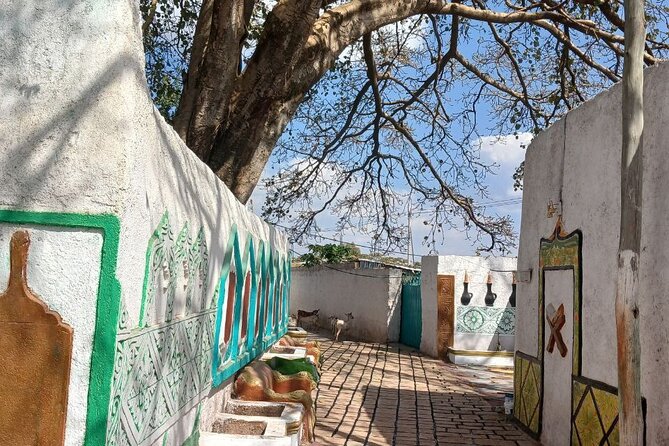
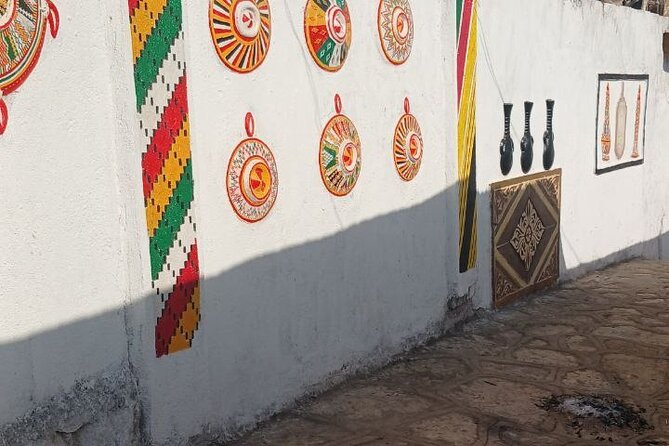
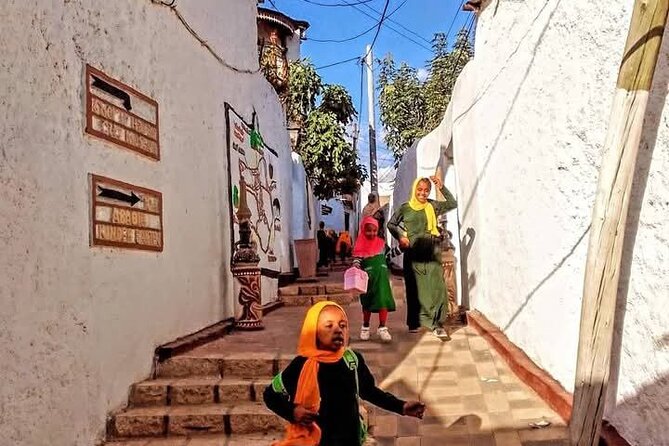
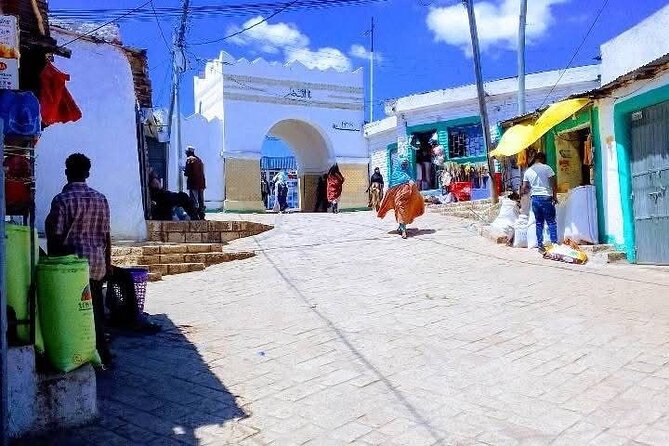
- Walking the narrow lanes inside the old walled city: colorful houses, mosques, shrines, and a maze-like street layout made for real street photos.
- Harar museum stops with strong local links: the Sheriff Museum (former Ras Teferi honeymoon house), Rimbaud House, and the Harari National Cultural Center.
- Babile Camel Market timing matters: the big market happens Monday and Thursday, with Somali and Oromo farmers bringing camels, goats, and cattle.
- Valley of Marvels balancing rocks: the famous “big stone on a single tip” effect that looks impossible until you’re there.
- Small group size and comfortable transport: the tour caps at 15 travelers, with an air-conditioned vehicle and pickup and drop-off.
Entering Harar’s Walled Old City, Jegol, and Its Five Gates
Harar is an ancient trade center, and it still moves at human speed. The city’s old core is circled by a protection wall called Jegol, built in the 1560s by Emir Nur, and there are five gates to enter the old city.
Inside those boundaries, you’ll find narrow streets with colorful houses, lots of mosques, and shrines. That means your time here is visual first, then cultural, then historical, all in one walk.
A practical note: this is a walking city. You will move through tight paths, so comfortable shoes matter more than fancy gear. If you’re a photographer, Harar is the kind of place where your camera gets used on almost every corner.
More from Dire Dawa to consider
- 2 Days Tours To Harar Hyena Feeding & Walled City Tours
★ 5.0 · 3 reviews
Dire Dawa Start Point, Pickup, and How the Trip Flows
The experience starts at Dire Dawa International Airport (meet at JV75+452, Dire Dawa, Ethiopia) with pickup and a representative waiting for you with a sign showing your name. The start time is 9:00 am, and the tour ends back at the meeting point.
From there, you drive into Harar for check-in at your hotel. After resting, you head out for your city tour, then the next day continues with a drive out to Babile and the Valley of Marvels, before returning to Dire Dawa.
Why this setup is worth paying attention to: it keeps the hard work off your plate. You do not have to coordinate transport between places. You also get a mobile ticket, which is useful when you’re bouncing between airport, hotel, and sights.
Day 1 in Harar: Narrow Alleys, Colorful Houses, and Museum Time
Day 1 begins with your transfer from Dire Dawa to Harar and your hotel check-in. Once you’ve rested, the city tour is all about getting your bearings fast, which is exactly what you want in Harar because the streets can feel like a living maze.
You’ll walk through narrow alleyways and see colorful houses up close. You also visit key stops that add context beyond what you can spot from the street. These include:
- Sheriff Museum, in the former Ras Teferi honeymoon house
- Rimbaud House
- Harari National Cultural Center
- A look at Harari’s colorful house and the local market
Here’s the value of building in museum time on day one: you start to understand what you’re seeing while you still have daylight and energy. The city has so many details, from house facades to religious spaces, that a bit of interpretation helps your photos and your memory later.
If you prefer slower travel, this is still manageable. The city walking is part of the charm, but it’s framed by specific visits, so you’re not wandering with no plan.
Hyena Feeding with the Hyena Man: The Most Memorable Moment
If Harar is a city of streets and stone, the hyena ritual is the moment that gives it character. The hyena feeding takes place daily just outside the city walls. You’ll visit the spot during the ritual, with the entrance fee included.
The basic idea is simple and striking. Local men called hyena feeders gather with a piece of meat to offer to the wild hyenas. Watching this in person is different from seeing photos, because you see how close the relationship is between people and the hyenas in this area.
This is also where you should be extra respectful. Follow your guide’s instructions on where to stand, how to move, and when to hold back on photography. You’re there to observe, not to crowd.
I also like that this is described as a ritual, not a gimmick. That matters in a place like Harar, where everyday culture and wildlife coexist in a way that feels practical to locals.
Day 2 Morning Drive to Babile Camel Market
Day 2 starts with a drive from Harar to Babile Camel Market and the nearby Valley of Marvels. The plan is timed around market days, because the Babile market is the largest camel market in the region and it happens every Monday and Thursday.
When it is market day, you’ll see Somali and Oromo farmers walking in to sell camels, goats, and cattle. That blend of animals, people, and movement is exactly the kind of travel moment that photographs well because there’s action everywhere.
If your day is not Monday or Thursday, plan for the market leg to feel less satisfying. The experience notes that if it isn’t market day, Babile may not be worth visiting. That’s a helpful reality check, and it means you can mentally adjust before you go.
Valley of Marvels: Balancing Rock Formations That Look Fake
After Babile (when it fits the schedule), you drive further to the Valley of Marvels. This is famous for balancing rock formations, including the classic view of a big stone that stays balanced on the tip of a single stone.
You don’t need to be a geology nerd to enjoy it. The surprise is visual: it looks impossible, then you realize it’s all about perspective and scale. It’s the kind of stop where you’ll pause, step around, and reframe your shot a few times.
Practical advice here is simple: bring a light layer if the day turns cooler, and keep your camera ready. You’ll want a few angles, and the best ones usually show up when you stop rushing.
Koremi on the Way Back: Older Than Harar
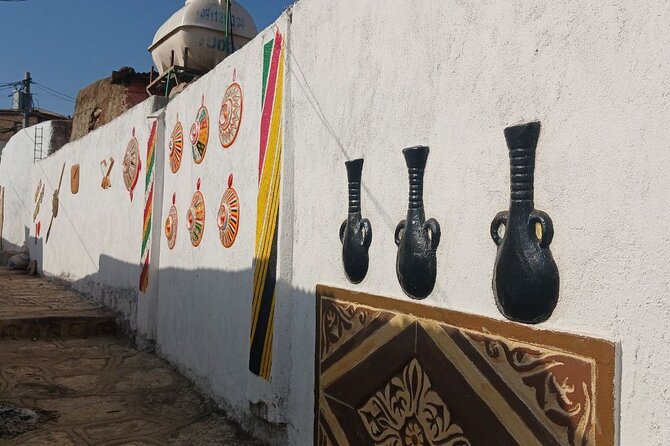
On the return drive toward Dire Dawa, there’s a stop at Koremi. Koremi is described as a village older than Harar, with houses built of stone in an older style.
This stop works well because it shifts you from the dramatic rock formations back into everyday human life, but in a different setting. Harar gives you the classic walled-city feel, while Koremi gives you the slow, stone-built sense of time.
If you like places where the buildings tell the story, Koremi is a nice payoff. It’s also a good moment to stretch your legs after the main sightseeing.
Getting Back to Harar for Photography and City Gate Energy
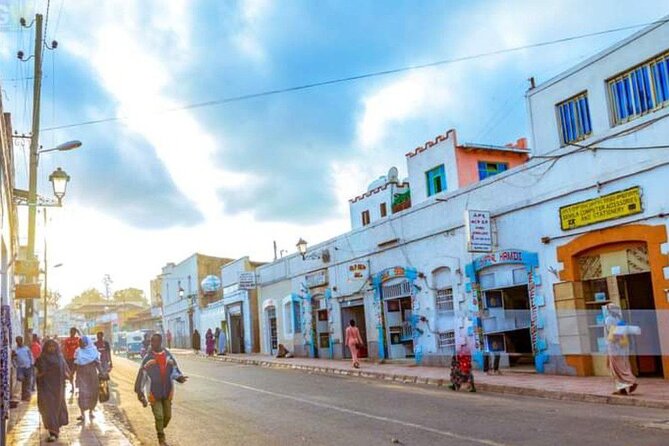
Later on day two, the plan gives you time back in Harar for a photography-focused look, including activity around the city gates. Harar is described as extremely photogenic, with colorful alleys, local market scenes, and even older Peugeot cars that add to the period feel.
You’ll spend about an hour, which is not long, but it’s timed as a concentrated photo window. In Harar, gate activity matters because it’s where movement and identity meet. It’s also where your earlier day-one orientation helps you move faster and frame better shots.
Even if you’re not a dedicated photographer, this section is still useful. The gates and the street rhythm help you understand the city as a living place, not a museum you walk through.
Price and Value: What $300 Covers and What You Must Plan For
At $300 per person for a roughly 2-day experience, you’re paying for transportation, guided sightseeing, meals, and included entrance fees tied to the main highlights.
Here’s what’s included:
- Breakfast and dinner
- Lunch (2)
- Air-conditioned vehicle
- Pickup and drop-off
- Entrance fees for the hyena man feeding, plus museums and the Harar wall
- Government tax
And here’s what is not included:
- Domestic flight
That domestic flight detail is important. The experience includes flying from Addis Ababa to Dire Dawa in the flow of the trip, but since domestic flights are not included, you need to budget for your own airfare into Dire Dawa.
In terms of value, I think the big reason this works is that the cost is not just for entry tickets. You’re getting a guided route that links Harar’s old city culture with the outdoor “wow” stops at Babile and the Valley of Marvels. If you tried to stitch this together yourself, you’d spend serious time coordinating transport and timing, especially for market-day schedules.
Also, the group limit of 15 travelers keeps it from turning into a human conveyor belt. That tends to make the walking and photo stops feel more human.
Guides, Safety Feel, and What to Expect from the Human Side
A tour like this lives or dies on the guide’s tone. In this case, the operator is associated with guides who are described as friendly and informative, and who do a good job keeping things safe and smooth.
If you want a practical way to use that, ask who will be guiding you and what their style is. Then lean into it: Harar rewards curiosity, and your guide can help you navigate what you’re seeing, especially at the hyena feeding point.
One more thing I appreciate: the tour includes the hyena feeding entrance fee, plus museum and Harar wall entries. It reduces decision fatigue. You’re not playing ticket scavenger hunt in a city where the best moments happen fast.
Who This Tour Is Best For, and Who Should Pass
This works best for you if you want a tight, high-impact introduction to Harar culture. You’ll like it if you enjoy:
- Street-level culture and historical detail you can actually see
- A memorable animal-watching experience that is tied to local life
- Photography, especially around alleys and city gates
- A day trip that adds variety with camels and balancing rock formations
It may not be the best fit if you hate walking. The tour involves walking narrow alleyways inside Harar, so you’ll want a pace that works for your knees and feet.
It’s also worth considering the market-day factor. If you’re traveling on a day when the Babile Camel Market is not operating, you may be happier focusing on Valley of Marvels and Koremi, then treating the camel market as a bonus rather than the main event.
Should You Book This 2 Days Harar Tour with Danakil Depression Tours?
I’d book it if your goal is a smart two-day mix: Harar’s old-city atmosphere, a standout hyena feeding ritual, and then a full day that adds Babile and the Valley of Marvels. The included meals, entrance fees, and air-conditioned transport make it feel like a complete package, not a pile of separate arrangements.
I would hesitate only if your dates land on a non-market day and you’re traveling just for camels. In that case, you can still have a good time, but shift your expectations. Prioritize the museums, the wall and alleys, the hyena feeding, and the balancing rocks.
If you want one final decision tip: confirm your calendar for Monday or Thursday. If you can align with the market day, this tour gets noticeably better value for your time.
FAQ
Where does the tour start and end?
The tour starts at Dire Dawa International Airport (JV75+452, Dire Dawa, Ethiopia) and it ends back at the same meeting point.
What time does the tour begin?
The start time is 9:00 am.
How long is the experience?
It runs for 2 days, approximately.
Is pickup included?
Yes. Pickup and drop-off are included, and you will meet a representative at the airport with a sign showing your name.
What is the group size limit?
This tour has a maximum of 15 travelers.
What days does the Babile Camel Market operate?
The Babile Camel Market happens every Monday and Thursday.
What is included in the price, and what is not?
Included are breakfast, dinner, lunch (2), air-conditioned vehicle, pickup and drop-off, entrance fees for hyena man feeding and Harar sites, and government tax. Not included is the domestic flight.
If you’d like, I can also help you plan the best travel day based on whether your dates include Monday or Thursday.
Newly reviewed in Dire Dawa
- 2 Days Tours To Harar Hyena Feeding & Walled City Tours★ 5.0 · 3 reviews
2-Day Experiences, compared.

2 Days 1 night tour to Lalibela Rock-hewn churches
Read our review →
Browse the lists this tour appears in